

 English
 中文简体
中文简体 Español
In the evolution of architectural design, thermal comfort has always been a core metric for measuring quality of life. From open fires to cast-iron radiators and now to radiant heating systems, the un...
READ MORE
PVC Ceiling Tile vs. Gypsum, Mineral Fiber & Wood: Which Material Actually Wins?
May 21,2026 ------ Industry News
PVC ceiling tiles outperform most traditional alternatives in moisture resistance, longevity, and total cost of ownership — making them the practical choice for kitchens, bathrooms, basements, and commercial spaces where durability matters most. That said, gypsum, mineral fiber, and wood tiles each hold their own advantages in specific scenarios. This article breaks down how these materials compare across the metrics that actually affect your decision: cost, installation, performance, and long-term value.
PVC Ceiling Tile vs. Gypsum (Drywall) Ceiling
Gypsum board has long been the default ceiling material for residential construction. It's smooth, paintable, and familiar to virtually every contractor. But when stacked directly against PVC ceiling tile, gypsum's weaknesses become apparent fast.
Gypsum absorbs moisture. A single leak from a pipe above — or even sustained humidity in a bathroom — can cause staining, warping, and mold growth within days. Remediation typically involves cutting out the damaged section, replacing it, re-taping, re-mudding, sanding, and repainting. That process can cost $300–$800 per repair depending on the area and labor rates.
PVC ceiling tiles are inherently waterproof. They don't absorb moisture, won't grow mold, and can be wiped clean with a damp cloth. In a basement renovation where humidity and occasional seepage are realities, this distinction alone can justify the switch.
Installation Comparison
Gypsum installation requires skilled labor — cutting, screwing, taping, finishing, and painting are multi-day processes. PVC ceiling tiles, by contrast, can often be installed by a single person in a day using a grid suspension system or direct adhesive application. There's no drying time, no dust, and no need to prime or paint.
| Feature | PVC Ceiling Tile | Gypsum (Drywall) |
|---|---|---|
| Moisture Resistance | Excellent (waterproof) | Poor (absorbs moisture) |
| Mold Risk | Very Low | High in humid areas |
| Installation Time | 1 day (DIY-friendly) | 2–5 days (skilled labor) |
| Repair Complexity | Swap individual tiles | Cut, patch, sand, repaint |
| Avg. Material Cost/sq ft | $1.50–$4.00 | $0.40–$0.80 |
| Lifespan | 20–30+ years | 10–20 years (with maintenance) |
While gypsum wins on upfront material cost, the labor and maintenance costs over time make PVC tiles more economical in moisture-prone environments.
PVC Ceiling Tile vs. Mineral Fiber (Acoustic) Tiles
Mineral fiber tiles — the standard drop-ceiling tile found in offices, schools, and retail spaces — have dominated commercial interiors for decades because of their acoustic performance and affordability. But they come with a critical vulnerability: they're highly susceptible to water damage.
Even minor roof leaks or HVAC condensation can permanently stain mineral fiber tiles. In commercial buildings, replacing water-stained ceiling tiles is one of the most common maintenance expenses, with facilities managers often budgeting 5–10% of total ceiling tile inventory for annual replacement. PVC ceiling tiles installed in the same grid system eliminate this recurring cost.
Acoustic Performance: Where Mineral Fiber Still Leads
Mineral fiber tiles typically achieve Noise Reduction Coefficients (NRC) of 0.55–0.80, making them significantly better at absorbing sound than standard PVC tiles, which generally score 0.20–0.35 NRC. For open-plan offices, conference rooms, or classrooms, this is a meaningful difference — poor acoustics directly affect concentration and communication clarity.
However, PVC tiles with perforated patterns backed by acoustic insulation can close this gap considerably. If acoustic performance is a priority, this hybrid approach delivers both moisture resistance and sound absorption without sacrificing one for the other.
Cleaning and Maintenance in Commercial Settings
Mineral fiber tiles cannot be washed — liquid contact causes immediate damage. PVC ceiling tiles can be cleaned repeatedly with standard disinfectants, making them the clear choice for food service kitchens, medical facilities, and any environment where hygiene standards require routine ceiling cleaning.
PVC Ceiling Tile vs. Wood Ceiling Panels
Wood ceiling panels bring warmth, texture, and an undeniable visual richness that synthetic materials struggle to replicate. In high-end residential interiors, restaurants, and boutique retail spaces, wood remains a premium choice for its aesthetic character. But the performance trade-offs are significant.
- Weight: Solid wood ceiling panels can weigh 3–6 lbs per square foot, requiring reinforced framing or specialized suspension systems. PVC tiles typically weigh under 1 lb per square foot and work with standard grid systems.
- Cost: Hardwood ceiling panels can run $8–$25 per square foot installed. PVC ceiling tiles — including installation — generally come in at $3–$7 per square foot.
- Moisture: Wood expands and contracts with humidity changes, which can cause warping, cracking, and joint separation over time. PVC is dimensionally stable across a wide range of humidity levels.
- Fire rating: Untreated wood is combustible. PVC tiles are available with Class A fire ratings (flame spread index under 25), meeting commercial building codes in most jurisdictions.
Modern PVC ceiling tiles are produced with embossed wood grain and coffered patterns that convincingly mimic the look of natural wood. For spaces where the aesthetic goal is warmth without the maintenance burden, this is a practical compromise.
Where PVC Ceiling Tiles Have a Clear Edge
Across the comparisons above, certain use cases consistently favor PVC ceiling tiles. Here's a practical breakdown:
- Basements and below-grade spaces — where ground moisture and humidity make gypsum and wood impractical long-term.
- Bathrooms and kitchens — where steam, splashing, and cleaning chemicals demand a surface that doesn't degrade.
- Commercial kitchens and food prep areas — where health codes may require washable, non-porous ceiling surfaces.
- Rental properties and high-traffic commercial spaces — where individual tile replacement (rather than full ceiling repair) keeps maintenance costs manageable.
- Historic renovation projects — where decorative PVC tiles can replicate ornate tin ceiling patterns at a fraction of the cost and weight of actual tin.
Where Other Materials Still Win
Honesty matters in any material comparison. PVC ceiling tiles are not the right choice in every situation.
- High-end residential design: Where a truly luxurious finish is required, real wood or plaster will always feel more premium than PVC, regardless of how well the tile mimics the material.
- Noise-sensitive environments: Open offices, recording studios, and classrooms benefit more from high-NRC mineral fiber tiles unless PVC tiles are paired with acoustic backing.
- Extreme heat environments: Standard PVC begins to soften around 140°F (60°C). In spaces near industrial heat sources or in regions with very hot attic spaces, other materials may be more appropriate.
- Sustainability-focused projects: PVC is a petroleum-based material and is not biodegradable. Projects with strict green building certifications (such as LEED Platinum) may prefer reclaimed wood, recycled mineral fiber, or other materials with better end-of-life profiles.
Total Cost of Ownership: A 10-Year Perspective
Material cost comparisons that look only at upfront price often mislead buyers. A 10-year view, accounting for maintenance, repair, and replacement, tells a more complete story.
| Material | Avg. Install Cost/sq ft | Est. 10-yr Maintenance | 10-yr Total (500 sq ft) |
|---|---|---|---|
| PVC Ceiling Tile | $3.00–$7.00 | Very Low (~$150–$300) | $1,650–$3,800 |
| Gypsum (Drywall) | $2.00–$5.00 | Moderate–High (~$800–$2,500) | $1,800–$5,000 |
| Mineral Fiber | $1.50–$3.50 | Moderate (~$500–$1,500) | $1,250–$3,250 |
| Wood Panels | $8.00–$25.00 | Low–Moderate (~$300–$800) | $4,300–$13,300 |
These are estimates and vary significantly by region, project complexity, and usage conditions. The key takeaway: PVC's lower maintenance burden frequently offsets its higher upfront cost compared to gypsum, particularly in moisture-exposed environments.
Choosing the Right Ceiling Tile for Your Project
The decision ultimately comes down to three questions:
- What's the moisture environment? High humidity, occasional leaks, or steam exposure pushes the decision toward PVC ceiling tiles regardless of other factors.
- What's the primary performance need? Acoustics favor mineral fiber; hygiene and cleanability favor PVC; aesthetics may favor wood; budget may favor gypsum in low-risk spaces.
- What's the time horizon? Short-term rentals or temporary commercial buildouts prioritize upfront cost; long-term ownership prioritizes durability and maintenance cost.
For the majority of residential renovations in bathrooms, kitchens, and basements — and for most commercial food service or healthcare ceiling applications — PVC ceiling tiles deliver the strongest combination of performance, value, and low maintenance across a realistic ownership period.
our featured products.
Discover the timeless beauty and craftsmanship of Evergrowing through our featured products.
-
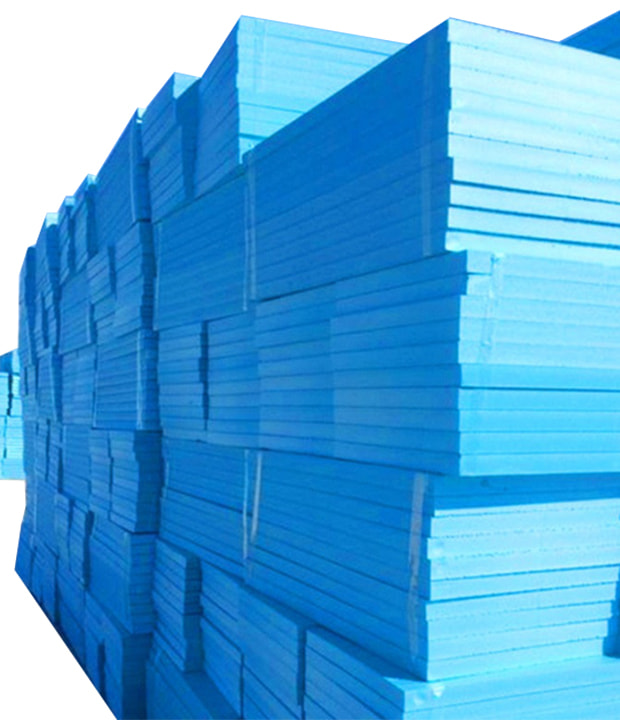 XPS underfloor heating panel
-
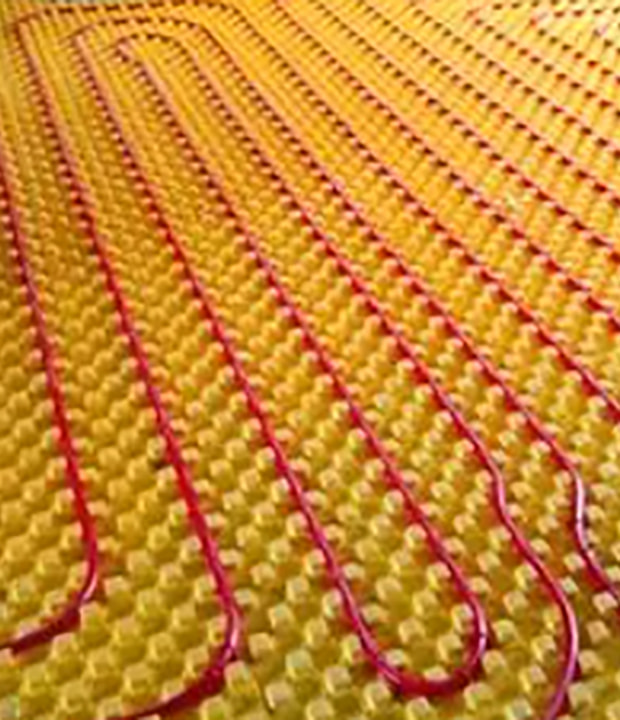 EPS underfloor heating panel
-
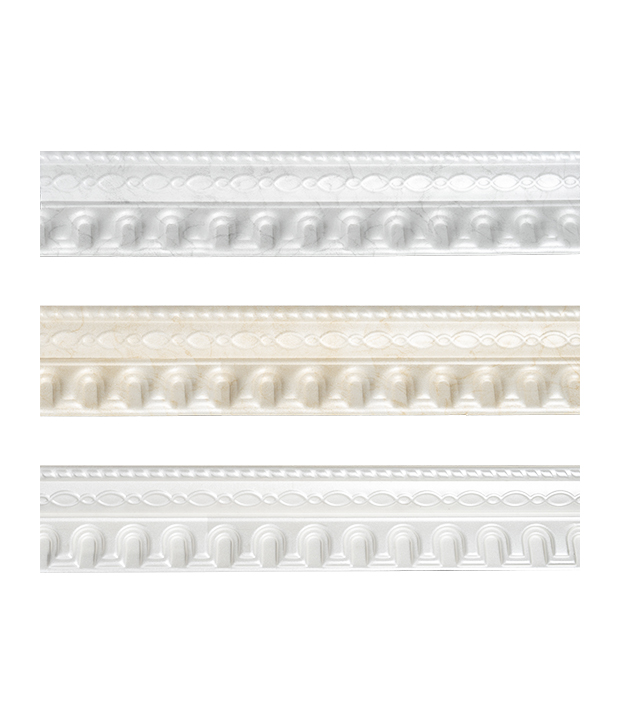 EPS Crown Molding T-06
-
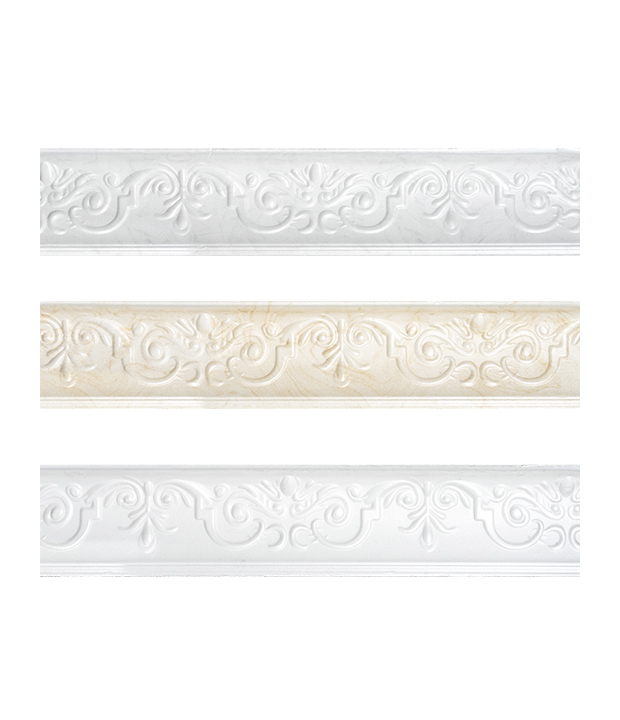 EPS Crown Molding T-04
-
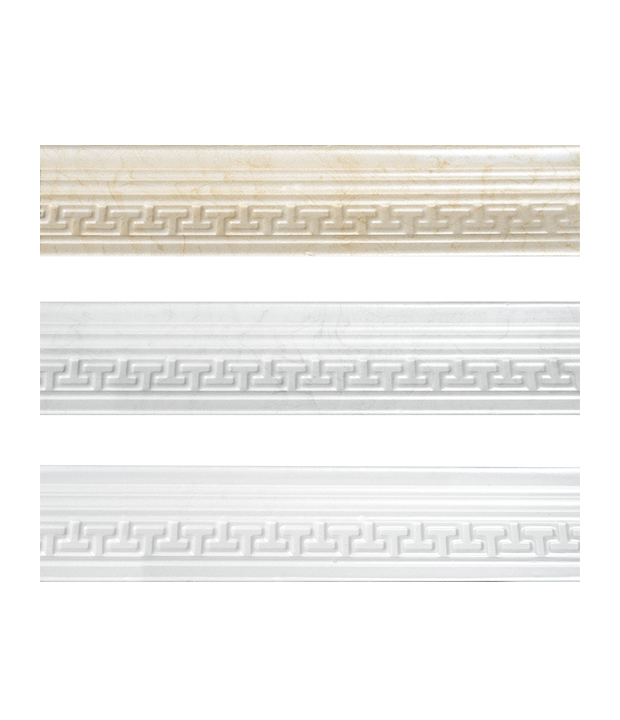 EPS Crown Molding T-02
-
 EPS Crown Molding
-
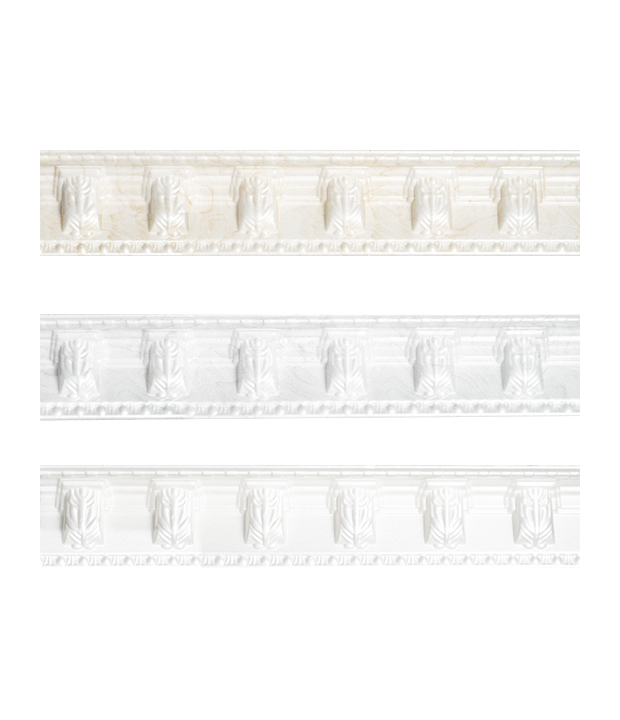 EPS Crown Molding T-18
-
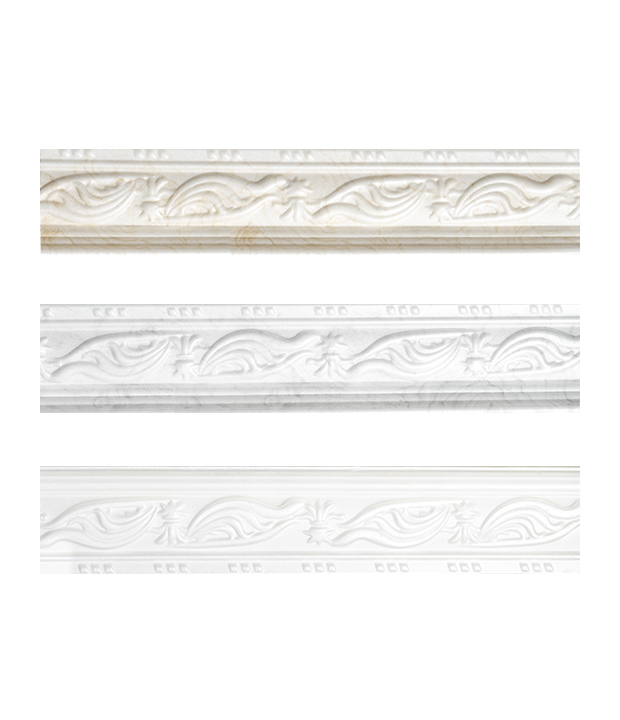 EPS Crown Molding T-20
-
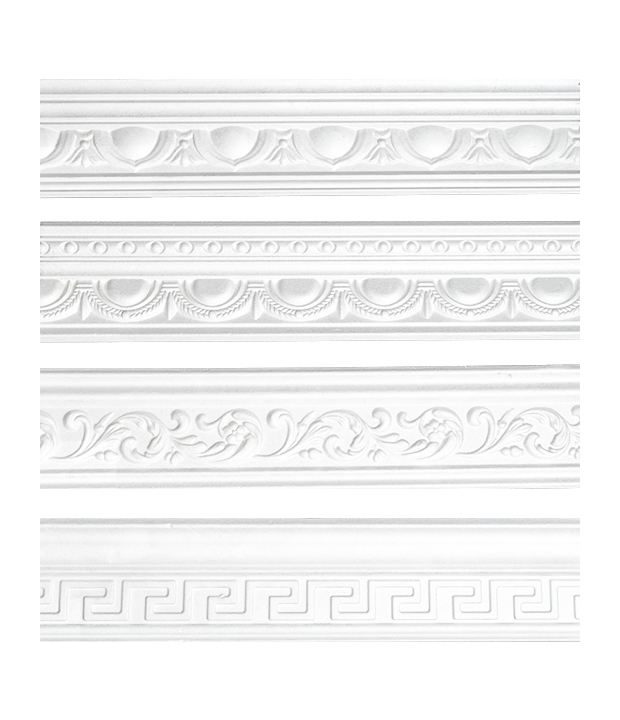 EPS Crown Molding B-06 B-08 B-10 B-12
-
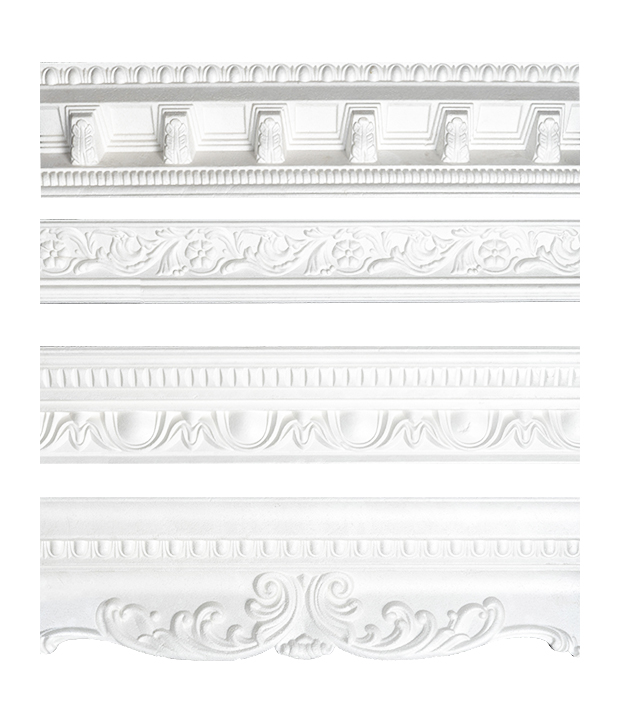 EPS Crown Molding B-22 B-20 B-24 B-18
-
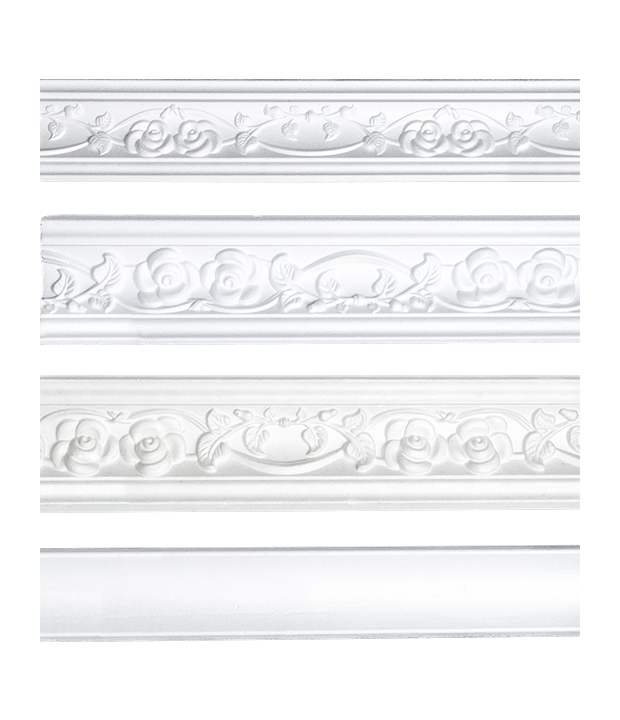 EPS Crown Molding B-26-1 B-26-2 B-26 B-16
-
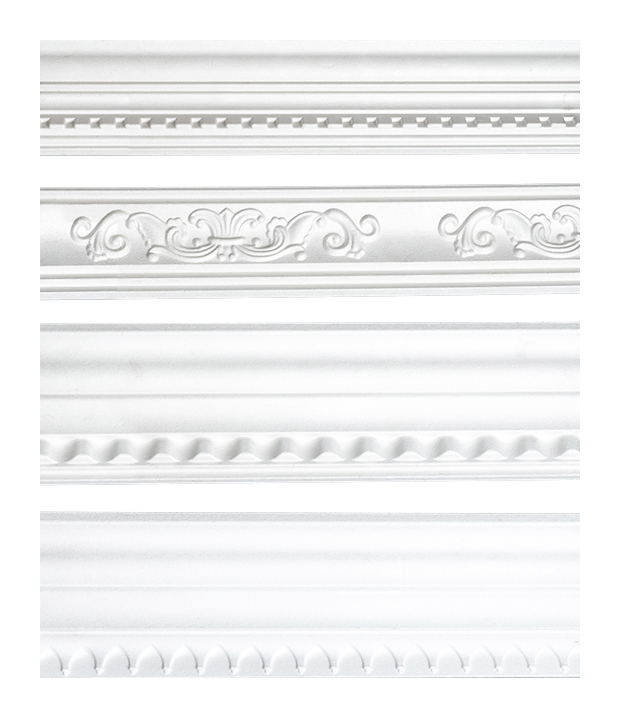 EPS Crown Molding B-30 B-28 B-34 B-32
-
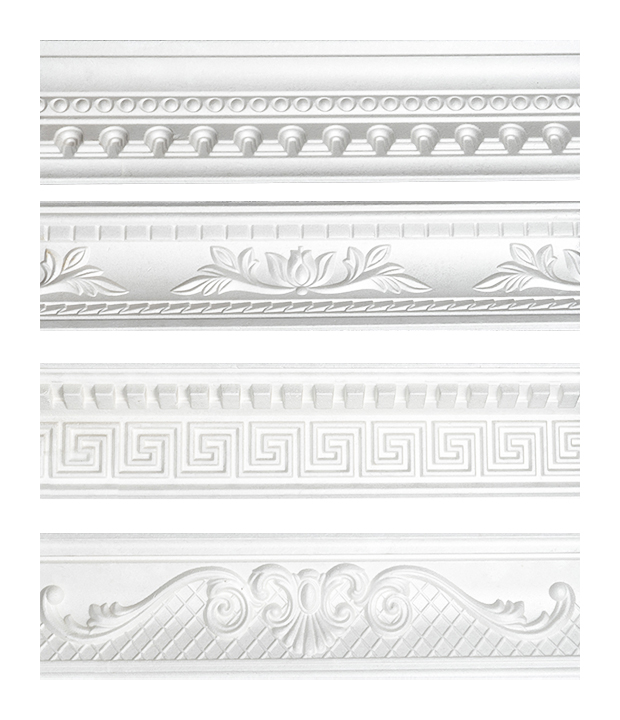 EPS Crown Molding B-42 B-40 B-38 B-36
-
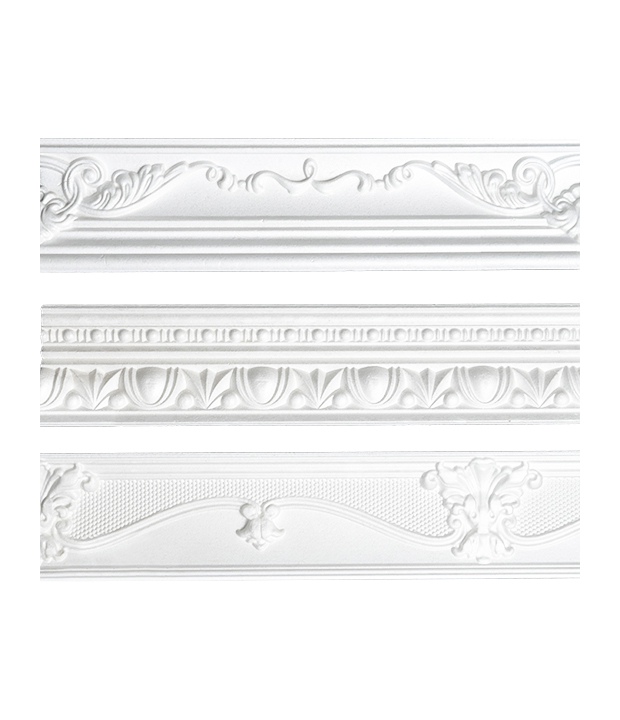 EPS Crown Molding B-60 B-44 B-58
-
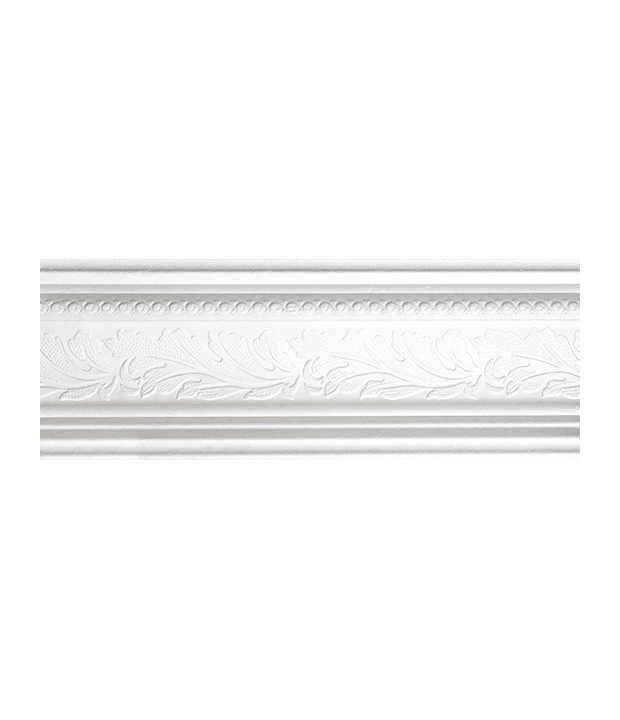 EPS Crown Molding B-56
News
-
-
Introduction What is an EPS Ceiling Medallion? An EPS Ceiling Medallion refers to a decorative ceiling feature made from Expanded Polystyrene (EPS), a type of lightweight foam material. Commonly used ...
READ MORE -
What is a Ceiling Medallion, and How Does it Change the Visual Proportion of Interior Space? In the realm of high-end interior design, the ceiling is no longer an overlooked surface. Often referred to...
READ MORE
Contact info.
- Cell:+86-15951909824 (Amanda)
- Email: amanda@ever-growing.net / 363526407@qq.com
- Add: No.5, Yanhe Rd, Ganduo Indsutrial Park, Gaoyou, Yangzhou, Jiangsu, P.R.O.C.
Quick Links
Copyright © Yangzhou Ever-Growing International Co.,Ltd. All Rights Reserved.
Wholesale Precision Foam Interior Decoration Manufacturers