

 English
 中文简体
中文简体 Español
In the evolution of architectural design, thermal comfort has always been a core metric for measuring quality of life. From open fires to cast-iron radiators and now to radiant heating systems, the un...
READ MORE
The Ultimate Guide to EPS Ceiling Medallions: Benefits, Styles, Installation & Comparison with Plaster
Feb 05,2026 ------ Industry News
Introduction
What is an EPS Ceiling Medallion?
An EPS Ceiling Medallion refers to a decorative ceiling feature made from Expanded Polystyrene (EPS), a type of lightweight foam material. Commonly used around ceiling light fixtures, it serves both aesthetic and practical purposes in interior design. While the design may appear simple at first, an EPS medallion can significantly enhance the visual appeal and depth of a room with intricate carvings and finishes. Its elegant design provides a touch of sophistication, elevating the overall ambiance of any space.
Overview of EPS Material and Its Role in Interior Decoration
EPS (Expanded Polystyrene) is a lightweight, high-density plastic material known for its excellent moisture resistance and durability. Compared to traditional materials like plaster and wood, EPS is lighter and more versatile, making it a popular choice for ceiling décor. It can be molded into various shapes and sizes, even allowing for highly detailed designs, providing homeowners and designers with ample flexibility for customization.
The Decorative Touch: How Can a Simple Medallion Elevate the Entire Room's Style?
You might wonder how such a small detail, like a ceiling medallion, could make a significant difference in a room's overall aesthetic. The truth is, an EPS Ceiling Medallion does much more than just decorate the ceiling. It serves as a focal point, complementing lighting fixtures while hiding electrical connections and cables for a cleaner, more organized look. Whether through vintage-style carvings or sleek, modern designs, a well-chosen medallion can transform a simple room into a beautifully coordinated space with a unique character.
Modern Design Trends: Why Are Homeowners Shifting from Plaster to EPS?
In recent years, an increasing number of homeowners and designers are opting for EPS medallions instead of traditional plaster or wooden ones. This shift is mainly due to EPS's lightweight nature, durability, and impressive cost-effectiveness. Compared to plaster, EPS offers the same visual appeal but is easier to install and more budget-friendly. With growing emphasis on efficient and eco-friendly materials in home décor, EPS has become the material of choice for many modern interiors.
Key Benefits of EPS
Lightweight: A Safer, Lighter Alternative to Plaster
One of the primary advantages of EPS (Expanded Polystyrene) material is its remarkable lightweight nature. When compared to traditional plaster, which can be heavy and cumbersome, EPS is significantly lighter, making it safer and easier to handle during installation.
For many homeowners and DIY enthusiasts, this lightweight property means less stress when it comes to putting up a ceiling medallion. Installing heavy plaster medallions often requires extra reinforcement and professional expertise, but with EPS, installation becomes a more accessible task. The lighter weight means there's less risk of damaging the ceiling or requiring additional structural support. In fact, many homeowners with minimal DIY experience can easily install an EPS ceiling medallion without professional help, making it a perfect option for those looking to add a decorative touch without the hassle of complex procedures.
In addition to its ease of installation, the lightweight nature of EPS also contributes to the overall safety of the structure. The reduced weight means there is less strain on the ceiling, especially in older buildings where weight-bearing capacity might be a concern. With EPS, you can still enjoy a beautiful, functional ceiling feature without worrying about any potential risks associated with heavier materials.
Durability: Moisture-Resistant, Rot-Proof, and Climate-Friendly
EPS stands out in terms of durability. Unlike traditional plaster, which can easily crack, crumble, or even absorb moisture, EPS has excellent resistance to environmental factors. It’s non-porous, meaning it doesn’t absorb water, preventing the risk of mold and mildew formation that is common with other materials, especially in humid areas.
This quality makes EPS ideal for rooms like bathrooms, kitchens, or even basements, where humidity and moisture are higher than in other parts of the home. It won’t rot, peel, or degrade over time, ensuring that the decorative ceiling medallion maintains its structural integrity and aesthetic appeal for years. In fact, EPS ceiling medallions are often found in commercial properties as well, where durability is key, and long-term maintenance can be costly.
In regions with extreme weather conditions, EPS proves its versatility even further. Whether you’re in a hot, dry climate or a damp, rainy area, EPS doesn’t react to temperature or moisture extremes in the same way that other materials—like wood or plaster—might. Its resilience in different climates makes it a perfect material for diverse environments, ensuring that your ceiling medallion looks pristine and lasts a long time, no matter where you live.
Cost-Effective: High-End Designs at Affordable Prices
When it comes to cost-effectiveness, EPS stands out as one of the most budget-friendly materials available for ceiling décor. Whether you’re considering a simple, classic medallion or an intricate, elaborate design with detailed carvings, EPS remains more affordable than other options like plaster or solid wood.
Despite its lower cost, EPS doesn’t compromise on quality. You can achieve highly detailed, customized designs that are usually reserved for much more expensive materials. The ability to create large, complex designs at a fraction of the price of plaster or wood is one of the primary reasons homeowners and designers are gravitating toward EPS. For example, you can have a ceiling medallion that mimics the look of traditional, ornate designs—such as Victorian or Baroque-style patterns—without the hefty price tag of using real plaster or wood. This makes it an ideal choice for those on a budget, without sacrificing elegance or beauty.
In addition, the cost savings extend beyond the purchase price of the material itself. The lightweight and easy-to-install nature of EPS reduces labor costs, as fewer professionals are needed to complete the installation. This means that not only is the material affordable, but the overall cost of the project—from purchase to installation—stays within budget.
Easy Installation: DIY-Friendly and Hassle-Free
One of the most attractive benefits of EPS ceiling medallions is the ease with which they can be installed. Unlike traditional plaster medallions, which require special skills and tools, EPS medallions can be installed by most homeowners with minimal experience. The lightweight material means that you don’t need additional help or heavy equipment to get the job done. In fact, many DIY enthusiasts find the process to be straightforward, as it involves just a few simple steps.
Typically, installation involves measuring and marking the center of the ceiling, applying adhesive or glue, and then placing the medallion in position. For those who want a more customized look, you can easily trim or shape the EPS medallion to fit specific ceiling dimensions. The medallion’s lightweight nature also allows for faster drying times and fewer complications during the installation process.
Moreover, EPS ceiling medallions can be easily adapted to different lighting fixtures, making them a flexible choice for various interior designs. Whether you're installing recessed lighting, chandeliers, or pendant lights, you can find a way to integrate the medallion seamlessly into your ceiling design. Some medallions even have pre-cut holes for light fixtures, allowing for a hassle-free fit without the need for additional tools or expertise.
For those who prefer to tackle home improvement projects themselves, EPS offers a much more accessible and cost-effective way to transform the ceiling without the need to hire professionals. The flexibility of EPS allows you to experiment with different designs and styles, enabling a high level of customization while still keeping the project manageable and budget-friendly.
3. Design Styles & Aesthetics
Beyond functionality and affordability, one of the most compelling reasons homeowners choose EPS ceiling medallions is their exceptional design flexibility. Decorative ceilings have long been associated with elegance and architectural refinement, and a well-chosen medallion can instantly transform an ordinary room into a sophisticated, thoughtfully designed space.
Thanks to the moldability of Expanded Polystyrene, EPS ceiling medallions are available in an extraordinary variety of styles—from ornate, historically inspired patterns to sleek contemporary shapes. Whether your interior design leans toward traditional luxury or modern minimalism, there is an EPS medallion that can seamlessly complement your vision.
Classic & Traditional Styles: Timeless Elegance with Historical Character
For centuries, decorative ceiling medallions have been associated with European architecture and grand interiors. From palaces and theaters to heritage homes, ornate ceiling details were used to showcase craftsmanship and status. Today, EPS allows homeowners to recreate this timeless beauty without the weight or cost of traditional plaster.
Classic-style EPS medallions often feature:
- Victorian floral motifs
- Baroque scrollwork and curves
- Rococo-inspired shells and leaves
- Symmetrical wreaths and garlands
- Intricate relief carvings and layered patterns
These elaborate designs add depth and drama to a ceiling, instantly creating a focal point around chandeliers or pendant lights. The rich textures and decorative elements bring a sense of luxury and historical authenticity that works especially well in:
- Formal living rooms
- Dining rooms
- Entryways and foyers
- Hotels or boutique commercial spaces
- Homes with traditional or vintage décor
For example, pairing a Baroque-style medallion with a crystal chandelier can evoke the atmosphere of a classic European ballroom. Even in modern homes, these traditional elements can introduce contrast and character, preventing the space from feeling too plain or sterile.
Another benefit of choosing EPS for classic designs is precision. Because EPS is molded rather than hand-carved, the details remain crisp and consistent. You get the refined look of artisan craftsmanship at a fraction of the price and installation effort.
In short, EPS makes old-world elegance accessible to modern homeowners.
Minimalist & Modern Styles: Clean Lines for Contemporary Living
While ornate medallions are undeniably beautiful, not every space calls for decorative complexity. Modern interiors often prioritize simplicity, clean geometry, and understated design. Fortunately, EPS ceiling medallions are just as effective in minimalist settings.
Modern-style medallions typically focus on:
- Smooth surfaces
- Subtle curves
- Geometric shapes (circles, squares, rings, hexagons)
- Thin profiles
- Low-relief or flat designs
Instead of dominating the ceiling, these medallions create quiet structure and balance. They frame lighting fixtures without overwhelming the space, making them ideal for contemporary homes where “less is more” is the guiding principle.
These styles pair beautifully with:
- Scandinavian interiors
- Modern apartments
- Industrial lofts
- Minimalist homes
- Offices or retail spaces
For instance, a simple circular medallion can visually anchor a pendant light, adding refinement without distracting from the overall design. A square or layered geometric medallion can also echo architectural lines, creating cohesion between the ceiling and the room’s layout.
EPS works particularly well here because of its smooth finish. It provides clean, sharp edges that enhance the precision and clarity expected in modern design. Unlike plaster, which can crack or chip, EPS maintains a flawless appearance over time.
Ultimately, modern EPS medallions demonstrate that decoration doesn’t have to be elaborate to be impactful.
Unlimited Customization Potential: Designed to Match Your Vision
Perhaps the most exciting advantage of EPS material is its incredible customization potential. Unlike wood or plaster, which can be difficult and expensive to modify, EPS is easy to cut, shape, paint, and finish. This gives designers and homeowners far more creative freedom.
EPS can be:
- Painted in any color
- Coated with decorative finishes
- Trimmed to fit unique ceiling dimensions
- Combined with moldings or panels
- Customized for special lighting layouts
Because the surface accepts paint extremely well, it becomes a blank canvas for creativity. Whether you want your medallion to blend in or stand out, EPS makes it possible.
You can match the ceiling color for a subtle, seamless effect or choose contrasting tones to create a dramatic centerpiece. Metallic finishes, textured coatings, or layered paints can further enhance the visual impact.
This versatility makes EPS ideal for both professional designers and DIY enthusiasts. You’re not limited to standard white — you can truly personalize the piece to reflect your style.
Pro Tips: How to Make EPS Look Like Premium Materials
One common misconception is that foam-based materials look cheap. However, with the right painting techniques, an EPS ceiling medallion can convincingly mimic much more expensive finishes.
Here are some easy ways to elevate its appearance:
Metallic Finish (Gold, Silver, Bronze): Apply a dark base coat first, then lightly brush metallic paint over the raised details using a dry-brush technique. This highlights textures and creates an antique metal look perfect for luxury or classical interiors.
Wood Effect: Start with a brown base coat, then use a wood-grain tool or soft brush to add darker streaks. This technique replicates the warmth of natural wood without the weight or cost.
Marble or Stone Look: Paint the surface in off-white or gray, then gently add subtle veins using a sponge or feather. Seal with a glossy or satin finish for a polished marble appearance.
Matte Modern Finish: For contemporary spaces, simply apply a smooth matte or eggshell paint. This creates a clean, seamless look that blends effortlessly into minimalist interiors.
These simple finishing methods dramatically enhance the perceived value of the medallion, allowing it to rival far more expensive materials.
Finding the Right Style for Your Space
When selecting a design, consider:
- Ceiling height
- Room size
- Lighting type
- Overall décor theme
- Desired visual impact
Large, ornate medallions suit high ceilings and spacious rooms, while smaller or simpler designs work better in compact spaces. The key is balance — the medallion should enhance the room without overpowering it.
Remember, the ceiling is often called the “fifth wall” of interior design. Paying attention to this overlooked surface can dramatically improve the overall aesthetic harmony of a space.
Installation Guide – Step by Step
One of the biggest advantages of choosing an EPS ceiling medallion is how easy it is to install. Unlike traditional plaster medallions that often require professional contractors, special fasteners, or even ceiling reinforcement, EPS medallions are lightweight and simple enough for most homeowners to handle on their own.
With just a few basic tools and careful preparation, you can complete the installation in a single afternoon. Whether you’re upgrading a living room chandelier or adding a decorative touch to a bedroom ceiling light, the process is straightforward and beginner-friendly.
Tools & Materials Preparation
Before starting, gather all the necessary tools and materials. Having everything ready will make the process smoother and help you avoid interruptions.
Here’s what you’ll need:
- Construction adhesive or nail-free glue
- Measuring tape
- Pencil or marker
- Ladder or step stool
- Utility knife or small saw (if trimming is needed)
- Caulk and caulking gun
- Putty knife or scraper
- Paint and brushes or a roller
- Damp cloth or sponge
- Safety gloves and goggles (recommended)
Choosing the right adhesive is especially important. A strong, solvent-free construction adhesive works best because it bonds well to both the ceiling and the EPS material without damaging the foam.
Step 1: Locate and Mark the Center Point
Accuracy is key when installing a ceiling medallion. If the medallion isn’t centered properly, it can make the entire room feel visually unbalanced.
Start by determining the exact center of your light fixture or junction box. In most cases, the medallion should align perfectly with the lighting.
Use a measuring tape to:
- Measure the ceiling space
- Mark the midpoint
- Draw light guide lines if necessary
If a light fixture is already installed, carefully remove it first (after turning off the power at the breaker for safety). This exposes the electrical box and allows you to work more easily.
Once the center point is marked, hold the medallion against the ceiling to test the alignment. This “dry fit” helps you confirm placement before applying adhesive.
Step 2: Prepare the Medallion Opening for the Light Fixture
Most EPS ceiling medallions come with a pre-cut center hole. However, sometimes adjustments are necessary depending on your wiring or fixture size.
If needed:
- Measure the diameter of the electrical box
- Mark the correct size on the medallion
- Carefully cut using a utility knife or small saw
EPS is very easy to cut, so take your time and work slowly for a clean edge. Avoid making the hole too large, as a snug fit will give a more polished appearance.
This step ensures that wires and mounting hardware can pass through smoothly and remain hidden after installation.
Step 3: Clean and Prepare the Ceiling Surface
A clean surface ensures strong adhesion. Dust, grease, or loose paint can weaken the bond between the adhesive and the ceiling.
Before applying glue:
- Wipe the area with a damp cloth
- Remove dust and debris
- Scrape off any peeling paint
- Make sure the surface is dry and smooth
If the ceiling has heavy texture or bumps, lightly sanding the contact area can improve adhesion. A flat, even surface helps the medallion sit flush against the ceiling.
Step 4: Apply Adhesive Evenly
Now it’s time to attach the medallion.
Turn the medallion over and apply construction adhesive generously to the back. Focus on:
- The outer edges
- The inner ring
- Several lines or dots across the center
Avoid applying adhesive too close to the edges, as it may squeeze out when pressed against the ceiling.
A zigzag or circular bead pattern works well to distribute the glue evenly. The goal is full contact without excessive overflow.
Step 5: Position and Secure the Medallion
Carefully lift the medallion and align it with the marked center point and wiring hole. This step may be easier with a second person, especially for larger designs.
Press the medallion firmly against the ceiling and hold it in place for 30–60 seconds. Apply steady pressure so the adhesive bonds properly.
If the medallion feels heavy or you want extra security while the glue sets, you can temporarily support it with:
- Painter’s tape
- Small finishing nails
- Or a brace
Most adhesives begin gripping quickly, but full curing may take several hours. Check the manufacturer’s instructions for exact drying times.
Step 6: Fill Gaps and Finish Edges (Caulking)
Once the medallion is secured, inspect the edges carefully. Small gaps between the medallion and ceiling are normal, especially if the ceiling isn’t perfectly flat.
To achieve a seamless, professional look:
- Apply paintable caulk along the edges
- Smooth with a wet finger or putty knife
- Remove excess immediately
This step hides imperfections and makes the medallion appear built-in rather than attached. Proper caulking is often what separates an amateur job from a professional finish.
Allow the caulk to dry completely before painting.
Step 7: Paint and Final Touches
Painting is the final step that brings everything together.
Although many EPS medallions come pre-primed, adding paint enhances durability and allows you to match your décor perfectly.
You can:
- Match the ceiling color for a seamless look
- Use white for classic elegance
- Apply metallic or decorative finishes for a dramatic effect
Use a brush to reach detailed areas and a small roller for flat surfaces. Apply thin, even coats for the best result.
After the paint dries, reinstall your light fixture and restore power. Step back and admire the transformation.
Extra Tips for Best Results
To ensure long-term success, keep these additional tips in mind:
- Always turn off the electricity before working near wiring
- Choose LED bulbs to reduce heat exposure
- Avoid excessive moisture during installation
- Handle edges gently to prevent dents
- Measure twice before gluing
Taking your time during installation will lead to a cleaner and more durable result.
Why DIY Installation Matters
The simplicity of installing EPS medallions is one of their greatest strengths. What once required skilled labor and heavy materials can now be completed by almost anyone with basic tools. This not only saves money but also empowers homeowners to personalize their space with confidence.
In just a few hours, you can upgrade your ceiling from plain to polished — all without professional help.
EPS vs Other Materials: A Complete Comparison Guide
When selecting a ceiling medallion, design is only one part of the decision-making process. The material you choose plays an equally important role in determining installation difficulty, cost, durability, and long-term performance.
Today, the three most common materials used for ceiling medallions are EPS (Expanded Polystyrene), Plaster, and PU (Polyurethane). Each has its own strengths and limitations. Understanding these differences can help homeowners, contractors, and designers choose the option that best fits their budget, skill level, and project goals.
While plaster has long been considered the traditional choice and PU is often marketed as a modern alternative, EPS has quickly gained popularity for its exceptional balance of affordability, practicality, and aesthetic flexibility.
Quick Comparison Table
| Feature | EPS (Polystyrene) | Plaster | PU (Polyurethane) |
| Weight | Extremely light | Very heavy | Light |
| Price | Lowest | Medium to high | Medium |
| Installation Difficulty | Easy (DIY-friendly) | Professional required | Easy |
| Detail Precision | High | Very high | High |
| Moisture Resistance | Excellent | Poor to moderate | Excellent |
| Durability | High | Fragile | Very high |
| Maintenance | Low | Moderate | Low |
| Customization | Very easy | Difficult | Moderate |
Weight: Why It Matters More Than You Think
Weight is often overlooked, but it has a direct impact on safety, installation complexity, and long-term stability.
EPS is extremely lightweight—often weighing only a fraction of what plaster does. Even large, ornate medallions can be lifted with one hand. This makes handling, positioning, and mounting incredibly easy. Because EPS adds minimal load to the ceiling, there’s no need for structural reinforcement, which is particularly beneficial for older homes or apartments.
Plaster, on the other hand, is very heavy. Traditional plaster medallions can weigh several kilograms (or more), especially for larger sizes. Installing them often requires screws, anchors, or professional mounting systems. In some cases, extra support framing may be necessary to prevent sagging or detachment over time.
PU (Polyurethane) is lighter than plaster but generally heavier than EPS. It still offers relatively easy handling, though not quite as effortless as EPS.
In practical terms, lighter materials reduce installation risks and make DIY projects far more manageable. From this perspective, EPS clearly has the advantage.
Price: Balancing Beauty and Budget
Budget is often a deciding factor in home improvement projects.
EPS is typically the most cost-effective option among the three materials. Because it is mass-produced and easy to manufacture, it offers decorative designs at very affordable prices. Even large or highly detailed medallions remain accessible for most homeowners.
Plaster tends to be the most expensive. The higher cost comes from raw materials, labor-intensive manufacturing, transportation (due to weight), and professional installation requirements. If you’re aiming for authentic historical restoration, plaster may be worth the investment—but for most modern homes, it can feel unnecessarily costly.
PU usually falls in the middle price range. It’s more affordable than plaster but generally more expensive than EPS.
Additionally, remember that material cost is only part of the equation. Installation expenses can significantly increase the total budget. Since EPS is DIY-friendly, it often eliminates labor costs, making it the most economical choice overall.
Installation Difficulty: DIY or Professional?
Installation requirements can determine whether your project takes hours or days.
EPS shines in this category. Its lightweight nature allows for simple adhesive installation. Most homeowners only need glue, a ladder, and basic tools. No special training or heavy-duty fasteners are required. Even beginners can achieve professional-looking results.
Plaster, however, almost always requires professional installation. The heavyweight makes lifting and securing difficult. Improper installation can lead to cracks or even dangerous falls. Specialized hardware and experience are often necessary, adding time and expense.
PU is similar to EPS in that it’s relatively easy to install, though sometimes denser and slightly harder to cut or adjust.
If convenience and time-saving matter to you, EPS offers the most user-friendly experience.
Detail Precision: Aesthetic Performance
When it comes to fine decorative details, all three materials perform well, but there are subtle differences.
Plaster has traditionally been known for its extremely sharp and intricate detailing. Hand-cast plaster can capture very delicate textures, which is why it has been used historically in luxury architecture.
However, modern EPS manufacturing technology has significantly improved. High-density EPS molds can now reproduce surprisingly crisp details that closely mimic plaster at a glance. For most residential settings, the visual difference is barely noticeable.
PU also offers high precision and smooth finishes, making it another strong competitor in terms of aesthetics.
In reality, all three materials can look beautiful once painted. Unless you’re working on a museum-level restoration, EPS provides more than enough detail for everyday decorative needs.
Durability & Moisture Resistance
Durability determines how well your medallion will age over time.
EPS performs exceptionally well in humid environments. It doesn’t absorb water, won’t rot, and resists mold and mildew. This makes it ideal for kitchens, bathrooms, and basements.
Plaster, unfortunately, is more fragile. It can crack, chip, or crumble if exposed to moisture or impact. Over time, humidity may cause stains or deterioration.
PU is also moisture-resistant and generally very durable, similar to EPS.
For long-term reliability with minimal maintenance, EPS and PU both outperform plaster.
Customization & Flexibility
Creative freedom is another area where EPS excels.
Because EPS is easy to cut, sand, paint, and modify, it allows:
- Custom sizing
- Unique shapes
- Easy trimming
- Special paint effects
Plaster is much harder to modify once cast, and mistakes can be costly. PU offers moderate flexibility but isn’t as easy to reshape as EPS.
For DIY customization or creative projects, EPS provides unmatched versatility.
Maintenance Tips
One of the most appealing features of EPS ceiling medallions is how little maintenance they require. Unlike traditional plaster or wood decorations that may crack, peel, or deteriorate over time, EPS (Expanded Polystyrene) is designed to be long-lasting and resistant to many common household issues.
However, like any interior decorative element, proper care can help preserve its appearance and extend its lifespan even further. With simple cleaning habits and a few preventive measures, your ceiling medallion can stay beautiful and fresh for many years without the need for frequent repairs or replacements.
The good news is that maintaining an EPS medallion doesn’t require special tools, professional services, or complicated routines. In fact, most upkeep involves nothing more than gentle cleaning and mindful lighting choices.
Regular Dust Cleaning: Keep It Light and Gentle
Over time, dust naturally accumulates on all ceiling surfaces, especially around light fixtures. Because ceiling medallions often have grooves, carvings, or raised patterns, they may collect dust slightly faster than flat surfaces.
Fortunately, cleaning EPS is quick and easy.
The most effective method is to use:
- A soft feather duster
- A microfiber cloth
- A soft brush
- Or a handheld vacuum with a brush attachment
Gently sweep or wipe the surface to remove dust from the details and edges. For intricate designs, a small paintbrush can help reach narrow grooves without damaging the surface.
Avoid applying too much pressure. Although EPS is durable, pressing hard on thin decorative areas could dent the foam. Light, gentle strokes are more than enough.
For most homes, cleaning once every few months is sufficient. If you live in a dusty environment or near a busy street, you may want to clean more frequently.
Consistent light cleaning prevents buildup and keeps the medallion looking crisp and elegant.
Avoid Harsh Chemicals: Protect the Surface Finish
When it comes to cleaning products, less is more.
EPS is moisture-resistant, but strong chemical cleaners can damage the paint or finish applied to the surface. Solvent-based products, alcohol, or abrasive cleaners may cause discoloration, softening, or surface erosion.
To stay safe, avoid:
- Bleach
- Acetone or solvents
- Ammonia-based cleaners
- Rough sponges or scrub pads
- High-pressure sprays
If deeper cleaning is necessary, simply use:
- Mild soap mixed with warm water
- A soft, damp cloth or sponge
Gently wipe the surface and dry it immediately with a clean cloth. Never soak the medallion or allow water to sit for long periods.
This gentle approach protects both the EPS material and the paint finish, helping maintain its original appearance.
Long-Term Durability: What Makes EPS Low-Maintenance?
Compared to plaster or wood, EPS requires significantly less long-term care.
Here’s why:
Moisture Resistance: EPS does not absorb water. This means it won’t swell, warp, or develop mold like wood, and it won’t crack or crumble like plaster. Even in humid environments such as bathrooms or kitchens, it remains stable.
No Rot or Corrosion: Unlike natural materials, EPS doesn’t rot, rust, or decay. You won’t need to worry about pests, termites, or fungal damage.
Crack Resistance: Plaster medallions often develop hairline cracks over time due to temperature changes or structural shifts. EPS is slightly flexible, which helps it resist cracking.
Because of these properties, maintenance mostly focuses on cleanliness rather than repairs.
Lighting Considerations: Avoid High Heat Exposure
While EPS is durable, it is still a foam-based material, which means prolonged exposure to high heat can potentially cause deformation or damage.
Traditional incandescent or halogen bulbs generate a lot of heat. If placed too close to the medallion, they may:
- Soften the material
- Cause discoloration
- Lead to slight warping over time
To prevent this, it’s highly recommended to use LED lighting.
LED bulbs offer several advantages:
- Much lower heat output
- Longer lifespan
- Better energy efficiency
- Reduced fire risk
- More environmentally friendly
Switching to LED not only protects your medallion but also saves electricity and reduces maintenance costs.
If you must use other bulb types, ensure there is enough space between the bulb and the medallion to allow heat dissipation.
Paint Touch-Ups: Refresh When Needed
Over many years, minor scuffs or fading may occur, especially in high-traffic commercial spaces or during renovations. Fortunately, refreshing an EPS medallion is simple.
Because EPS accepts paint very well, you can easily:
- Repaint the entire medallion
- Touch up small areas
- Change colors to match the new décor
Before repainting:
- Clean the surface thoroughly
- Lightly sand if needed
- Apply primer if required
- Use water-based acrylic or latex paint
Avoid heavy solvent-based paints, as they may affect the foam structure.
A fresh coat of paint can make an older medallion look brand new, extending its life for many more years.
Inspect Periodically for Secure Adhesion
Although EPS medallions are lightweight and strongly bonded with adhesive, it’s still wise to check occasionally that everything remains secure.
Every year or so:
- Inspect edges for gaps
- Look for loose sections
- Check caulking lines
- Ensure the fixture remains stable
If small gaps appear, simply reapply caulk. If an area loosens, additional adhesive can be added without removing the entire medallion.
These quick inspections prevent small issues from becoming bigger problems.
Handling During Renovations
If you’re repainting ceilings or remodeling nearby areas, protect your medallion from accidental damage.
Use:
- Painter’s tape
- Plastic sheets
- Drop cloths
This prevents paint splashes, scratches, or dust accumulation. Although EPS is resilient, prevention is always easier than repair.
References / Sources
- EPS Industry Alliance — “EPS Construction Applications and Performance Guide”
- American Chemistry Council — “Expanded Polystyrene (EPS) Material Properties and Building Solutions”
- National Association of Home Builders (NAHB) — “Residential Interior Trim and Decorative Installation Practices”
- U.S. Department of Energy — “Foam Plastic Insulation and Lightweight Building Materials Guide”
- BuildingGreen — “Sustainable Building Materials: Foam Plastics and Interior Architectural Components”
our featured products.
Discover the timeless beauty and craftsmanship of Evergrowing through our featured products.
-
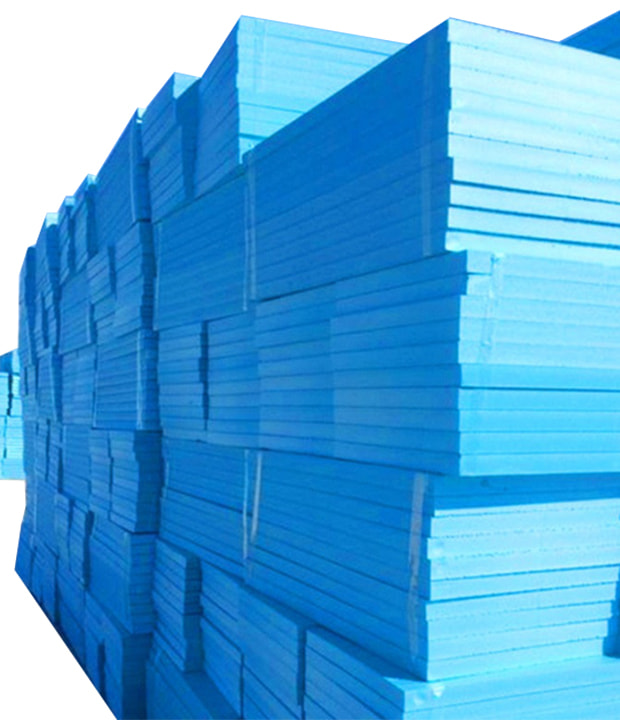 XPS underfloor heating panel
-
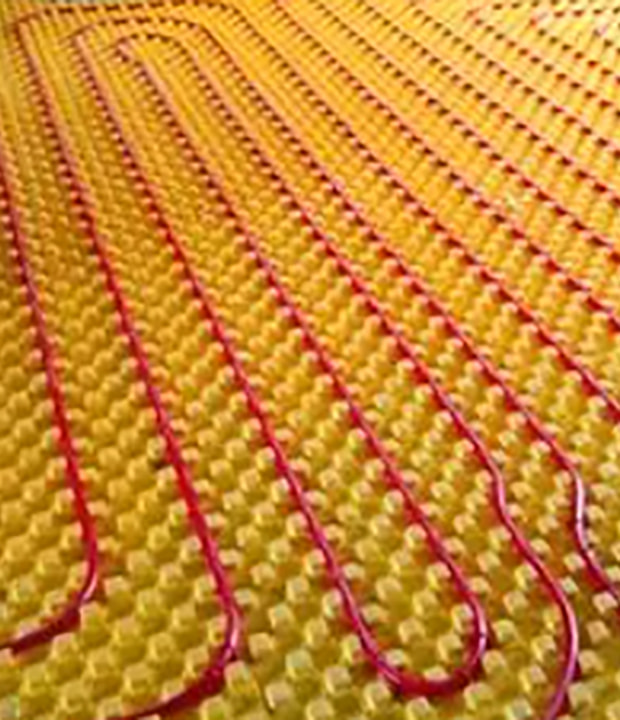 EPS underfloor heating panel
-
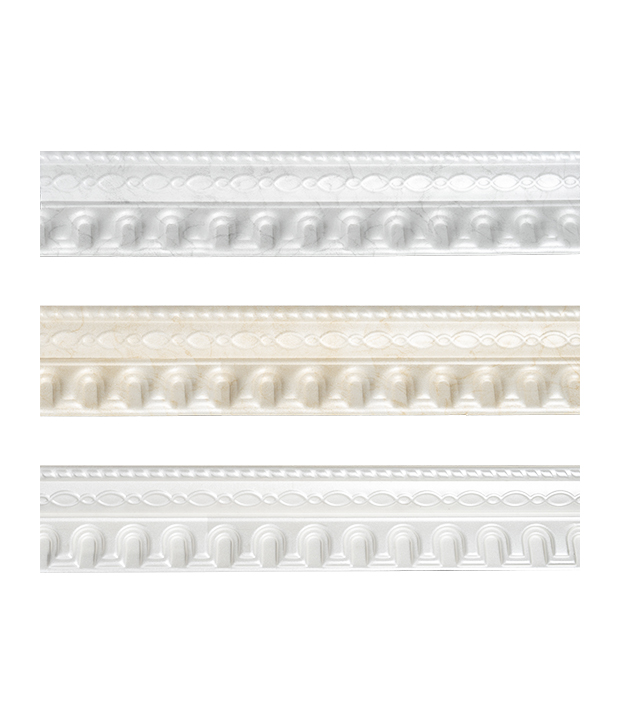 EPS Crown Molding T-06
-
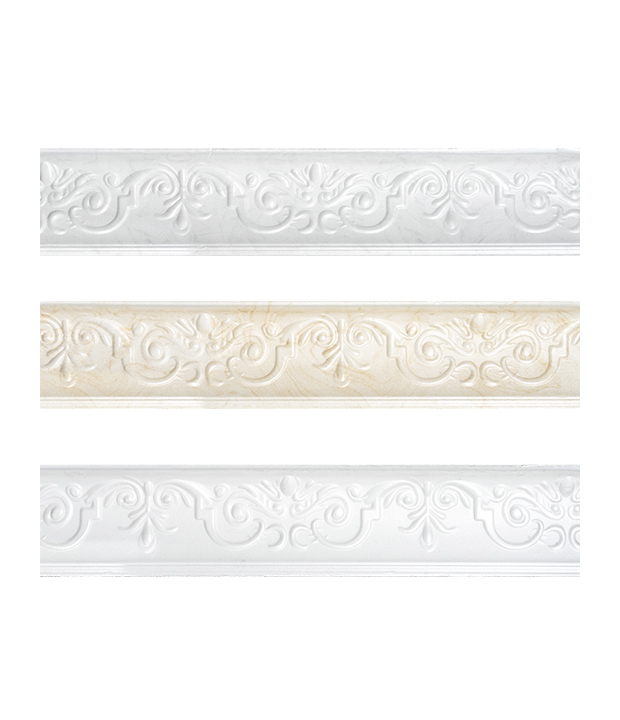 EPS Crown Molding T-04
-
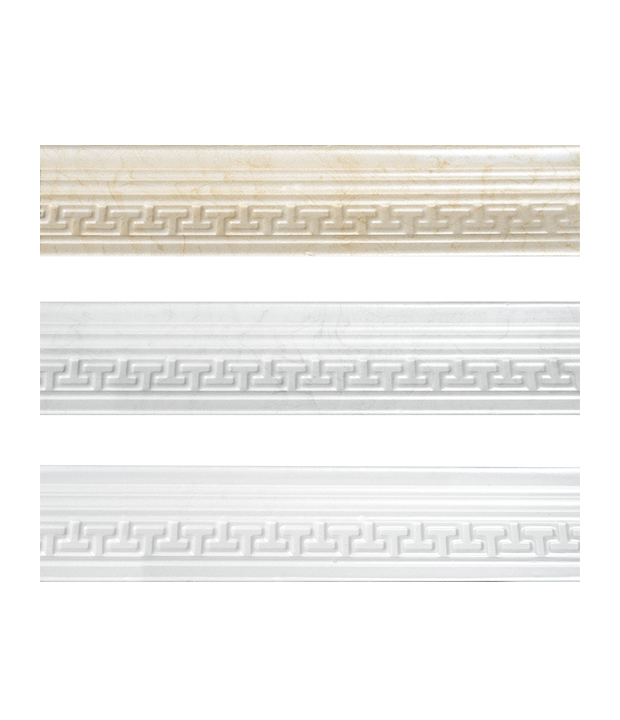 EPS Crown Molding T-02
-
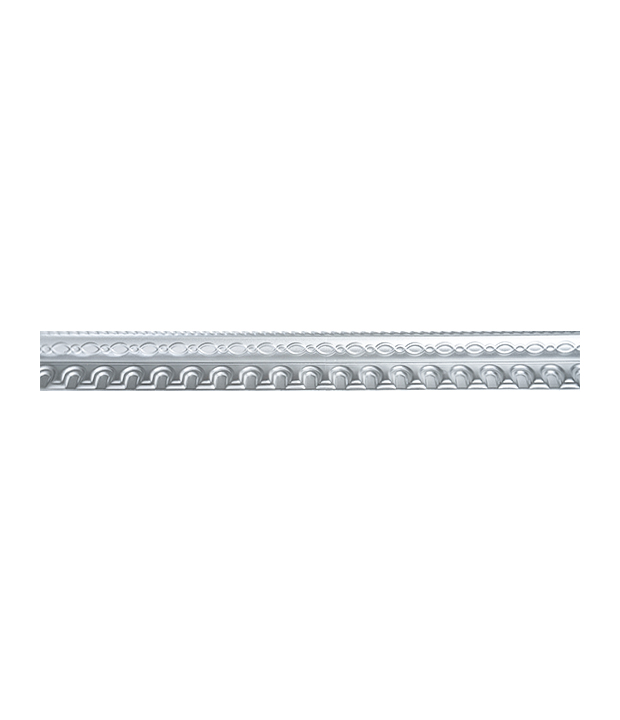 EPS Crown Molding
-
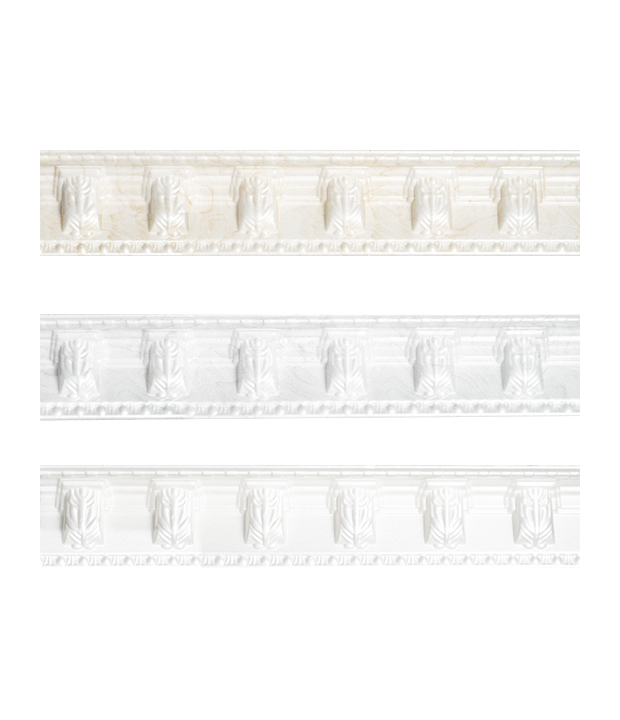 EPS Crown Molding T-18
-
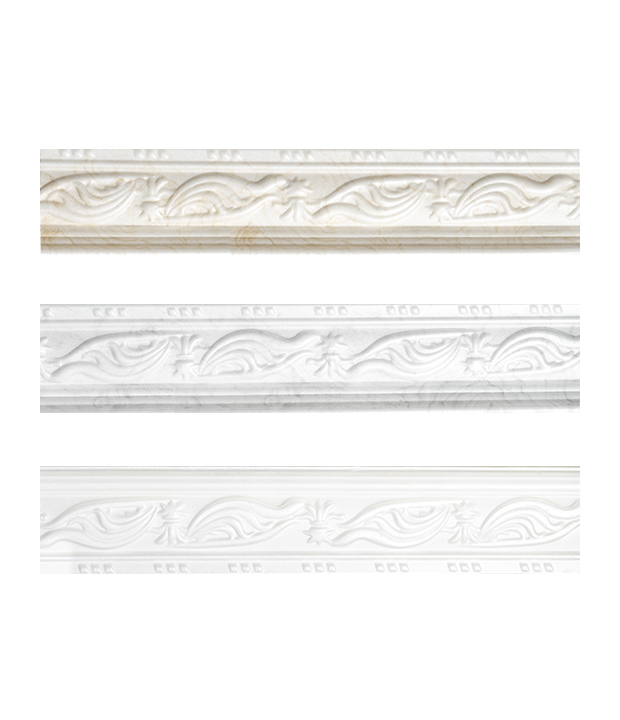 EPS Crown Molding T-20
-
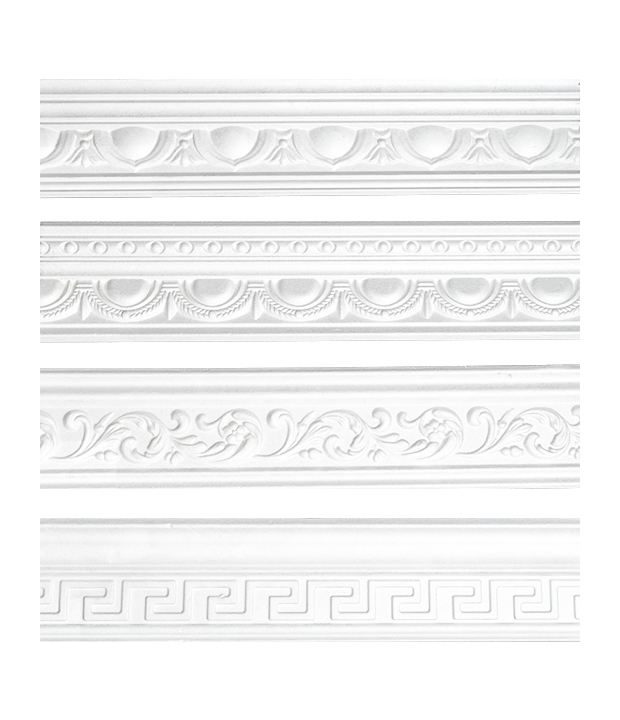 EPS Crown Molding B-06 B-08 B-10 B-12
-
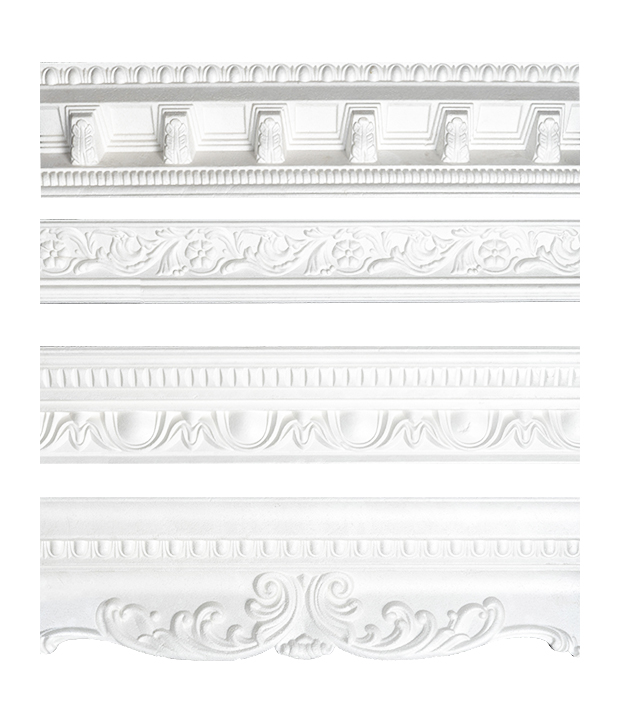 EPS Crown Molding B-22 B-20 B-24 B-18
-
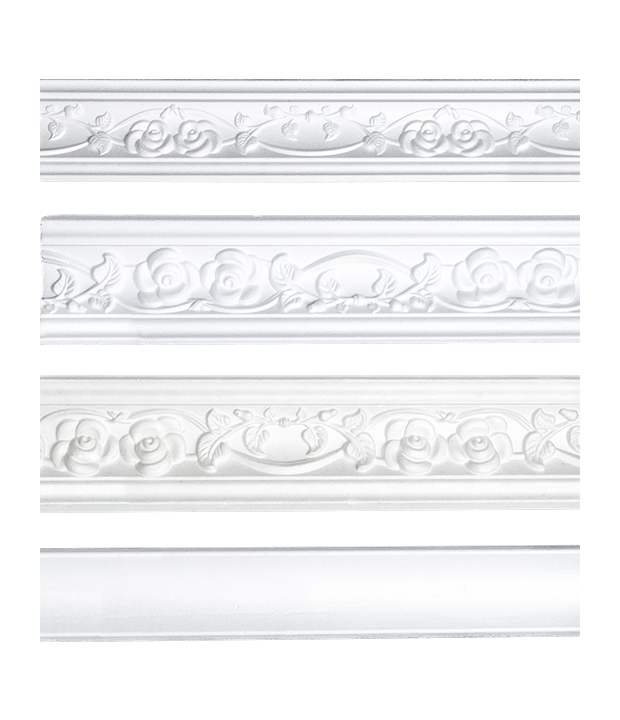 EPS Crown Molding B-26-1 B-26-2 B-26 B-16
-
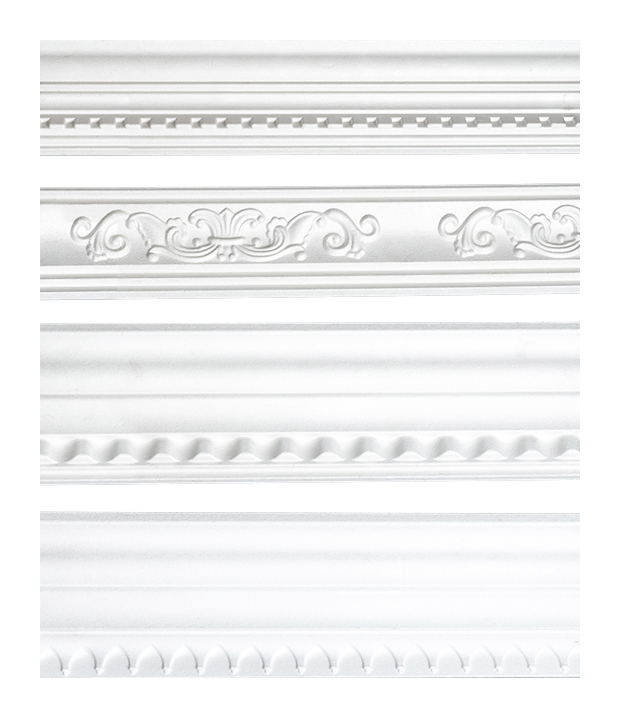 EPS Crown Molding B-30 B-28 B-34 B-32
-
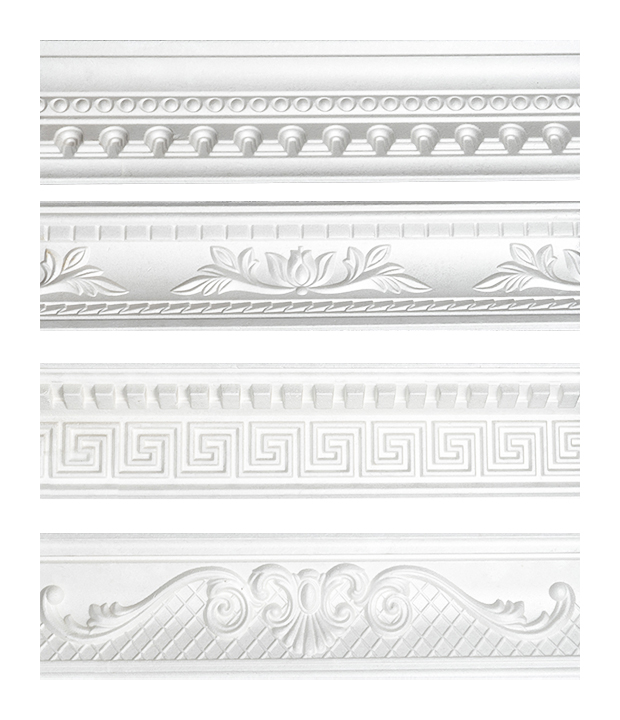 EPS Crown Molding B-42 B-40 B-38 B-36
-
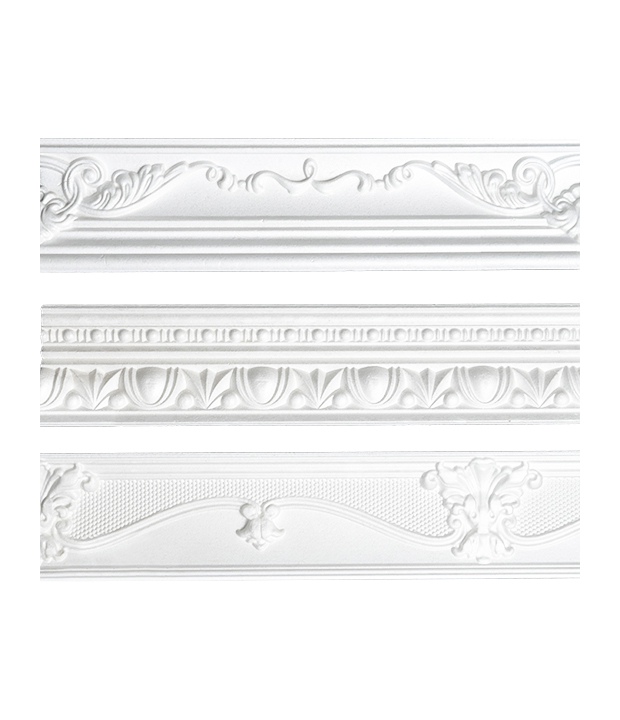 EPS Crown Molding B-60 B-44 B-58
-
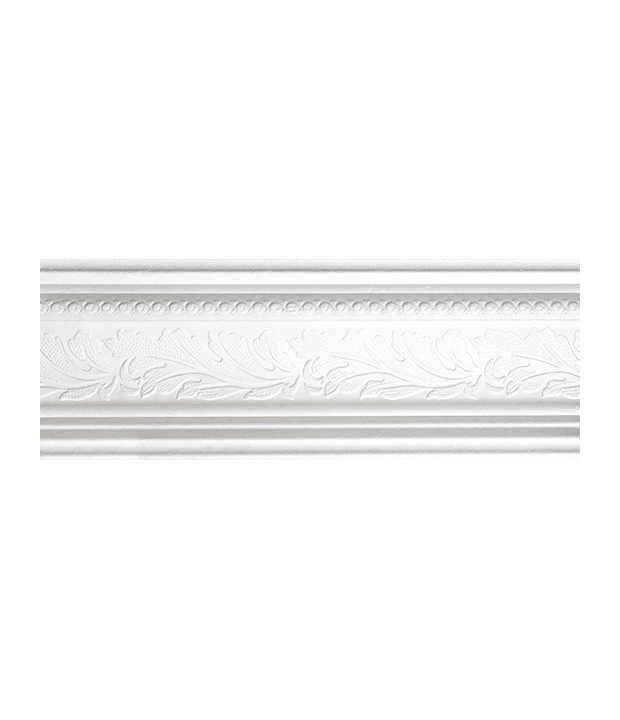 EPS Crown Molding B-56
News
-
-
Introduction What is an EPS Ceiling Medallion? An EPS Ceiling Medallion refers to a decorative ceiling feature made from Expanded Polystyrene (EPS), a type of lightweight foam material. Commonly used ...
READ MORE -
What is a Ceiling Medallion, and How Does it Change the Visual Proportion of Interior Space? In the realm of high-end interior design, the ceiling is no longer an overlooked surface. Often referred to...
READ MORE
Contact info.
- Cell:+86-15951909824 (Amanda)
- Email: amanda@ever-growing.net / 363526407@qq.com
- Add: No.5, Yanhe Rd, Ganduo Indsutrial Park, Gaoyou, Yangzhou, Jiangsu, P.R.O.C.
Quick Links
Copyright © Yangzhou Ever-Growing International Co.,Ltd. All Rights Reserved.
Wholesale Precision Foam Interior Decoration Manufacturers