

 English
 中文简体
中文简体 Español
In the evolution of architectural design, thermal comfort has always been a core metric for measuring quality of life. From open fires to cast-iron radiators and now to radiant heating systems, the un...
READ MORE
Why PU and EPS Ceiling Medallions Are Becoming the "Finishing Touch" of Modern Home Decor?
Feb 05,2026 ------ Industry News
What is a Ceiling Medallion, and How Does it Change the Visual Proportion of Interior Space?
In the realm of high-end interior design, the ceiling is no longer an overlooked surface. Often referred to by elite designers as the "Fifth Wall," this vertical boundary holds the power to define the entire atmosphere of a room. The Ceiling Medallion has emerged as a critical tool for architects and designers to manipulate spatial perception and add architectural depth, effectively bridging the gap between classical grandeur and contemporary structural requirements. By introducing a focal point above, these decorative elements break the monotony of flat, expansive surfaces, drawing the eye upward to appreciate the full volume of the interior. Whether used to ground a massive crystal chandelier or to add subtle texture to a minimalist studio, the medallion serves as a sophisticated instrument of scale, proportion, and historical resonance.
From Classical Architecture to Modern Apartments: The Historical Evolution and Modern Positioning of Medallions
The journey of the ceiling rose began in the grand estates of the 18th century. Originally handcrafted from heavy plaster, these ornaments were designed to protect the ceiling from the soot of oil lamps. Today, the Victorian style architectural molding once reserved for royalty has transitioned into a versatile element for the Modern living room ceiling design.
Space Focal Point: The primary role of a Ceiling Medallion is to serve as a visual anchor. In a large room, a lone chandelier can often look disconnected from the vast expanse of the ceiling. By installing a medallion, you create a dedicated center of gravity that draws the eye upward. This creates a sense of "upward volume," making the room feel more structured and intentional. It transforms the "blank canvas" of a white ceiling into a sophisticated architectural feature that complements both minimalist and maximalist aesthetics.
Functional Concealment: Beyond its beauty, the medallion is a master of disguise. It provides essential functional concealment for:
Installation Gaps and Structural Imperfections: One of the most common challenges in electrical installation is the unsightly gap left by over-sized or roughly cut electrical boxes. Drywall around these junctions often crumbles or looks jagged. A medallion provides a seamless, elegant cover that hides the messy junction where the electrical box meets the drywall, ensuring a professional, polished finish without the need for extensive plaster repair or mudding.
Wiring Clutter and Hardware Obstructions: Sophisticated lighting fixtures often come with complex mounting hardware, heavy-duty brackets, and a multitude of wires that can be difficult to tuck away neatly. A medallion offers a hollowed space to conceal protruding wires and bulky mounting components that would otherwise detract from the sleek elegance of a premium Chandelier Base. This allows the aesthetic focus to remain entirely on the beauty of the light fixture rather than the mechanical necessities holding it up.
Historical Scarring and Surface Defects: During a renovation, removing a decades-old light fixture often reveals a legacy of "ceiling scars," including deep cracks, mismatched paint circles, or old screw holes from previous mounting systems. In older properties, these defects can be difficult to patch and match perfectly. A medallion serves as an immediate architectural "facelift," effectively covering historical scarring and surface damage to provide a clean, flawless transition for your new design.
Deep Evaluation of EPS vs. PU Materials: Which Ceiling Medallion is Better Suited for Your Renovation Project?
Choosing the right material is arguably the most significant technical decision you will make during your ceiling renovation project. While both options are designed to flawlessly mimic the "plaster look" of antique moldings, the ultimate choice between an EPS Ceiling Medallion and a PU Ceiling Medallion requires a careful analysis of several factors.
Material Performance & Cost Comparison Analysis
To help homeowners, interior designers, and professional contractors intuitively understand the nuanced differences between EPS and PU solutions, we have compiled the comprehensive comparison matrix below. This analytical table evaluates both materials across four critical performance dimensions: structural weight for installation safety, detail fidelity for aesthetic authenticity, long-term durability against environmental factors, and overall project economics. By providing this scientific basis for selection, we aim to demystify the material science behind modern moldings, allowing you to choose a decorative element that aligns perfectly with your project's specific architectural requirements, ceiling load capacities, and budgetary constraints.
|
Key Features |
EPS (Polystyrene) |
PU (Polyurethane) |
Buying Tip |
|---|---|---|---|
|
Weight |
Ultra-light |
Light but Dense |
EPS is ideal for easy fixing on high ceilings |
|
Details |
Soft Edges |
High Definition |
Choose PU for a true plaster-like texture |
|
Durability |
Soft, prone to scratches |
Impact Resistant |
PU resists daily wear and aging better |
|
Waterproof |
High |
Excellent (Waterproof) |
Use PU for bathrooms or outdoor porches |
|
Price Range |
Budget-friendly |
Premium |
EPS for bulk projects; PU for luxury homes |
EPS Ceiling Medallion (Polystyrene): An Extremely Cost-Effective Lightweight Choice
The EPS Ceiling Medallion has solidified its reputation as the premier "go-to" solution for budget-conscious homeowners and large-scale developers seeking Affordable polystyrene ceiling ornaments that do not sacrifice significant visual impact. Manufactured from high-density expanded polystyrene, these medallions provide an accessible entry point into architectural customization. Modern advancements in foam molding technology have allowed manufacturers to produce smooth finishes and clean lines that, once painted, are remarkably convincing to the naked eye. This makes EPS an unparalleled choice for projects where the goal is to achieve an expensive-looking aesthetic on a highly disciplined budget, ensuring that elegance is no longer restricted to luxury price points.
PU Ceiling Medallion (Polyurethane): The Gold Standard for High-End Decoration
When the project calls for uncompromising premium quality, the PU Ceiling Medallion is the undisputed leader in the architectural molding industry. Known professionally as a Polyurethane ceiling rose for chandelier, this high-density material offers a superior blend of physical properties, effectively combining the structural durability and hardness of solid wood with the breathtaking ornamental detail typically found only in hand-cast plaster.
High-Definition Simulation Details: The high-pressure injection molding process utilized for PU allows for exquisite simulation details that are sharp and lifelike. Unlike lower-density foams, the liquid polyurethane is forced into precision-engineered metal molds under extreme pressure, ensuring that the material reaches every microscopic crevice of the design. Whether it is the intricate, needle-sharp edges of a Greek key border, the deep recesses of a baroque scroll, or the organic, delicate veins found in a floral leaf carving, PU captures deep-relief textures and three-dimensional shadows that EPS simply cannot replicate. This fidelity makes the medallion virtually indistinguishable from antique hand-carved wood or artisan-poured plaster once a final coat of paint is applied.
Superior Durability and Structural Performance: Unlike traditional gypsum plaster, which is notoriously heavy, brittle, and prone to cracking over time due to building settling, PU is engineered for ultimate resilience. It possesses a high-density molecular structure that is moisture-proof, mildew-proof, and termite-resistant, making it the only viable choice for high-humidity environments such as luxury master bathrooms or outdoor porticos. Furthermore, its crack-resistant and impact-resistant properties mean it will not warp, shrink, or degrade in challenging environments or near high-heat light fixtures. This structural stability ensures that the intricate carvings remain crisp and the seams remain tight for the entire lifecycle of the home.
Most Concerned Questions for Consumers: How to Choose the Right Medallion for Different Decoration Styles?
Style & Specification Guide: Bridging Architectural Heritage and Modern Aesthetics
To facilitate a more systematic and professional approach to interior curation, the following analytical matrix synthesizes the complex relationship between diverse architectural aesthetics and their corresponding medallion specifications. This guide moves beyond mere decoration, offering a curated framework that considers the "vertical bridge"—the visual connection between the "Fifth Wall" and the floor-level furniture. By utilizing these quantified size suggestions and design element recommendations, homeowners and architects can navigate the selection process with greater precision. This data-driven approach ensures that the chosen decorative solution not only enhances the intrinsic beauty of your lighting fixtures but also reinforces the overarching stylistic narrative of the space, creating a cohesive and harmonious visual environment.
|
Design Style |
Recommended Patterns |
Size Guide |
Visual Impact |
|---|---|---|---|
|
Minimalist |
Geometric, Tiers |
1.0x - 1.2x Fixture Width |
Adds layers without clutter |
|
French/Classic |
Acanthus, Floral, Scrolls |
1.2x - 1.5x Fixture Width |
Creates a palatial, antique atmosphere |
|
American Country |
Rope, Wheat, Weave |
1.0x - 1.3x Fixture Width |
Brings a warm, rustic, natural feel |
|
Neo-Chinese |
Fretwork, Lattice |
Based on Ceiling Height |
Blends Eastern charm with modern structure |
Modern Minimalist Style vs. French Retro Style: The Golden Rule of Size and Pattern
Comprehensive Size Selection Formula: A common question among renovators is: "How big should my medallion be to avoid looking out of place?" Achieving the perfect visual balance requires moving beyond guesswork and applying a professional How to install a ceiling medallion guide that utilizes a refined mathematical ratio. If the medallion is too small, it fails to anchor the light fixture; if it is too large, it dominates the room and lowers the perceived height of the ceiling.
The Lighting Ratio (Fixture Correlation): As a general rule of thumb, the diameter of the medallion should be roughly equal to, or slightly larger than, the diameter of the light fixture it accompanies. For a balanced aesthetic, the medallion should ideally extend 2 to 4 inches beyond the widest point of the chandelier or pendant light. If the medallion is smaller than the fixture, it will look like a cramped extension of the mounting canopy rather than a deliberate architectural choice; if it is excessively larger, it risks "swallowing" the fixture and making the lighting appear undersized.
The Volume Calculation (Room Math): Beyond the light fixture itself, the total square footage of the room serves as the ultimate boundary for scale. For a standard 12'x12' room (144 sq. ft.) with typical 8-foot ceilings, a 20-24 inch medallion is typically the "sweet spot" that provides a significant presence without causing visual clutter. For smaller spaces like powder rooms or hallways, look for 12-16 inch options. Conversely, in grand foyers or ballrooms with ceilings exceeding 10 feet, you can safely scale up to 30-40 inch medallions to maintain the correct perspective from the floor looking up.
Installation and Maintenance Guide: Can Ordinary Homeowners Install PU/EPS Medallions Themselves?
The advent of modern polymer materials has effectively revolutionized a craft that once required the painstaking hand of a master plasterer, transforming it into a highly manageable and immensely rewarding weekend project for the contemporary homeowner. By replacing heavy, fragile gypsum with lightweight, resilient alternatives, the barrier to entry for high-end architectural customization has been virtually eliminated. However, while the physical labor has been simplified, the importance of technical precision remains unchanged. Understanding how to install a ceiling medallion correctly—with a focus on proper adhesive selection, mechanical reinforcement, and seamless caulking—is essential for achieving a professional-grade finish that is not only visually stunning but also structurally sound and capable of supporting luxury lighting fixtures for decades.
Zero-Base DIY Installation Steps Full Analysis
Achieving a flawless, gallery-quality installation requires a methodical approach that balances high-strength chemical bonding with precise mechanical support and artisan-level finishing. Whether you are working with an ultra-lightweight EPS model or a grand-scale PU centerpiece, the success of the project hinges on a three-tier technical strategy: selecting the correct "foam-safe" or polyurethane adhesives to ensure material longevity, implementing robust mechanical fixation to guarantee structural safety, and executing a meticulous gap treatment to unify the ornament with the ceiling plane. By following these professional-grade protocols, even a DIY novice can ensure their medallion remains a permanent, vibration-resistant, and aesthetically seamless fixture of their home's architectural narrative.
Advanced Adhesive Method for Lightweight Applications: For the installation of an EPS Ceiling Medallion or standard-sized PU pieces, the use of a high-quality, solvent-free construction adhesive is usually sufficient. It is critical to use "foam-safe" or water-based adhesives specifically designed for polystyrene to prevent chemical erosion of the material. When applying the adhesive, create a continuous, heavy bead approximately one inch from the outer edge and several concentric rings or large "dabs" toward the center. This ensures full surface contact and prevents "sagging" or air pockets that could weaken the bond over time. Once pressed against the ceiling, the adhesive provides immediate suction, though it is recommended to support the piece for a few minutes to ensure a level set.
Secure Mechanical Fixation for Grand Scale Designs: For larger-format or heavier PU Ceiling Medallion designs (typically those exceeding 30 inches in diameter or featuring heavy relief), we strongly recommend a dual-fixation strategy. While the adhesive provides the primary bond, mechanical fasteners offer essential safety and structural insurance. This involves a combination of high-strength polyurethane adhesive and a few strategically placed finishing nails or trim screws. These should be driven directly through the thicker sections of the medallion's pattern into the ceiling joists or sturdy drywall anchors. By pinking these fasteners slightly below the surface, they can be easily concealed with filler during the finishing stage, providing a rock-solid installation that withstands the vibrations of heavy light fixtures or ceiling fans.
Professional Gap Treatment and Seamless Finishing: To achieve a truly professional, "built-in" look that mimics original architectural masonry, the secret lies in the meticulous final finishing stage. Even the most perfect installation will leave a microscopic hairline gap between the medallion’s perimeter and the ceiling surface. Use a high-quality, paintable acrylic caulk to fill this gap, smoothing it with a damp finger or a caulking tool to create a flawless transition. For PU medallions, ensure any fastener holes are filled with non-shrinking spackle and sanded smooth. Finally, painting the medallion in the same finish as your ceiling or crown molding will unify the elements, ensuring the medallion looks like it was part of the home's original structural design rather than an after-market addition.
Environmental Protection and Safety: How is the Material Safety of EPS and PU Medallions?
In today's highly conscious global market, "green" building and sustainable development are no longer merely optional upgrades or niche trends; they have become fundamental requirements for the modern homeowner. Consumers today demand more than just aesthetic appeal; they want absolute certainty that their Decorative Ceiling Plates are safe for their families, free from toxic off-gassing, and manufactured with a genuine commitment to ecological responsibility and circular economy principles.
Indoor Air Quality (IAQ) and Fire Rating Standards
Strict Absence of VOC Emissions: The chemical composition of modern architectural polymers is far more advanced than early synthetic materials. Both high-quality EPS and high-density PU materials are chemically inert and stable once the manufacturing cure cycle is complete. Unlike some pressed-wood products that utilize formaldehyde-based resins, these polymers do not "off-gas" harmful volatile organic compounds (VOCs). This ensures that your Home renovation ideas 2026 contribute to a healthy and breathable Indoor Air Quality (IAQ), meeting the stringent emission standards required for modern LEED-certified or healthy-home environments. This is particularly vital in bedrooms and living areas where families spend the majority of their time.
Advanced Flame Retardancy and Thermal Safety: Because ceiling medallions are installed in direct contact with electrical junctions and high-output lighting systems, thermal safety is non-negotiable. Most professional-grade PU Ceiling Medallion products are treated with integrated flame retardants during the formulation process. This chemical engineering prevents the material from serving as a fuel source in the event of an electrical short. When procuring materials, always look for high-tier fire safety certifications such as the ASTM E84 Class A rating (or equivalent local standards), which measures flame spread and smoke development. Ensuring your medallion meets these rigorous codes provides a critical layer of passive fire protection around your Chandelier Base, granting peace of mind that your home's decorative elements are as safe as they are beautiful.
Long-term Maintenance and Cleaning: Preserving the Eternal Beauty of Ceiling Ornaments
To guarantee that your architectural investment retains its high-definition, crisp detail and pristine factory finish for decades to come, adhering to a structured and proactive maintenance routine is essential. Unlike traditional gypsum or lime plaster—which is notoriously fragile and requires meticulous, ongoing moisture management to prevent crumbling and yellowing—modern polymer medallions offer a significantly lower maintenance burden. By leveraging the inherent chemical stability of EPS and PU, homeowners can enjoy the aesthetic benefits of classical molding without the risk of structural decay or environmental sensitivity, provided they follow a few simple preservation techniques to counter the effects of household dust and environmental buildup.
Routine Dusting and Surface Care
The most common adversary of ceiling medallions is accumulated airborne dust, which can settle into deep-relief carvings over time. For both PU and EPS models, a monthly dusting with a soft, static microfiber duster or a long-reach feather duster is recommended. For particularly intricate designs with deep undercuts, using a can of compressed air (typically used for electronics) can effectively dislodge dust from hard-to-reach crevices without touching the delicate surface.
Deep Cleaning for Kitchens and High-Traffic Areas
In spaces like kitchens, grease and steam can create a sticky film that attracts more grime. Because PU is entirely waterproof and chemically resistant, you can safely use a damp cloth with a mild, non-abrasive detergent solution to wipe the surface. It is crucial to avoid harsh chemical solvents, especially on EPS medallions, as these can dissolve the material. Always follow with a dry, lint-free cloth to prevent water spots from forming on the paint finish.
Periodic Repainting and Structural Checks
While PU is crack-resistant, the building itself may settle over time. During your routine five-year home checkup, inspect the perimeter caulk line for any microscopic separation. Re-caulking these areas takes minutes but preserves the "seamless" architectural look. If you decide to change your room's color scheme, remember that high-density PU can be repainted multiple times without losing its detail, provided you use high-quality architectural paint and avoid thick, globby applications that could fill in the fine textures of the leaves or borders.
Commercial Applications: Elevating Business Spaces with Polymer Medallions
The versatility and technical durability of PU Ceiling Medallions extend far beyond residential interiors, making them a preferred choice for commercial architects and facility managers in the hospitality, retail, and corporate sectors. In commercial design, where branding and customer experience are paramount, decorative ceiling elements serve as powerful tools for establishing atmosphere and communicating luxury on a grand scale.
Hospitality & Fine Dining: Creating a Signature Ambiance
In the competitive world of hospitality, the "first impression" is often dictated by the lobby and dining environments.
Luxury Hotels and Grand Foyers: High-density PU medallions are frequently used in grand foyers and presidential suites to evoke a sense of heritage and exclusivity. Their ability to handle the micro-vibrations from centralized HVAC systems and heavy foot traffic from upper floors without cracking makes them vastly superior to traditional plaster in large-scale properties. Architects often "nest" multiple medallions to create massive 60-inch-plus installations that anchor enormous crystal chandeliers.
Restaurants and Bars: Medallions can be used to anchor statement lighting over communal tables or bar areas, creating intimate "zones" and visual hierarchy within a large open space. Given that PU is moisture-proof and odor-resistant, it remains completely unaffected by the steam, humidity, and cooking aromas prevalent in professional kitchen environments, ensuring the decor doesn't yellow or degrade over time.
Retail & Boutique Showrooms: Reinforcing Brand Identity
For high-end retail, the ceiling serves as a primary canvas to reinforce brand positioning, define interior zoning, and guide the psychological flow of customers through the space. Unlike standard commercial ceilings, the strategic use of medallions creates a "sculpted" environment that elevates the perceived value of the merchandise on display.
Classic Elegance for Heritage Brands: Luxury brands focusing on historical heritage or high-jewelry often utilize Baroque or Neoclassical PU Ceiling Medallions to create an immersive, palatial shopping experience. The deep-relief carvings and ornate details communicate a narrative of timelessness and prestige, effectively justifying premium price points by framing the retail space as a curated gallery rather than a mere shop. When combined with directional spotlighting, these medallions cast sophisticated shadows that add dramatic depth to the store's architectural landscape.
Modern Branding and Minimalist Design Integration: Minimalist, tiered, or geometric medallions provide a sleek, sophisticated backdrop for modern fashion boutiques and tech showrooms. By adding subtle architectural layers without visual clutter, these elements draw the customer's eye upward, emphasizing the volume of the space while simultaneously focusing attention downward toward the key merchandise. The ease of installation offered by PU materials is a game-changer for the retail industry, allowing for rapid store fit-outs and "overnight" brand refreshes. This is critical for meeting tight project timelines and minimizing downtime during seasonal renovations, ensuring the business remains operational and visually competitive in a fast-paced market.
Corporate Offices and Professional Suites
In contemporary corporate environments, the strategic inclusion of high-density architectural molding can transform a sterile, generic office layout into a distinguished professional suite that commands respect and communicates stability. By moving away from the "industrial drop-ceiling" look, companies can create environments that foster high-level decision-making and client confidence.
Executive Boardrooms and Decision Centers: A large, intricate PU Ceiling Medallion positioned centrally above a conference table adds an undeniable layer of authority and permanence to the room. Psychologically, it anchors the space and creates a central point of focus during high-stakes negotiations. Beyond aesthetics, it provides a highly practical engineering solution for concealing complex audiovisual wiring, bulky mounting hardware for high-definition projectors, or recessed lighting systems that would otherwise disrupt the ceiling's clean lines.
Reception Areas and Client Greeting Zones: First impressions are permanent in the business world. Using decorative medallions in entrance halls and waiting areas creates an immediate, welcoming, and high-end atmosphere for clients and prospective partners. This small architectural detail serves as a powerful non-verbal signal of a company's attention to detail, commitment to quality, and financial health, distinguishing the brand from competitors who rely on standard, utilitarian office finishes.
Operational Advantages for Facility Management
From a commercial maintenance, sustainability, and project management perspective, polymer-based medallions offer significant long-term cost-saving benefits and operational efficiencies that traditional materials cannot match. By analyzing the "Total Cost of Ownership" (TCO) rather than just the initial procurement price, facility managers can justify the switch to PU and EPS as a superior financial and logistical strategy for large-scale property portfolios.
Speed of Deployment and Commercial Scaling: In the commercial sector, time is a direct financial metric. A professional installation crew can deploy and finish dozens of PU Ceiling Medallions in a single working day—a task that would require weeks of specialized masonry work, curing time, and sanding if using traditional plaster. This rapid deployment capability is crucial for large-scale hotel renovations, commercial office park developments, and "rapid-refresh" retail projects where minimizing business interruption is the top priority. The "dry installation" nature of polymer products also eliminates the mess and dust associated with wet plaster, allowing adjacent areas of the building to remain operational.
Exceptional Durability in High-Traffic Zones: The inherent impact resistance and structural density of high-performance PU ensure that decorative elements remain in pristine condition even in high-use public areas. Whether it's the micro-vibrations from heavy building machinery, the movement of maintenance equipment, or the natural settling of large commercial structures, PU ornaments will not develop the "stress cracks" or brittle chips that commonly plague traditional masonry or wood moldings. This reduces the need for frequent aesthetic repairs and patch-ups, which are often costly and logistically difficult in busy commercial environments.
Enhanced Long-Term Asset Value and TCO Optimization: The extended lifecycle and extremely low maintenance requirements of polyurethane translate to a significantly lower Total Cost of Ownership (TCO) over the building's lifespan. Because the material is chemically inert—meaning it will not rot, warp, yellow, or attract pests—it remains a "set and forget" architectural asset. For REITs (Real Estate Investment Trusts) and institutional property owners, this stability translates to predictable maintenance budgets and sustained property valuation. By avoiding the recurrent costs of specialized plaster restoration, companies can reallocate their facility budgets toward more critical infrastructure upgrades.
Sustainability and Compliance Integration: Modern polymer medallions align with the growing corporate focus on ESG (Environmental, Social, and Governance) goals. High-quality PU and EPS products are often 100% recyclable at the end of their long lifecycles. Furthermore, their lightweight nature significantly reduces the carbon footprint associated with shipping and logistics. In terms of building compliance, the integrated fire retardancy and VOC-free manufacturing processes help projects achieve credits for green building certifications such as LEED or BREEAM, making them a preferred choice for "future-proof" commercial developments.
Consumer Q&A: Addressing Common Concerns in Ceiling Decoration
To provide a complete resource for homeowners and decorators, we have synthesized the most frequently asked technical and aesthetic questions into this comprehensive FAQ section.
Q1: Can I install a ceiling medallion if my ceiling already has texture (like a "popcorn" or orange peel finish)? A: Yes, but it requires extra preparation. For EPS medallions, the ultra-light weight allows them to bond well with adhesive even on light texture. However, for heavier PU medallions, we strongly recommend sanding down the textured area where the medallion will sit to create a flat, secure bonding surface. Failing to do so may result in uneven gaps or adhesive failure.
Q2: Will the heat from my chandelier affect the medallion over time? A: Modern PU and EPS materials are engineered to be heat-stable at typical lighting temperatures. However, for high-wattage incandescent fixtures, ensure there is at least a 1/2-inch air gap or a heat shield between the bulb and the medallion surface. With LED lighting, which generates minimal heat, there is virtually zero risk of material degradation or warping.
Q3: Is it possible to paint these medallions a different color from the ceiling? A: Absolutely. While matching the ceiling color creates a traditional architectural look, painting the medallion in a contrasting metallic finish (like brushed gold or bronze) can make it a stunning focal point. This is a popular technique in "Neo-Classical" and "Hollywood Regency" styles to highlight the intricate carved details of a high-quality PU piece.
Q4: Are these medallions suitable for outdoor use, such as under a covered porch? A: PU medallions are excellent for outdoor applications as they are essentially waterproof and resistant to humidity-driven rot. EPS is also water-resistant but more susceptible to physical damage from high winds or pests. For any outdoor installation, ensure you use exterior-grade adhesive and 100% acrylic exterior paint to protect against UV exposure and temperature fluctuations.
References
To support the professional analysis provided above, the following list includes academic and industry references covering building materials, commercial facility management, and interior design psychology:
Architectural Materials & Polymer Technology:
Maldonado, J. & Stevens, R. (2022). "High-Density Polyurethane in Modern Construction: A Comparative Study on Thermal Stability and Durability." Journal of Advanced Architectural Materials.
Smith, T. L. "The Science of Synthetic Moldings: From Expanded Polystyrene to Structural Polyurethane." Construction Engineering & Management Review (2023).
ASTM International. "Standard Test Method for Surface Burning Characteristics of Building Materials." ASTM E84-23 Standards.
Interior Design & Spatial Proportions:
Miller, A. (2021). "The Fifth Wall: Redefining Vertical Boundaries in High-End Residential Design." International Interior Design Association (IIDA) Research Paper.
Henderson, P. "Historical Evolution of the Ceiling Rose: From Plaster to Polymers." Architectural Heritage Quarterly (2020).
Zhang, L. & Wang, Y. "The Psychological Impact of Architectural Focal Points in Commercial Interiors." Journal of Spatial Design Theory.
Commercial Facility Management & Economics:
International Facility Management Association (IFMA). "Total Cost of Ownership (TCO) in Commercial Real Estate: Long-term Maintenance vs. Initial Procurement." Industry White Paper (2023).
U.S. Green Building Council (USGBC). "LEED v4.1 for Building Design and Construction: Materials and Resources Credit Guidelines."
Business Research Group (BRG). "Operational Efficiencies in Rapid Retail Fit-outs: The Role of Pre-fabricated Decorative Elements." Project Management Case Studies.
Environmental Safety & Compliance:
Greenguard Environmental Institute. "VOC Emission Standards for Interior Finishing Materials." Certification Protocol 2024.
National Fire Protection Association (NFPA). "Life Safety Code: Interior Finish Requirements for Commercial Hospitality Environments." NFPA 101-2024.
our featured products.
Discover the timeless beauty and craftsmanship of Evergrowing through our featured products.
-
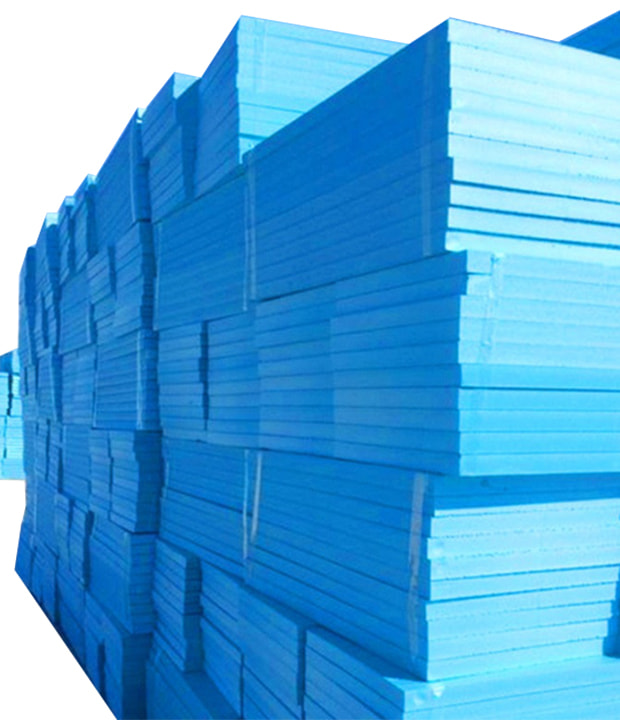 XPS underfloor heating panel
-
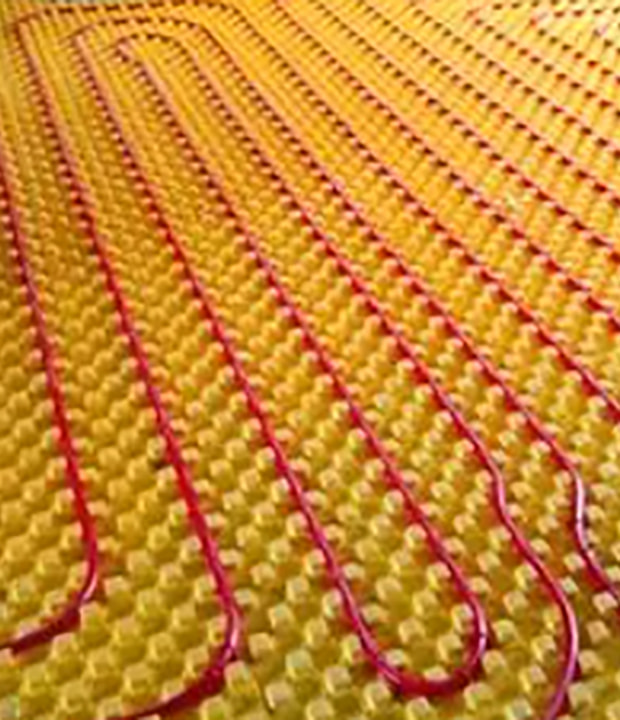 EPS underfloor heating panel
-
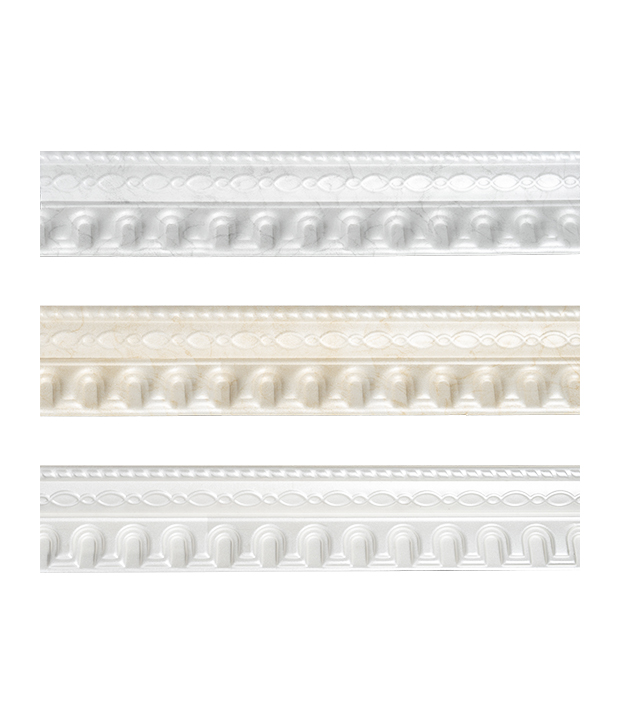 EPS Crown Molding T-06
-
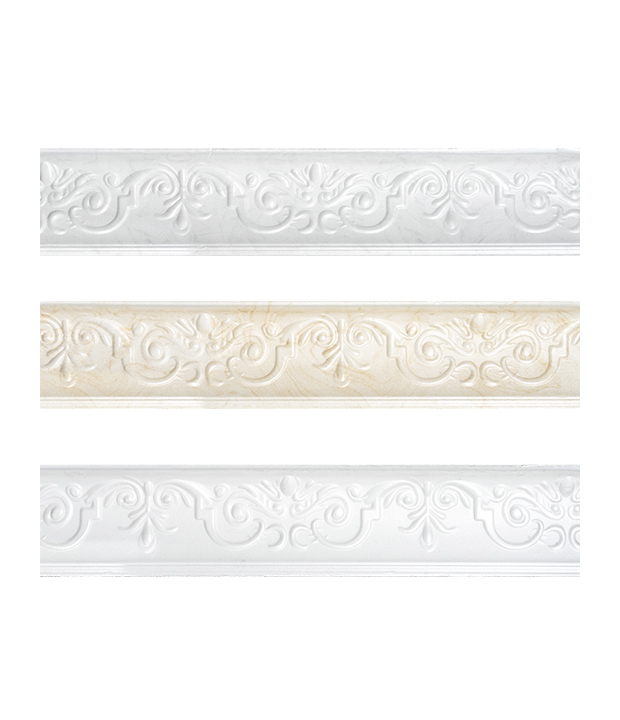 EPS Crown Molding T-04
-
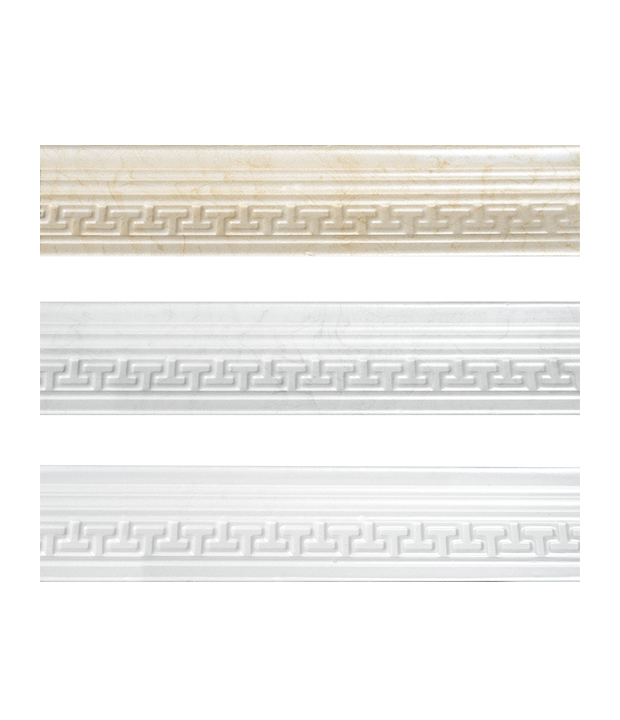 EPS Crown Molding T-02
-
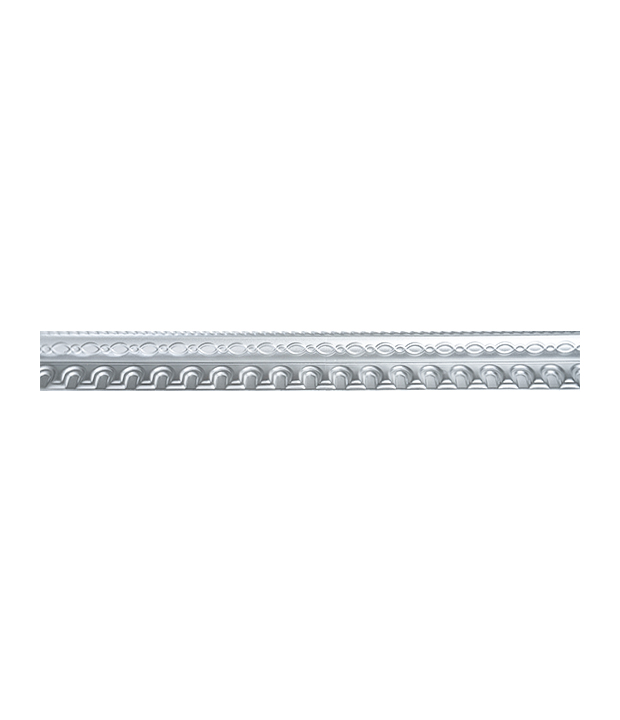 EPS Crown Molding
-
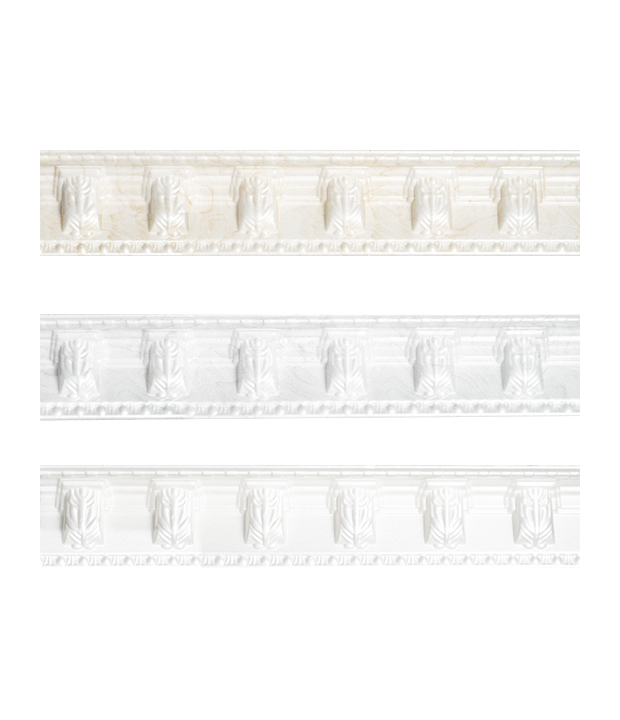 EPS Crown Molding T-18
-
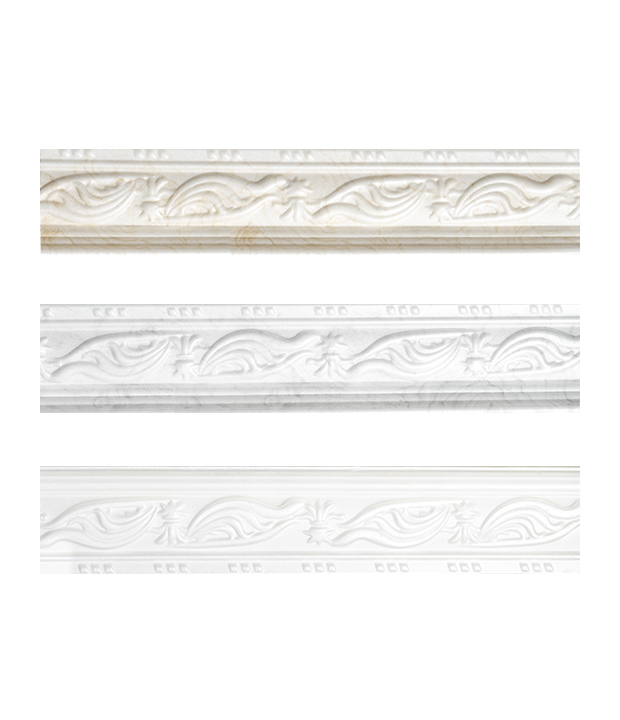 EPS Crown Molding T-20
-
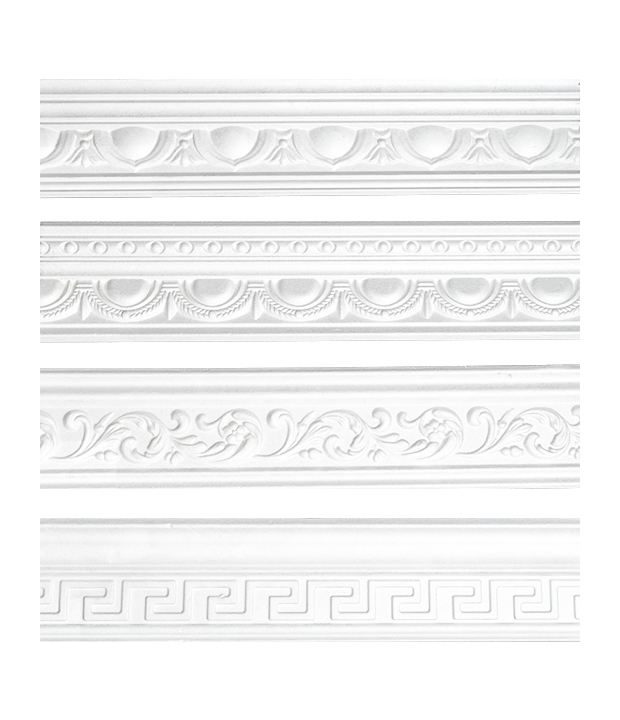 EPS Crown Molding B-06 B-08 B-10 B-12
-
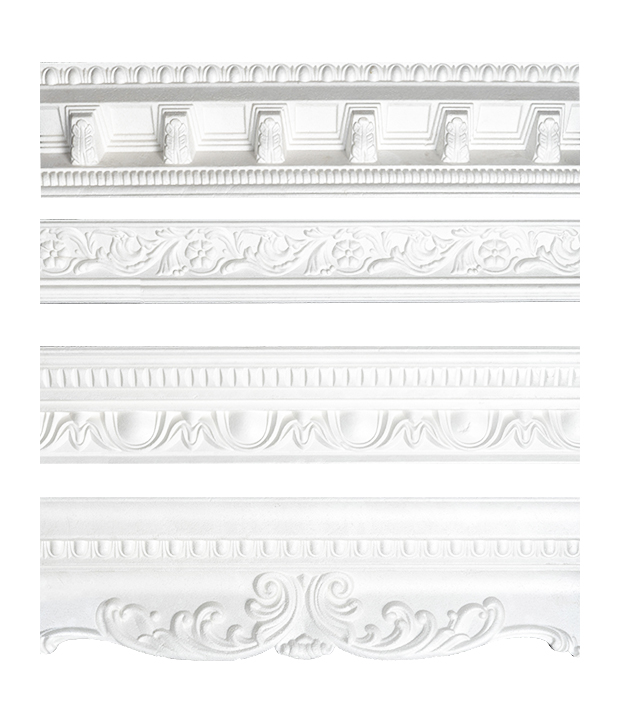 EPS Crown Molding B-22 B-20 B-24 B-18
-
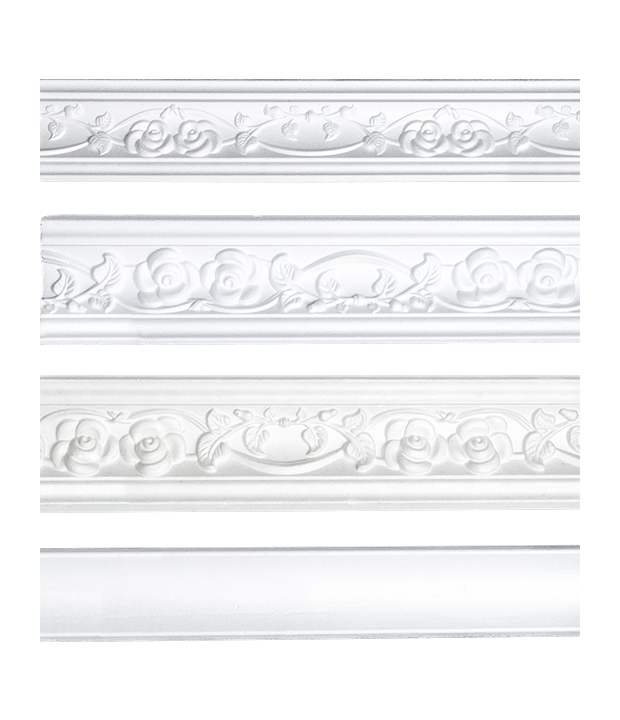 EPS Crown Molding B-26-1 B-26-2 B-26 B-16
-
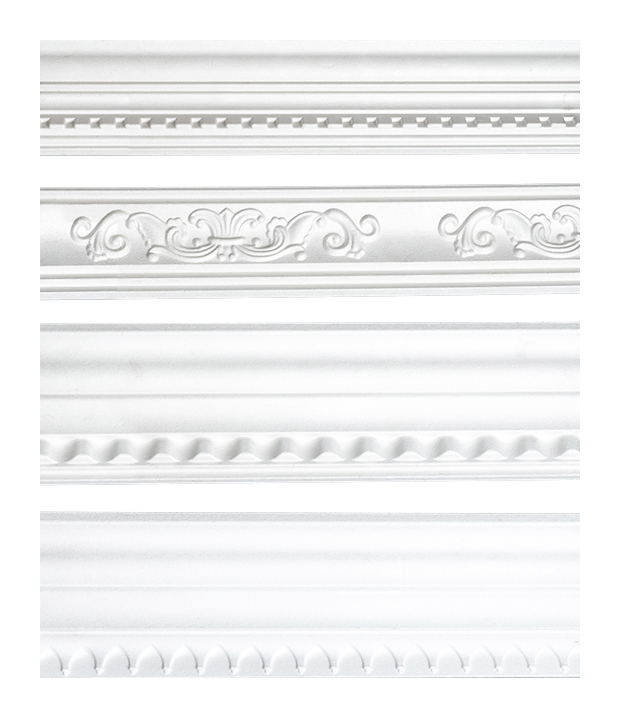 EPS Crown Molding B-30 B-28 B-34 B-32
-
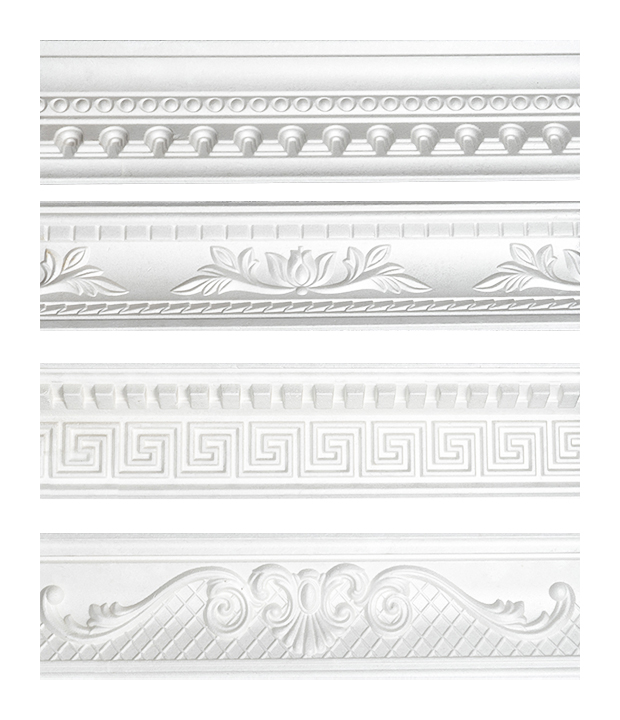 EPS Crown Molding B-42 B-40 B-38 B-36
-
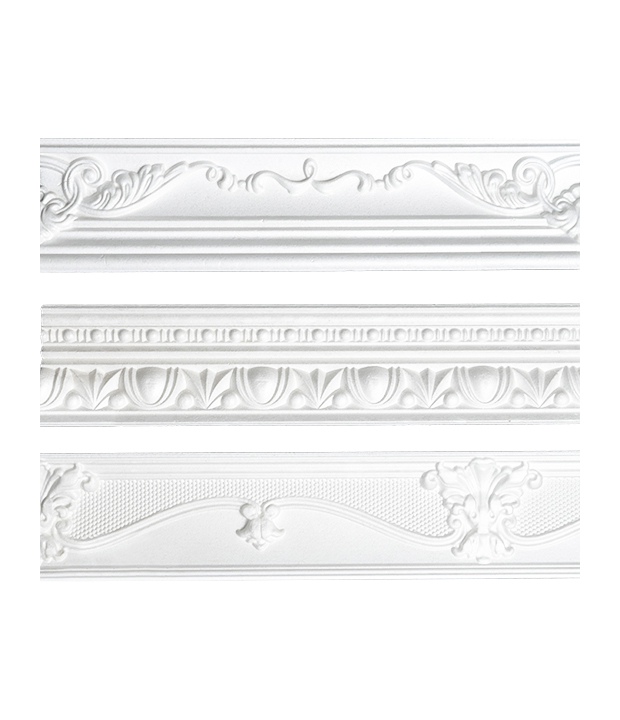 EPS Crown Molding B-60 B-44 B-58
-
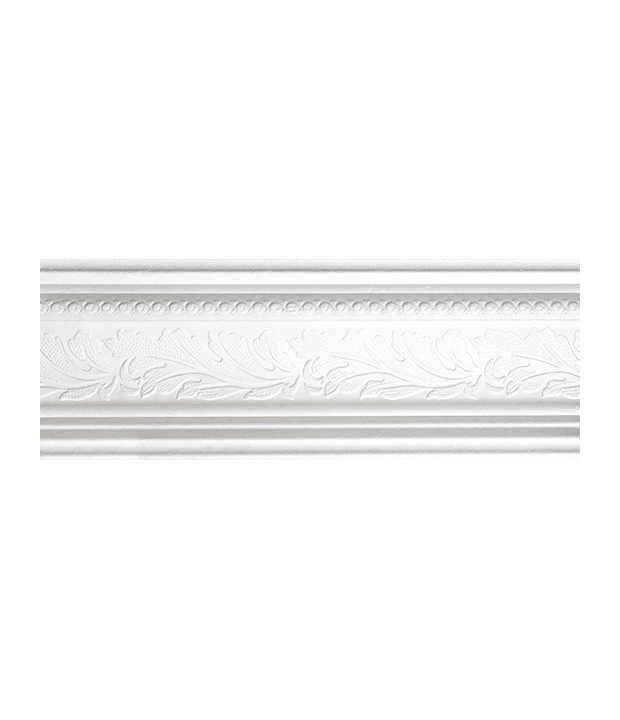 EPS Crown Molding B-56
News
-
-
Introduction What is an EPS Ceiling Medallion? An EPS Ceiling Medallion refers to a decorative ceiling feature made from Expanded Polystyrene (EPS), a type of lightweight foam material. Commonly used ...
READ MORE -
What is a Ceiling Medallion, and How Does it Change the Visual Proportion of Interior Space? In the realm of high-end interior design, the ceiling is no longer an overlooked surface. Often referred to...
READ MORE
Contact info.
- Cell:+86-15951909824 (Amanda)
- Email: amanda@ever-growing.net / 363526407@qq.com
- Add: No.5, Yanhe Rd, Ganduo Indsutrial Park, Gaoyou, Yangzhou, Jiangsu, P.R.O.C.
Quick Links
Copyright © Yangzhou Ever-Growing International Co.,Ltd. All Rights Reserved.
Wholesale Precision Foam Interior Decoration Manufacturers