Can an EPS Float Ball Still Be Used After Being Subjected to Pressure or Partial Damage?
Understanding the Structural Characteristics of EPS Float Balls
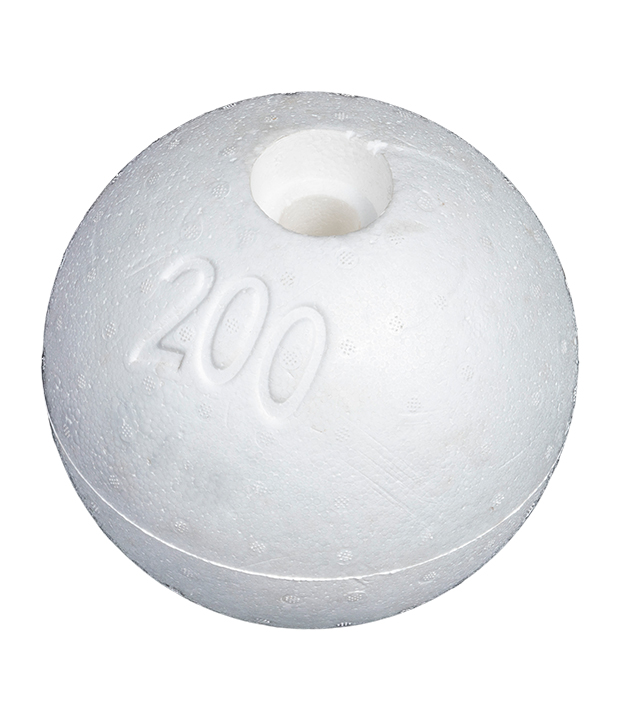
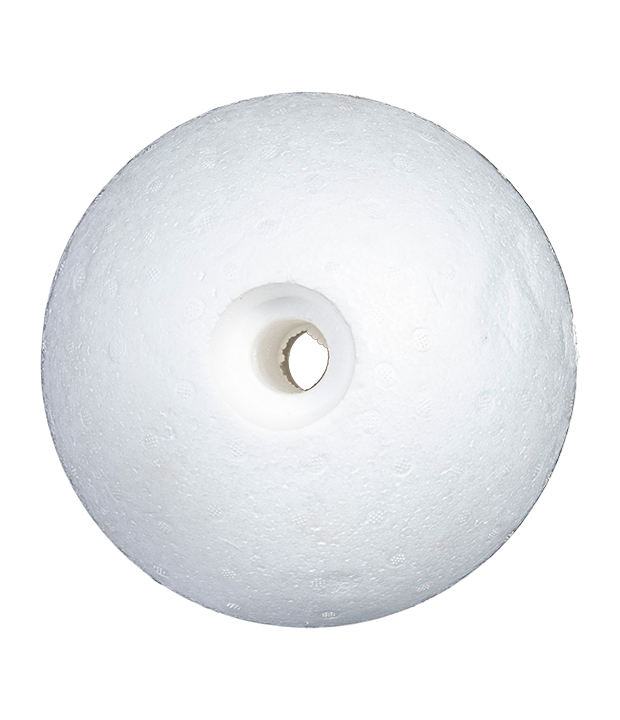
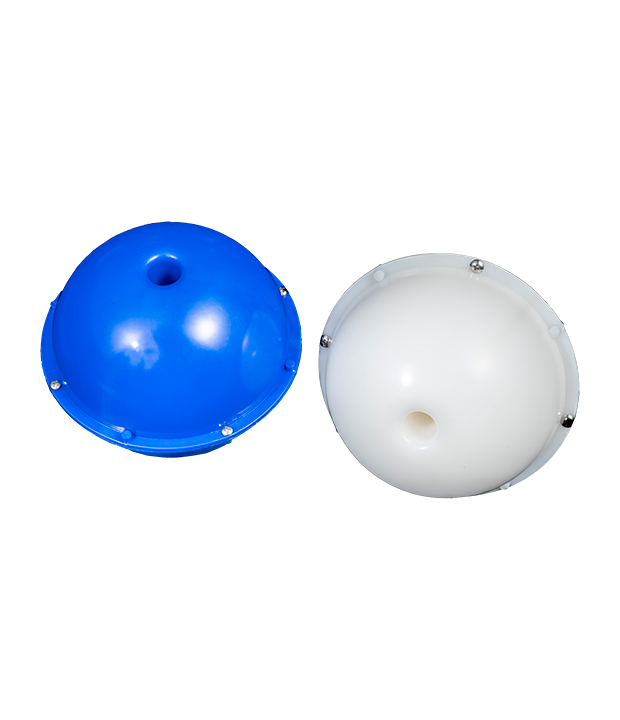
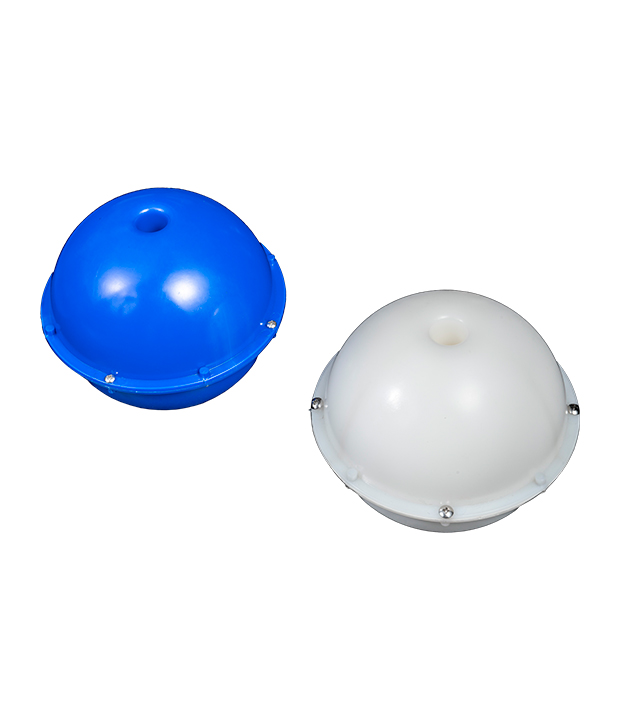
Expanded polystyrene float balls are manufactured through the expansion and fusion of polystyrene beads, forming a closed-cell internal structure filled with air. This structure is the foundation of buoyancy and compressive behavior. EPS float balls produced by experienced manufacturers such as Yangzhou Ever-Growing International Co., Ltd. are typically designed with controlled density and bead fusion to achieve stable flotation performance while maintaining manageable weight. However, the same cellular structure that provides buoyancy also means that EPS responds in specific ways when subjected to pressure or external force.
How Compressive Forces Affect Buoyancy Performance
When an EPS float ball is subjected to compressive pressure, the air-filled cells inside the material may partially deform. If the applied pressure remains within the elastic range of the foam, the structure can recover after unloading, and buoyancy performance may remain largely unchanged. In contrast, excessive or prolonged pressure can cause permanent deformation, reducing internal air volume and altering the float ball’s ability to displace water effectively. The degree of impact depends on factors such as density, bead fusion quality, and duration of the applied load.
Evaluating Partial Surface Damage and Its Implications
Partial damage, such as surface cracks, dents, or localized abrasion, does not automatically mean an EPS float ball must be discarded. Minor surface damage that does not penetrate deeply into the foam core often has limited effect on overall buoyancy. However, if damage exposes internal cells to water ingress, the float ball may gradually absorb moisture, leading to increased weight and reduced flotation efficiency over time. Careful inspection is therefore essential before continued use.
Pressure Deformation Versus Structural Fracture
There is a critical distinction between pressure-induced deformation and structural fracture. Deformation typically occurs when EPS is compressed beyond its recovery threshold but remains intact as a single body. Structural fracture, on the other hand, involves cracking or splitting that disrupts load distribution. Deformed float balls may still function in low-load or static conditions, whereas fractured units often experience uneven buoyancy and reduced service reliability.
Impact of Density on Damage Tolerance
EPS float balls are produced in a range of densities to suit different applications. Higher-density EPS generally offers better resistance to compressive loads and localized impacts, making it more tolerant of pressure and partial damage. Lower-density EPS prioritizes buoyancy efficiency and weight reduction but may show visible deformation sooner under the same conditions. Manufacturers with mature production control systems can adjust density to align with application requirements such as aquaculture, marine barriers, or floating platforms.
| EPS Density Range |
Typical Pressure Resistance |
Damage Tolerance Level |
Common Applications |
| Low Density |
Limited |
Lower |
Lightweight floats, temporary installations |
| Medium Density |
Moderate |
Balanced |
Aquaculture floats, general marine use |
| High Density |
Higher |
Stronger |
Floating platforms, long-term installations |
Assessing Continued Usability After Compression
To determine whether an EPS float ball can still be used after being subjected to pressure, practical assessment methods are often applied. Visual inspection helps identify cracks, deep indentations, or signs of bead separation. Manual compression tests can indicate whether the foam rebounds or remains permanently deformed. In water-based applications, flotation testing under controlled conditions provides direct insight into remaining buoyancy capacity.
Influence of Environmental Exposure After Damage
Environmental conditions play a significant role in post-damage performance. Exposure to ultraviolet radiation, temperature variation, and water immersion can accelerate degradation, especially if the EPS surface has already been compromised. In marine or freshwater environments, damaged areas may become entry points for algae growth or sediment accumulation, gradually increasing weight and reducing effective flotation.
Repair and Mitigation Options
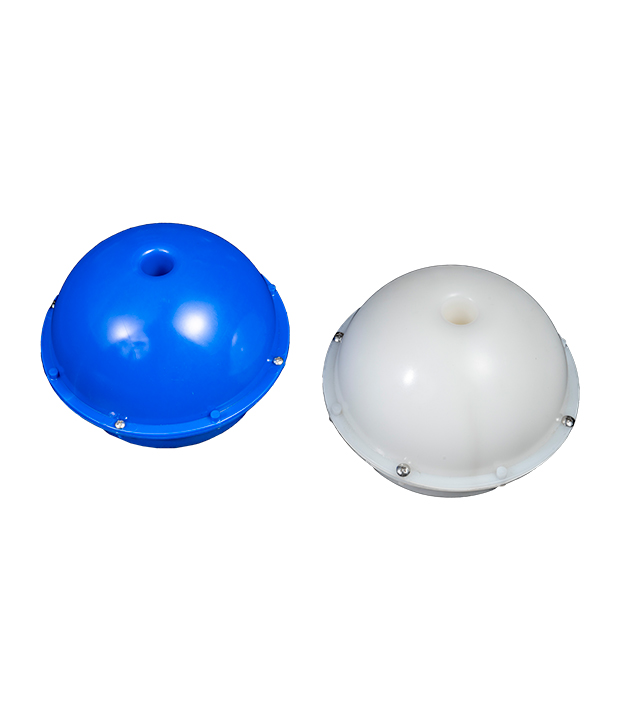
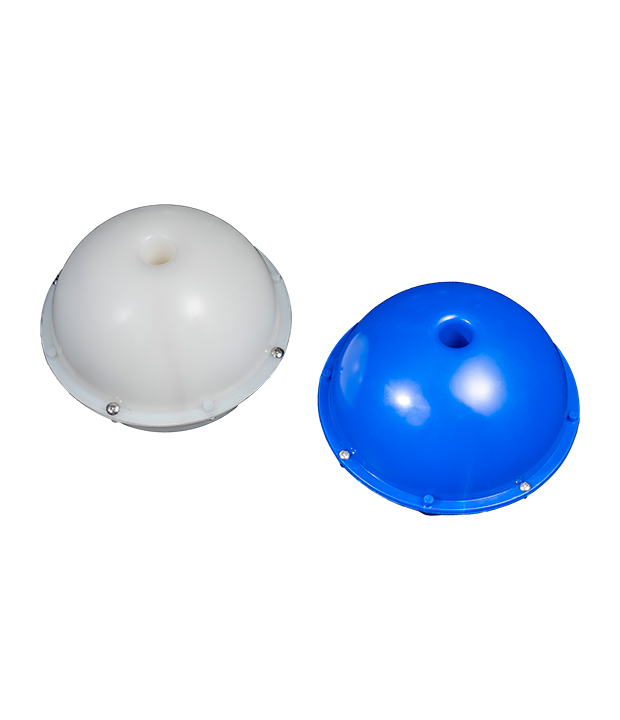
In some cases, minor surface damage can be mitigated through protective coatings or external encapsulation, such as plastic shells or netting. These measures do not restore original structural properties but can slow further degradation and extend usable life. Such approaches are more common in non-critical applications where precise buoyancy control is not required.
Application-Specific Risk Considerations
The decision to continue using a compressed or partially damaged EPS float ball depends heavily on application risk tolerance. For static installations with redundancy, slightly reduced buoyancy may be acceptable. In contrast, safety-critical or load-bearing floating systems require stricter standards, and damaged components are often replaced to maintain predictable performance.
| Application Type |
Acceptable Damage Level |
Recommended Action |
| Temporary Floating Markers |
Minor surface deformation |
Continued use with monitoring |
| Aquaculture Systems |
Limited compression |
Inspect regularly, replace if water absorption increases |
| Structural Floating Platforms |
Very low tolerance |
Replace damaged float balls |
Manufacturing Quality and Long-Term Reliability
Manufacturing quality directly influences how EPS float balls respond to pressure and damage. Controlled molding conditions, uniform bead expansion, and stable density distribution contribute to consistent mechanical behavior. Companies like Yangzhou Ever-Growing International Co., Ltd., with established production bases and experienced technical teams, focus on these parameters to ensure predictable performance across batches and applications.
Decision-Making Based on Performance Degradation
Ultimately, whether an EPS float ball can still be used after pressure exposure or partial damage is not a simple yes-or-no decision. It requires evaluating the extent of deformation, changes in buoyancy, environmental exposure, and application requirements. By combining inspection, testing, and an understanding of EPS material behavior, users can make informed choices that balance safety, functionality, and operational cost.
FAQ
Q: How does EPS density influence the load-bearing capacity of a float ball?
A: The density of an EPS float ball directly affects its ability to withstand external loads. Higher-density EPS contains more material per unit volume, which improves resistance to compression and deformation under long-term use. Manufacturers like Yangzhou Ever-Growing International Co., Ltd. can adjust density during production to match specific application requirements such as aquaculture systems or floating barriers.
Q: Can EPS float balls maintain buoyancy after long-term water immersion?
A: EPS float balls are designed with a closed-cell structure that limits water absorption. Under normal conditions, long-term immersion does not significantly affect buoyancy. However, surface damage or prolonged exposure to harsh environments may allow gradual moisture ingress, which should be monitored during use.
Q: Are EPS float balls suitable for outdoor and marine environments?
A: EPS float balls are commonly used in outdoor and marine settings due to their stable flotation performance and resistance to rot. Environmental factors such as UV exposure and temperature variation can influence service life, so material formulation and optional surface protection are often considered during manufacturing.
Q: What factors determine the service life of an EPS float ball?
A: Service life depends on EPS density, molding quality, environmental exposure, and mechanical stress during use. Float balls produced in controlled manufacturing environments with consistent bead fusion tend to show more predictable performance over time.
Q: How do EPS float balls perform under repeated compression or impact?
A: EPS float balls can recover from moderate, short-term compression due to the elastic behavior of the foam structure. Repeated or excessive impacts may lead to permanent deformation, which can reduce effective buoyancy depending on severity and application conditions.
Q: Can EPS float balls be customized for different applications?
A: Yes, EPS float balls can be customized in size, density, and shape to suit specific uses. With a large-scale production base and experienced technical team, Yangzhou Ever-Growing International Co., Ltd. supports tailored solutions for various industrial and marine applications.
Q: What should be checked before reusing an EPS float ball?
A: Before reuse, it is advisable to inspect the surface for cracks, dents, or signs of water absorption. Simple flotation testing can help determine whether the float ball still meets performance requirements for its intended application.



 English
 中文简体
中文简体 Español