

 English
 中文简体
中文简体 Español
In the evolution of architectural design, thermal comfort has always been a core metric for measuring quality of life. From open fires to cast-iron radiators and now to radiant heating systems, the un...
READ MORE
Do foam moldings maintain stable cushioning performance at different temperatures?
Feb 26,2026 ------ Industry News
Understanding the Structure of Foam Moldings and Their Cushioning Mechanism
Foam moldings are widely used in packaging, automotive components, sports equipment, furniture, and protective gear due to their lightweight structure and energy absorption characteristics. The cushioning performance of foam materials is primarily determined by their cellular structure, density, polymer composition, and crosslinking degree. These materials typically consist of either open-cell or closed-cell structures, where trapped gas pockets contribute to compressibility and shock absorption. When external force is applied, the cell walls deform, absorbing and redistributing energy throughout the material. The ability of foam moldings to maintain stable cushioning performance across different temperatures depends on how these internal structures respond to thermal variation.
The Influence of Polymer Composition on Temperature Stability
Foam moldings are commonly produced from materials such as polyethylene, polyurethane, polypropylene, and ethylene-vinyl acetate. Each polymer has its own glass transition temperature and thermal softening range, which influence flexibility and mechanical response. At lower temperatures, some polymers become stiffer as molecular mobility decreases, potentially reducing cushioning elasticity. At higher temperatures, increased chain mobility may lead to softer behavior and reduced structural resistance under load. The chemical composition and molecular architecture determine how sensitive the foam is to temperature change. Materials designed for wide service ranges are formulated to balance rigidity and flexibility across expected operating conditions.
Low-Temperature Performance and Structural Rigidity
In cold environments, foam moldings may experience increased stiffness due to reduced molecular movement within the polymer matrix. This can influence compression set, rebound rate, and impact absorption characteristics. Closed-cell foams tend to retain their structural shape more effectively in low temperatures because the enclosed gas pockets provide internal support. However, if the temperature approaches or falls below the polymer’s glass transition point, the material may exhibit brittle behavior. Manufacturers often test foam products in controlled low-temperature chambers to assess resilience and dimensional stability. The extent of performance variation depends on the formulation and intended application range.
High-Temperature Behavior and Softening Effects
At elevated temperatures, foam moldings may soften as polymer chains gain mobility. This can result in increased compression under sustained load and a slower recovery rate after deformation. In cushioning applications, excessive softening may reduce load-bearing capability and alter shock absorption consistency. The presence of stabilizers and crosslinking agents can help improve thermal resistance. For applications exposed to prolonged heat, such as automotive interiors or industrial equipment enclosures, foam formulations are adjusted to maintain mechanical integrity without significant dimensional distortion. Controlled laboratory testing simulates high-temperature environments to evaluate long-term compression performance.
Comparison of Cushioning Characteristics Across Temperature Ranges
The cushioning stability of foam moldings can be compared across different thermal conditions using standardized compression and rebound tests. The following table illustrates general trends observed in common polymer-based foams under varying temperatures.
| Temperature Range | Material Response | Cushioning Impact |
| Low Temperature | Increased stiffness and reduced flexibility | Higher resistance to compression, slower rebound |
| Moderate Temperature | Balanced elasticity and structural support | Stable energy absorption and recovery |
| High Temperature | Softening and increased molecular mobility | Greater compression under load, potential reduction in support |
Role of Density and Cell Structure in Thermal Adaptability
Foam density plays a critical role in determining how cushioning performance changes with temperature. Higher-density foams generally exhibit greater resistance to deformation and may show less variation in compression characteristics across moderate temperature shifts. The cell structure also contributes to performance stability. Closed-cell foams can provide more consistent cushioning in humid or fluctuating environments because the enclosed gas structure limits moisture absorption and maintains internal pressure balance. Open-cell foams may allow air exchange, which can influence flexibility at extreme temperatures. The interplay between density and cell geometry determines how evenly stress is distributed during compression.
Impact of Repeated Thermal Cycling
In many real-world applications, foam moldings are exposed not only to constant temperatures but also to repeated thermal cycling. Daily transitions between warm and cold conditions can influence long-term durability. Thermal expansion and contraction may gradually alter cell wall structure, especially if the foam is under mechanical load. Over time, repeated cycles can affect compression set and recovery performance. Materials formulated with stabilizing additives and controlled crosslink density are more capable of maintaining dimensional stability through such fluctuations. Long-term testing under cyclic temperature conditions helps manufacturers assess the durability of cushioning performance.
Moisture Interaction and Temperature Effects
Temperature variations often coincide with humidity changes, which can influence foam behavior. Some foam materials absorb limited moisture, which may alter flexibility and weight. At lower temperatures, absorbed moisture can stiffen the material further, while at higher temperatures it may slightly plasticize the polymer matrix. Closed-cell foams are less affected by moisture intrusion due to their sealed structure. In applications such as outdoor packaging or protective insulation, moisture resistance becomes part of the overall temperature performance evaluation. The combined influence of humidity and temperature must be considered when assessing cushioning stability.
Application-Specific Performance Requirements
The required stability of cushioning performance depends heavily on the intended use. In protective packaging for electronics, moderate temperature ranges may be expected during transportation, requiring predictable shock absorption. In automotive or aerospace contexts, foam moldings may encounter broader temperature extremes and must retain structural consistency. Sports equipment and footwear components may also experience variable environmental conditions, including direct sunlight exposure and cold storage. Manufacturers tailor foam formulations to match the anticipated temperature profile of each application, balancing softness, resilience, and durability.
Testing Standards and Evaluation Methods
To determine whether foam moldings maintain stable cushioning performance across temperature variations, standardized mechanical tests are conducted under controlled laboratory conditions. Compression set measurements, rebound resilience tests, and dynamic impact assessments are often performed at different temperature intervals. Environmental chambers allow precise simulation of cold and heat exposure. The results provide data on load retention, permanent deformation, and energy absorption efficiency. Consistent methodology ensures that comparisons between formulations remain reliable. These evaluations guide product development and material selection for temperature-sensitive applications.
Design Strategies to Enhance Thermal Stability
Material engineers employ several strategies to improve cushioning stability across temperature ranges. Adjusting polymer blend ratios, incorporating elastomeric modifiers, and optimizing crosslink density can influence thermal response. Additives such as antioxidants and thermal stabilizers help maintain structural integrity during prolonged exposure to heat. Selecting carrier resins with suitable glass transition characteristics ensures that flexibility does not shift abruptly within the expected service temperature range. Through careful formulation control, foam moldings can achieve balanced mechanical behavior that remains predictable across varying environmental conditions.
Long-Term Performance Considerations
Even when foam moldings demonstrate stable cushioning performance in short-term temperature tests, long-term exposure may gradually influence mechanical properties. Aging, oxidation, and environmental stress can alter polymer chain structure over extended periods. Temperature extremes may accelerate such processes. Therefore, durability assessment often includes accelerated aging simulations combined with temperature variation analysis. By examining mechanical retention after prolonged exposure, manufacturers can determine whether cushioning behavior remains within acceptable functional parameters throughout the product lifecycle.
our featured products.
Discover the timeless beauty and craftsmanship of Evergrowing through our featured products.
-
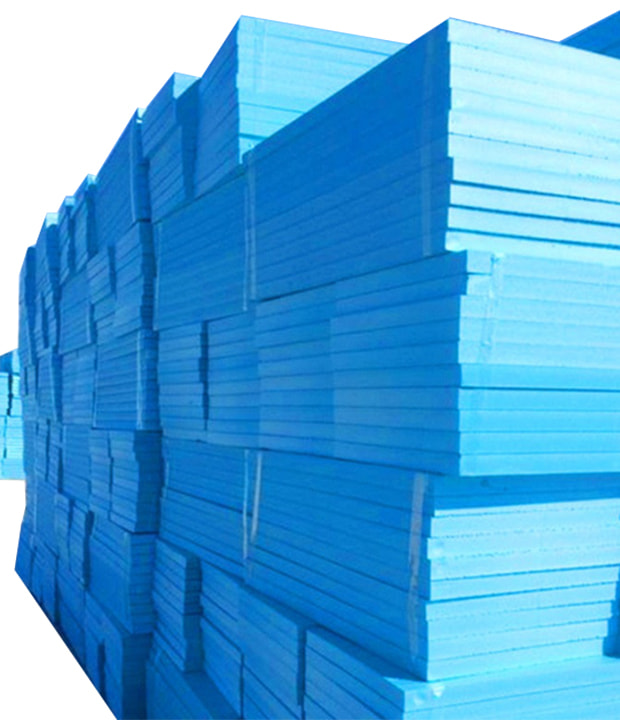 XPS underfloor heating panel
-
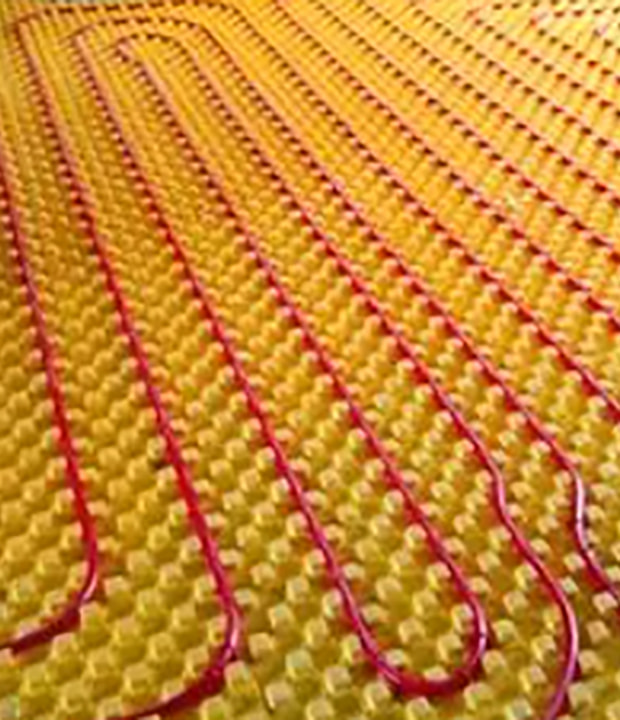 EPS underfloor heating panel
-
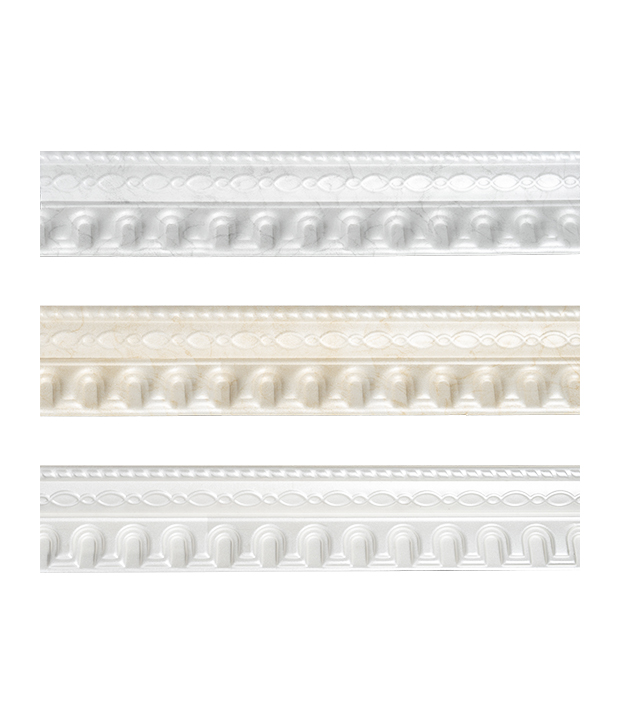 EPS Crown Molding T-06
-
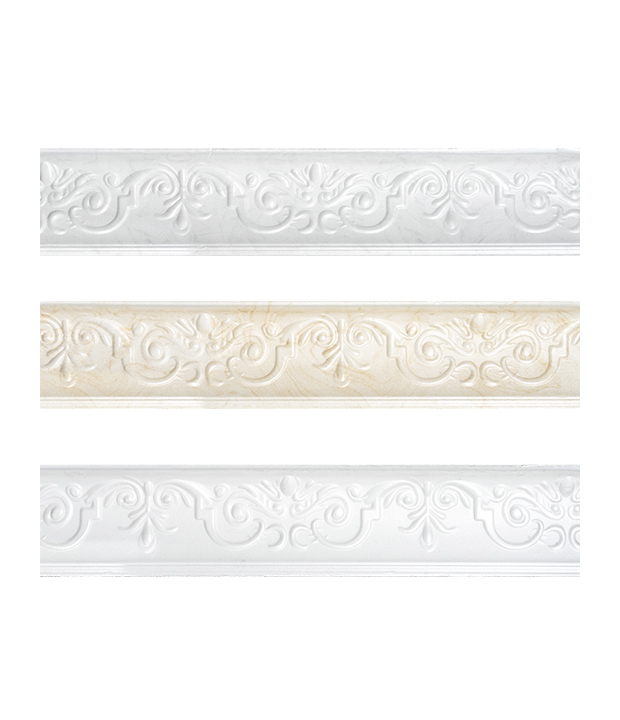 EPS Crown Molding T-04
-
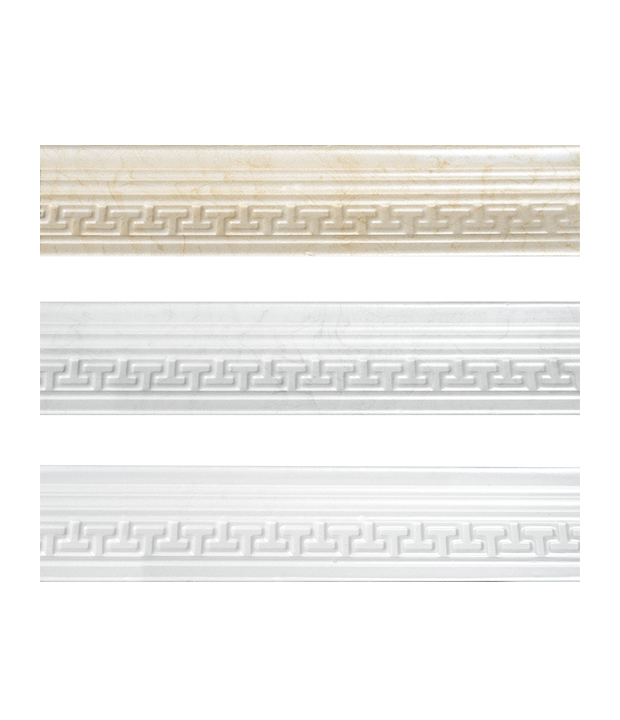 EPS Crown Molding T-02
-
 EPS Crown Molding
-
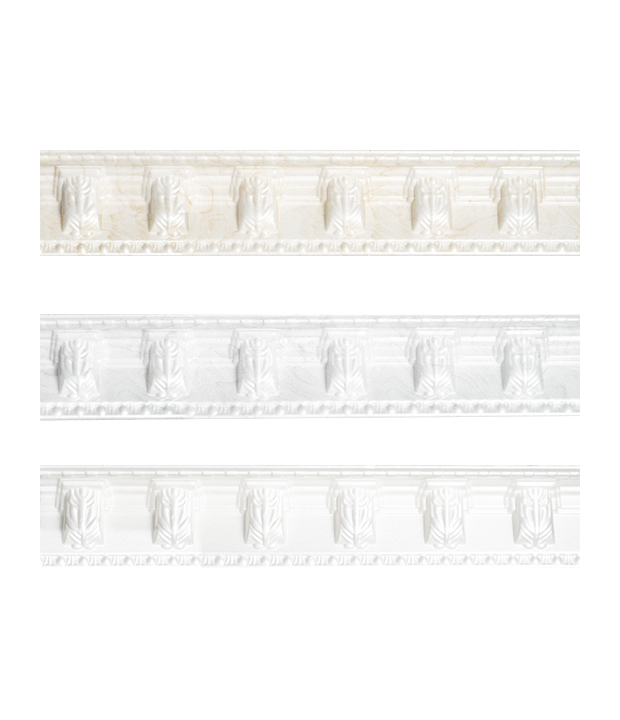 EPS Crown Molding T-18
-
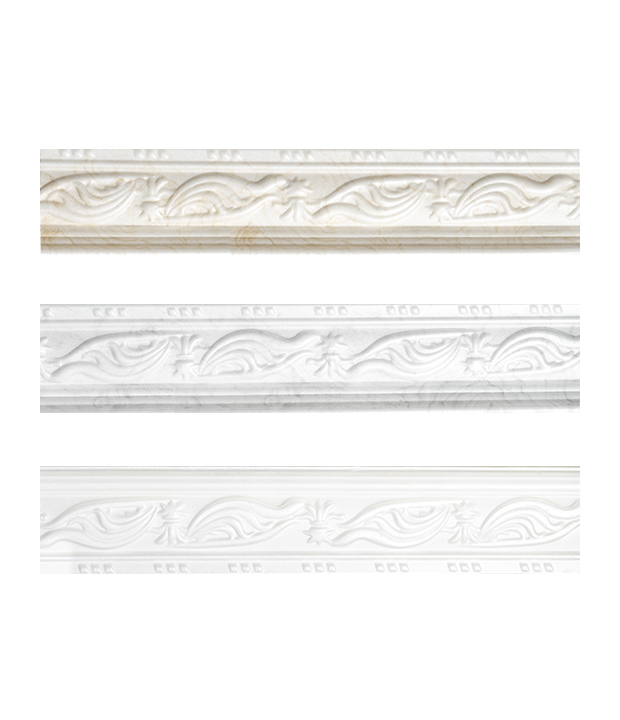 EPS Crown Molding T-20
-
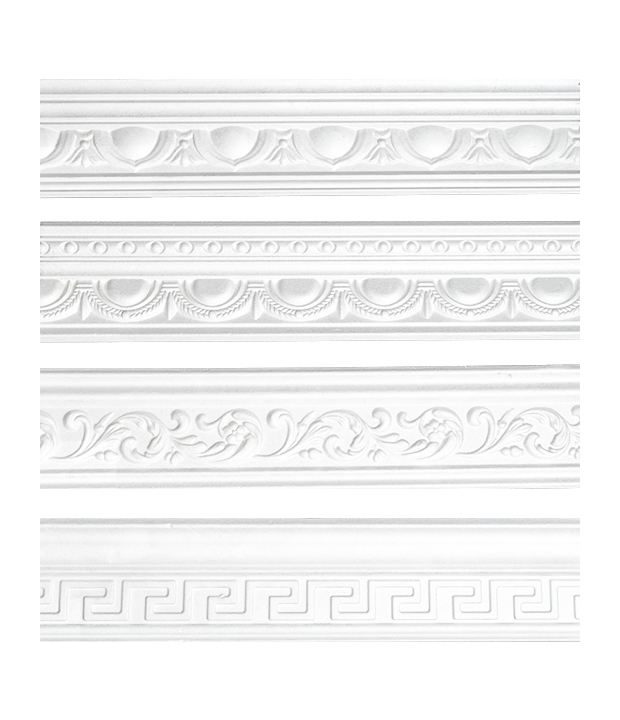 EPS Crown Molding B-06 B-08 B-10 B-12
-
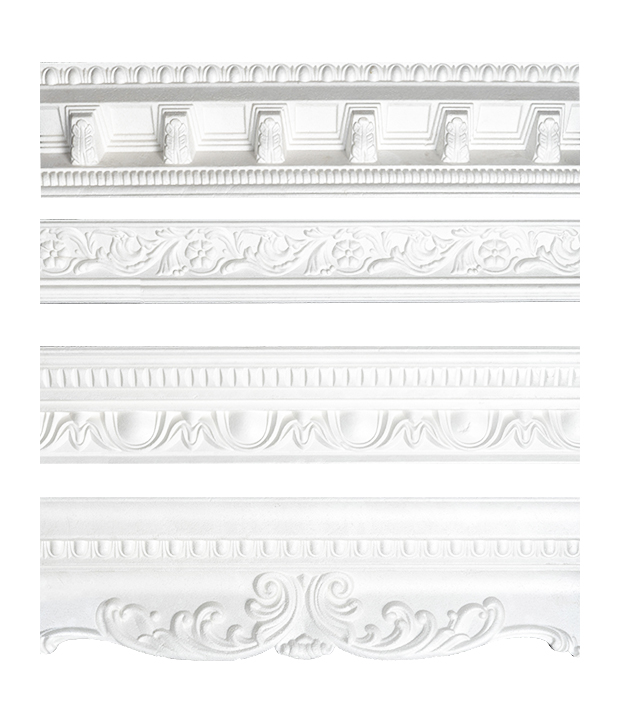 EPS Crown Molding B-22 B-20 B-24 B-18
-
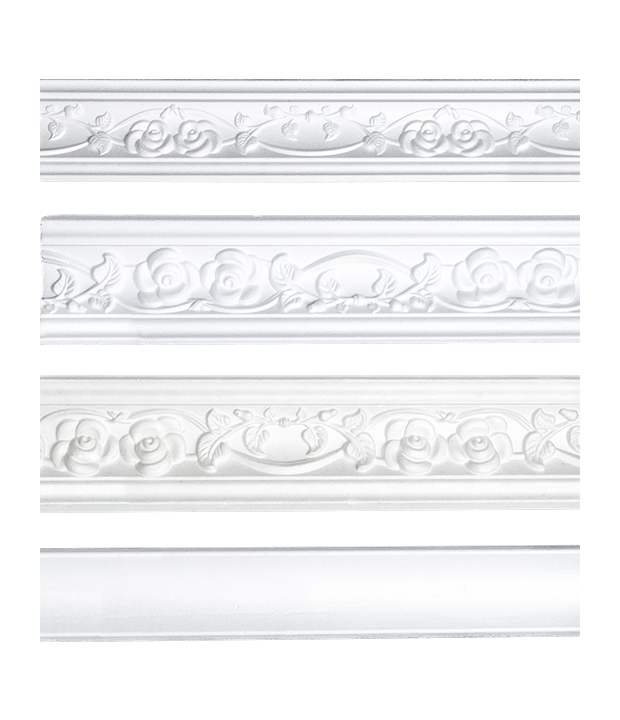 EPS Crown Molding B-26-1 B-26-2 B-26 B-16
-
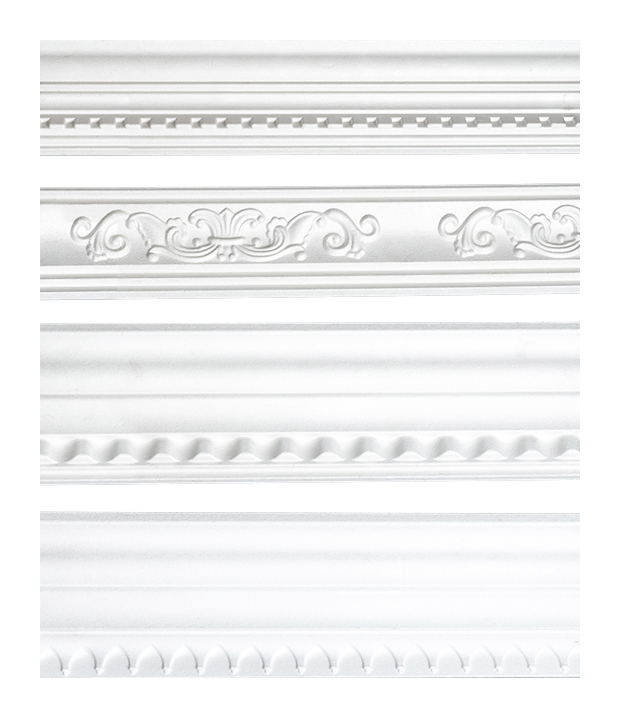 EPS Crown Molding B-30 B-28 B-34 B-32
-
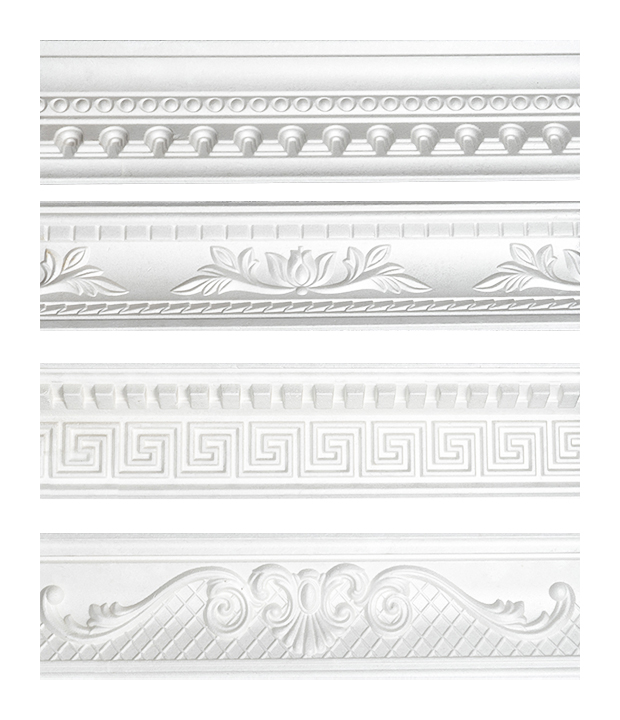 EPS Crown Molding B-42 B-40 B-38 B-36
-
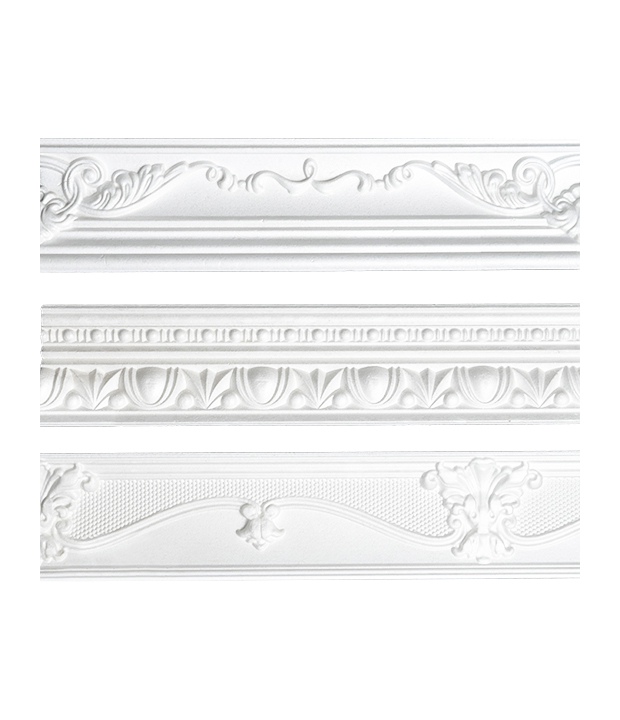 EPS Crown Molding B-60 B-44 B-58
-
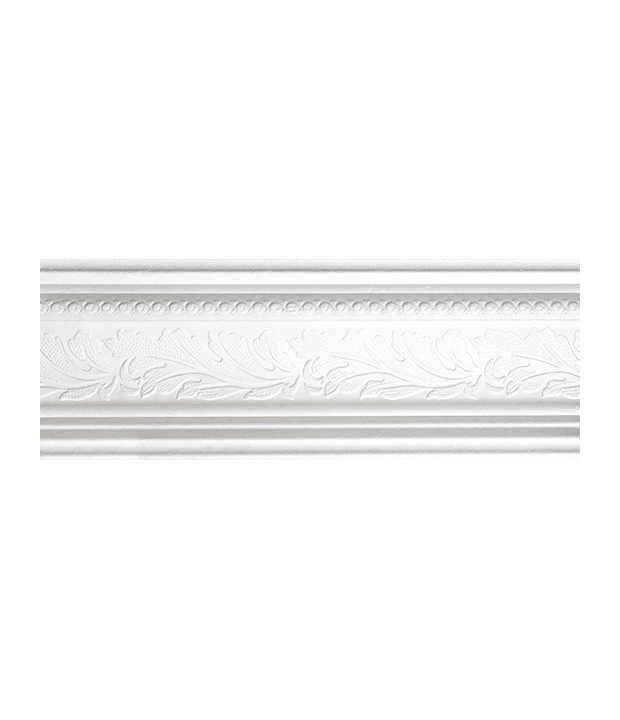 EPS Crown Molding B-56
News
-
-
Introduction What is an EPS Ceiling Medallion? An EPS Ceiling Medallion refers to a decorative ceiling feature made from Expanded Polystyrene (EPS), a type of lightweight foam material. Commonly used ...
READ MORE -
What is a Ceiling Medallion, and How Does it Change the Visual Proportion of Interior Space? In the realm of high-end interior design, the ceiling is no longer an overlooked surface. Often referred to...
READ MORE
Contact info.
- Cell:+86-15951909824 (Amanda)
- Email: amanda@ever-growing.net / 363526407@qq.com
- Add: No.5, Yanhe Rd, Ganduo Indsutrial Park, Gaoyou, Yangzhou, Jiangsu, P.R.O.C.
Quick Links
Copyright © Yangzhou Ever-Growing International Co.,Ltd. All Rights Reserved.
Wholesale Precision Foam Interior Decoration Manufacturers