

 English
 中文简体
中文简体 Español
In the evolution of architectural design, thermal comfort has always been a core metric for measuring quality of life. From open fires to cast-iron radiators and now to radiant heating systems, the un...
READ MORE
Do foam skirting boards have waterproof, moisture-proof, and mildew-proof properties?
Mar 05,2026 ------ Industry News
Material Structure and Basic Characteristics of Foam Skirting Boards
Foam skirting boards are interior finishing components commonly manufactured from materials such as PVC foam, polystyrene foam, or polyurethane foam. Their internal structure typically consists of a closed-cell or semi-closed-cell configuration, which plays a central role in determining their resistance to water, moisture, and biological growth. Unlike traditional wooden skirting boards, foam-based products are not composed of natural fibers that absorb water easily. Instead, they rely on synthetic polymer matrices that inherently reduce water absorption.
The cellular structure of foam materials creates numerous microscopic air pockets. In closed-cell foams, these pockets are sealed, limiting the penetration of water and vapor. This structural feature directly influences waterproof and moisture-proof performance. However, the degree of protection depends on material density, surface coating, installation quality, and environmental exposure conditions.
Waterproof Properties in Daily Use Environments
Waterproof performance refers to the ability of a material to resist liquid water penetration. Foam skirting boards made from PVC foam or polystyrene typically demonstrate resistance to splashes and incidental contact with water. In environments such as kitchens, bathrooms, or laundry rooms, this characteristic helps prevent swelling, warping, or deformation that may occur with wood-based alternatives.
Closed-cell foam materials limit capillary absorption, which reduces the risk of water migrating into the core structure. Additionally, many foam skirting boards are finished with protective surface films or coatings that further reduce direct water exposure. These finishes act as barriers, preventing water from seeping into joints or edges.
However, waterproof performance is not unlimited. Continuous submersion or prolonged exposure to standing water may eventually affect joints, adhesive areas, or improperly sealed seams. Therefore, while foam skirting boards are generally resistant to water in typical indoor conditions, installation practices such as sealing edges and ensuring proper wall alignment remain important.
Moisture-Proof Performance Under Humid Conditions
Moisture-proof capability relates to resistance against humidity and water vapor rather than direct liquid contact. In regions with high relative humidity, interior materials may absorb airborne moisture, leading to expansion, contraction, or structural weakening. Foam skirting boards, particularly those manufactured with closed-cell technology, tend to exhibit low moisture absorption rates compared to wood or MDF products.
The polymer composition of foam materials does not readily attract water molecules. As a result, dimensional stability is maintained even when humidity fluctuates. This stability helps prevent gaps between the skirting board and the wall or floor, reducing the likelihood of aesthetic inconsistencies.
Moisture resistance also contributes to long-term durability in basements or coastal environments where humidity levels remain elevated for extended periods. In such settings, foam skirting boards can maintain structural integrity without significant swelling or surface degradation.
Mildew Resistance and Biological Considerations
Mildew formation occurs when organic materials provide nutrients for fungal growth under damp conditions. Traditional wooden skirting boards may become susceptible to mold if moisture accumulates. Foam skirting boards, being synthetic and non-organic in composition, do not provide a natural food source for mildew. This inherent property reduces the likelihood of fungal colonization on the material itself.
Some manufacturers incorporate antimicrobial additives into the foam formulation or surface coating to further discourage microbial growth. These additives inhibit the development of mold spores on exposed surfaces. Nevertheless, mildew can still appear on surrounding walls or in areas where dust and dirt accumulate if ventilation is insufficient. Therefore, mildew resistance depends not only on material properties but also on environmental management.
Proper cleaning and maintenance contribute to maintaining a mildew-resistant surface. Smooth foam surfaces are typically easier to wipe clean, reducing residue buildup that might otherwise support microbial growth.
Comparison with Traditional Skirting Materials
The following table compares foam skirting boards with common alternatives in terms of water, moisture, and mildew performance.
| Material Type | Water Resistance | Moisture Absorption | Mildew Susceptibility | Dimensional Stability in Humidity |
| Foam Skirting Board | Resistant to splashes | Low | Low | Stable under moderate humidity |
| Solid Wood | Limited | Moderate to high | Moderate | May expand or contract |
| MDF | Low without sealing | High if exposed | Moderate to high | Prone to swelling |
| Aluminum | High | None | Very low | Stable |
This comparison highlights that foam skirting boards provide a balanced level of resistance suitable for most residential interior applications, particularly where humidity control is not constant.
Role of Surface Treatments and Coatings
Surface finishing plays a significant role in enhancing waterproof and moisture-proof properties. Many foam skirting boards are coated with laminated films, acrylic layers, or decorative wraps. These finishes create an additional barrier that reduces direct water contact and limits vapor diffusion.
The quality of lamination affects long-term performance. Properly bonded surface layers prevent peeling and water infiltration at edges. If the lamination is damaged, moisture may reach the underlying foam, although closed-cell structures still restrict deeper penetration.
Seam sealing during installation also influences moisture resistance. Applying appropriate adhesive and ensuring tight joints minimizes pathways for water intrusion, particularly in wet rooms.
Environmental Conditions and Installation Factors
Waterproof and mildew-proof performance is influenced by the surrounding environment. In well-ventilated rooms with controlled humidity, foam skirting boards maintain stable performance for extended periods. In contrast, areas with persistent condensation or poor drainage may challenge any interior finishing material.
Installation near shower zones or directly on damp substrates may require additional sealing measures. Adhesives selected for installation should also be compatible with high-humidity environments. Inadequate bonding may create gaps where moisture accumulates.
Flooring transitions can also affect moisture exposure. For example, in bathrooms where tile floors meet walls, proper caulking between the floor and skirting board reduces the risk of water penetration during cleaning or accidental spills.
Long-Term Durability Considerations
Over time, repeated cycles of humidity fluctuation can stress interior materials. Foam skirting boards typically demonstrate resistance to cracking or splitting caused by moisture expansion and contraction. Their flexibility allows slight movement without structural failure.
UV exposure from sunlight may affect certain foam materials, although this is more relevant for exterior applications. Indoors, UV-related degradation is limited, and moisture-related deterioration remains the primary concern.
Regular cleaning using non-abrasive methods preserves surface integrity. Avoiding prolonged standing water and ensuring adequate ventilation supports the material’s moisture-resistant characteristics.
Practical Applications in Moisture-Prone Areas
Foam skirting boards are frequently installed in kitchens, bathrooms, laundry rooms, and basements where moisture levels are higher than in living rooms or bedrooms. In these environments, resistance to water splashes and humidity contributes to maintaining a consistent appearance over time.
In residential renovation projects, replacing wood skirting boards with foam alternatives can reduce concerns about swelling or mildew. Commercial interiors such as clinics or hospitality facilities may also benefit from foam materials due to their ease of cleaning and resistance to damp conditions.
While no interior product is immune to extreme environmental stress, foam skirting boards generally provide reliable waterproof, moisture-proof, and mildew-resistant characteristics when properly installed and maintained under typical indoor conditions.
our featured products.
Discover the timeless beauty and craftsmanship of Evergrowing through our featured products.
-
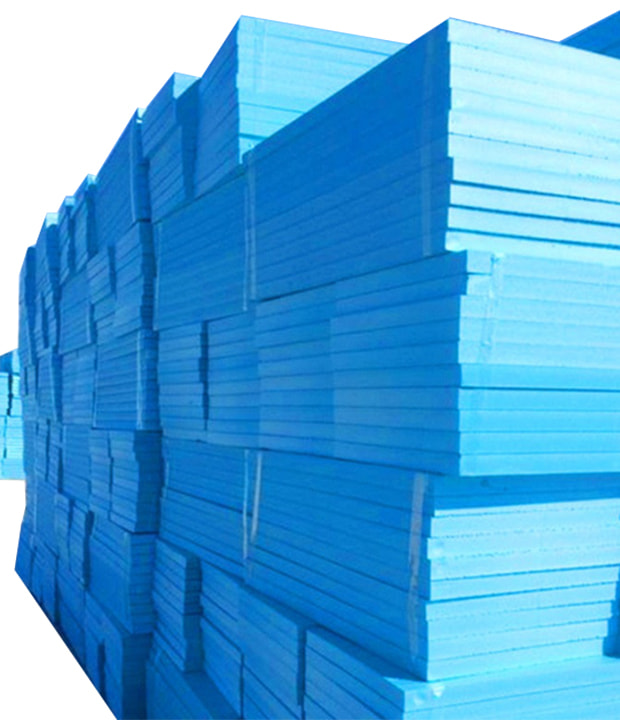 XPS underfloor heating panel
-
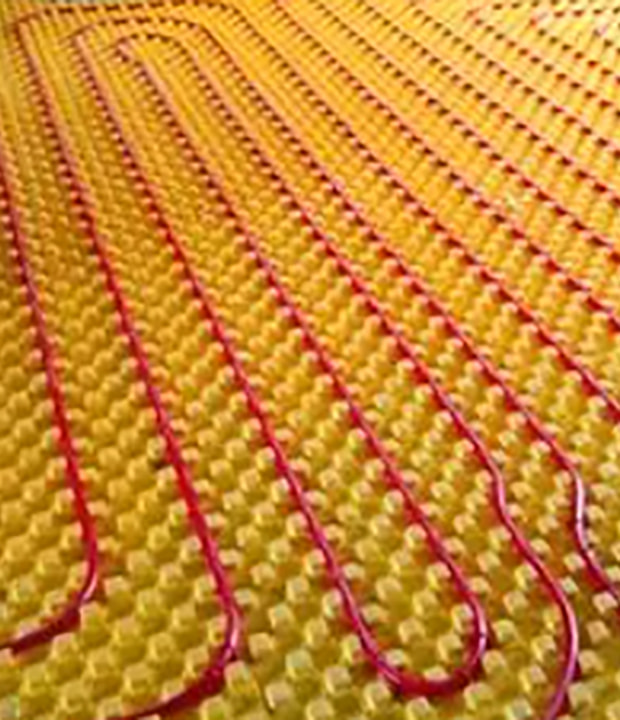 EPS underfloor heating panel
-
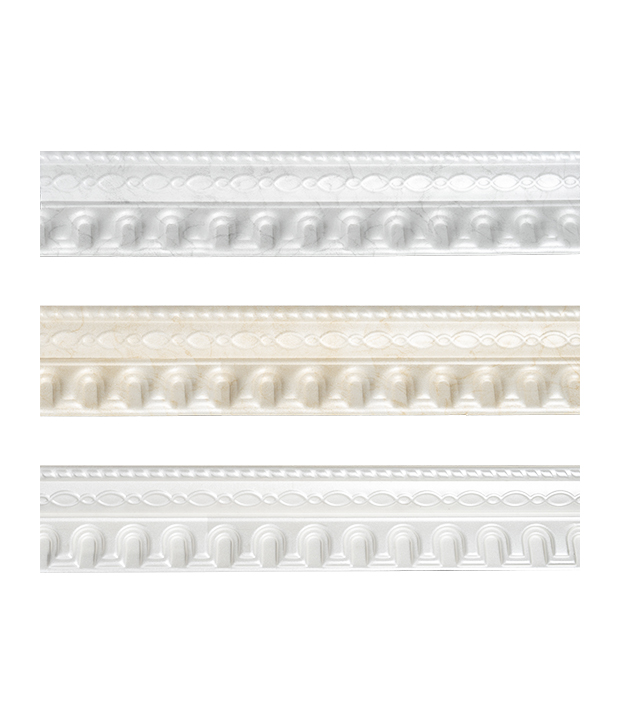 EPS Crown Molding T-06
-
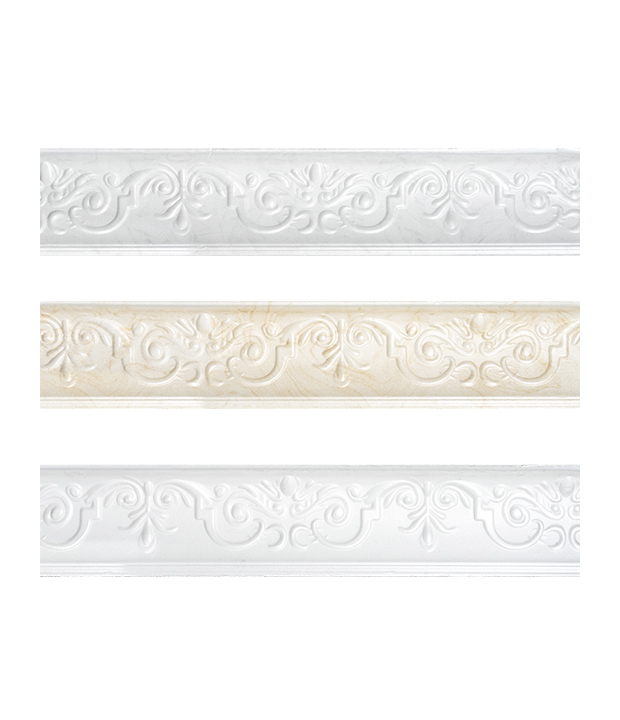 EPS Crown Molding T-04
-
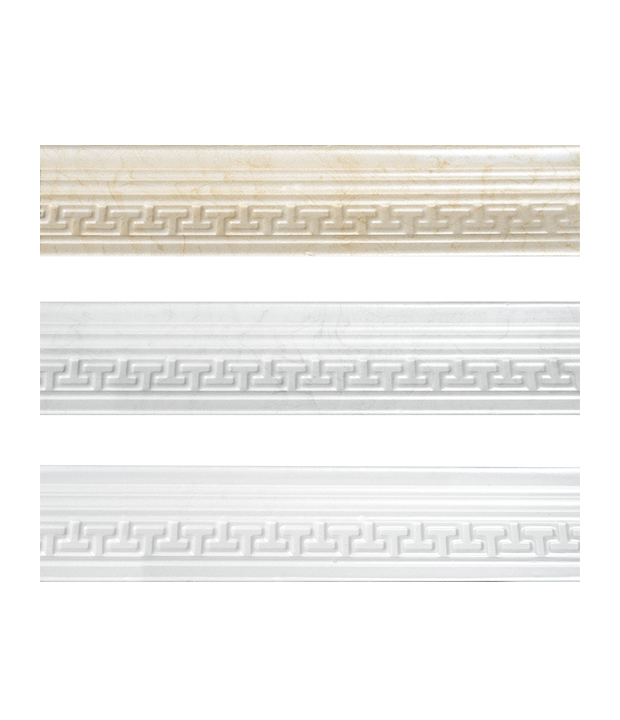 EPS Crown Molding T-02
-
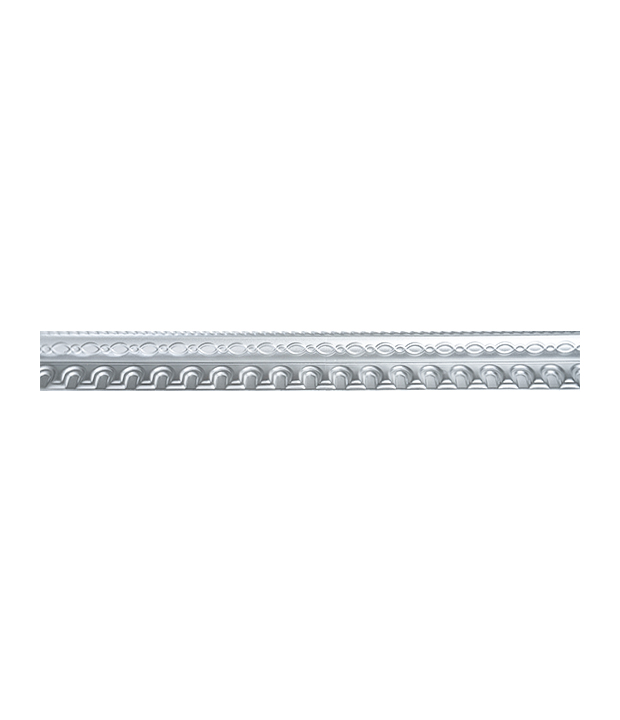 EPS Crown Molding
-
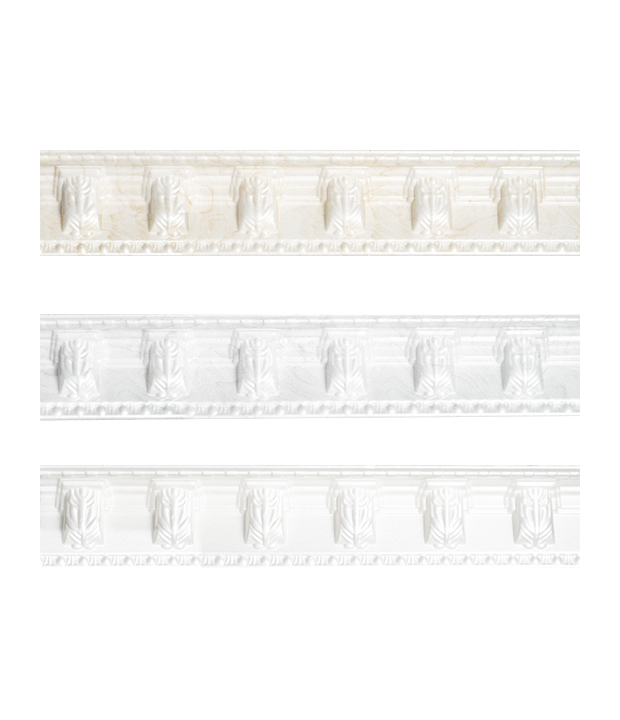 EPS Crown Molding T-18
-
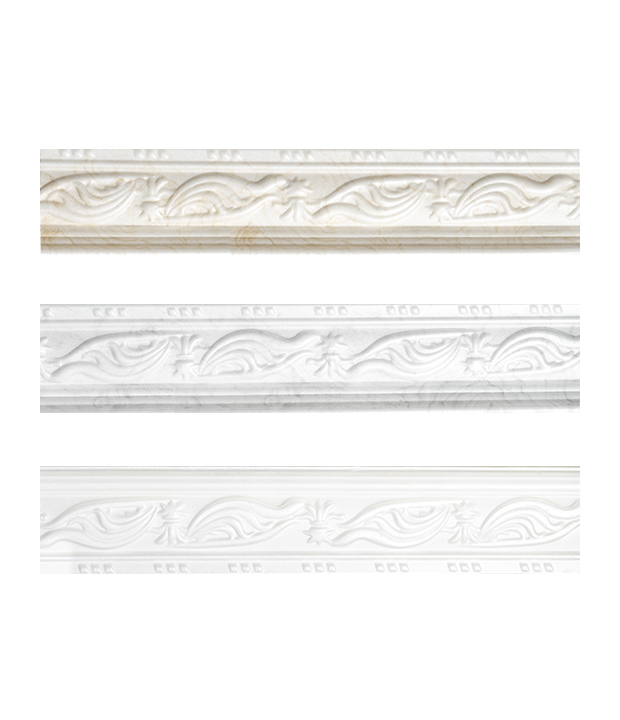 EPS Crown Molding T-20
-
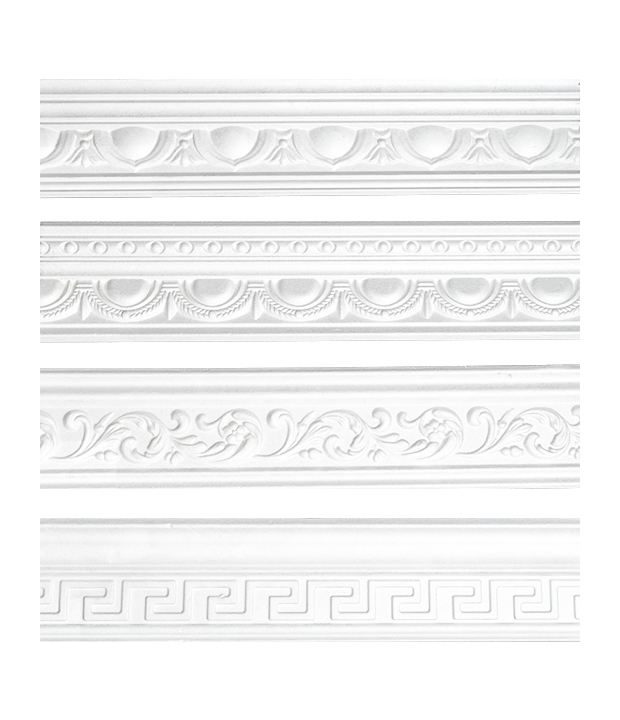 EPS Crown Molding B-06 B-08 B-10 B-12
-
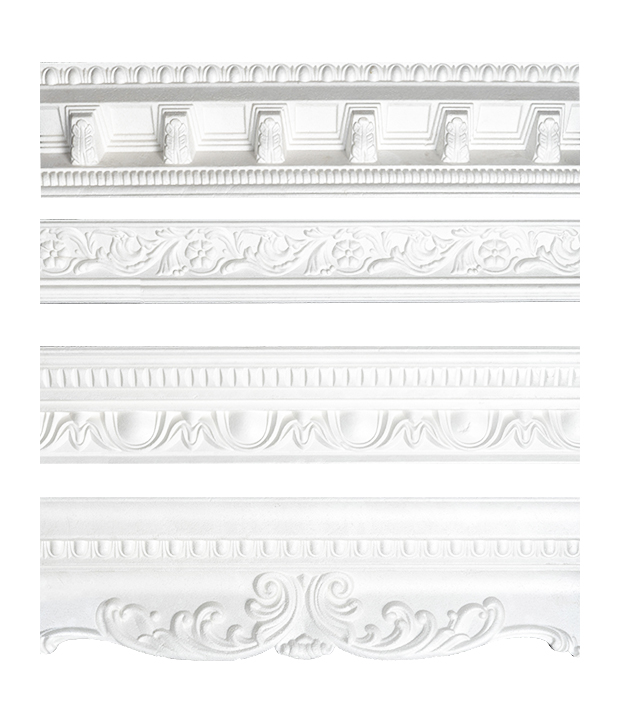 EPS Crown Molding B-22 B-20 B-24 B-18
-
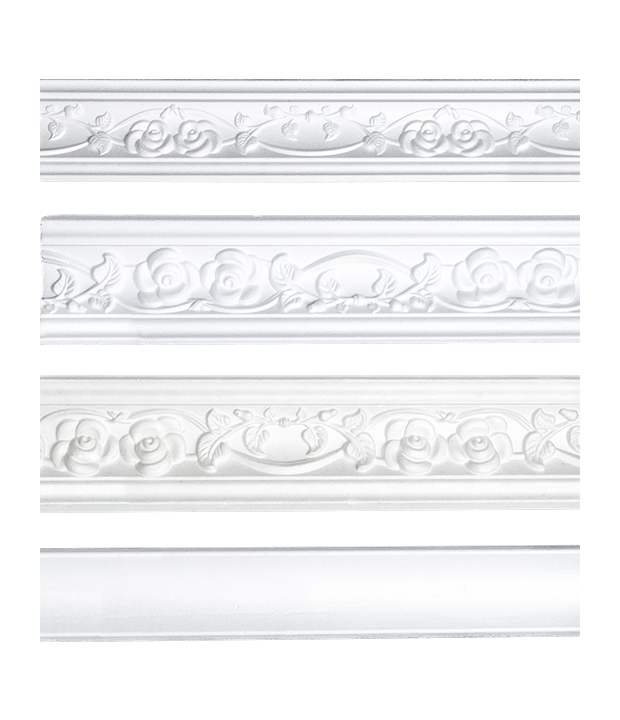 EPS Crown Molding B-26-1 B-26-2 B-26 B-16
-
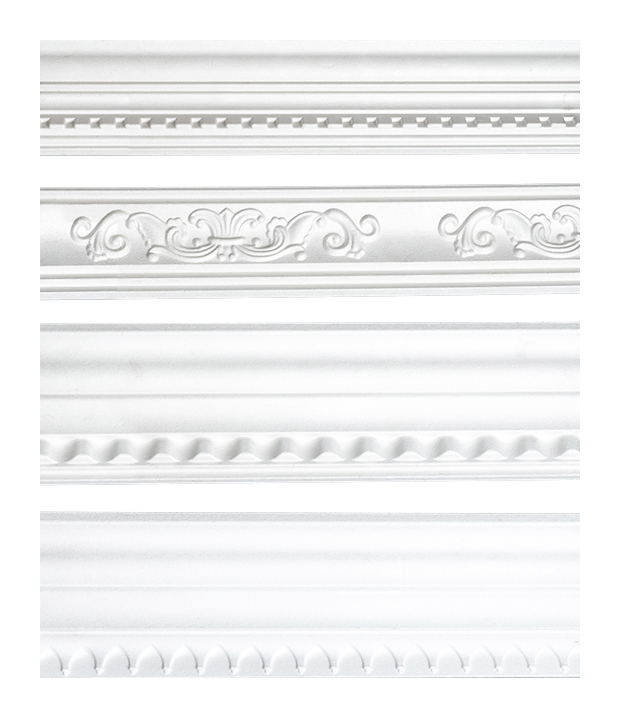 EPS Crown Molding B-30 B-28 B-34 B-32
-
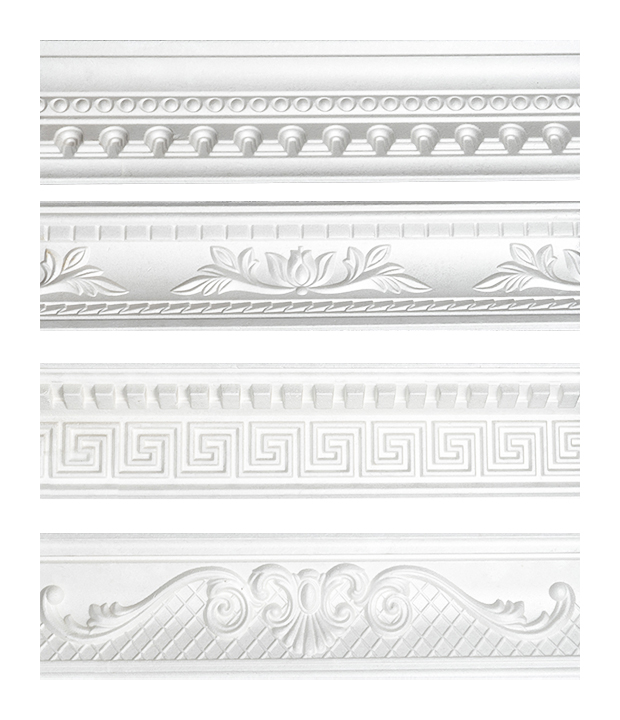 EPS Crown Molding B-42 B-40 B-38 B-36
-
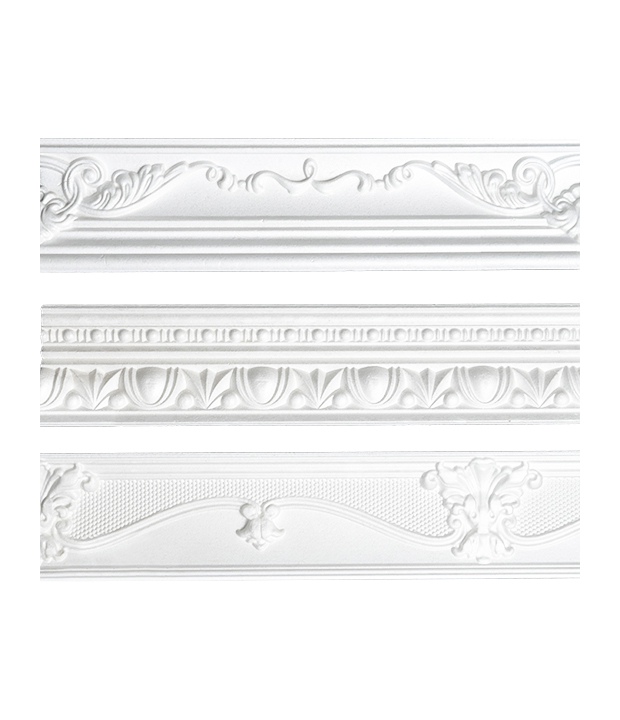 EPS Crown Molding B-60 B-44 B-58
-
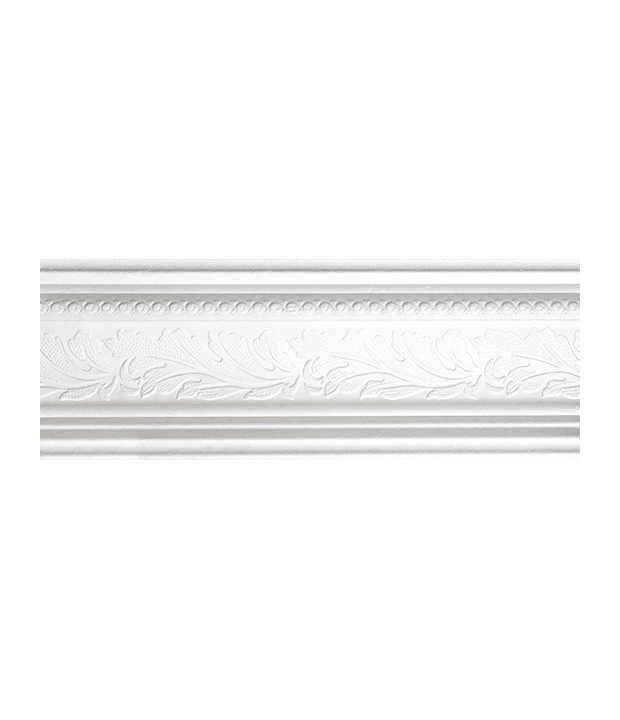 EPS Crown Molding B-56
News
-
-
Introduction What is an EPS Ceiling Medallion? An EPS Ceiling Medallion refers to a decorative ceiling feature made from Expanded Polystyrene (EPS), a type of lightweight foam material. Commonly used ...
READ MORE -
What is a Ceiling Medallion, and How Does it Change the Visual Proportion of Interior Space? In the realm of high-end interior design, the ceiling is no longer an overlooked surface. Often referred to...
READ MORE
Contact info.
- Cell:+86-15951909824 (Amanda)
- Email: amanda@ever-growing.net / 363526407@qq.com
- Add: No.5, Yanhe Rd, Ganduo Indsutrial Park, Gaoyou, Yangzhou, Jiangsu, P.R.O.C.
Quick Links
Copyright © Yangzhou Ever-Growing International Co.,Ltd. All Rights Reserved.
Wholesale Precision Foam Interior Decoration Manufacturers