What is the thermal conductivity of EPS Underfloor Heating Panels?
Thermal conductivity is a crucial indicator of a material's ability to conduct heat. In underfloor heating systems, the thermal conductivity of EPS Underfloor Heating Panels is critical to the system's performance. EPS (expanded polystyrene) panels have low thermal conductivity, making them ideal insulation materials, especially suitable for heat insulation in underfloor heating systems.
Thermal Conductivity of EPS Underfloor Heating Panels:
The thermal conductivity of EPS Underfloor Heating Panels typically ranges from 0.030 to 0.040 W/m·K. This range of thermal conductivity means it has good thermal insulation properties, effectively reducing heat loss through the floor and thus improving the system's thermal efficiency. This is very important for underfloor heating systems, as the goal is to distribute heat evenly throughout the room without wasting heat into the ground.
Impact of Thermal Conductivity:
Energy Saving: Due to the low thermal conductivity of EPS Underfloor Heating Panels, they can effectively reduce heat loss in underfloor heating systems, thereby improving energy efficiency and reducing heating costs.
Temperature Control: Lower thermal conductivity means that EPS Underfloor Heating Panels can maintain a warm floor temperature, preventing uneven temperatures or heat waste caused by heat dissipation.
Comparison with Other Materials:
EPS vs. XPS: Compared to XPS panels (extruded polystyrene), EPS Underfloor Heating Panels have slightly higher thermal conductivity, but XPS has superior compressive strength and moisture resistance. Choosing the right material depends on the specific environmental requirements.
EPS vs. PU: The thermal conductivity of EPS Underfloor Heating Panels is usually higher than that of polyurethane foam (PU), but EPS is less expensive and offers better value for money. Therefore, in low to medium-load underfloor heating systems, EPS can effectively provide the required thermal insulation.
How are EPS Underfloor Heating Panels installed in underfloor heating systems?
The installation method of EPS Underfloor Heating Panels directly affects the overall efficiency of the underfloor heating system. Correct installation not only improves the system's thermal efficiency but also ensures the long-term stable operation of the underfloor heating system.
Installation Steps for EPS Underfloor Heating Panels:
1. Floor Preparation:
- Before installing the EPS Underfloor Heating Panels, the floor must be cleaned to ensure a flat and dry surface. This prevents unevenness or problems affecting the panel's fixation during installation. If the floor is uneven, self-leveling mortar can be used to level it.
2. EPS Panel Laying:
- Lay the EPS Underfloor Heating Panels on the floor according to the design drawings, ensuring that the joints between the panels are tight to avoid gaps. Gaps in the joints may lead to heat loss or reduced thermal insulation. The joints can be sealed with special tape or sealing strips to further prevent heat loss.
- EPS panels usually come in standard sizes, so they need to be cut according to the floor dimensions. When cutting, ensure that the cuts are clean to avoid affecting the overall installation effect.
3. Heating Pipe Laying:
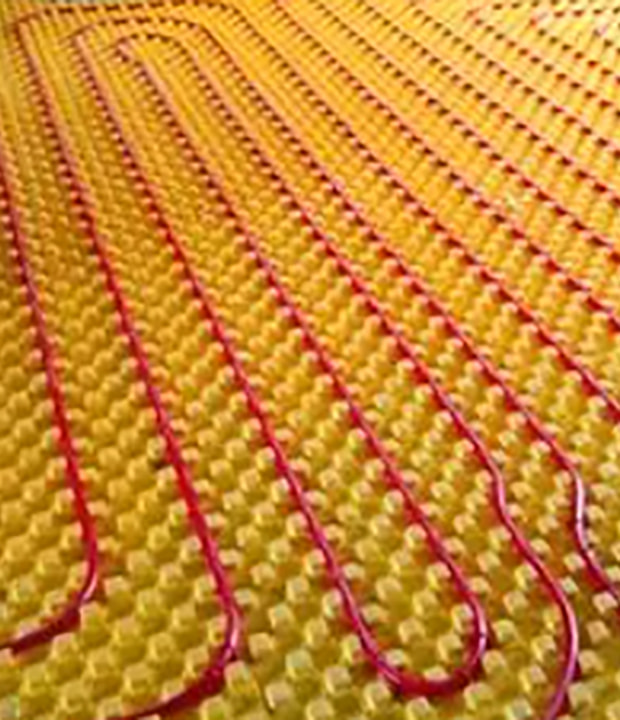
- After laying the EPS Underfloor Heating Panels, the next step is to install the underfloor heating pipes. Common layouts include serpentine or double serpentine arrangements to ensure even heating. The underfloor heating pipes should be securely fixed to the surface of the EPS panels using special clamps or mesh fabric.
4. Covering Layer:
- After the heating pipes are laid, they need to be covered with concrete or self-leveling mortar. The concrete layer not only protects the pipes but also helps to distribute heat evenly, ensuring uniform heating from the underfloor heating system.
Installation Precautions:
- Joint Treatment: When installing EPS Underfloor Heating Panels, special attention should be paid to sealing the joints to prevent heat loss.
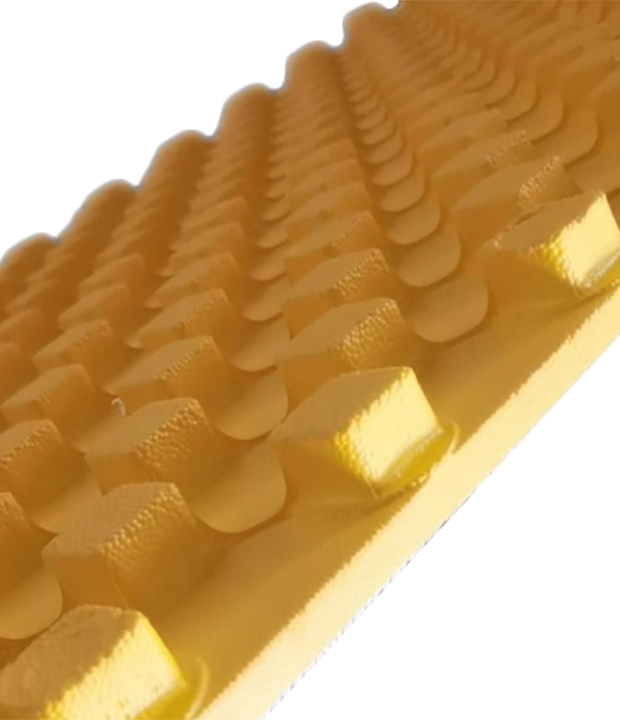
- Pressure Resistance Requirements: In areas that need to withstand greater pressure, such as kitchens or living rooms, it is recommended to choose high-density EPS panels and consider their thickness and installation method to ensure system stability.
What are the maintenance requirements for EPS Underfloor Heating Panels?
Although EPS Underfloor Heating Panels themselves have low maintenance requirements, regular inspections and appropriate maintenance are essential to ensure the long-term efficient operation of the underfloor heating system. Over time, maintenance is not only about fixing problems but also an important means of improving system efficiency and extending its service life.
Routine Maintenance:
Heating Pipe Inspection:
- EPS Underfloor Heating Panels are typically used in conjunction with heating pipes in underfloor heating systems. These pipes need to be inspected regularly to ensure there are no leaks or blockages. Although EPS panels themselves are not easily damaged, if the underfloor heating pipes leak due to aging or improper installation, it may lead to heat waste. Yangzhou Ever-Growing International Co., Ltd, as an experienced manufacturer, provides comprehensive product support, including XPS and EPS underfloor heating panels, ensuring that customers receive timely technical support and maintenance services during the use of their systems.
- Temperature Control System Inspection: The temperature control system is also an important component of the underfloor heating system. Regularly check the accuracy of thermostats and sensors to ensure that the system does not overheat or underheat, maintaining a comfortable indoor environment.
Avoid Excessive Pressure:
EPS panels have good compressive strength, but during long-term use, if the floor is subjected to excessive pressure for extended periods (such as heavy objects placed in the same location for a long time), it may cause the panels to deform or be damaged. Therefore, regularly checking the usage of the underfloor heating area and avoiding placing heavy objects on the EPS Underfloor Heating Panels, especially in uncovered areas, is an important maintenance step.
Leak Detection:
- If there is a hot water leak or a gas leak, although EPS Underfloor Heating Panels have good moisture resistance, leaks can still lead to a decrease in heating efficiency. Using temperature sensors, infrared thermal imaging technology, and other methods, leak points can be effectively located and repaired promptly. Yangzhou Ever-Growing International Co., Ltd. provides customers with one-stop customized services, not only providing EPS underfloor heating panels but also helping customers develop maintenance plans and providing relevant support.
Surface Cleaning and Maintenance:
- Regularly clean the floor to prevent dust or debris from accumulating on the surface of the EPS Underfloor Heating Panel. Although EPS itself is not easily affected by moisture and corrosion, excessive contact with water should be avoided during cleaning to maintain its optimal thermal insulation performance.
Repair and Replacement:
Local Repair:
- If the EPS Underfloor Heating Panel develops cracks or damage, it can usually be replaced locally. For smaller damaged areas, replacing the panels is relatively simple. The EPS underfloor heating panels provided by Yangzhou Ever-Growing International Co., Ltd. have good cutability and workability, allowing users to perform local repairs as needed. When replacing panels, ensure that the new material has the same performance as the old material to avoid affecting the thermal efficiency of the underfloor heating system.
System Upgrade:
- As the service life increases, customers may need to upgrade the system to adapt to higher energy efficiency or new technological requirements. Yangzhou Ever-Growing International Co., Ltd. provides a full range of customized services from design to delivery, offering upgrade solutions for EPS Underfloor Heating Panels and other related products based on customer needs and market development trends. When system upgrades are required, customers can obtain professional support through the company's one-stop service to ensure that all technical requirements during the repair and upgrade process are met.
Customized Support from Yangzhou Ever-Growing International Co., Ltd.:
With 30 years of industry experience, Yangzhou Ever-Growing International Co., Ltd. provides comprehensive after-sales service for EPS Underfloor Heating Panel customers, ensuring long-term stable operation of the product. The company specializes in the production and research and development of various foam materials, such as EPS and XPS, covering multiple fields, including underfloor heating panels, XPS underfloor heating panels, foam floats, and EPP custom packaging, meeting the needs of different customers.
- Comprehensive Customized Services: The company provides customers with one-stop service, tracking project progress from design to delivery, ensuring that every installation and maintenance requirement is professionally addressed. Whether providing EPS Underfloor Heating Panels for residential or commercial buildings, solutions can be tailored to different needs.
- Efficient Project Management: Yangzhou Ever-Growing International Co., Ltd.'s project management team is flexible in responding to diverse customer needs, ensuring that every stage of the product lifecycle, from production to delivery, is completed smoothly within the allocated time and budget. Customers also receive timely and efficient service for the maintenance and upgrades of their underfloor heating systems.



 English
 中文简体
中文简体 Español