What is the compressive strength of XPS Underfloor Heating Panels?
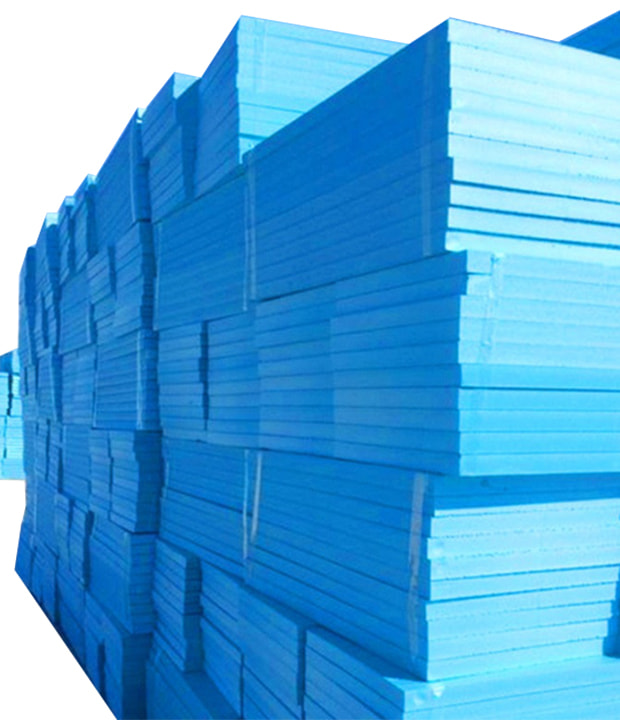
XPS Underfloor Heating Panels are widely used in underfloor heating systems due to their excellent physical properties, and compressive strength is one of their key characteristics. Compressive strength refers to the maximum pressure a material can withstand when subjected to a vertical load, usually measured in "kPa" (kilopascals). The compressive strength of XPS is mainly determined by its density, thickness, and manufacturing process. Therefore, understanding these factors is crucial for evaluating its suitability.
Main factors affecting the compressive strength of XPS Underfloor Heating Panels:
Density: The density of XPS Underfloor Heating Panels has a direct impact on their compressive strength. Higher-density XPS Underfloor Heating Panels generally have stronger compressive resistance. The density range of commonly available XPS Underfloor Heating Panels on the market is approximately 30-45 kg/m³. Higher-density XPS Underfloor Heating Panels not only provide better thermal insulation but also can withstand greater loads. Therefore, for areas in underfloor heating systems that need to bear greater pressure, choosing high-density XPS Underfloor Heating Panels will be more suitable.
Thickness: The thickness of XPS Underfloor Heating Panels also has a significant impact on compressive strength. Thicker XPS Underfloor Heating Panels exhibit better rigidity when subjected to pressure and can distribute the pressure, effectively preventing cracking or deformation caused by excessive local pressure. Therefore, choosing the appropriate thickness of XPS Underfloor Heating Panels for different load environments is crucial. In large-area applications with heavy loads (such as commercial buildings or industrial facilities), thicker and denser XPS Underfloor Heating Panels are usually required.
Manufacturing Process: The manufacturing process of XPS Underfloor Heating Panels determines their fine, closed-cell structure, which effectively distributes the applied pressure. XPS Underfloor Heating Panels manufactured using advanced processes such as high-temperature extrusion have a more compact internal structure, which enhances the material's compressive strength. Different manufacturers use different production technologies, which also determines the quality and compressive performance of the XPS Underfloor Heating Panels.
Compressive Strength of XPS Underfloor Heating Panels:
Typically, the compressive strength of XPS Underfloor Heating Panels ranges from 300 kPa to 500 kPa, meaning they can withstand considerable pressure. In practical applications, XPS Underfloor Heating Panels are often used as an insulation layer beneath the floor, bearing the continuous pressure from the flooring and the upper structure. This compressive strength is sufficient for daily use in residential, commercial, and industrial applications.
In some high-load environments, such as super high-rise buildings or factory workshops, a higher compressive strength XPS Underfloor Heating Panel may be required to ensure that the underfloor heating system remains unaffected under long-term load. Furthermore, the compressive strength of XPS Underfloor Heating Panels effectively resists the pressure from common heavy objects such as furniture and appliances, allowing for stable operation for many years.
Comparison with Other Materials:
Compared to other commonly used building materials, XPS Underfloor Heating Panels exhibit particularly excellent compressive strength. For example, EPS (expanded polystyrene) and PUR (polyurethane) boards have relatively lower compressive strength and are prone to deformation or damage, especially in high-humidity environments. The closed-cell structure of XPS Underfloor Heating Panels not only provides high compressive strength but also effectively resists moisture penetration, making them suitable for underfloor heating systems that need to withstand pressure for extended periods in humid environments.
What types of underfloor heating systems are suitable for XPS Underfloor Heating Panels?
XPS Underfloor Heating Panels have a wide range of applications in underfloor heating systems, especially in scenarios requiring high thermal efficiency. Due to their excellent thermal insulation, compressive strength, and moisture resistance, XPS Underfloor Heating Panels are an ideal material for various underfloor heating systems. Underfloor heating systems can be broadly divided into two categories: wet underfloor heating systems and dry underfloor heating systems, and XPS Underfloor Heating Panels are suitable for both.
Wet Underfloor Heating Systems:
Wet underfloor heating systems are a common form of underfloor heating. The basic principle is to lay heating pipes under the floor and heat these pipes through circulating warm water, thereby transferring heat to the floor and then radiating heat to the indoor air. Installation of wet underfloor heating usually requires a thick layer of mortar or concrete, which requires the insulation material under the floor to withstand considerable pressure while effectively isolating heat to improve heating efficiency.
XPS Underfloor Heating Panels are widely used in wet underfloor heating. They are typically laid as an insulation layer on the subfloor, creating effective thermal insulation between the heating pipes and the ground. XPS Underfloor Heating Panels have excellent thermal insulation properties, effectively preventing heat loss downwards, allowing the underfloor heating system to maximize heat transfer to the interior. At the same time, the compressive strength of XPS Underfloor Heating Panels can support the concrete or mortar layer above the heating pipes, ensuring the long-term stable operation of the system.
In addition, XPS Underfloor Heating Panels have strong water resistance, making them particularly suitable for use in damp environments, such as basements and bathrooms, in underfloor heating systems.
Dry Underfloor Heating Systems:
Unlike wet underfloor heating systems, dry underfloor heating systems use thin electric heating films or heating cables to directly transfer heat through electricity. Because this system does not require a mortar or concrete layer, the installation process is simpler and is usually used in situations requiring rapid heating or renovation of smaller spaces.
In dry underfloor heating systems, XPS Underfloor Heating Panels can still serve as an important insulation layer to help improve system efficiency. Due to the thin heating surface of dry underfloor heating systems, the insulation performance of XPS Underfloor Heating Panels is particularly crucial, ensuring that heating energy is not wasted due to heat loss. The compressive strength and stability of XPS Underfloor Heating Panels allow the electric heating film or heating cables on the floor to operate stably and withstand the weight of the overlying flooring materials.
Electric Heating Film Underfloor Heating System:
Electric heating film underfloor heating systems are a relatively lightweight heating method, typically used in small areas of residential buildings. The heating elements of electric heating film underfloor heating are thin, making installation more flexible. The role of XPS Underfloor Heating Panels in electric heating film underfloor heating systems is primarily to provide a stable insulation base, preventing heat loss. For older buildings or areas requiring rapid heating, electric heating film underfloor heating combined with the insulation of XPS Underfloor Heating Panels can effectively improve energy efficiency.
Overall Advantages:
XPS Underfloor Heating Panels possess excellent properties such as high-efficiency insulation, strong compressive strength, water resistance, moisture resistance, and corrosion resistance. Therefore, they can provide reliable support for both wet and dry underfloor heating systems. In addition, XPS Underfloor Heating Panels are easy to install, highly durable, and have low maintenance costs over the long term, making them suitable for various building types.
Does the XPS Underfloor Heating Panel offer advantages in terms of maintenance and repair?
XPS Underfloor Heating Panels are widely used in underfloor heating systems due to their excellent physical properties. Compared to traditional building materials, XPS Underfloor Heating Panels require less maintenance and can operate stably in a variety of environments. Especially for underfloor heating systems exposed to heat, moisture, and weight pressure over long periods, the durability and stability of XPS Underfloor Heating Panels make them an ideal choice. Yangzhou Ever-Growing International Co., Ltd., with 30 years of industry experience, has significant technological advantages in producing high-quality XPS Underfloor Heating Panels, providing customers with not only efficient products but also ensuring low maintenance requirements during long-term use.
Maintenance Advantages of XPS Underfloor Heating Panels:
High Durability and Low Maintenance Requirements: The structure of XPS Underfloor Heating Panels is highly stable. Its closed-cell design effectively insulates and prevents the penetration of moisture, gases, and chemicals. Thanks to the advanced manufacturing processes used by Yangzhou Ever-Growing International Co., Ltd., the durability of their XPS Underfloor Heating Panels is fully guaranteed. In underfloor heating systems, XPS Underfloor Heating Panels typically have a long service life and are not prone to deformation, cracking, or damage, even under high temperatures, humidity, and prolonged load. This means that the system requires relatively little maintenance and repair after installation, significantly reducing operating and maintenance costs.
Excellent Water Resistance: XPS Underfloor Heating Panels have a very low water absorption rate (usually less than 0.5%), allowing them to maintain their excellent performance even in humid or damp environments. The XPS Underfloor Heating Panels provided by Yangzhou Ever-Growing International Co., Ltd. are particularly suitable for basements, bathrooms, and other areas with high humidity, as their moisture resistance effectively prevents moisture from affecting the underfloor heating system, thus avoiding reduced thermal efficiency or material aging caused by water intrusion. Furthermore, the waterproof properties of XPS Underfloor Heating Panels ensure long-term operation even in damp environments without special maintenance or replacement.
Insect and Corrosion Resistance: XPS Underfloor Heating Panels are not susceptible to insect infestation, mold growth, or corrosion like some organic materials. Yangzhou Ever-Growing International Co., Ltd.'s XPS Underfloor Heating Panel can withstand high temperatures and effectively resist chemical corrosion, making it widely used in industrial and construction fields. Especially in environments with harsh conditions, the corrosion resistance of the XPS Underfloor Heating Panel ensures the stable operation of the system, eliminating the need for regular inspection or replacement and reducing maintenance complexity.
Long-lasting and stable thermal insulation effect: After prolonged use, the thermal insulation effect of the XPS Underfloor Heating Panel generally remains excellent. While many traditional materials (such as foam plastics, polyurethane, etc.) may experience aging, compression, or degradation of thermal performance under prolonged high temperatures, the performance of the XPS Underfloor Heating Panel remains relatively stable. Through years of technological accumulation, Yangzhou Ever-Growing International Co., Ltd. produces XPS Underfloor Heating Panels with long-lasting thermal insulation effects, helping the underfloor heating system maintain high thermal efficiency and reduce energy waste.
Maintenance Considerations:
Although the XPS Underfloor Heating Panel has strong durability and low maintenance requirements, in some special cases, the underfloor heating system may be damaged due to external reasons (such as improper construction or overuse).
Repair of mechanical damage: Under extreme conditions, such as construction errors or external impact, the XPS Underfloor Heating Panel may crack or compress. In such cases, the XPS Underfloor Heating Panel provided by Yangzhou Ever-Growing International Co., Ltd. can usually be quickly replaced. Although the repair of the XPS Underfloor Heating Panel is relatively simple, considering its strong compressive strength, care should be taken to avoid excessive load during use.
Repair of the piping system: In an underfloor heating system, if the heating pipes malfunction, the repair process usually involves removing part of the XPS Underfloor Heating Panel. This requires special attention because although the physical properties of the XPS Underfloor Heating Panel are very stable, avoiding large-scale removal and maintaining its overall thermal insulation performance during the repair process is still crucial. The XPS Underfloor Heating Panel provided by Yangzhou Ever-Growing International Co., Ltd. has good cutting and installation performance, which can minimize the impact on the system during maintenance. 3. Holistic and Modular Repair: For the XPS Underfloor Heating Panels in the underfloor heating system, Yangzhou Ever-Growing International Co., Ltd. utilizes a modular design to make repairs more convenient. For example, if there is localized damage, the affected panel can be directly replaced without requiring extensive dismantling of the system, making repairs more efficient and economical.
Yangzhou Ever-Growing International Co., Ltd. Technical Support and After-Sales Service:
As a company with 30 years of history, Yangzhou Ever-Growing International Co., Ltd. has accumulated rich experience in the production, installation, and maintenance of XPS Underfloor Heating Panels. The company not only provides high-quality XPS Underfloor Heating Panels but also offers comprehensive after-sales support solutions to provide customers with greater convenience during use.
Full Technical Support: Yangzhou Ever-Growing International Co., Ltd. has an experienced technical team that can provide customers with full technical support from design and production to installation. For the installation and maintenance of underfloor heating systems, the technical team can provide customized solutions based on different environmental conditions and usage requirements, ensuring the long-term stable operation of the system.
Comprehensive After-Sales Service: The company provides one-stop after-sales service support to solve various problems encountered by users during installation and use. If repair or replacement is needed, Yangzhou Ever-Growing International Co., Ltd. can provide a quick response service, reducing additional costs and time losses for customers due to repairs.



 English
 中文简体
中文简体 Español