

 English
 中文简体
中文简体 Español
In the evolution of architectural design, thermal comfort has always been a core metric for measuring quality of life. From open fires to cast-iron radiators and now to radiant heating systems, the un...
READ MORE
A Complete Guide to PVC Ceiling Tiles: Benefits, Applications, and Installation
Apr 02,2026 ------ Industry News
What Are PVC Ceiling Tiles?
PVC ceiling tiles are a popular choice for both residential and commercial spaces due to their durability, cost-effectiveness, and versatility. Made from polyvinyl chloride (PVC), these tiles are lightweight, resistant to moisture, and easy to maintain. PVC ceiling tiles are often used in areas prone to humidity or moisture, such as bathrooms, kitchens, and basements. These tiles are available in a wide range of designs, textures, and colors, making them an excellent option for interior design.
Why Choose PVC Ceiling Tiles?
PVC ceiling tiles provide numerous advantages that make them a superior option for ceiling installation in various spaces. The key reasons to choose PVC ceiling tiles include:
- Water-Resistant: PVC is inherently resistant to water, making these tiles ideal for areas that are exposed to high humidity levels, such as kitchens, bathrooms, and basements.
- Easy Installation: PVC tiles are lightweight and easy to install, requiring minimal tools and expertise. They are often designed to be clipped into place, reducing the need for additional adhesives or fasteners.
- Durability: These tiles are resistant to cracking, bending, and warping, making them highly durable and able to withstand physical impact.
- Low Maintenance: PVC ceiling tiles are easy to clean and require little maintenance over time. A simple wipe-down with a damp cloth is often sufficient to keep them looking good as new.
- Cost-Effective: PVC tiles are generally more affordable than other ceiling materials such as plaster, wood, or metal, making them a budget-friendly option for large projects.
Applications of PVC Ceiling Tiles
PVC ceiling tiles are versatile and can be used in various settings. Some of the most common applications include:
Residential Spaces
In homes, PVC ceiling tiles are often used in kitchens, bathrooms, and laundry rooms, where humidity levels are high. They provide an excellent way to prevent water damage and mold growth, all while offering aesthetic appeal. Additionally, they are commonly used in basements or attics, where exposure to moisture is a concern.
Commercial Spaces
In commercial settings such as offices, hotels, and restaurants, PVC ceiling tiles are used to create clean, professional-looking ceilings that require little maintenance. They are particularly suited for spaces where quick installation and cost-efficiency are priorities, such as in retail stores or high-traffic public areas.
Healthcare and Educational Institutions
PVC ceiling tiles are also widely used in healthcare and educational institutions. Their easy-to-clean surface makes them ideal for maintaining a hygienic environment in hospitals, clinics, and schools. These spaces require materials that do not harbor bacteria and can withstand frequent cleaning and disinfection.
Advantages of Using PVC Ceiling Tiles
The advantages of PVC ceiling tiles go beyond just their practical applications. Some key benefits include:
- Moisture Resistance: As previously mentioned, PVC tiles are highly resistant to moisture, preventing water damage, warping, and mold growth.
- Sound Absorption: PVC tiles can help reduce noise in both residential and commercial spaces, making them a great choice for offices, schools, and medical centers that require quiet environments.
- Energy Efficiency: PVC ceiling tiles can help maintain better insulation in a room, improving temperature control and reducing energy costs. Their reflective surface also helps in brightening the room by reflecting light.
- Design Variety: PVC ceiling tiles come in various styles, patterns, and colors, allowing for customization according to the aesthetic needs of the space. From classic white to decorative embossed patterns, there is a wide variety of options available.
How to Install PVC Ceiling Tiles
Installing PVC ceiling tiles is relatively straightforward and can often be done by DIY enthusiasts. Here is a basic overview of the installation process:
- Ensure the surface where the tiles will be installed is clean, dry, and smooth.
- Measure the area to determine the number of tiles required.
- Cut the tiles if necessary, using a utility knife or appropriate cutting tool.
- Apply adhesive to the back of each tile, following the manufacturer's instructions.
- Press the tiles firmly into place, ensuring they are aligned properly. Some tiles may also come with interlocking designs for easier installation.
- Allow the adhesive to dry and set as per the recommended drying time.
PVC Ceiling Tiles: A Cost-Effective Solution
PVC ceiling tiles are an affordable solution for a variety of ceiling needs. They offer a combination of durability, moisture resistance, and ease of maintenance, making them a smart investment for both residential and commercial spaces. With various design options available, they are an ideal choice for achieving a high-quality, functional, and aesthetic ceiling without breaking the bank.
our featured products.
Discover the timeless beauty and craftsmanship of Evergrowing through our featured products.
-
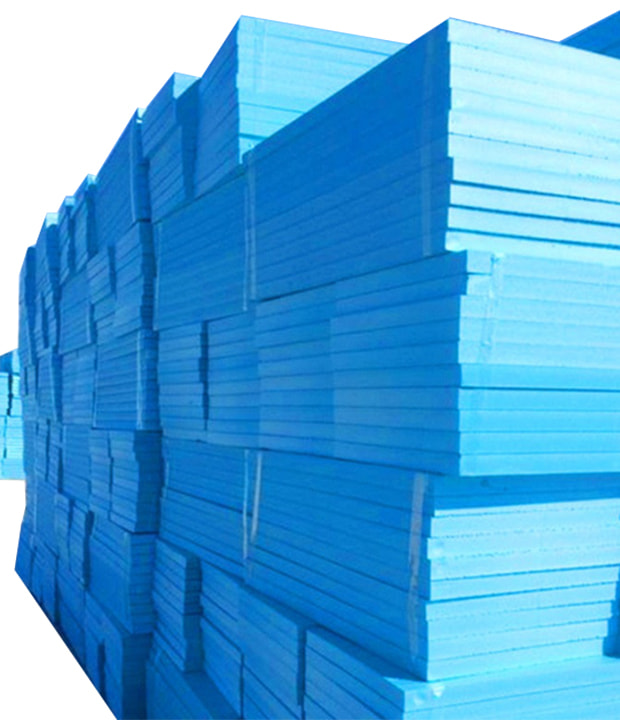 XPS underfloor heating panel
-
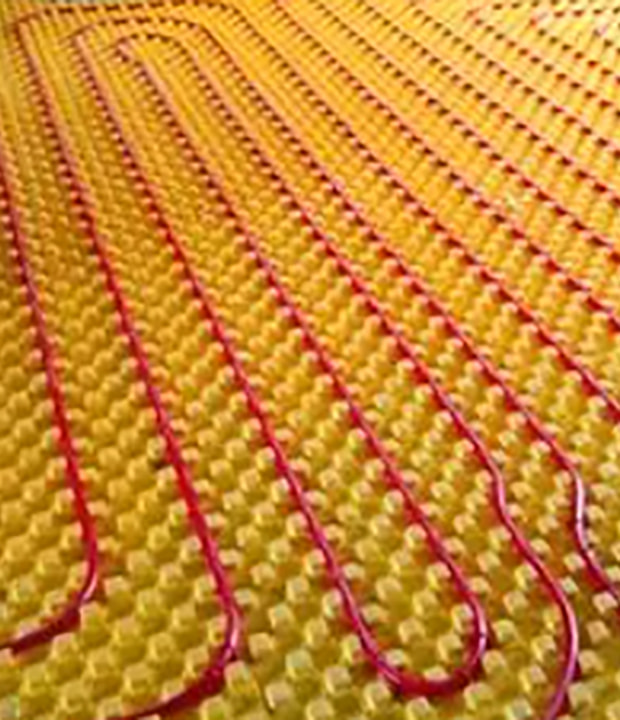 EPS underfloor heating panel
-
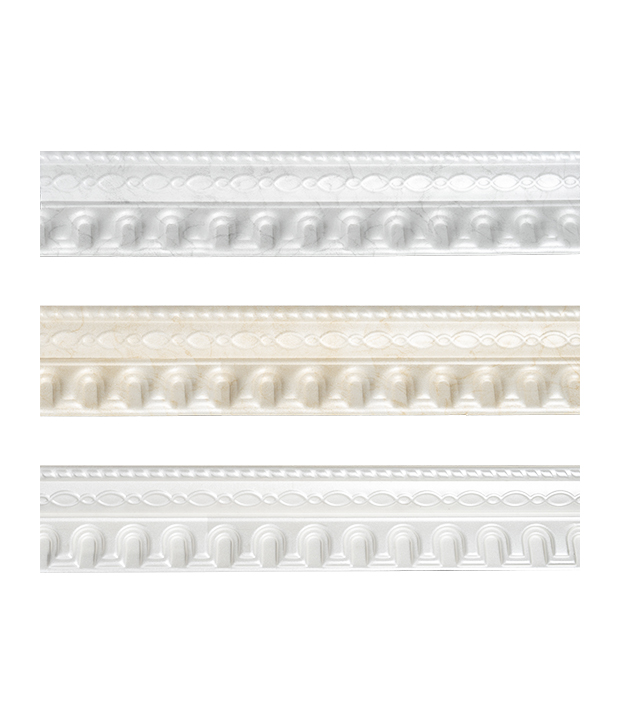 EPS Crown Molding T-06
-
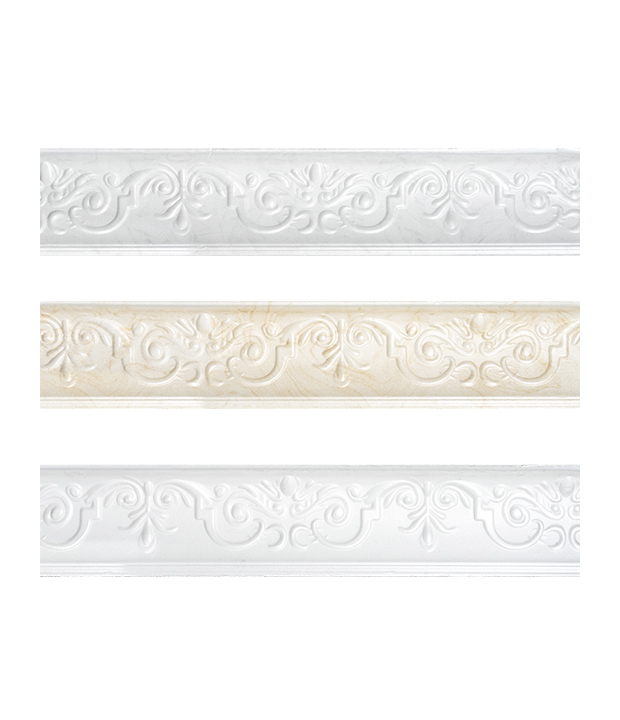 EPS Crown Molding T-04
-
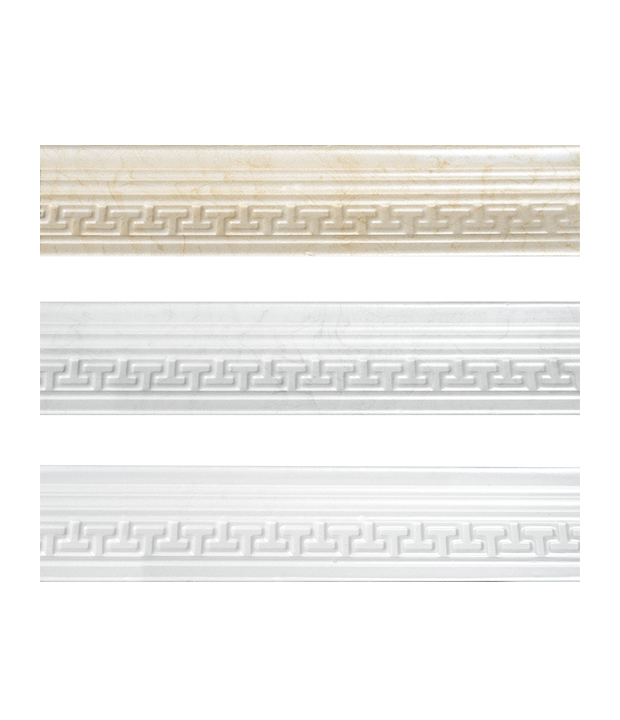 EPS Crown Molding T-02
-
 EPS Crown Molding
-
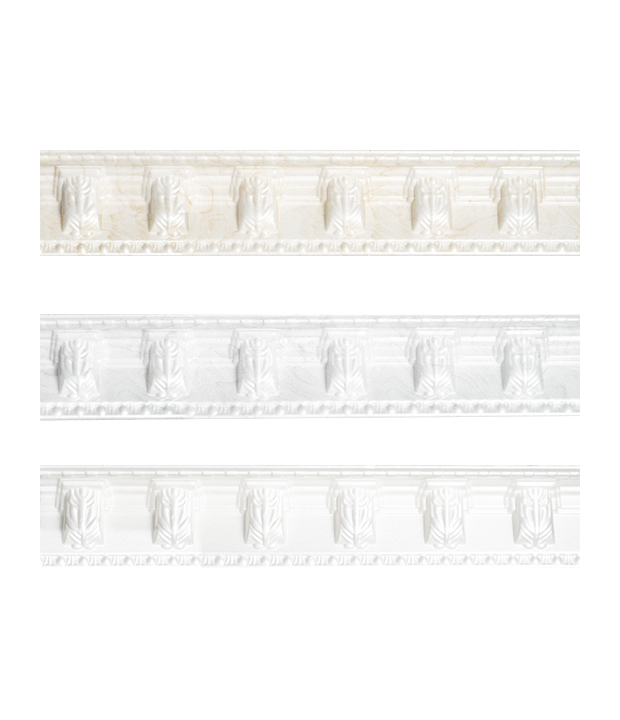 EPS Crown Molding T-18
-
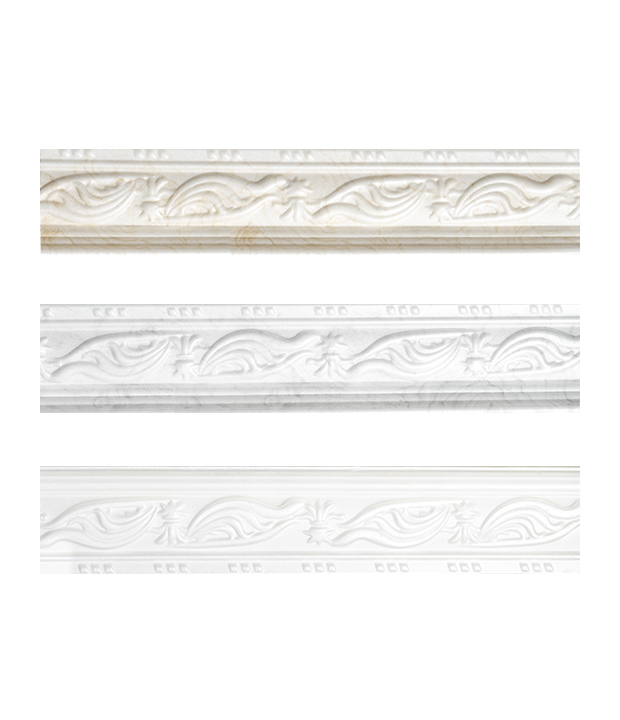 EPS Crown Molding T-20
-
 EPS Crown Molding B-06 B-08 B-10 B-12
-
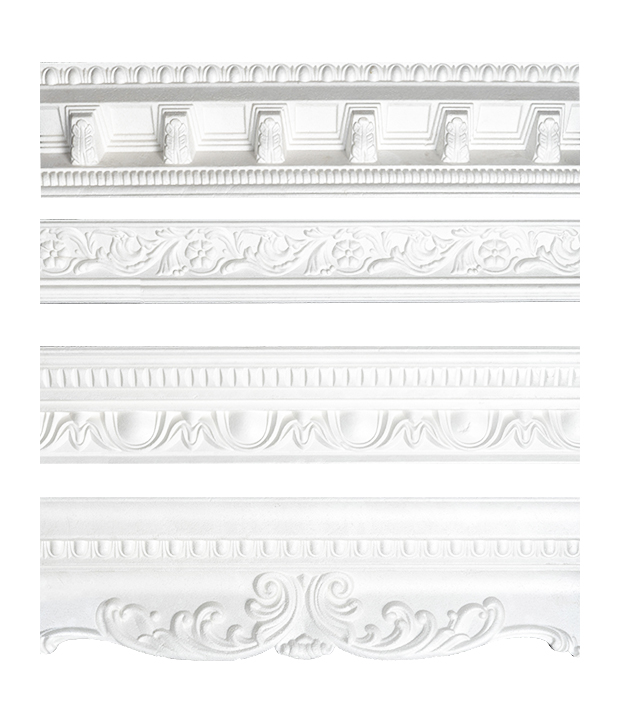 EPS Crown Molding B-22 B-20 B-24 B-18
-
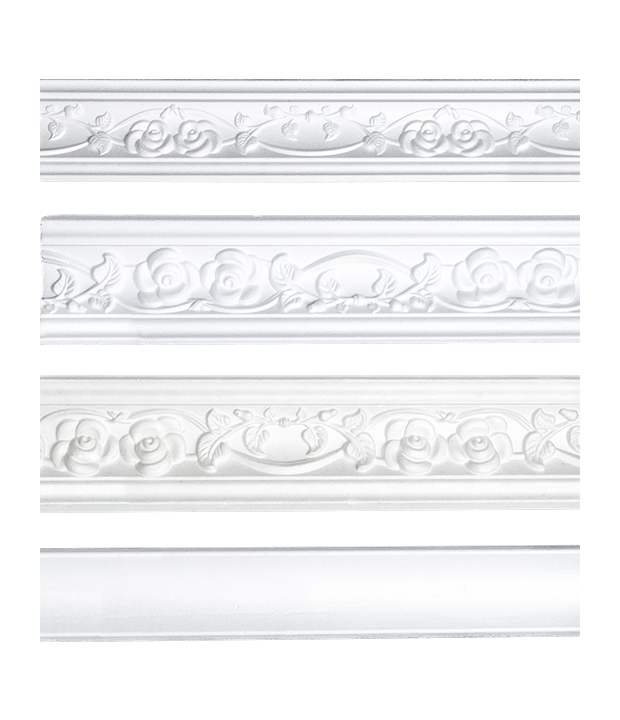 EPS Crown Molding B-26-1 B-26-2 B-26 B-16
-
 EPS Crown Molding B-30 B-28 B-34 B-32
-
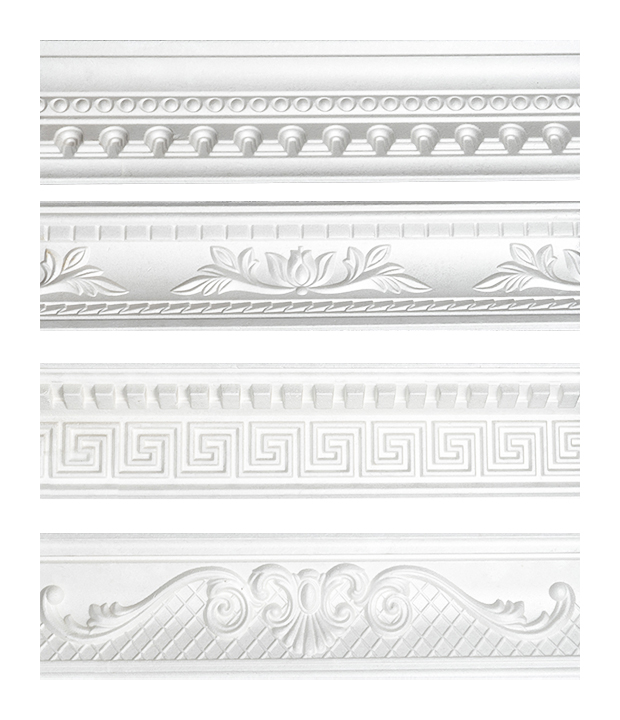 EPS Crown Molding B-42 B-40 B-38 B-36
-
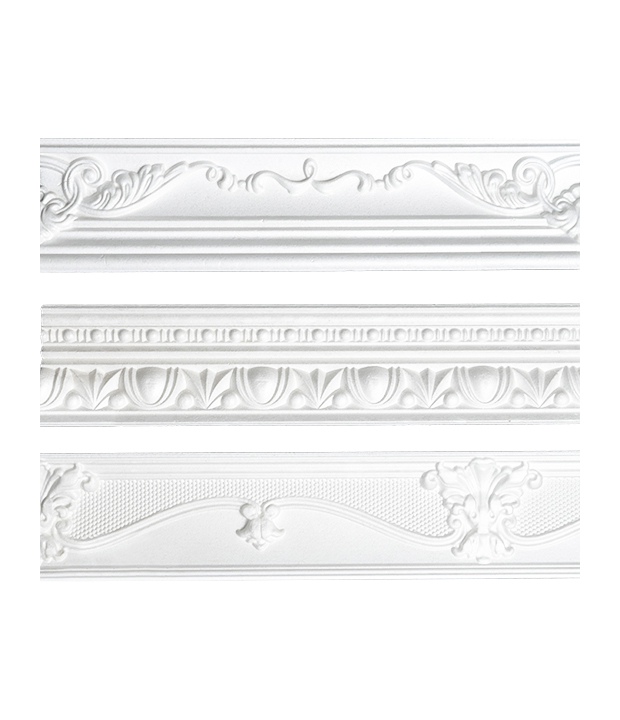 EPS Crown Molding B-60 B-44 B-58
-
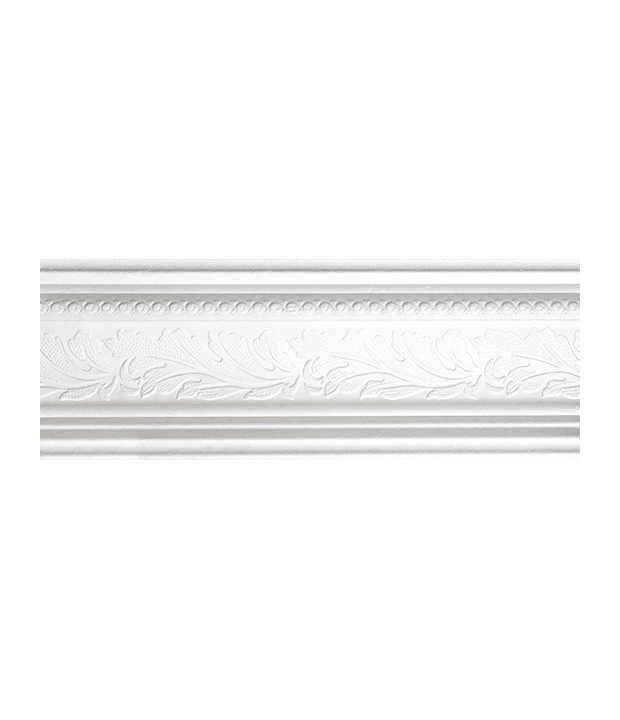 EPS Crown Molding B-56
News
-
-
Introduction What is an EPS Ceiling Medallion? An EPS Ceiling Medallion refers to a decorative ceiling feature made from Expanded Polystyrene (EPS), a type of lightweight foam material. Commonly used ...
READ MORE -
What is a Ceiling Medallion, and How Does it Change the Visual Proportion of Interior Space? In the realm of high-end interior design, the ceiling is no longer an overlooked surface. Often referred to...
READ MORE
Contact info.
- Cell:+86-15951909824 (Amanda)
- Email: amanda@ever-growing.net / 363526407@qq.com
- Add: No.5, Yanhe Rd, Ganduo Indsutrial Park, Gaoyou, Yangzhou, Jiangsu, P.R.O.C.
Quick Links
Copyright © Yangzhou Ever-Growing International Co.,Ltd. All Rights Reserved.
Wholesale Precision Foam Interior Decoration Manufacturers