

 English
 中文简体
中文简体 Español
In the evolution of architectural design, thermal comfort has always been a core metric for measuring quality of life. From open fires to cast-iron radiators and now to radiant heating systems, the un...
READ MORE
Polystyrene Ceiling Tiles: Features, Types, and Installation for Modern Interiors
Mar 26,2026 ------ Industry News
Polystyrene Ceiling Tiles: A Practical Choice for Modern Interiors
Polystyrene ceiling tiles offer a lightweight, durable, and versatile solution for both residential and commercial spaces. These tiles provide a cost-effective way to enhance the visual appeal of ceilings while improving insulation and sound absorption. Unlike traditional plaster or gypsum ceilings, polystyrene tiles are easier to handle and install, reducing labor costs and installation time.
Key Features of Polystyrene Ceiling Tiles
Polystyrene ceiling tiles are designed with several practical features:
- Lightweight Construction: Reduces structural load on ceilings and simplifies installation.
- Moisture Resistance: Polystyrene is resistant to humidity, making it suitable for kitchens and bathrooms.
- Insulation Properties: Provides thermal insulation and contributes to energy efficiency in buildings.
- Fire Retardant Options: Many tiles are manufactured with fire-resistant coatings to enhance safety.
- Customizable Designs: Tiles are available in various patterns, textures, and finishes to match interior décor.
Types of Polystyrene Ceiling Tiles
Embossed Tiles
Embossed polystyrene tiles feature raised patterns that add depth and elegance to ceilings. Common designs include floral motifs, geometric patterns, and classic textures suitable for living rooms, dining areas, and reception halls.
Plain Tiles
Plain polystyrene tiles provide a minimalist aesthetic. They are ideal for commercial spaces, offices, and areas where simplicity is preferred. Their smooth surface allows for easy painting and customization.
Acoustic Tiles
Acoustic polystyrene ceiling tiles are designed to absorb sound and reduce noise levels. They are particularly useful in classrooms, offices, and restaurants where acoustic comfort is important.
Advantages of Using Polystyrene Ceiling Tiles
The practical benefits of polystyrene ceiling tiles include:
- Ease of Installation: Tiles can be cut and fixed quickly using adhesive or grid systems.
- Cost Efficiency: Lower material and labor costs compared to gypsum or wood ceilings.
- Maintenance-Free: Resistant to mold, mildew, and minor water exposure.
- Design Flexibility: Tiles can be painted, textured, or left in original finish for decorative purposes.
- Energy Efficiency: Provides additional insulation, potentially lowering heating and cooling costs.
Installation Methods for Ceiling Tiles
Direct Adhesive Installation
Polystyrene tiles can be glued directly onto a flat ceiling using suitable adhesives. This method is quick and efficient for small areas and simple designs.
Suspended Grid Installation
For larger areas or commercial spaces, a suspended grid system is commonly used. Tiles are placed into pre-installed metal grids, which allow easy removal for maintenance or access to utilities above the ceiling.
Cutting and Fitting Techniques
Polystyrene tiles can be cut using a sharp knife or saw to fit edges, corners, or irregular ceilings. Precision cutting ensures a neat finish and minimal gaps between tiles.
Comparative Table of Ceiling Tile Materials
| Material | Weight | Moisture Resistance | Fire Retardancy | Installation Ease |
|---|---|---|---|---|
| Polystyrene | Lightweight | High | Medium | Easy |
| Gypsum | Moderate | Low | High | Moderate |
| Wood | Moderate to Heavy | Low | Low | Moderate |
Maintenance and Longevity
Polystyrene ceiling tiles require minimal maintenance due to their durable and moisture-resistant properties. Regular dusting and occasional cleaning with a damp cloth are usually sufficient. Unlike gypsum or wood ceilings, polystyrene does not warp or crack easily, making it suitable for long-term use in areas with fluctuating humidity.
Additionally, painted or textured tiles retain their appearance over time, allowing for periodic redecorating without the need to replace entire sections of the ceiling.
our featured products.
Discover the timeless beauty and craftsmanship of Evergrowing through our featured products.
-
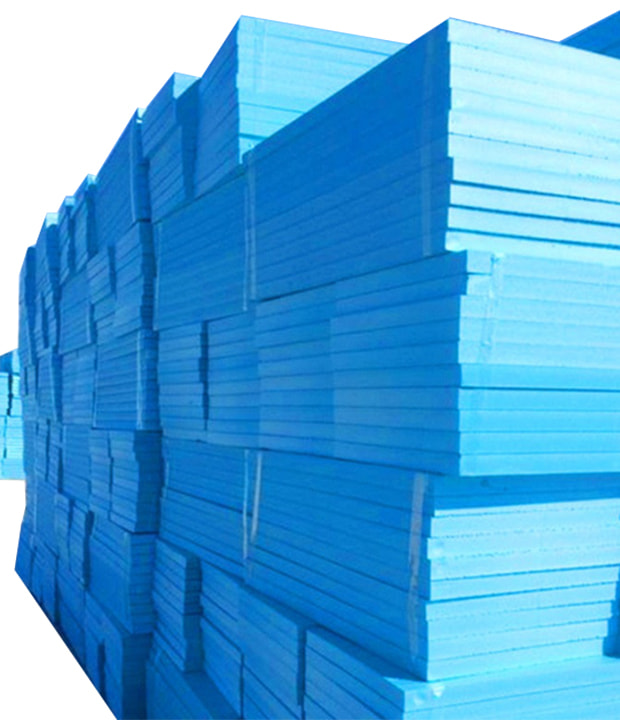 XPS underfloor heating panel
-
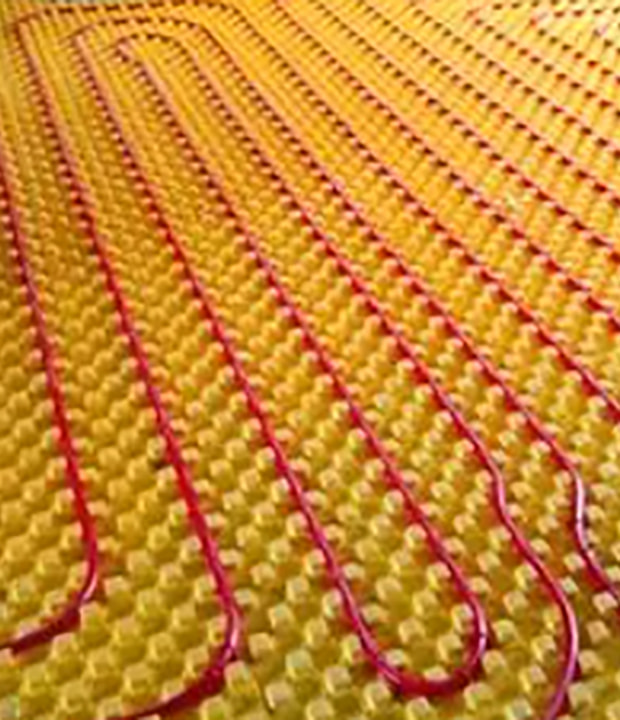 EPS underfloor heating panel
-
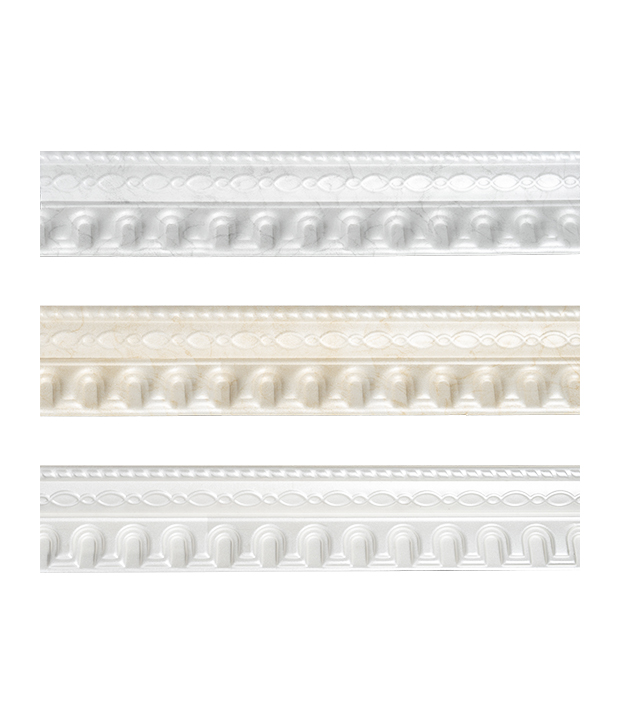 EPS Crown Molding T-06
-
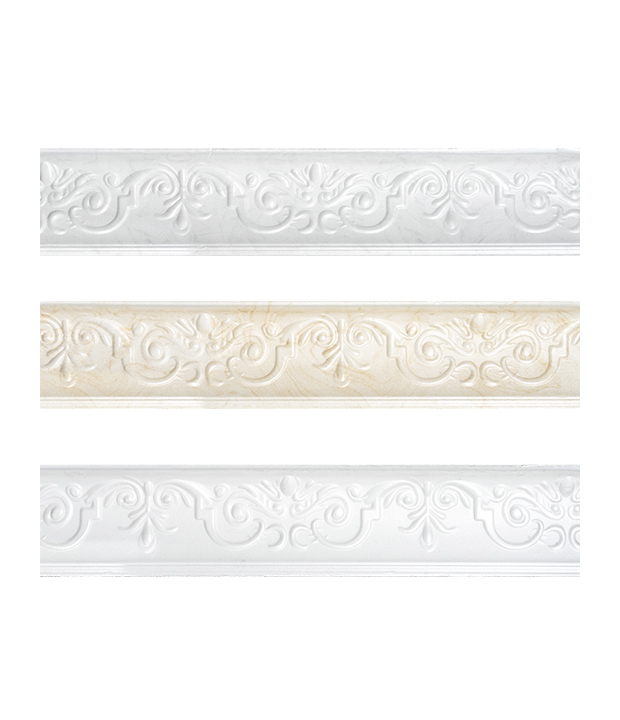 EPS Crown Molding T-04
-
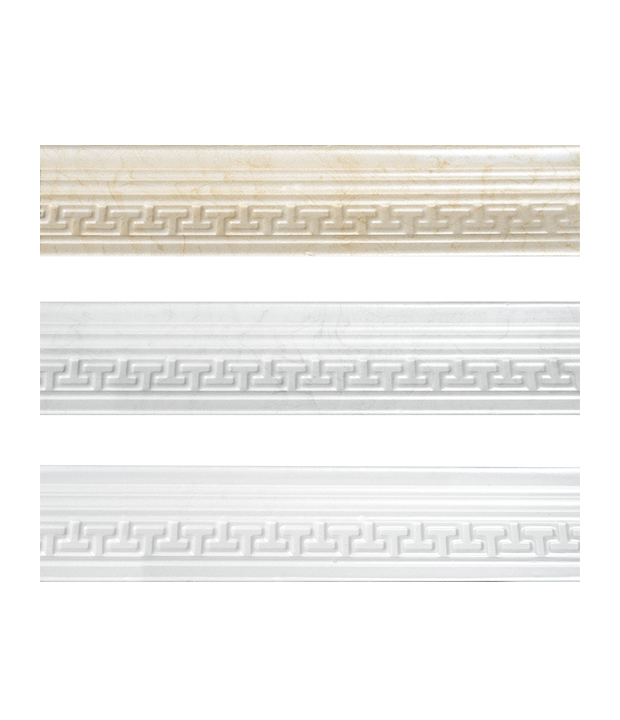 EPS Crown Molding T-02
-
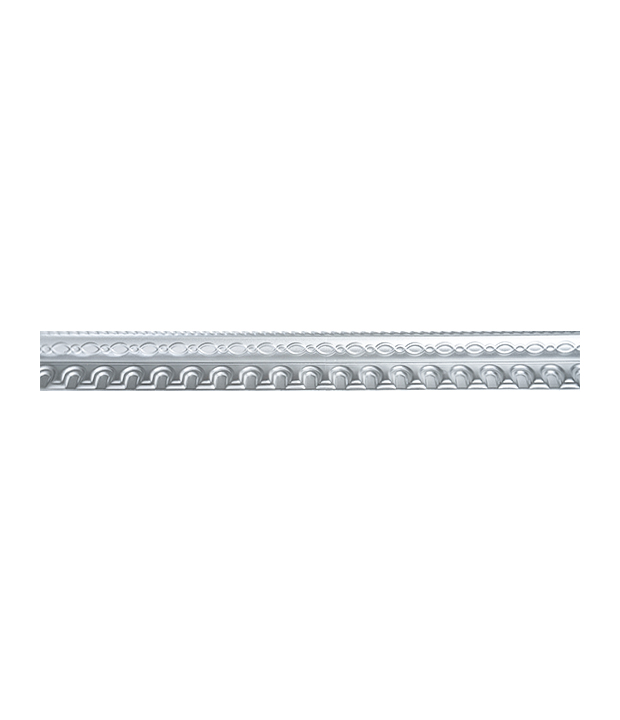 EPS Crown Molding
-
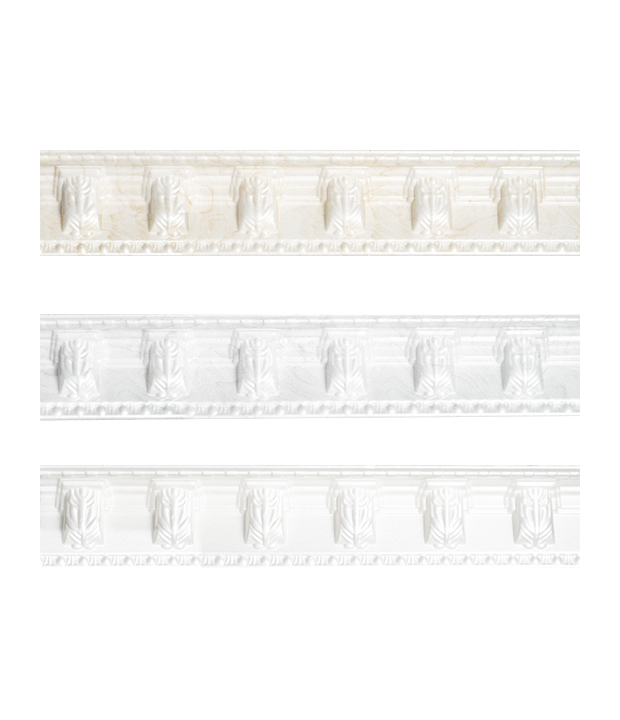 EPS Crown Molding T-18
-
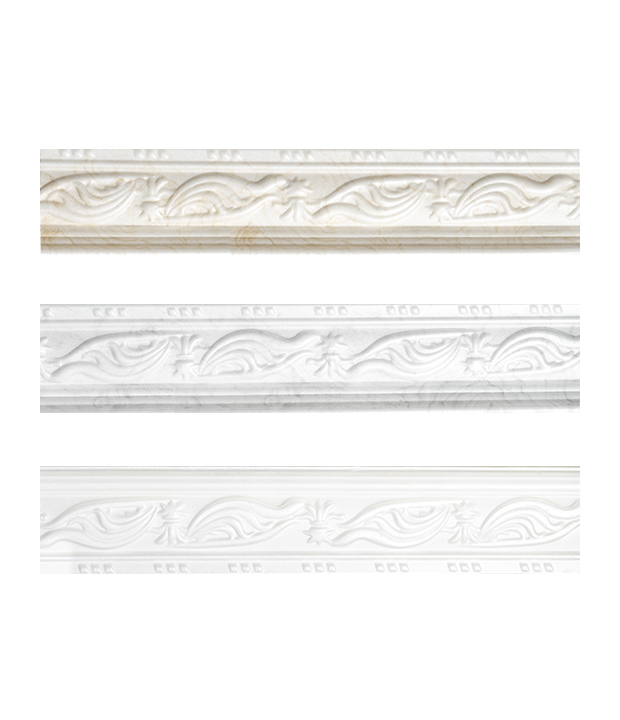 EPS Crown Molding T-20
-
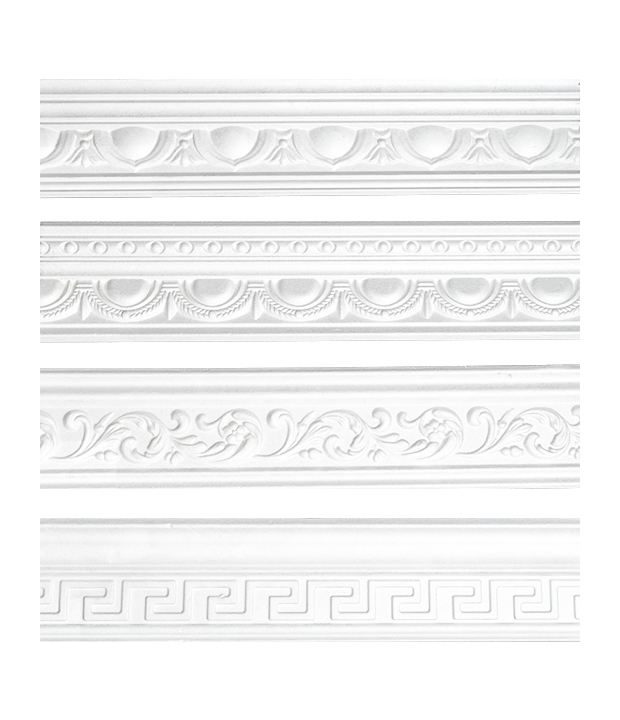 EPS Crown Molding B-06 B-08 B-10 B-12
-
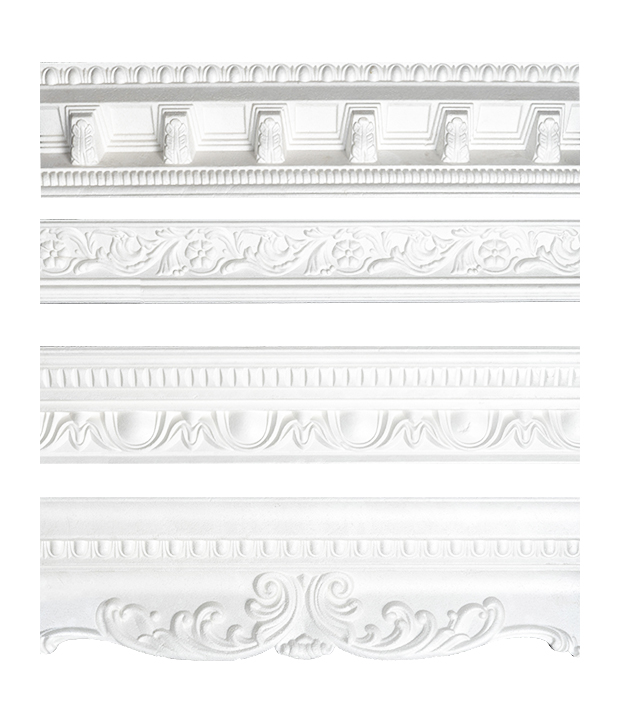 EPS Crown Molding B-22 B-20 B-24 B-18
-
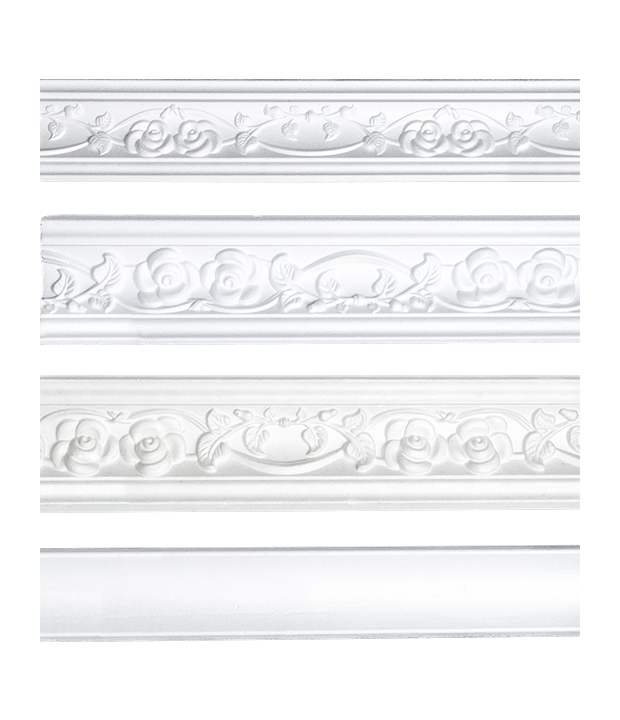 EPS Crown Molding B-26-1 B-26-2 B-26 B-16
-
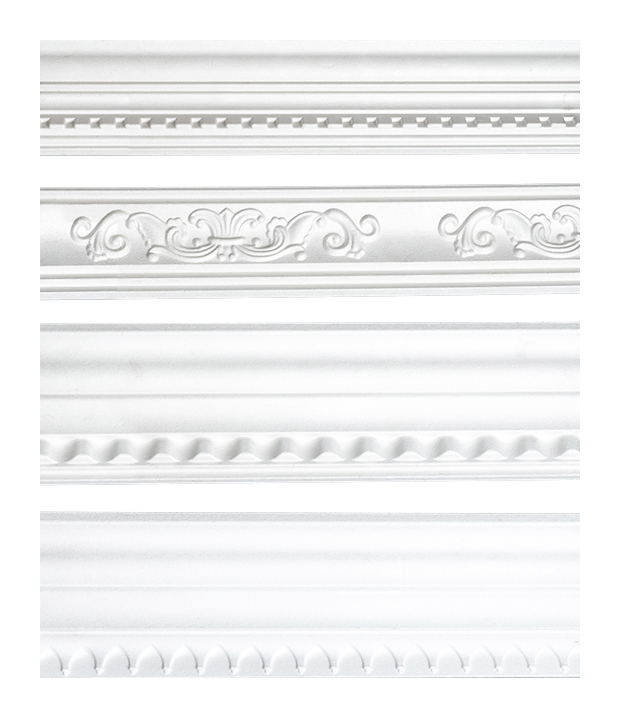 EPS Crown Molding B-30 B-28 B-34 B-32
-
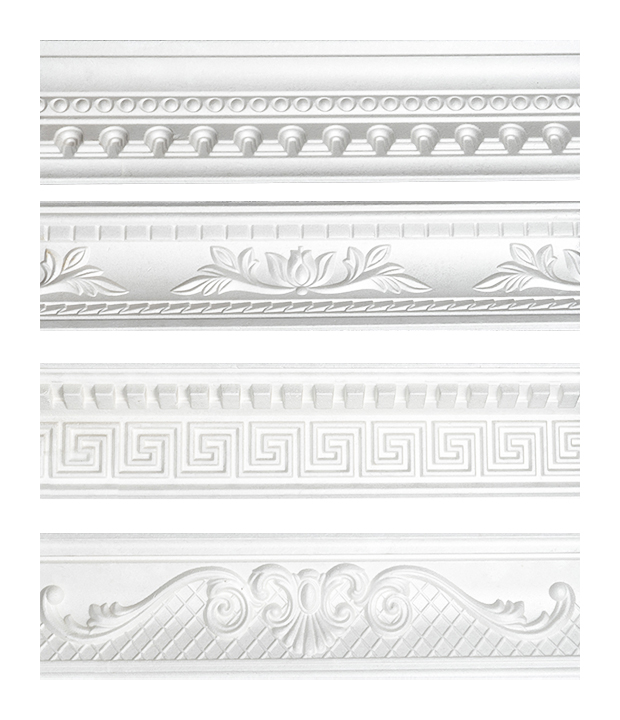 EPS Crown Molding B-42 B-40 B-38 B-36
-
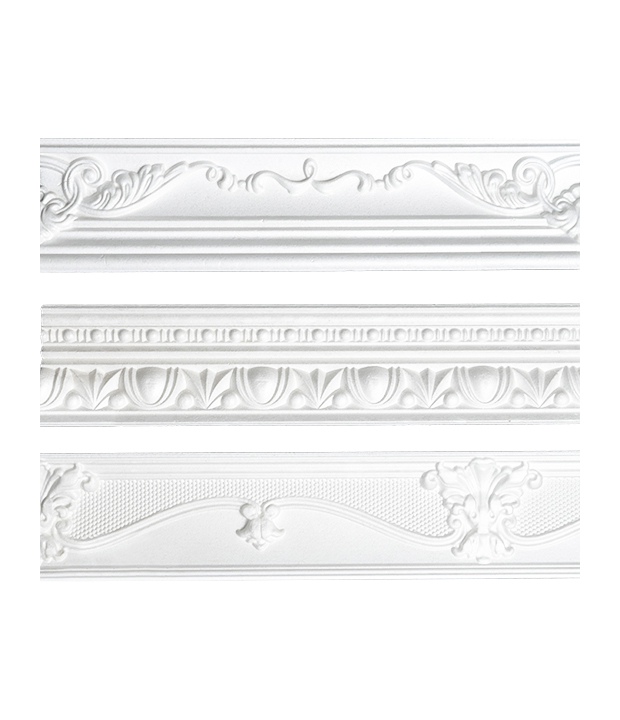 EPS Crown Molding B-60 B-44 B-58
-
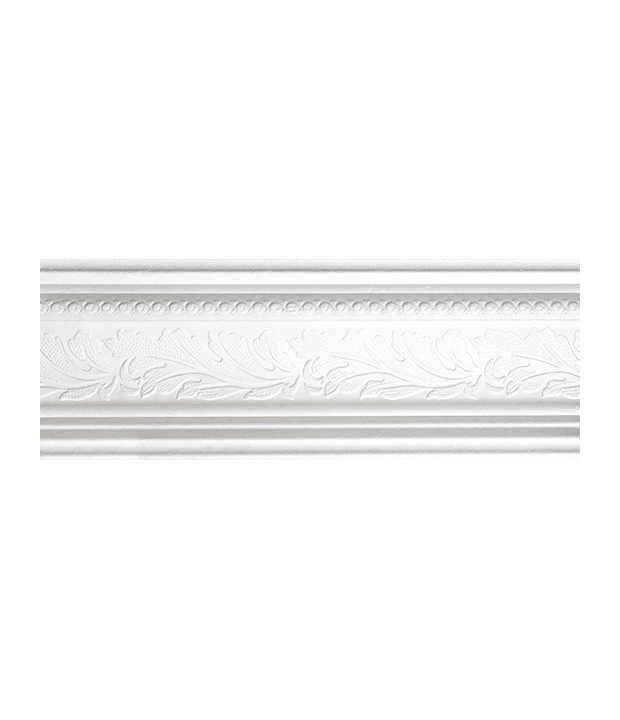 EPS Crown Molding B-56
News
-
-
Introduction What is an EPS Ceiling Medallion? An EPS Ceiling Medallion refers to a decorative ceiling feature made from Expanded Polystyrene (EPS), a type of lightweight foam material. Commonly used ...
READ MORE -
What is a Ceiling Medallion, and How Does it Change the Visual Proportion of Interior Space? In the realm of high-end interior design, the ceiling is no longer an overlooked surface. Often referred to...
READ MORE
Contact info.
- Cell:+86-15951909824 (Amanda)
- Email: amanda@ever-growing.net / 363526407@qq.com
- Add: No.5, Yanhe Rd, Ganduo Indsutrial Park, Gaoyou, Yangzhou, Jiangsu, P.R.O.C.
Quick Links
Copyright © Yangzhou Ever-Growing International Co.,Ltd. All Rights Reserved.
Wholesale Precision Foam Interior Decoration Manufacturers