

 English
 中文简体
中文简体 Español
In the evolution of architectural design, thermal comfort has always been a core metric for measuring quality of life. From open fires to cast-iron radiators and now to radiant heating systems, the un...
READ MORE
Decorative Ceiling Medallion Guide: EPS vs PU, Sizing, and Installation Tips
Aug 20,2026 ------ Industry News
A newly installed chandelier or pendant light should anchor a room visually, yet the gap between the ceiling junction box and the fixture canopy often looks unfinished. A decorative ceiling medallion closes that gap, frames the light, and adds architectural character without any structural work. The practical conclusion for most projects is clear: lightweight EPS and PU foam medallions reproduce the look of traditional plaster at a fraction of the weight, cost, and installation effort. What follows is a practical comparison of the two materials, the sizing rules that matter, and the installation mistakes that cost contractors time on site.
What a Decorative Ceiling Medallion Does
Ceiling medallions date back to the eighteenth century, when European craftsmen carved plaster rosettes around chandelier mounting points. The original function was both practical and decorative: the plaster covered the rough hole where the chandelier chain or cord passed through the ceiling, while the concentric rings and leaf motifs gave the fixture a deliberate, finished transition from ceiling plane to hanging lamp.
Modern medallions serve the same two purposes. They hide junction box gaps, hairline cracks, and paint irregularities around the ceiling penetration, and they create a visual anchor that makes a light fixture feel planned rather than improvised. A well-proportioned medallion also shifts the perceived scale of a room. A small rosette under a tall ceiling makes the space feel more intimate, while a large, layered medallion in an open living area reinforces a formal design without sacrificing ceiling height. In commercial interiors, the same piece is often used in hotel lobbies, restaurants, and retail spaces to define a chandelier zone without building a bulkhead.
EPS vs PU: Choosing the Right Medallion Material
Solid plaster medallions are rarely specified in residential projects today. The weight, cost, and installation labour are all high. Instead, most decorative centre medallions are molded in one of two foams: expanded polystyrene (EPS) or rigid polyurethane (PU). Carved wood remains an option for traditional interiors, but it brings sealing and moisture concerns of its own. The table below compares the four main choices and explains why the shift to foam has been so rapid; the practical reasons behind the trend are covered in more detail in this look at why PU and EPS ceiling medallions are becoming a popular finishing choice.
| Material | Weight | Surface Detail | Moisture Resistance | Relative Cost | Best Used For |
|---|---|---|---|---|---|
| EPS | Very light; a 60 cm medallion weighs roughly 0.3-0.5 kg | Clean profiles with moderate depth | Good; closed-cell structure resists water | Lowest | Large diameters, budget projects, DIY installation |
| PU | Denser than EPS but still a fraction of plaster weight | Crisp, deep, sharply defined patterns | Excellent; denser closed-cell surface | Moderate | Detailed profiles, screw-mounted accessories, humid areas |
| Plaster | Heavy; several kilograms even for small pieces | Authentic and very crisp | Poor; absorbs moisture and cracks over time | Highest | Heritage restoration and strict authenticity |
| Wood | Moderate to heavy | Dependent on carving quality | Poor unless sealed thoroughly | High | Traditional interiors with stained finishes |
Within the two foam options, the deciding factors are surface hardness and screw retention. EPS is soft enough that a fingernail can dent it, so it is best applied with adhesive and only light mechanical fixing. PU is noticeably firmer: it holds a screw better, resists chipping during transport and installation, and reproduces fine detail more accurately. This is why manufacturers like our own foam molding plant maintain both EPS and PU product lines rather than forcing one material into every job.
How to Size a Ceiling Medallion Correctly
Size is the most common mistake in medallion selection, and it is easy to get wrong because a medallion looks larger on a showroom shelf than it does on a ceiling. Start with the fixture, not the medallion. A useful rule of thumb is that the medallion diameter should be roughly twice the width of the fixture canopy, and no more than one-third of the shortest wall dimension in the room. In a typical 4 by 5 metre bedroom, that works out to a 50-60 cm medallion for a standard 30 cm chandelier canopy.
Ceiling height modifies the calculation. For ceilings of 2.4 to 2.7 metres, keep the medallion between 45 and 60 cm so it does not crowd the visual field. At 3 metres and above, a 70-90 cm medallion looks balanced and can make the ceiling feel higher by drawing the eye toward the centre. In stairwells or double-height entrances, 100 cm or wider is acceptable because the viewing distance is greater. Style also matters: flat, smooth discs suit modern and minimalist interiors, while rosettes with acanthus, laurel, or stepped concentric rings belong in classic and transitional rooms. If you are new to foam ceiling decorations, read the ultimate guide to EPS ceiling medallions before ordering, as it covers the common profiles and the recommended fitting order in more detail.
Installation: What to Watch Out For
Installation of a foam medallion is a one-person job in most cases, which is exactly why contractors prefer it to plaster. The basic sequence is short and repeatable.
- Clean the ceiling surface and remove loose paint or dust around the junction box.
- Dry-fit the medallion, mark the centre, and confirm the cutout aligns with the fixture hole.
- Apply a solvent-free construction adhesive in a zigzag pattern on the back of the medallion.
- Press the medallion into place and hold it for about 30 seconds; use a temporary prop if the ceiling is textured.
- Paint the medallion with a latex or acrylic primer either before installation or as a final coat after touching up the seams.
The most frequent on-site failures come from a handful of avoidable errors:
- Choosing a medallion too small for the fixture, so the canopy overlaps the inner ring and hides the design.
- Using solvent-based adhesive, which melts EPS foam and creates a rough, blotchy surface.
- Letting the fixture hang from the medallion; a chandelier must always anchor to the junction box or a structural support.
- Installing over heavy stipple or popcorn texture without scraping the contact area flat, which leaves visible gaps and a weak bond.
- Forgetting to pre-cut a slot for a pendant cord, then straining the cord against the edge of the medallion during final wiring.
One extra consideration applies to PU: because the material is denser, it accepts fine screws for securing thin trim rings or decorative rosettes on top of the main medallion. EPS requires care with any screw fixing since the bead structure can crush under point pressure.
Buying at Factory Level: Quality and Customization
When you buy in volume or specify medallions for several rooms, the factory behind the product matters more than the retail photo. In our own facility in Jiangsu, China, we have run foam molding lines for over 30 years, covering EPS, PU, XPS, and PS products, and the 30,000-square-metre workshop gives us the capacity to hold large-diameter medallions in stock and to produce custom runs without long lead times. Quality checks on a molded medallion are straightforward: the surface skin should be smooth and free of pinholes, the edges should be clean rather than brittle, and the profile should be uniform across the full circumference.
For large-diameter runs, the EPS ceiling medallion is the workhorse of our production line. Because EPS starts as expanded beads, the molded part stays at roughly one-tenth the weight of an equivalent plaster piece, which directly reduces shipping cost and on-site injury risk. The same material is also easy to cut on site if the electrician leaves the junction box opening slightly off-centre.
Customization is another factory-level advantage. We regularly mold medallions at non-standard diameters, adjust the centre hole to fit oversized fixture canopies, and add a recessed groove for LED strip lighting. For a production run, we can also match the profile of an existing crown molding or baseboard line so the medallion becomes part of a coordinated interior package rather than a standalone accent.
Final Buying Considerations
Match the material to the conditions of the room as much as to the style. For standard bedrooms, living rooms, and dining areas with ceilings up to 3 metres, EPS offers the best value and the easiest handling. It paints well, stays firmly adhered with construction adhesive, and its light weight means no extra reinforcement is needed on the ceiling structure.
Choose PU when the medallion must survive more demanding conditions. Bathroom ceilings, kitchens with steam from cooking, and commercial spaces with frequent cleaning all favour the denser material. PU also holds a painted finish with a harder, glossier surface, and it is the better choice when the profile is deeply sculpted and would show damage easily in softer EPS. For such projects, a PU ceiling medallion with a layered rosette pattern is worth the higher unit price because it keeps its sharp edges and resists the dents that soft foam can pick up during site work.
Before committing to an order, check two numbers: the outer diameter of the fixture canopy and the diameter of the medallion centre hole. The canopy must cover the hole completely, and the medallion outer edge should extend beyond the canopy by a margin that looks intentional, usually at least 10 cm on each side. If you are specifying for a large project, order one sample of each shortlisted material and install it on a test board to compare paint absorption, weight, and how the profile looks from the floor.
our featured products.
Discover the timeless beauty and craftsmanship of Evergrowing through our featured products.
-
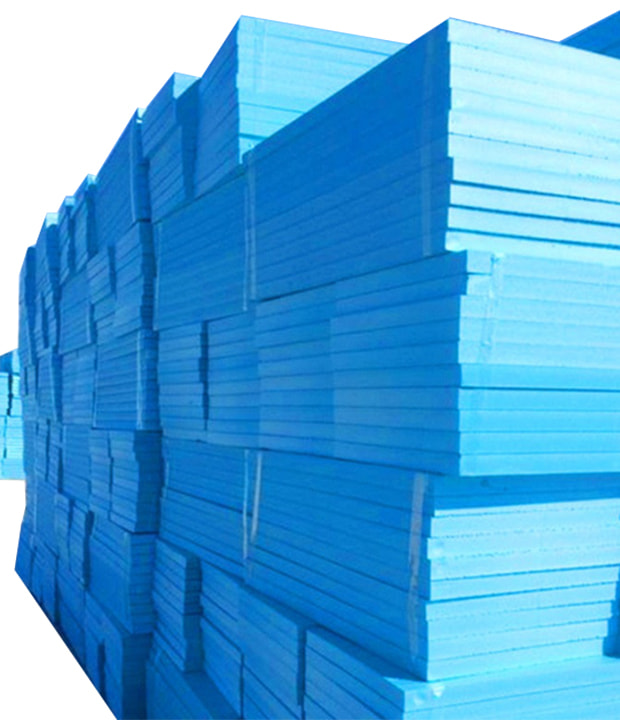 XPS underfloor heating panel
-
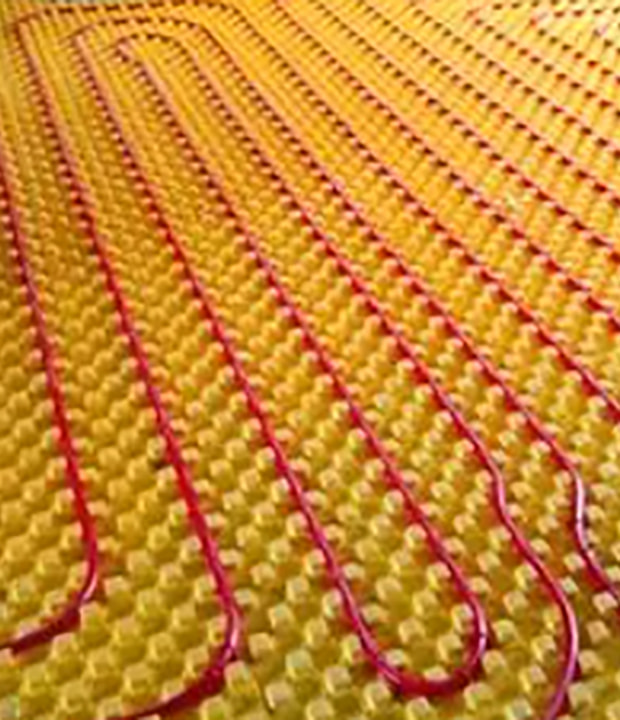 EPS underfloor heating panel
-
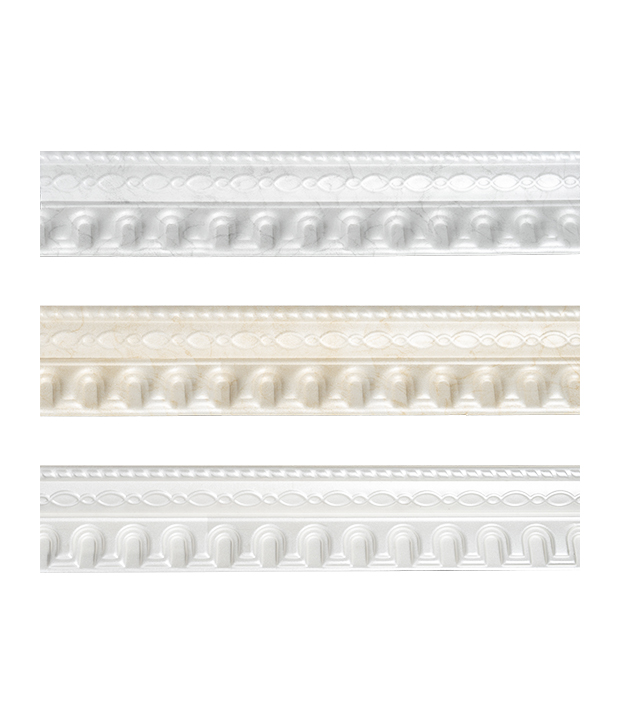 EPS Crown Molding T-06
-
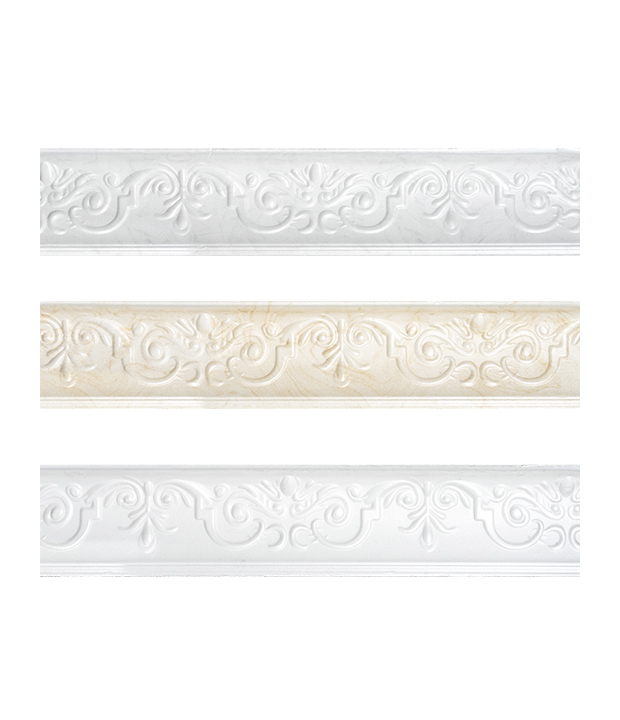 EPS Crown Molding T-04
-
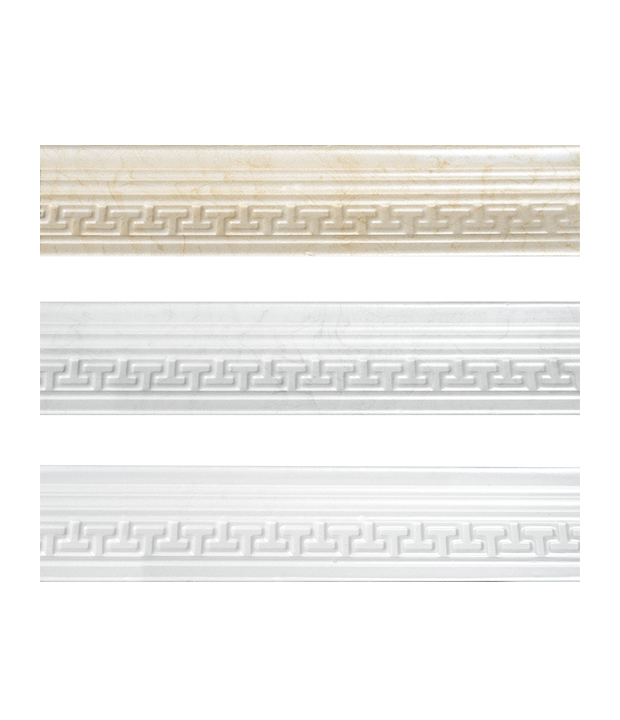 EPS Crown Molding T-02
-
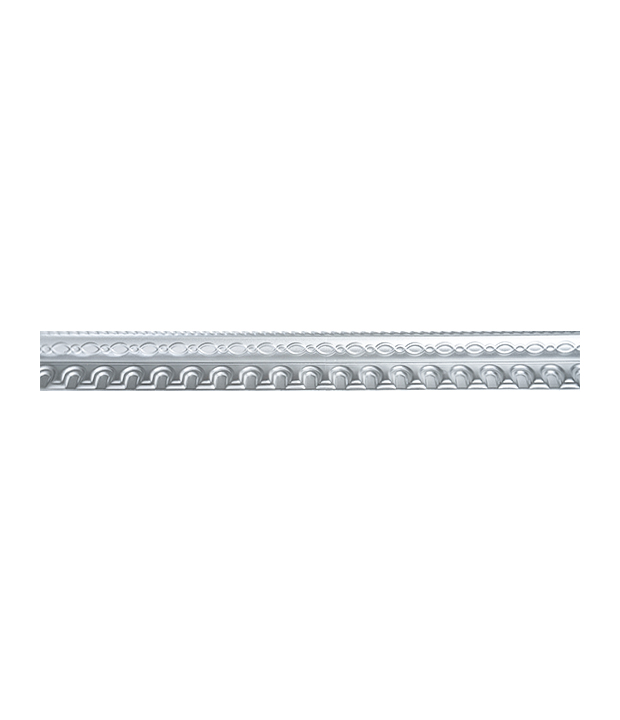 EPS Crown Molding
-
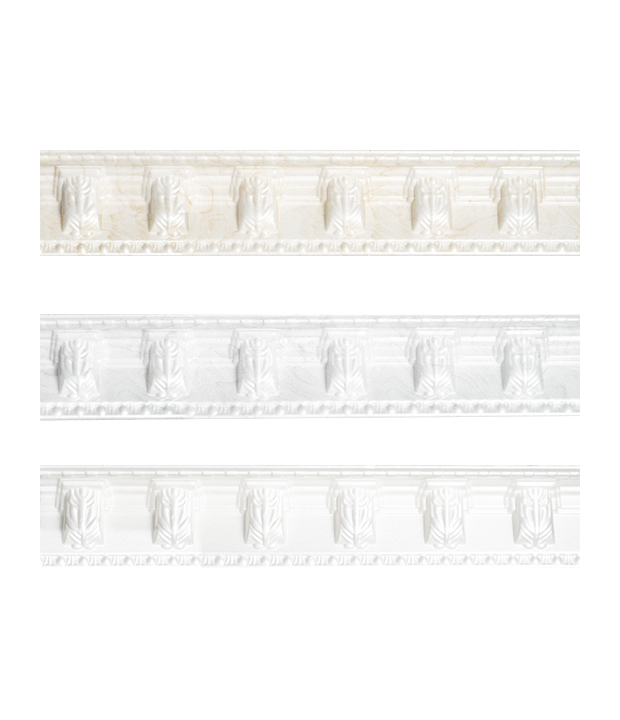 EPS Crown Molding T-18
-
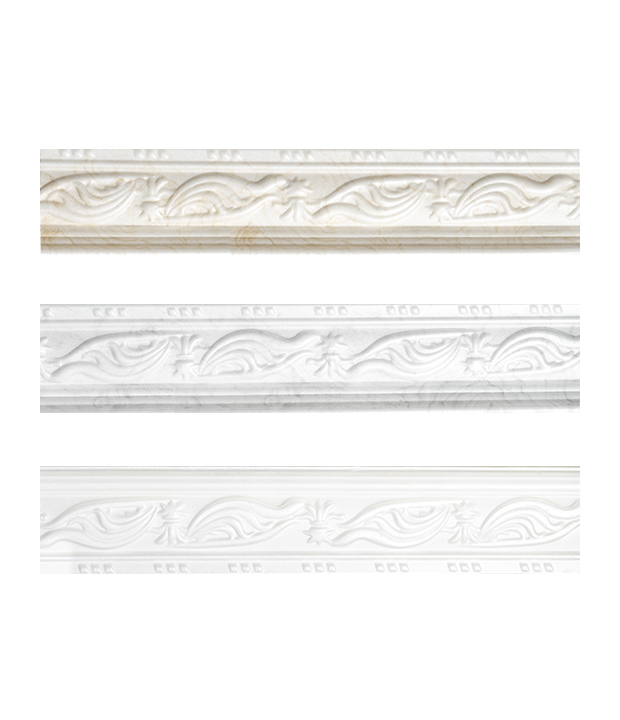 EPS Crown Molding T-20
-
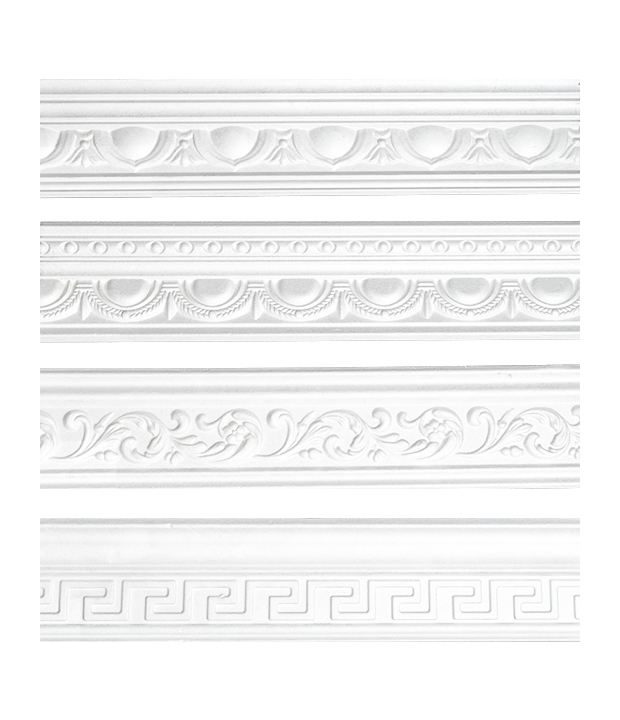 EPS Crown Molding B-06 B-08 B-10 B-12
-
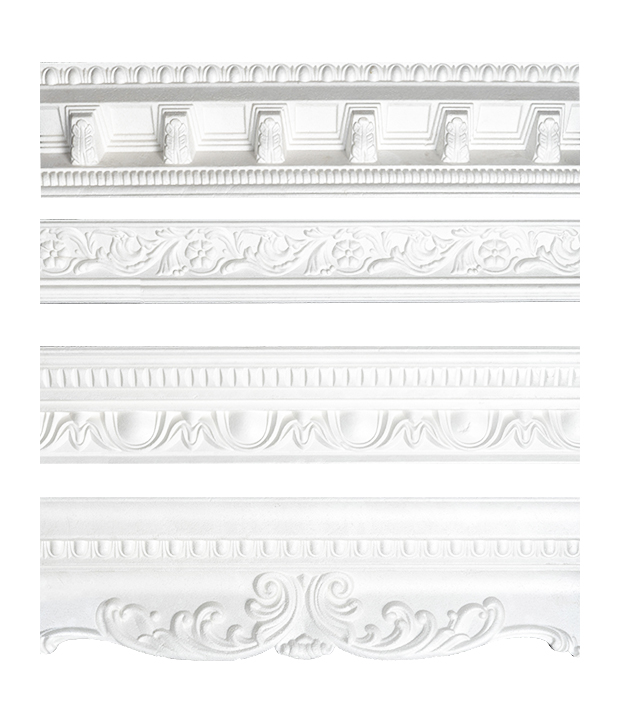 EPS Crown Molding B-22 B-20 B-24 B-18
-
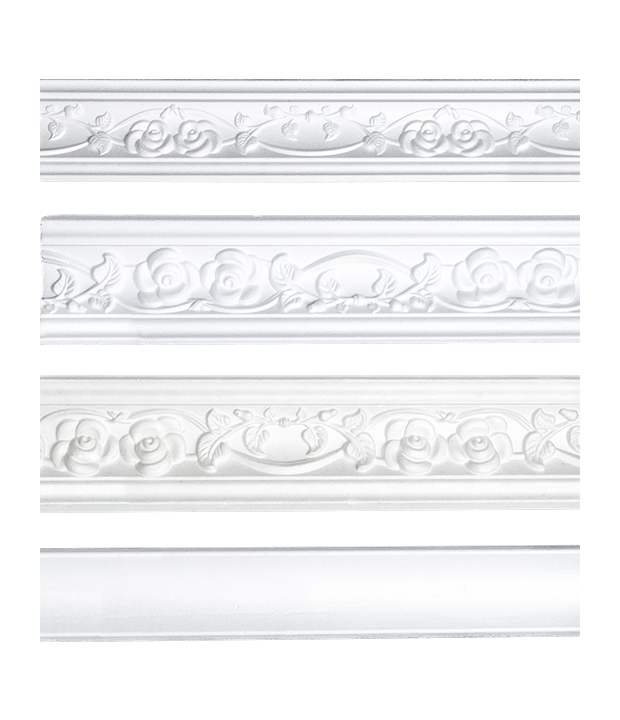 EPS Crown Molding B-26-1 B-26-2 B-26 B-16
-
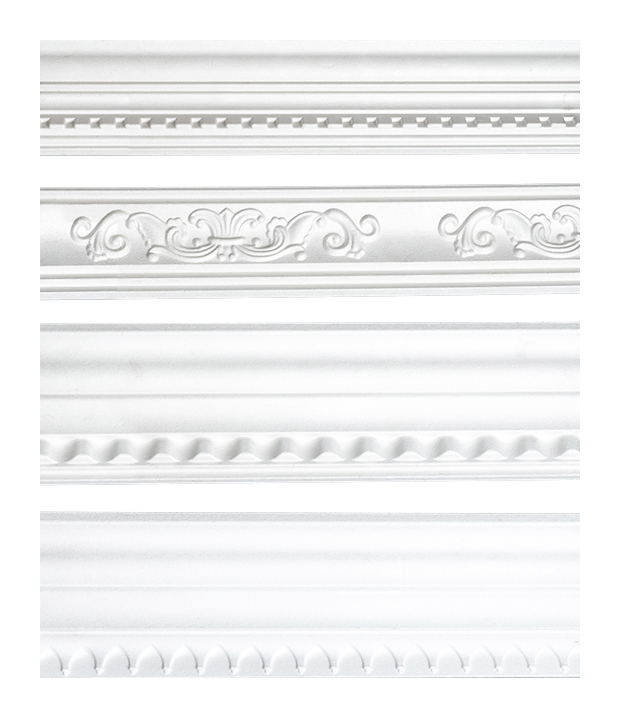 EPS Crown Molding B-30 B-28 B-34 B-32
-
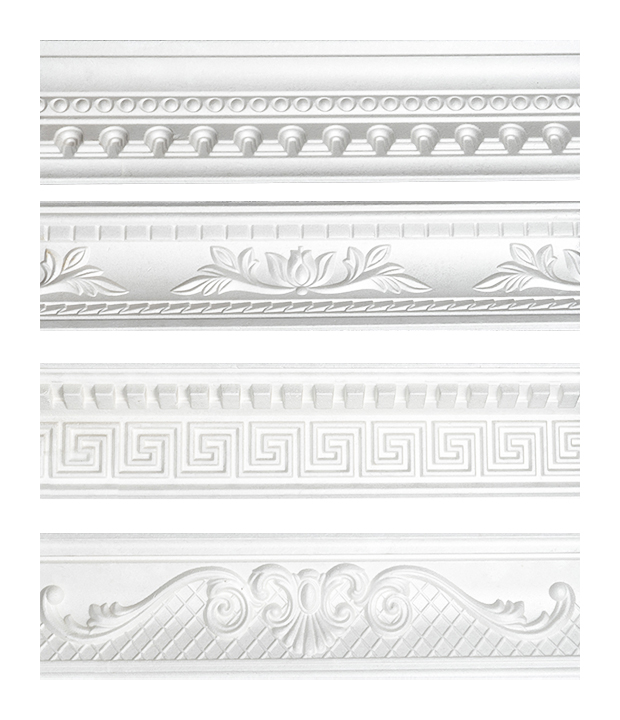 EPS Crown Molding B-42 B-40 B-38 B-36
-
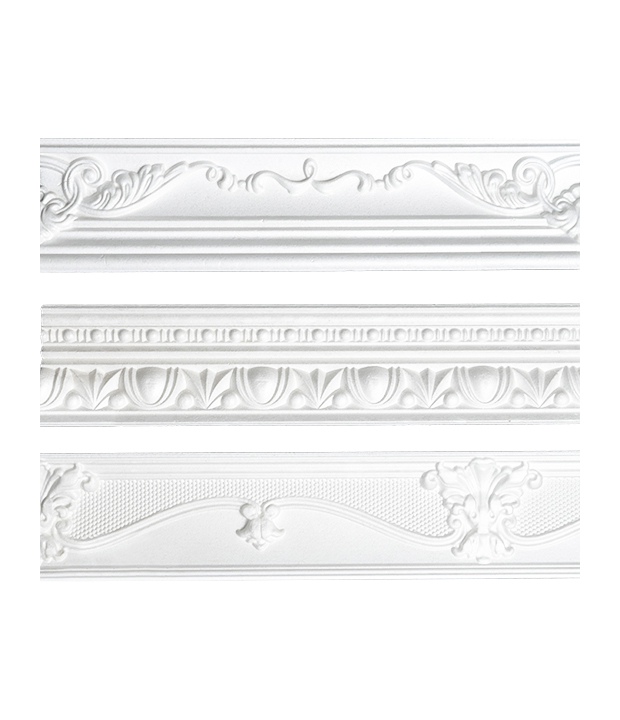 EPS Crown Molding B-60 B-44 B-58
-
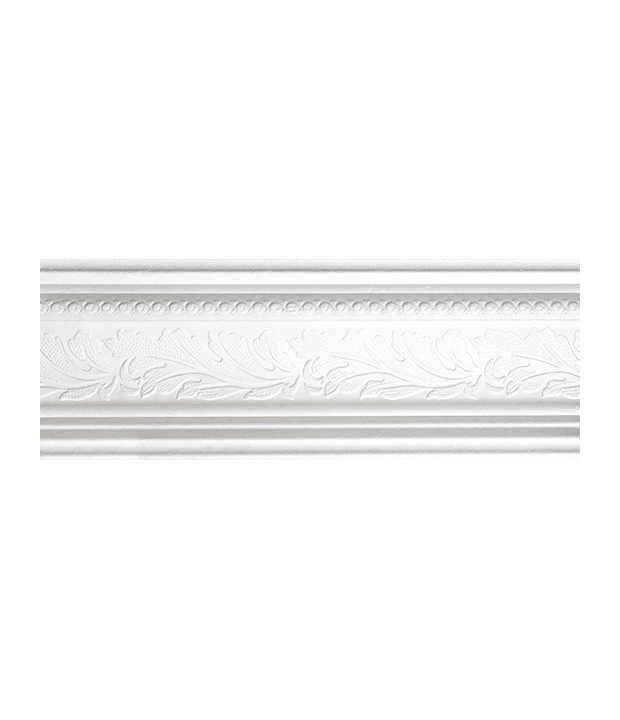 EPS Crown Molding B-56
News
-
-
Introduction What is an EPS Ceiling Medallion? An EPS Ceiling Medallion refers to a decorative ceiling feature made from Expanded Polystyrene (EPS), a type of lightweight foam material. Commonly used ...
READ MORE -
What is a Ceiling Medallion, and How Does it Change the Visual Proportion of Interior Space? In the realm of high-end interior design, the ceiling is no longer an overlooked surface. Often referred to...
READ MORE
Contact info.
- Cell:+86-15951909824 (Amanda)
- Email: amanda@ever-growing.net / 363526407@qq.com
- Add: No.5, Yanhe Rd, Ganduo Indsutrial Park, Gaoyou, Yangzhou, Jiangsu, P.R.O.C.
Quick Links
Copyright © Yangzhou Ever-Growing International Co.,Ltd. All Rights Reserved.
Wholesale Precision Foam Interior Decoration Manufacturers