

 English
 中文简体
中文简体 Español
In the evolution of architectural design, thermal comfort has always been a core metric for measuring quality of life. From open fires to cast-iron radiators and now to radiant heating systems, the un...
READ MORE
Classic Crown Molding: Styles, Materials & Installation Guide
Aug 13,2026 ------ Industry News
What Is Classic Crown Molding?
Walk into a room with an untreated ceiling line, and your eye stops at the hard angle where the wall meets the ceiling. Classic crown molding replaces that abrupt corner with a gentle concave curve and a set of stepped ridges that carry the eye along the perimeter of the room. The word classic refers to the molding's architectural ancestry. The profile imitates the cornices found in Greek and Roman temples, where layered moldings were used to make massive stone structures feel lighter and more refined.
Classic crown molding is defined more by its profile than by any specific material. A true classic profile usually includes:
- A concave curve or coved section that softens the angle between wall and ceiling.
- Two or more stepped horizontal layers that create changing shadow lines.
- A projecting nose or lip at the lower edge to give the molding a clear visual boundary.
This form is different from baseboard molding, which sits at the floor, and different from simple flat trim strips, which offer little depth. Crown molding sits at the ceiling transition and gives a room a finished, architectural quality. In a room with tall walls, a wider profile can visually pull the ceiling down and make the space feel more intimate. In a smaller room, a modest profile adds detail without making the ceiling feel lower.
Why Classic Crown Molding Remains a Timeless Choice
The lasting appeal of classic crown molding is its compatibility with many interior styles. It works in traditional living rooms, transitional kitchens, and modern-classic apartments. It does not demand period furniture or ornate accessories. The curved and layered profile simply gives a room a more deliberate finish.
There is also a practical reason for its staying power. The joint between a wall and a ceiling is rarely straight. Drywall corner bead, irregular plaster, and settling foundations all create slight wobbles. Crown molding covers those imperfections with a clean line that follows the ceiling but also hides the messy edge that drywall contractors often struggle to smooth out.
Classic crown molding can also influence perceived property value. Potential buyers see details such as crown molding as upgrades because they are difficult and messy to add after the floors and paint are finished. Compared to minimalist square molding, the classic profile has a softer visual weight. It absorbs light and creates shadows rather than presenting a single hard edge. That is why designers still use it in transitional interiors where they want the warmth of tradition without making the room feel old-fashioned.
Classic Crown Molding by Material: EPS, PU, PS, and XPS
Once you settle on a classic profile, the first real purchasing decision is material. Foam crown molding is lightweight, paintable, and much easier to install than wood, but not all foam behaves the same. As a foam factory that produces EPS, PU, PS, and XPS profiles, we see the differences in density, surface quality, moisture resistance, and cost every day. This section compares the four common options from a manufacturer's perspective.
| Material | Density and surface | Moisture resistance | Best suited for | Cost position |
|---|---|---|---|---|
| EPS | Low density, soft, porous | Absorbs moisture if uncoated | Budget projects, large areas | Lowest |
| PU | Medium to high density, hard | Good in normal room conditions | Living rooms, formal spaces | Higher |
| PS | High surface density, smooth | Moderate, avoid standing water | Fine painted interiors | Mid-range |
| XPS | Highest density, closed-cell structure | Very low water absorption | Bathrooms, kitchens, coastal climates | Higher |
EPS Crown Molding — Lightweight and Budget-Friendly
EPS, or expanded polystyrene, is the lightest material on this list. It is made by expanding polystyrene beads into a block and then cutting or thermoforming the profile. That low weight makes it ideal for long ceiling runs and for DIY installers who do not want to wrestle with heavy boards. It is also the most affordable option. The trade-off is a softer, more porous surface that needs a coat of primer or a top coating before painting. Without a sealed surface, EPS can dent from careless handling and will absorb moisture more readily. If your room is dry and your budget is the deciding factor, EPS is a smart choice. For projects where weight and budget are the top priorities, our EPS crown molding product range offers multiple profile options with consistent density and smooth cutting performance.
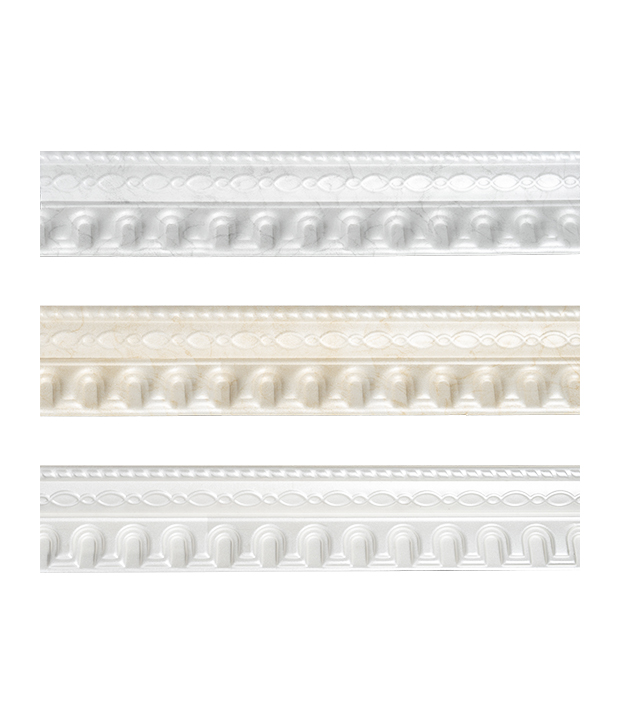 Custom EPS Crown Molding Manufacturers, OEM/ODM SuppliersAs China EPS Crown Molding Manufacturers and EPS Crown Molding OEM/ODM Suppliers, Yangzhou Ever-Growing International Co.,Ltd. Custom EPS...View Product →
PU Crown Molding — Detailed and Durable
PU, or polyurethane, is denser and more rigid than EPS. It does not crush at the edge easily, and it holds a sharp line when cut. PU also reproduces intricate decorative details better than softer foam, which is why it is often chosen for deep fluting, ornamental sections, and profiles with fine shadow lines. It has better impact resistance during transport and installation, and it expands and contracts very little over time. That means joints stay tight through seasonal temperature changes. If your project demands sharper detail reproduction and greater surface hardness, review the profiles available in our PU crown molding collection before finalizing your material choice.
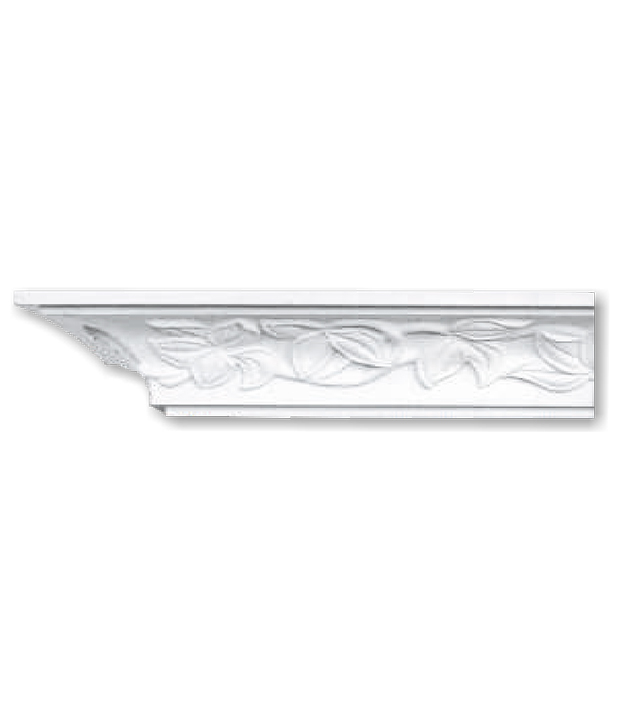 Custom PU Crown Molding Manufacturers, OEM/ODM SuppliersAs China PU Crown Molding Manufacturers and PU Crown Molding OEM/ODM Suppliers, Yangzhou Ever-Growing International Co.,Ltd. Custom PU Cr...View Product →
PS Crown Molding — Smooth Surface and Fine Detail
PS, or extruded polystyrene in this context, is produced by pushing softened polystyrene through a die. The result is a denser and more uniform material than EPS, with a smoother skin that takes paint evenly. PS profiles cut cleanly, and the rigid surface holds crisp corners at mitred joints. It is a good middle ground when you want better surface quality than EPS but are not ready to move up to the price of PU. For interiors that call for crisp, precise lines, the PS crown molding options we produce deliver a dense surface suitable for fine paint finishes.
XPS Crown Molding — High Density and Moisture Resistance
XPS, or extruded polystyrene, has a closed-cell structure. In everyday terms, the air pockets inside the foam are sealed against one another, so water vapor cannot pass easily through the material. This gives XPS the highest density and the lowest water absorption of the four materials. It also remains dimensionally stable when humidity and temperature change, which helps prevent gaps from opening at the seams in bathrooms, kitchens, or coastal homes. XPS is still light enough for a single installer to handle, but it feels firmer and more solid than EPS. In bathrooms, kitchens, or coastal climates, the moisture resistance of our XPS crown molding profiles makes them a dependable choice.
How to Install Classic Crown Molding: Key Steps and Tips
Foam crown molding is more forgiving to work with than wood because it cuts quickly and does not split. Still, a clean installation depends on surface preparation, good adhesive, and careful attention to corners and seams.
- Prepare the surface. Clean the wall and ceiling edges of dust, old paint, and loose wallpaper. Mark a level reference line where the bottom edge of the molding will sit, because walls and ceilings are often slightly uneven.
- Choose a foam-safe adhesive. Use a construction adhesive designed for EPS, PS, PU, or XPS, or use a polyurethane-based adhesive. Apply a continuous bead along the top and bottom edges of the molding and a zig-zag bead across the back surface.
- Cut corners with care. For inside corners, cut both pieces at 45 degrees and check the fit before applying adhesive. Outside corners need even more precise cuts. A mitre saw with a fine-tooth blade works well with foam materials.
- Fill the seams. Use a small bead of flexible acrylic caulk at the mitred joints and at the seam between the molding and the wall or ceiling. Wipe it smooth with a damp finger, let it dry, and sand lightly. This step is what makes the molding look like one continuous piece instead of separate boards.
- Prime and paint. Use a latex primer before the top coat. Priming is especially important with EPS because a porous surface makes paint dry unevenly. Apply two finish coats and let each one dry fully.
One caution: avoid solvent-based paints on EPS and PS unless the surface has been properly coated. A strong solvent can dissolve or soften the foam and ruin the finish.
Design Ideas: Where to Use Classic Crown Molding
Classic crown molding is not limited to the edge of the ceiling. It can be used in several places where a transition needs more character.
In a living room, install a wider classic profile around the ceiling perimeter, especially if the room has a center light fixture. The molding visually supports the ceiling height and gives a chandelier or pendant light a more formal anchor. Painting the molding and the ceiling the same white shade keeps the silhouette strong without adding a heavy color line.
In a bedroom, use a smaller profile to separate the wall color from the ceiling color. If you prefer a relaxed look, paint the crown molding the same color as the wall. The curved profile then reads more like a subtle design detail than a traditional white stripe.
In a kitchen, classic crown molding is one of the easiest ways to finish the top of wall cabinets. A short profile attached to the top of the cabinet creates a built-in furniture look and closes the gap between the cabinet and the ceiling. This is a practical use because it keeps dust and grease out of an awkward space.
In hallways and staircases, run a continuous crown line from the entrance to the stairwell. The repeating shadow line draws the eye along the corridor and gives an otherwise plain stretch of wall some rhythm. It also connects separate rooms visually because the same profile continues through doorways and openings.
Where to Source Quality Classic Crown Molding
After you have chosen the profile and the material, the next decision is where to buy. Quality can vary significantly among suppliers, so it helps to evaluate a supplier on more than price alone.
- Material range. A supplier that produces more than one foam material can recommend the right one for your room and budget.
- Custom profile ability. Classic styles vary by projection, height, and curve radius. A factory that can adjust dimensions is more useful than one selling only fixed stock profiles.
- Production consistency. Density and shape should be the same from one batch to the next, especially for large projects.
- Export and packaging experience. Foam is fragile at the edges. Proper packaging and solid lead times matter more than most buyers expect.
Working directly with a manufacturer is different from buying through a distributor. A distributor can be a reliable source for samples and small orders, but a factory knows exactly how each material behaves in production. Our factory, operating under the Precision Foam Solutions name since 1994, has a 30,000-square-meter production base and 30 years of foam molding experience. That is the perspective behind this guide.
The first step is to compare profiles and check which materials suit your project. To explore all four material types side by side and compare available profiles, visit our full crown molding collection and request samples directly from the factory.
Classic Crown Molding Manufacturers, Waterproof Cornice FactoryYangzhou Ever-Growing International Co.,Ltd. is China Foam moldings manufacturers and Classic/Eco-Friendly Crown Molding factory, we offe...View Product →Conclusion
Classic crown molding remains one of the most effective ways to add architectural character to a room. It is not a period exclusive, and it does not require a large renovation budget. With lightweight foam materials, a classic profile can be installed in a weekend and painted to match almost any interior.
The real decision is material. Choose EPS when budget and ease of handling matter most. Choose PU when you want harder edges and more detailed profiles. Choose PS when you want a smooth, crisp paint surface. Choose XPS when the room are humid or exposed to moisture. Start with the room, measure the walls, and settle on a profile first. Then let material performance, not price alone, guide the final choice. A good supplier will help you move from concept to installation without guesswork.
our featured products.
Discover the timeless beauty and craftsmanship of Evergrowing through our featured products.
-
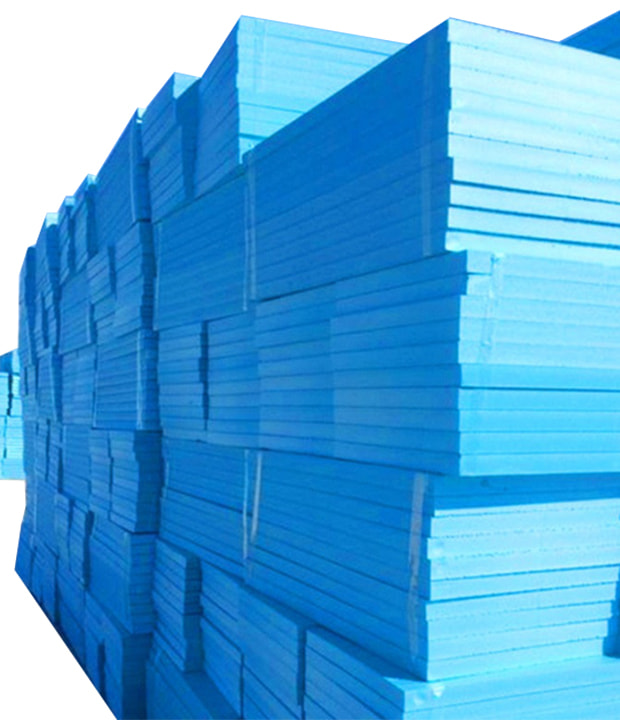 XPS underfloor heating panel
-
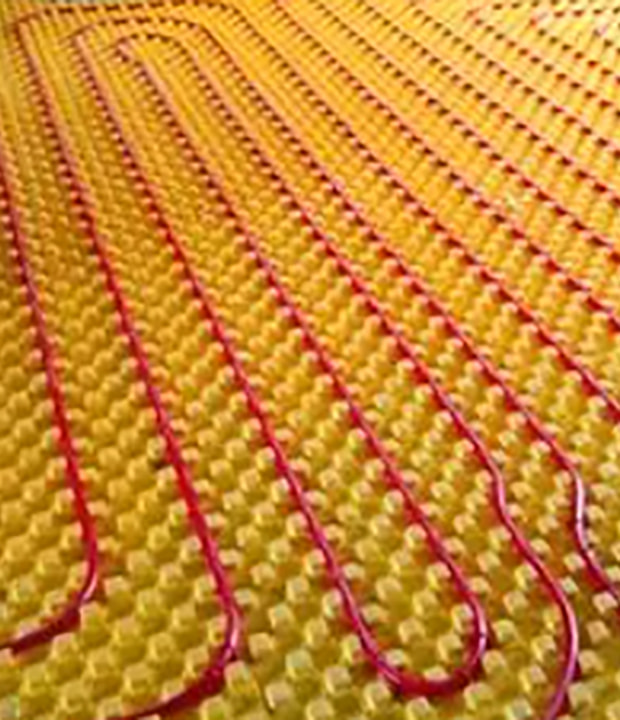 EPS underfloor heating panel
-
 EPS Crown Molding T-06
-
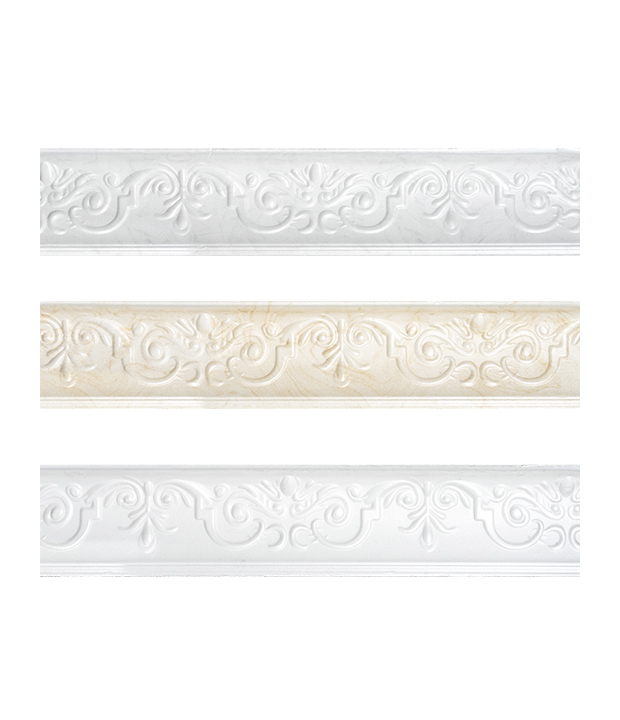 EPS Crown Molding T-04
-
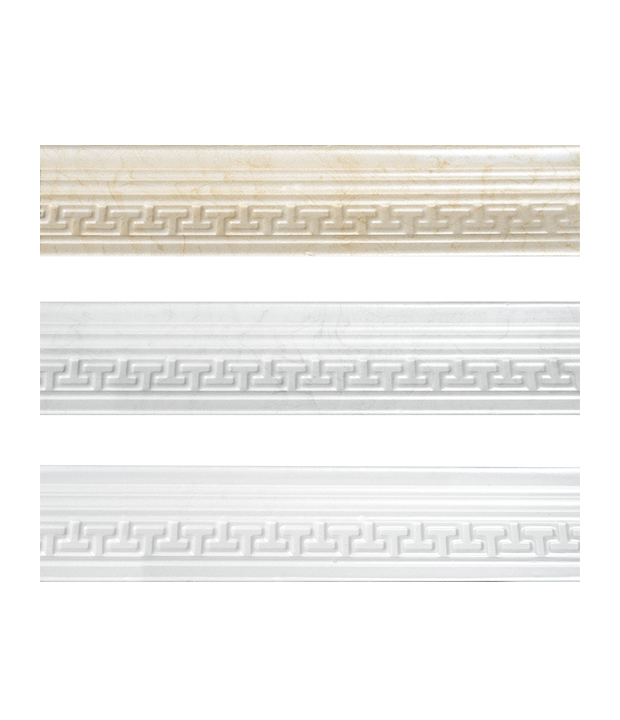 EPS Crown Molding T-02
-
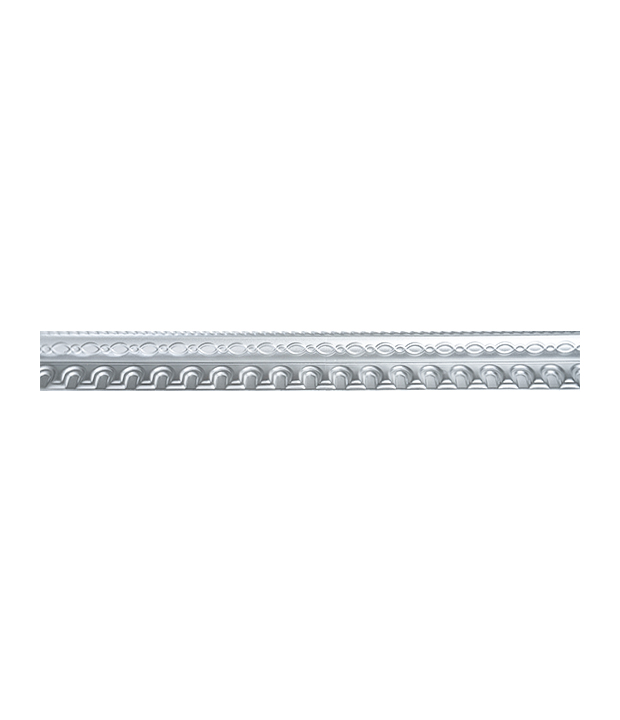 EPS Crown Molding
-
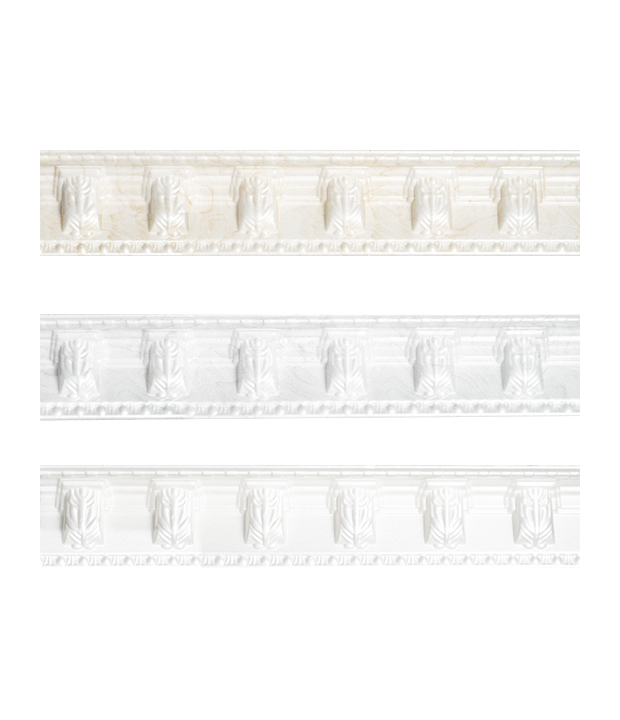 EPS Crown Molding T-18
-
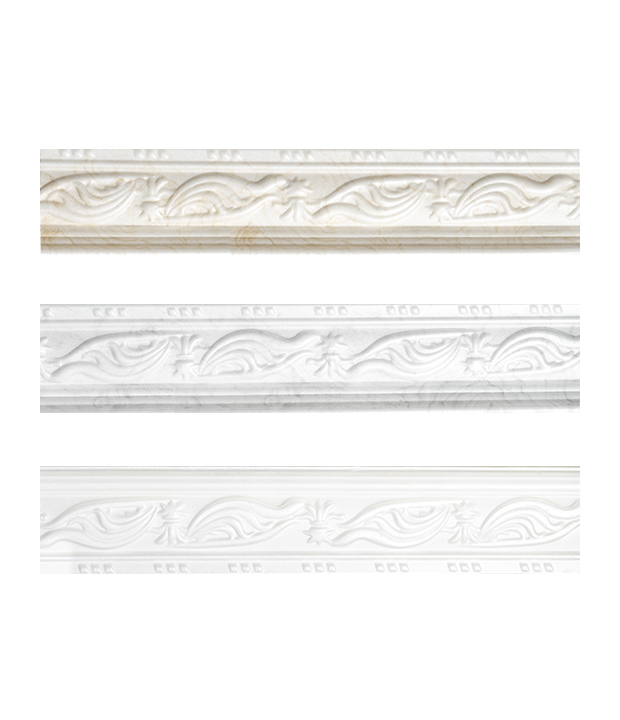 EPS Crown Molding T-20
-
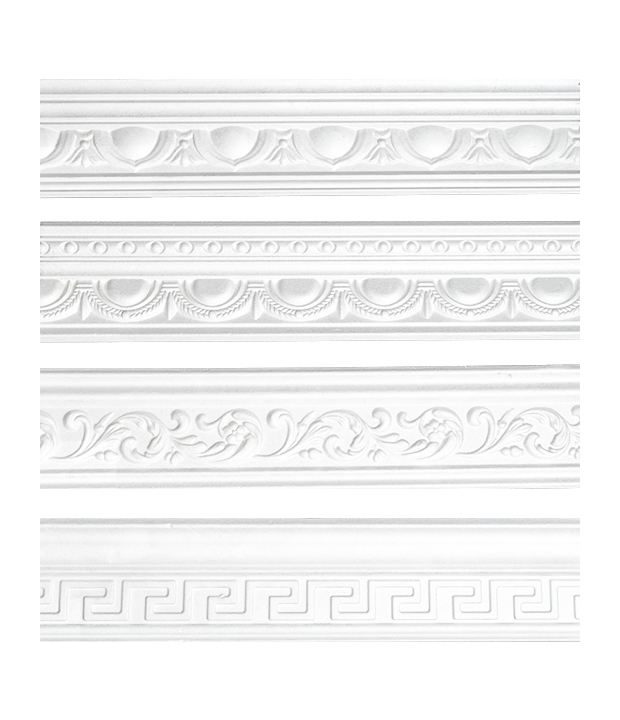 EPS Crown Molding B-06 B-08 B-10 B-12
-
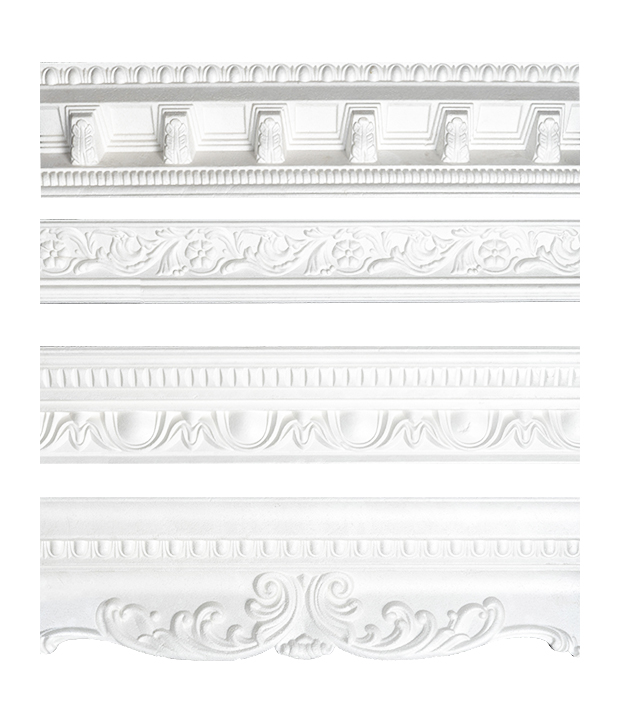 EPS Crown Molding B-22 B-20 B-24 B-18
-
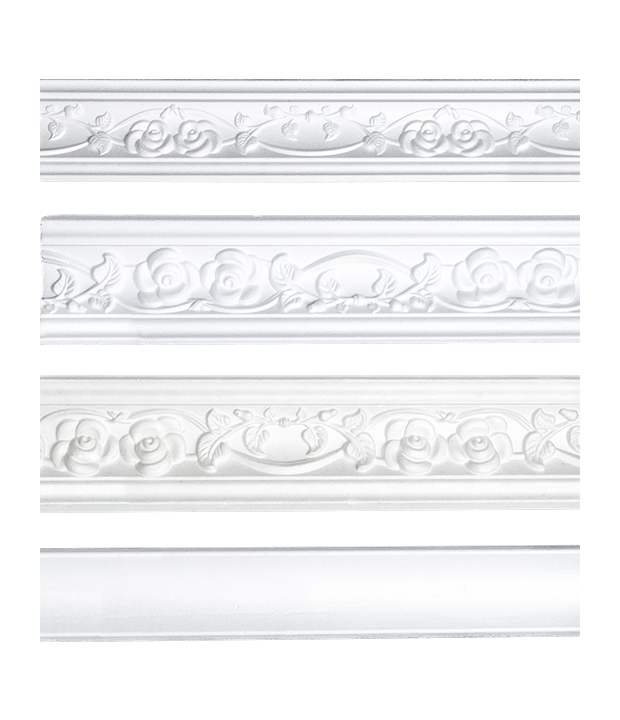 EPS Crown Molding B-26-1 B-26-2 B-26 B-16
-
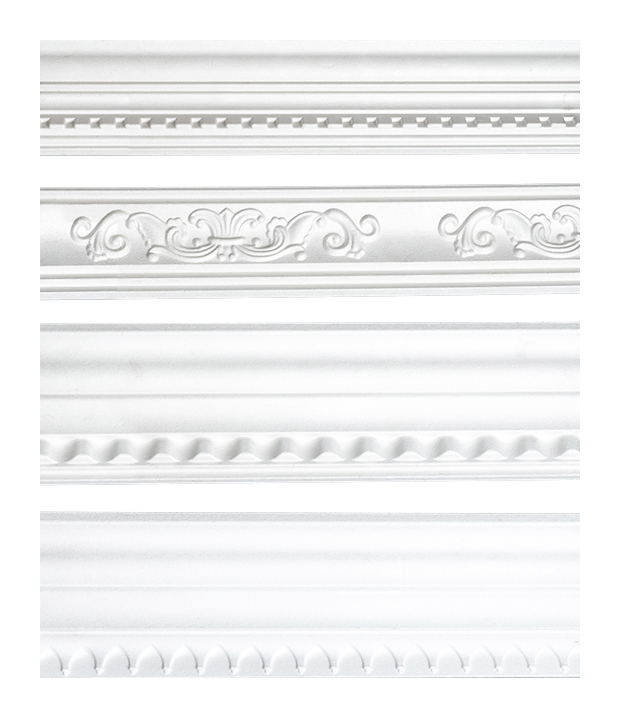 EPS Crown Molding B-30 B-28 B-34 B-32
-
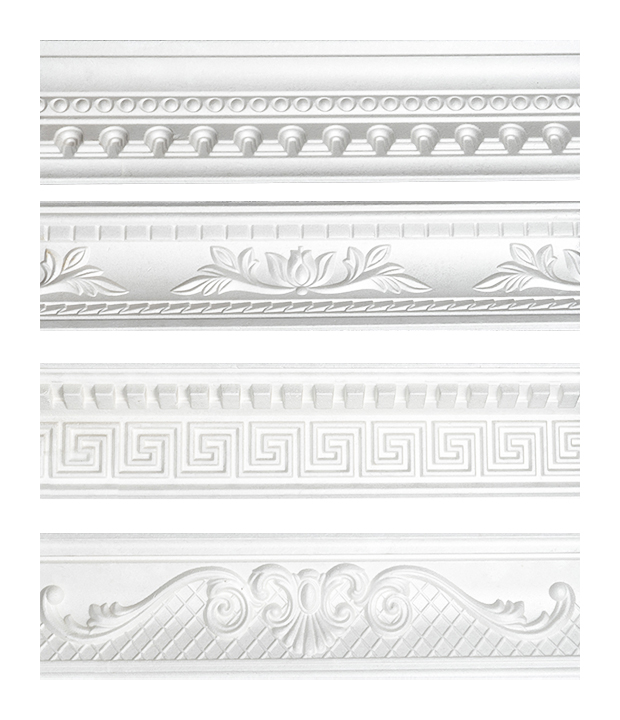 EPS Crown Molding B-42 B-40 B-38 B-36
-
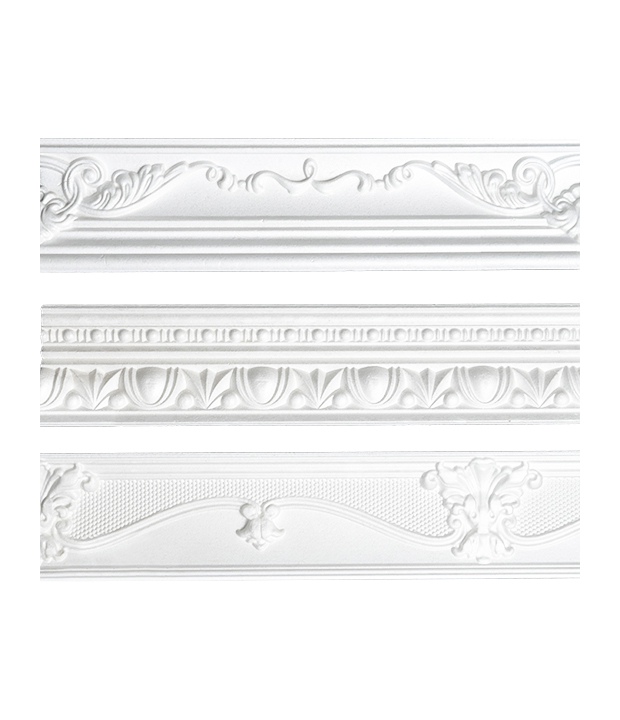 EPS Crown Molding B-60 B-44 B-58
-
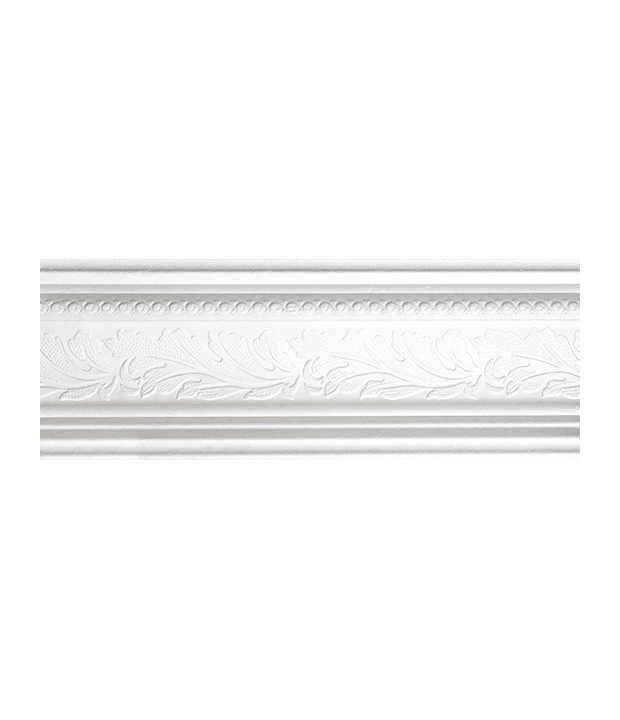 EPS Crown Molding B-56
News
-
-
Introduction What is an EPS Ceiling Medallion? An EPS Ceiling Medallion refers to a decorative ceiling feature made from Expanded Polystyrene (EPS), a type of lightweight foam material. Commonly used ...
READ MORE -
What is a Ceiling Medallion, and How Does it Change the Visual Proportion of Interior Space? In the realm of high-end interior design, the ceiling is no longer an overlooked surface. Often referred to...
READ MORE
Contact info.
- Cell:+86-15951909824 (Amanda)
- Email: amanda@ever-growing.net / 363526407@qq.com
- Add: No.5, Yanhe Rd, Ganduo Indsutrial Park, Gaoyou, Yangzhou, Jiangsu, P.R.O.C.
Quick Links
Copyright © Yangzhou Ever-Growing International Co.,Ltd. All Rights Reserved.
Wholesale Precision Foam Interior Decoration Manufacturers