

 English
 中文简体
中文简体 Español
In the evolution of architectural design, thermal comfort has always been a core metric for measuring quality of life. From open fires to cast-iron radiators and now to radiant heating systems, the un...
READ MORE
Underfloor Heating Panel: EPS vs XPS, Benefits & Buying Guide
Aug 06,2026 ------ Industry News
A floor that radiates a steady, gentle warmth, even when the air in the room is cool, changes the way a home feels. That comfort is built into the floor structure itself, and the component that makes it possible is the underfloor heating panel.
An underfloor heating panel is a factory-prefabricated foam insulation board with pre-formed grooves that hold heating pipes or electric cables. It insulates the subfloor, locks the heating circuit in place, and directs heat upward so that the floor becomes a low-temperature radiator. As a foam manufacturer with three decades of experience and a 30,000-square-meter production base, we have seen how the quality of that one board determines the efficiency and service life of a complete heating system.
This guide covers how these panels work, what separates EPS from XPS, what to check before buying, and the installation mistakes that cause most field failures.
What Is an Underfloor Heating Panel and How Does It Work?
Think of an underfloor heating panel as a three-layer sandwich. The base is the foam board, which stops heat from sinking into the subfloor. The middle layer carries the groove pattern that secures the heating pipe or cable. The top layer is a reflective film that pushes heat upward into the room.
Heating systems transfer energy in three ways: conduction, convection, and radiation. Radiant floor heating relies mainly on radiation. A water-based system warms water in a boiler or heat pump and circulates it through pipes held in the grooves. The pipe warms the board, and the board radiates heat toward the floor covering. An electric system works the same way, but resistance cables replace the pipes.
The insulation layer is the most important part. Without it, a large share of the heat escapes downward, which means longer warm-up times and higher energy bills. The foam density, the precision of the grooves, and the reflective layer together determine how evenly the floor heats and how efficiently the system runs.
EPS vs XPS Underfloor Heating Panels: Which Material Is Right for You?
This is the first decision most buyers face. EPS, or expanded polystyrene, and XPS, or extruded polystyrene, are both closed-cell foam materials, but they perform differently in real installations.
Thermal performance. Both are strong insulators, and the practical difference in heat retention between them is small for typical floor assemblies. Board thickness and groove geometry matter more than the material alone.
Compressive strength. XPS is generally denser and stiffer, so it handles heavy loads and screed layers without deformation. EPS is softer and easier to compress, which works well in standard residential floors but limits it in high-load zones.
Moisture resistance. XPS absorbs very little water, making it the safer choice for bathrooms, basements, and below-grade floors. EPS also has a closed-cell structure, but its higher moisture uptake means it should be kept away from standing water and damp sites.
Machinability and customization. EPS is easier to cut and shape, which is why custom groove patterns and unusual sizes are often more cost-effective in EPS. XPS is more abrasive to machine but can still be fully customized by a competent factory.
Cost. EPS is more economical for large areas, while XPS carries a premium because of its density and water resistance. On a large project, the cost gap is worth quantifying before you commit.
Environment and production. Both EPS and XPS are recyclable within industrial polystyrene streams. Modern production processes have largely moved away from CFC-based blowing agents, but responsible buyers should ask their supplier for details on the manufacturing process and request relevant documentation where available.
Key Differences at a Glance
Here is a quick directional summary. Exact values vary with board density and thickness, so treat this as a selection guide rather than a data sheet.
| Attribute | EPS Panel | XPS Panel |
|---|---|---|
| Thermal insulation | Effective; performance depends on thickness | Effective; slightly denser structure |
| Compressive strength | Good for standard residential floors | Higher; suited to heavy loads and screed |
| Moisture resistance | Adequate in dry areas | Excellent; first choice for wet zones |
| Price positioning | More economical | Premium price point |
| Typical use | Living rooms, bedrooms, renovations | Bathrooms, basements, commercial floors |
Recommended Applications for Each Type
For a standard residential floor in a dry area, an EPS underfloor heating panel gives you reliable insulation, good thermal performance, and a lower material cost. It is also easier to cut on site, which matters during renovations when panels must be trimmed around doorways and obstructions.
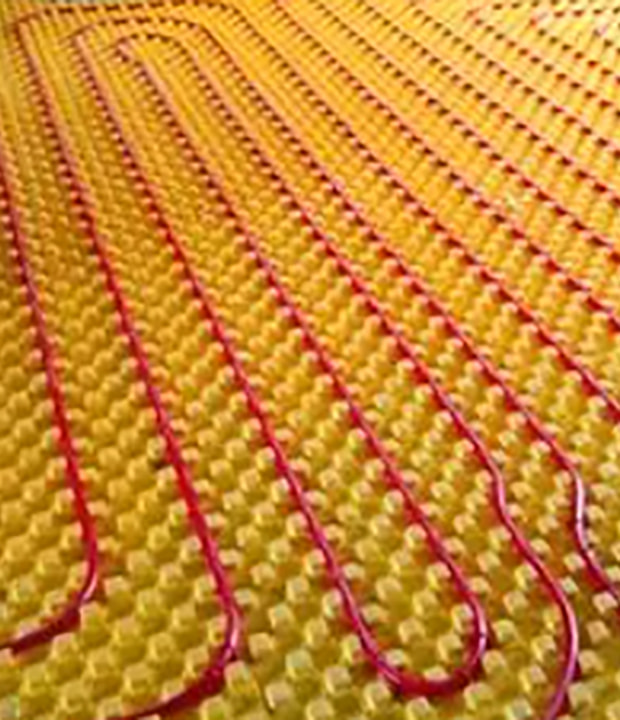 Custom EPS Underfloor Heating Panel Manufacturers, OEM/ODM SuppliersAs China EPS Underfloor Heating Panel Manufacturers and EPS Underfloor Heating Panel OEM/ODM Suppliers, Yangzhou Ever-Growing Internation...View Product →
For bathrooms, basements, utility rooms, and any floor with a moisture risk, an XPS underfloor heating panel is the safer option. Its lower water absorption and higher compressive strength protect the heating system when the floor faces humidity or heavier loads.
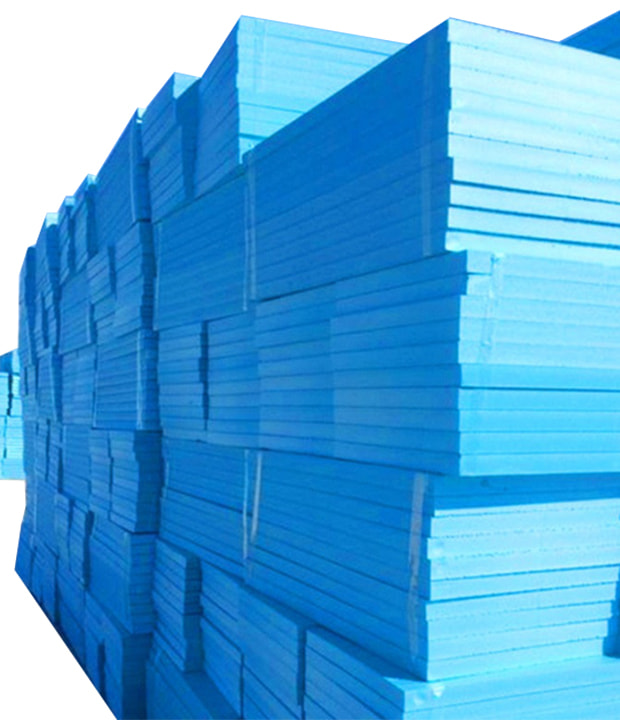 Custom XPS Underfloor Heating Panel Manufacturers, OEM/ODM SuppliersAs China XPS Underfloor Heating Panel Manufacturers and XPS Underfloor Heating Panel OEM/ODM Suppliers, Yangzhou Ever-Growing Internation...View Product →
You are not limited to one material. Many projects mix both, using EPS in living areas and XPS in wet zones. As long as the panels come from the same manufacturer, the groove geometry and edge details stay compatible, and the installation crew works with a single system.
Why Choose Underfloor Heating Panels Over Traditional Radiators?
Radiators heat the air locally; floor panels turn the whole floor into a radiant surface. The practical differences show up in four areas.
Comfort. A floor-heated room has a more uniform temperature profile. The difference between air temperature at floor level and at head height is much smaller than in a radiator-heated room, and the floor itself is warm rather than cold.
Space. Radiators force you to arrange furniture around them. An underfloor panel system is hidden, which frees the walls for joinery, artwork, and cleaner room layouts.
Energy. The entire floor is a low-temperature emitter, so the system can run on cooler water. Condensing boilers and heat pumps operate more efficiently at those temperatures, reducing running costs. Radiators require hotter water and use more energy to deliver the same comfort.
Air quality. Radiators create vertical convection currents that lift dust and allergens. Radiant floor heat moves gently and does not stir the air the same way, which allergy-prone households often notice within a few weeks.
What to Look for When Buying Underfloor Heating Panels
The panel beneath the floor is the heart of the system. When comparing products, use this checklist.
Panel density and dimensional accuracy. Higher-density foam holds its shape better under load. Check that edges are straight and thickness is consistent, because gaps at the joints create heat loss streaks and complicate pipe layouts.
Groove geometry. The grooves must match the pipe or cable diameter and the pipe spacing you plan to use. Standard patterns cover most layouts, but irregular rooms may call for custom groove arrangements.
Compressive strength. Know the floor build-up first. A panel under a thin levelling layer needs less strength than one under a thick screed or a commercial tile floor.
Moisture resistance. In wet areas, choose a material with lower water absorption and ask whether a separate vapor barrier is required.
Environmental documentation. Ask about the production process and blowing agents. A reputable manufacturer will explain the process and provide documentation on request.
Customization support. Renovations and unusual layouts often need custom sizes, tapered profiles, or special groove patterns. A supplier with in-house tooling and a broad foam portfolio can deliver that flexibility without lengthy delays.
For a closer look at how different panel constructions compare in thermal behavior, our engineering team has published a detailed thermal performance comparison of underfloor heating panels.
Questions to Ask Your Supplier
Before placing an order, get clear answers to these procurement questions:
- What are the minimum order quantities for standard panels and for custom sizes?
- Can you provide samples for compression and dimensional testing?
- What is the lead time for customized dimensions?
- Is technical support available to review the floor build-up before production?
- Do you supply the reflective layer and edge profiles as part of the panel?
- Can you maintain consistent quality across repeat orders for phased projects?
Installation Tips and Common Mistakes to Avoid
A typical installation follows a straightforward sequence: level the subfloor, lay the insulation panels, run the pipes or cables in the grooves, and then pour the levelling layer or lay the finished floor. The steps sound simple, but the same errors appear on project after project.
- Skipping the leveling step. Panels laid on an uneven base will rock and may crack under load. Fix the subfloor before installation begins.
- Cutting grooves on site instead of using factory-prefabricated panels. A hand-cut groove that goes too deep or tears the insulation layer reduces thermal performance and creates uneven heat distribution.
- Forgetting expansion gaps. Floor coverings expand and contract with temperature changes. Laying panels and flooring tight against the walls can cause buckling or cracks in the heating layer.
- Ignoring moisture barriers in wet zones. A proper vapor barrier below the panels is essential in below-grade and high-humidity installations. Skipping it can lead to mold, foam degradation, and premature failure of the floor assembly.
Conclusion: Making the Right Choice for Your Heating System
The choice between EPS and XPS comes down to conditions and priorities. In a dry floor with normal loads and a limited budget, EPS gives you excellent value. In a humid area, a heavily loaded floor, or any situation where long-term moisture resistance matters, XPS is worth the premium.
The supplier matters as much as the material. A manufacturer with decades of foam experience can confirm the right density, tailor the groove geometry, and deliver consistent panels across the entire order. That is the difference between buying a commodity board and building a reliable heating system.
Browse our complete underfloor heating panel range to compare available options, or contact our team to discuss your project's technical requirements directly.
Wholesale Underfloor Heating Panel Manufacturers, FactoryYangzhou Ever-Growing International Co.,Ltd. is China Underfloor Heating Panel manufacturers and factory, we offer Wholesale Polystyrene ...View Product →our featured products.
Discover the timeless beauty and craftsmanship of Evergrowing through our featured products.
-
 XPS underfloor heating panel
-
 EPS underfloor heating panel
-
 EPS Crown Molding T-06
-
 EPS Crown Molding T-04
-
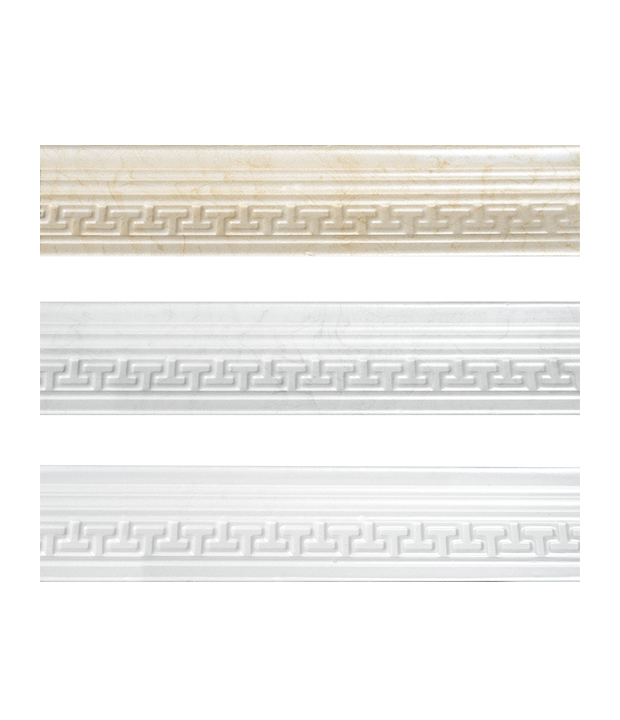 EPS Crown Molding T-02
-
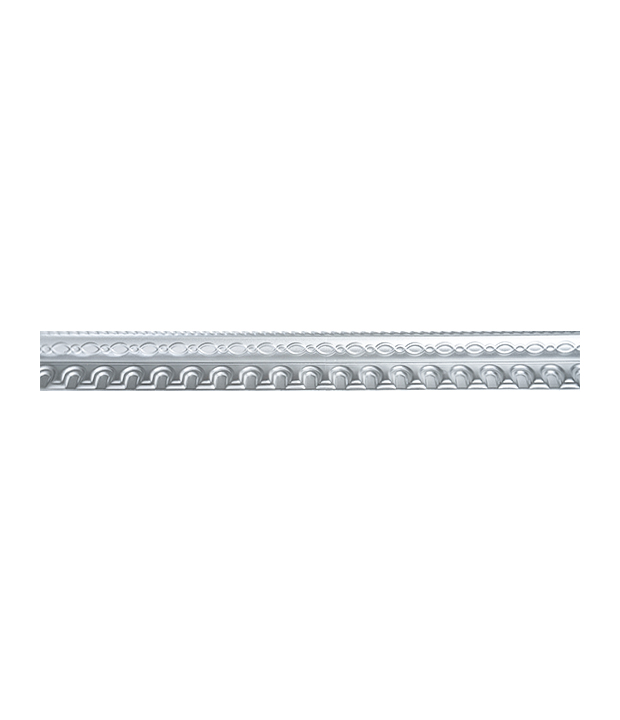 EPS Crown Molding
-
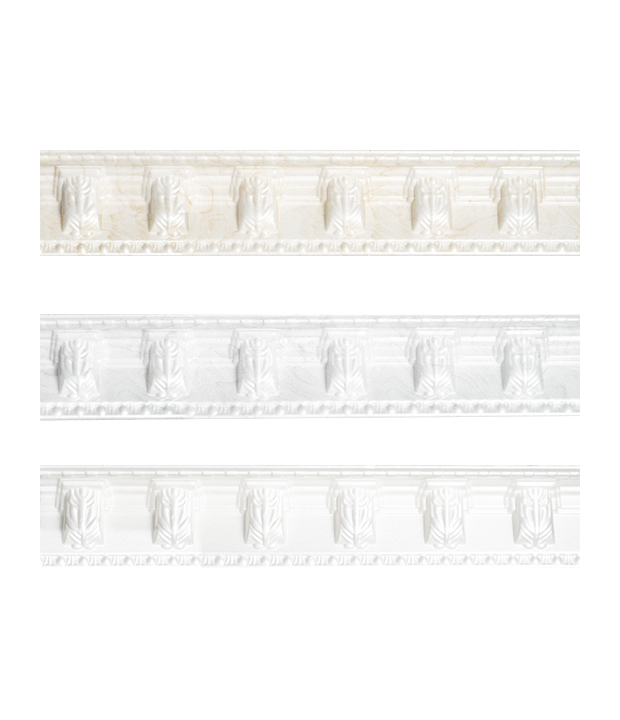 EPS Crown Molding T-18
-
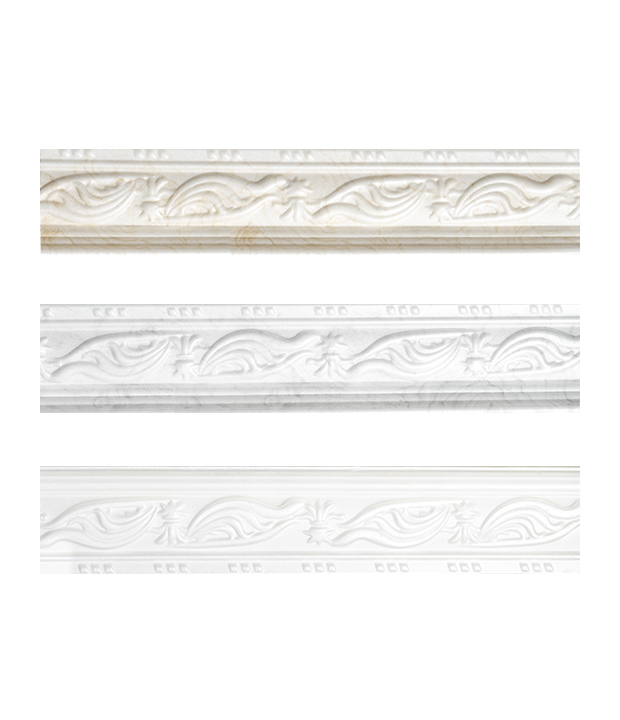 EPS Crown Molding T-20
-
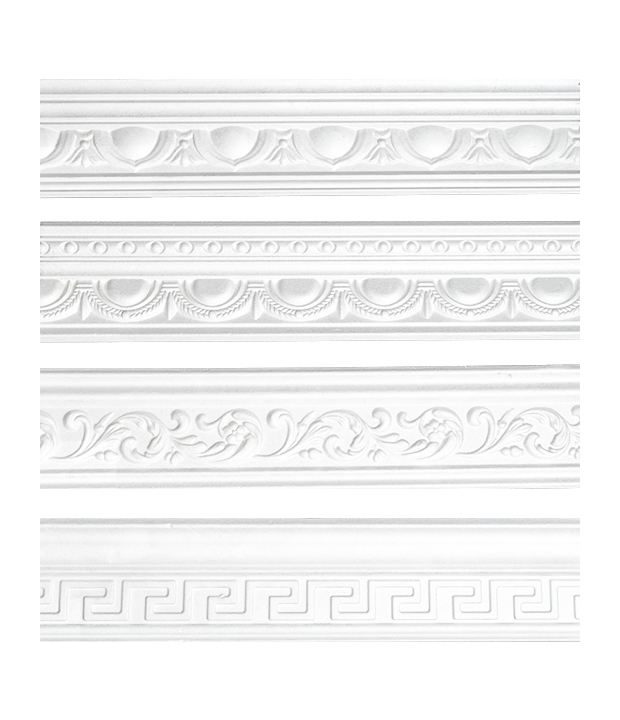 EPS Crown Molding B-06 B-08 B-10 B-12
-
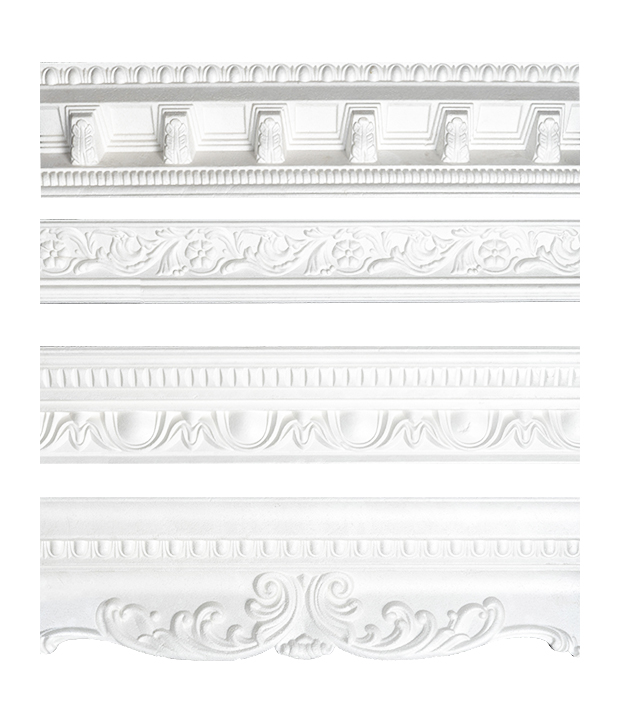 EPS Crown Molding B-22 B-20 B-24 B-18
-
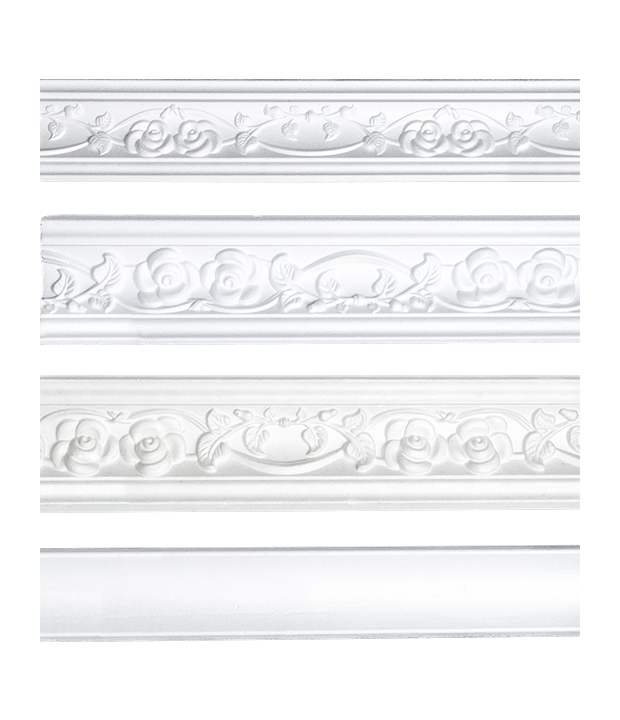 EPS Crown Molding B-26-1 B-26-2 B-26 B-16
-
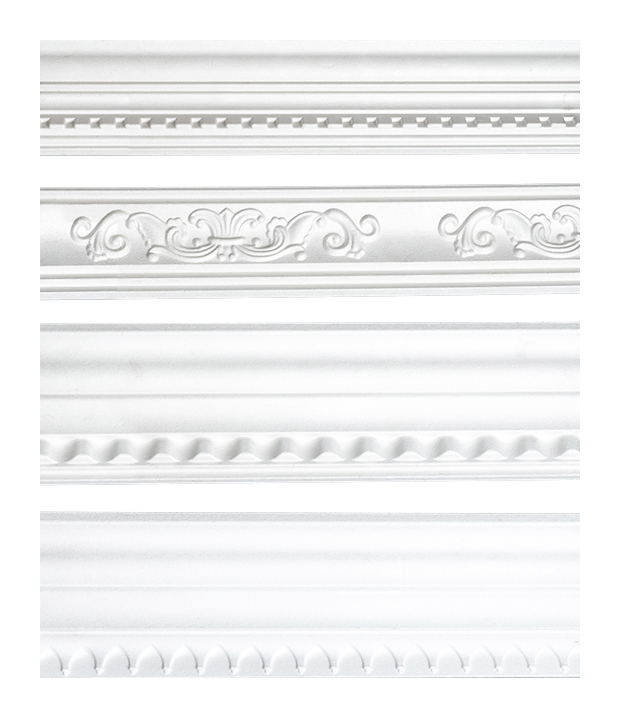 EPS Crown Molding B-30 B-28 B-34 B-32
-
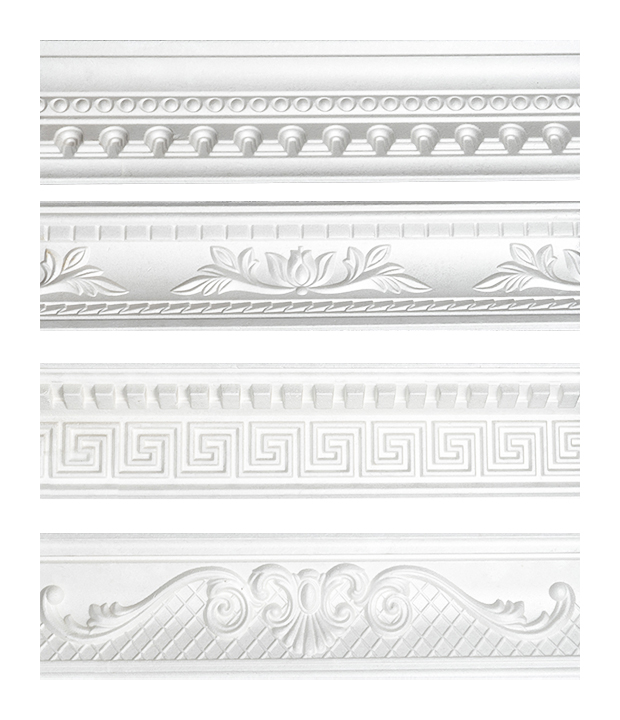 EPS Crown Molding B-42 B-40 B-38 B-36
-
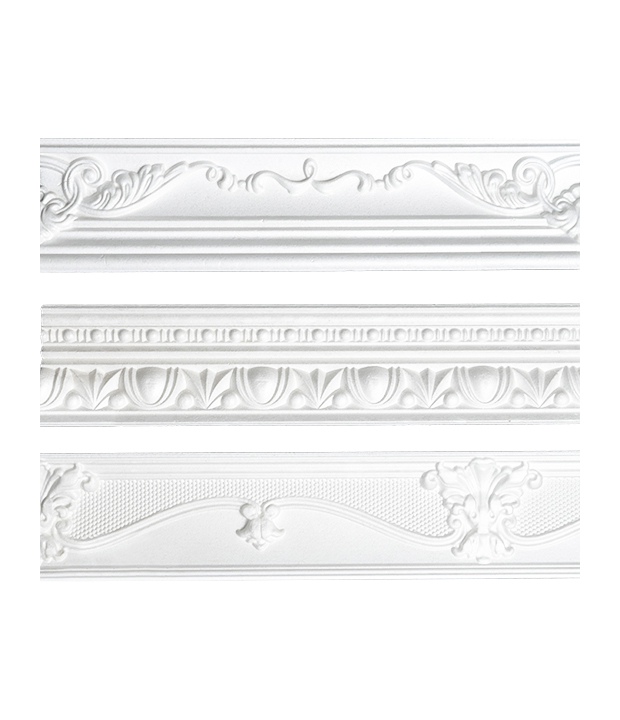 EPS Crown Molding B-60 B-44 B-58
-
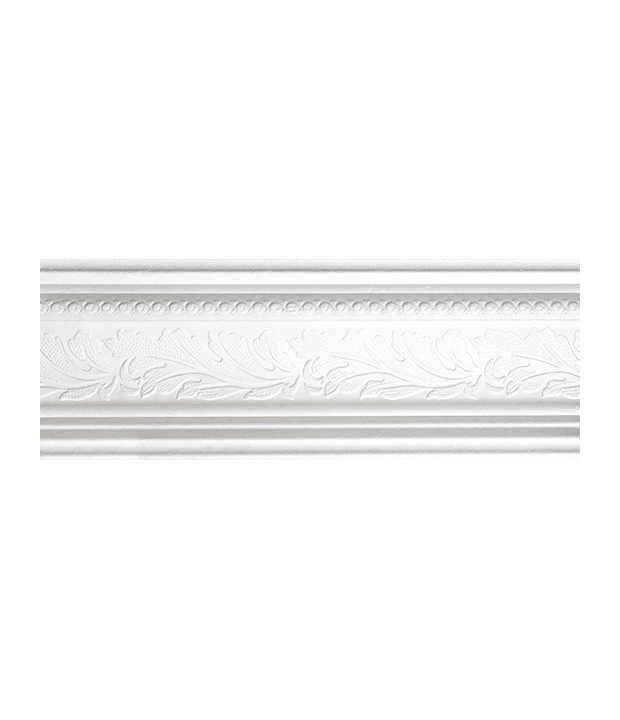 EPS Crown Molding B-56
News
-
-
Introduction What is an EPS Ceiling Medallion? An EPS Ceiling Medallion refers to a decorative ceiling feature made from Expanded Polystyrene (EPS), a type of lightweight foam material. Commonly used ...
READ MORE -
What is a Ceiling Medallion, and How Does it Change the Visual Proportion of Interior Space? In the realm of high-end interior design, the ceiling is no longer an overlooked surface. Often referred to...
READ MORE
Contact info.
- Cell:+86-15951909824 (Amanda)
- Email: amanda@ever-growing.net / 363526407@qq.com
- Add: No.5, Yanhe Rd, Ganduo Indsutrial Park, Gaoyou, Yangzhou, Jiangsu, P.R.O.C.
Quick Links
Copyright © Yangzhou Ever-Growing International Co.,Ltd. All Rights Reserved.
Wholesale Precision Foam Interior Decoration Manufacturers