

 English
 中文简体
 Español
In the evolution of architectural design, thermal comfort has always been a core metric for measuring quality of life. From open fires to cast-iron radiators and now to radiant heating systems, the un...
READ MORE
Eco-Friendly Crown Molding: Material Choices, Performance, and Installation
Nov 19,2026 ------ Industry News
A trim quote can look identical on paper and still hide very different environmental and performance trade-offs. Two crown molding profiles may both be called eco-friendly, yet one uses recycled polystyrene with a water-based coating, while another relies on a solvent adhesive and heavy packaging. The practical answer is to judge eco-friendly crown molding by material source, installed durability, indoor-air impact, and end-of-life route, not by a single green label. Get those four points right and the trim can be a sensible lower-impact choice; miss them and the green claim is mostly marketing.
What Makes Crown Molding Eco-Friendly in Practice
Foam crown molding earns environmental points first through material efficiency. EPS, PS, PU, and XPS profiles are lightweight, so a carton carries more linear feet than wood or MDF. That can reduce transport fuel per installed metre and make one-person installation easier, which matters on renovation sites where damage from heavy handling creates waste. Lightweight trim also cuts the risk of cracked corners and rejected pieces.
The second point is durability. A profile that survives repainting, resists incidental moisture, and can be repaired with filler avoids replacement. Durability usually outweighs small differences in recycled content because a trim replaced after two years carries a new manufacturing and shipping burden. Third, indoor air matters. Adhesives, fillers, and paints often determine VOC emissions more than the foam core. Ask for low-VOC adhesive and coating options, and allow adequate curing time before occupied use.
Finally, recyclability depends on the local waste stream. EPS and PS can be recycled where collection exists, but many jobsites send small trim offcuts to general waste. Specify offcut collection, avoid over-ordering, and ask the supplier for take-back or disposal guidance. A recyclable material with no practical recovery route is not a strong environmental claim.
Compare EPS, PS, PU, and XPS Before You Specify
Material choice should follow the room, the finish, and the handling conditions. EPS is the lightest common option and suits painted ceilings where cost and weight matter. PS offers a smoother, denser feel and takes paint well, but it can be more brittle at thin sections. PU is denser and often gives a crisper profile with better resistance to knocks. XPS is closed-cell and is often shortlisted for humid rooms, though it needs compatible adhesives and coatings. None is automatically the greenest; the right choice is the one that avoids replacement and callbacks.
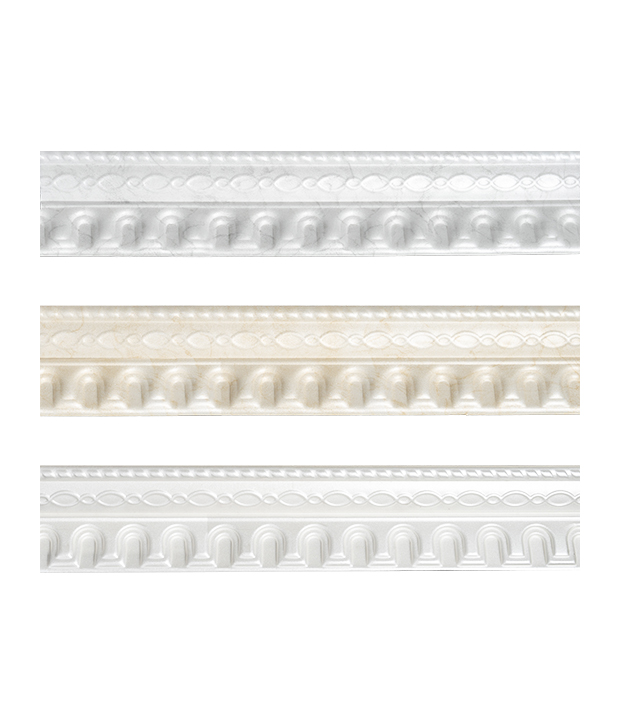 EPS Crown Molding Range for Painted Interior CeilingsBrowse lightweight EPS crown molding models as a practical baseline for painted installations, with custom profiles available for bulk projects.View Product →
For a baseline painted installation, the EPS crown molding range is a practical reference point for weight, cost, and simple handling.
| Material | Handling and finish | Moisture behaviour | Best fit | Check before buying |
|---|---|---|---|---|
| EPS | Lightest; easy to carry; painted finish; can dent | Moisture-resistant core; joints and cuts need sealing | Dry ceilings; cost-sensitive painted work | Density, corner strength, recycled content |
| PS | Smooth; crisper detail; brittle in thin sections | Low uptake; adhesive compatibility matters | Detailed painted profiles | Impact resistance, solvent resistance |
| PU | Denser; smooth; good knock resistance | Good with sealed edges and compatible coating | Higher-traffic areas; premium paint finish | Primer, flexibility, VOC content |
| XPS | Closed-cell; medium weight; clean cuts | High moisture tolerance; seal cut edges | Humid rooms and moisture-prone ceilings | Adhesive, coating, fire performance |
The table is not a substitute for a supplier's data sheet. Two EPS profiles from different tools can behave differently because density, skin quality, and corner reinforcement vary. Ask for sample corners, not just flat samples, and test the intended adhesive on the actual substrate.
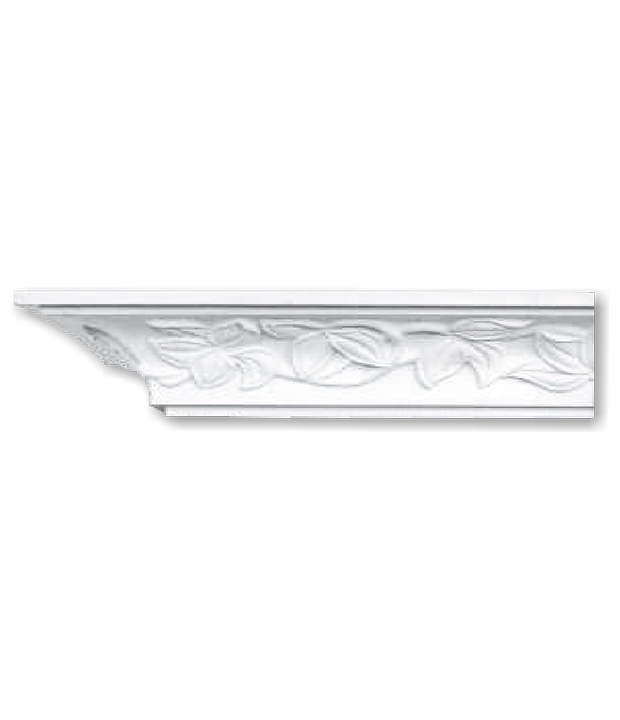 PU Crown Molding Range With Carved and Plain ProfilesCompare PU crown molding options for smoother paint finishes and denser hand feel, including carved cornice and plain panel series for interiors.View Product →
Where a smoother paint finish and a denser hand feel are priorities, the PU crown molding range is worth comparing against EPS before the order is fixed.
Qualitative handling weight at a glance
Lower bar length means lighter handling. This is a qualitative aid, not a density specification; confirm actual weight and density with the supplier.
Moisture, Heat, and Indoor Air: The Hidden Purchase Risks
Bathrooms, kitchens, and laundry rooms expose trim to humidity cycles. A foam core may resist moisture, but the joint, adhesive, and paint film can fail first. Use a moisture-tolerant adhesive, seal cut edges, and avoid bridging the gap between wall and ceiling with a rigid bead that cracks when the building moves. In heated rooms, confirm the profile's service temperature and thermal expansion. Long runs need movement allowance at corners and splices, especially where direct sunlight or a heat source raises surface temperature.
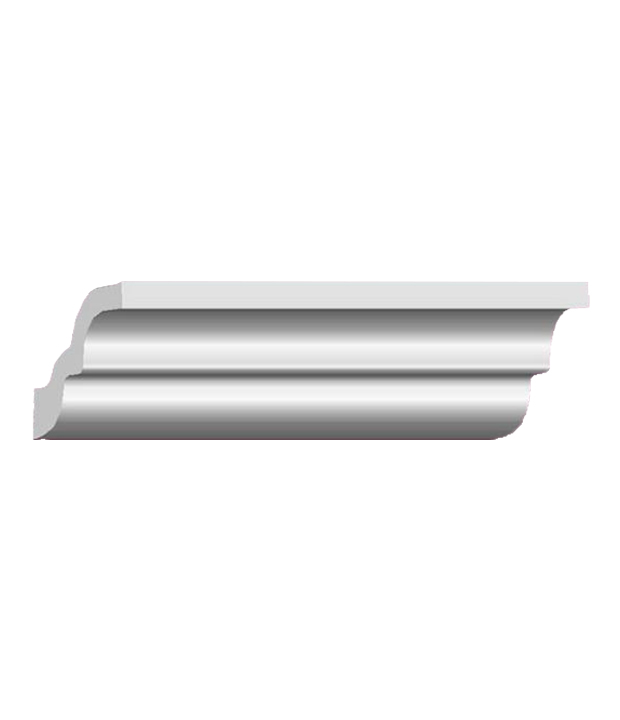 XPS Crown Molding for Humid Interior ApplicationsReview closed-cell XPS crown molding models for bathrooms and kitchens, with low water absorption and paint-ready surfaces; confirm adhesive and coating compatibility.View Product →
In humid interiors, XPS crown molding is a sensible shortlist item because its closed-cell structure limits moisture uptake; still confirm the coating system and adhesive compatibility.
Indoor air is a separate risk. Solvent-based adhesives and high-VOC paints can dominate emissions from a small trim installation. Choose a low-VOC adhesive, apply it in the recommended bead, and ventilate during cure. If the project has strict indoor-air requirements, request safety data sheets and cured-emission information rather than relying on the word "eco-friendly". Fire performance also belongs in the specification; check the profile and coating combination against the project's applicable code.
Installation and Finish Decide Whether the Green Claim Holds
Most trim waste happens at the saw and the adhesive tube, not at the factory. Measure twice, cut miters on a support, and keep offcuts for small repairs. Use a fine-tooth blade to reduce dust, and collect foam shavings because they are light and travel easily. A water-based flexible adhesive usually gives enough grab for foam trim, but heavy profiles on ceilings may need temporary support until cured. Follow the adhesive's open time; clamping too late or too early creates gaps that later need filler.
Paint choice affects both appearance and environmental profile. A water-based acrylic enamel is often adequate over a compatible primer, but some PU and XPS profiles need a specific primer for adhesion. Avoid over-spraying aerosol products in occupied rooms. For repairs, a lightweight filler and touch-up paint can extend the service life of a damaged corner without replacing the whole run. If you are comparing foam with wood on a renovation, this PU crown molding versus traditional wood molding comparison sets out the handling and durability trade-offs.
A Simple Buying Checklist for Lower-Impact Crown Molding
Use a short specification checklist before comparing prices. The lowest quote can become the most expensive option if the profile arrives damaged, needs specialist adhesive, or fails in a humid room.
- Ask for the material data sheet, density or grade, and corner sample.
- Confirm recycled content and whether it is pre- or post-consumer, with documentation.
- Request low-VOC adhesive and coating recommendations, including cure time.
- Check moisture, heat, and fire performance for the intended room.
- Agree packaging reduction, offcut collection, and disposal or take-back options.
- Order a small overage for repairs, not a large overage that becomes waste.
For a whole-house order, separate rooms by exposure. A painted ceiling in a dry living room can use a lighter EPS profile; a bathroom or a ceiling near a heat source may justify XPS or PU. That room-by-room approach often reduces cost and waste at the same time.
Specify for Performance First
Eco-friendly crown molding is a performance decision before it is an environmental claim. Choose a material that suits the room, insist on low-VOC adhesives and coatings, detail the joints for movement, and plan offcut recovery. A lightweight EPS profile may be the lower-impact choice on a dry ceiling, while XPS or PU may be better where moisture or impact resistance prevents a replacement. The greenest trim is usually the one that is ordered correctly, installed once, and still looks right after several repaint cycles.
our featured products.
Discover the timeless beauty and craftsmanship of Evergrowing through our featured products.
-
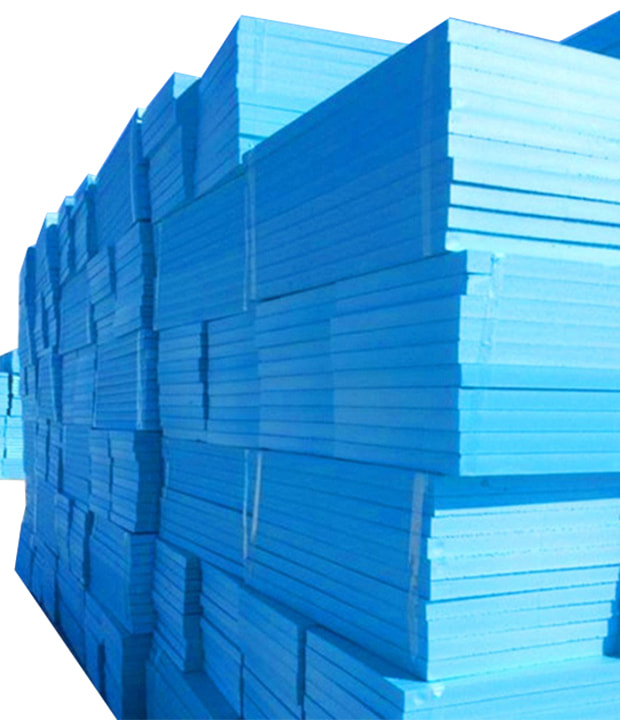 XPS underfloor heating panel
-
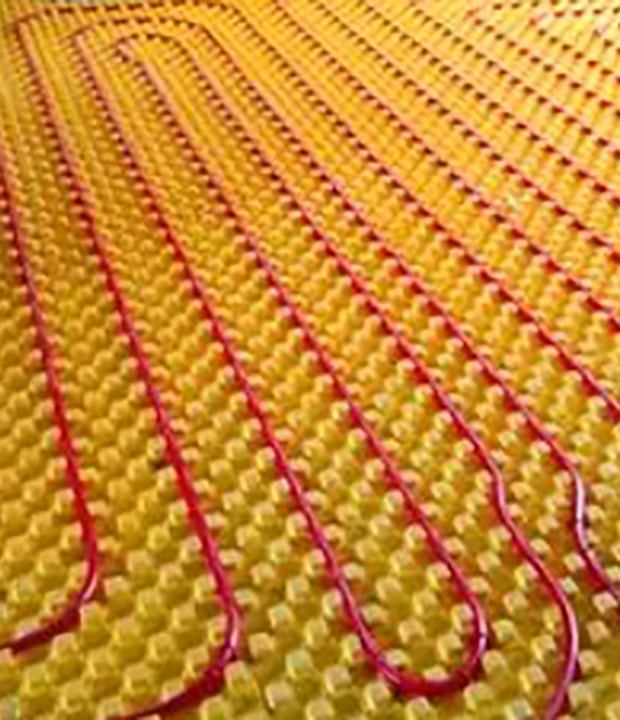 EPS underfloor heating panel
-
EPS Crown Molding T-06
-
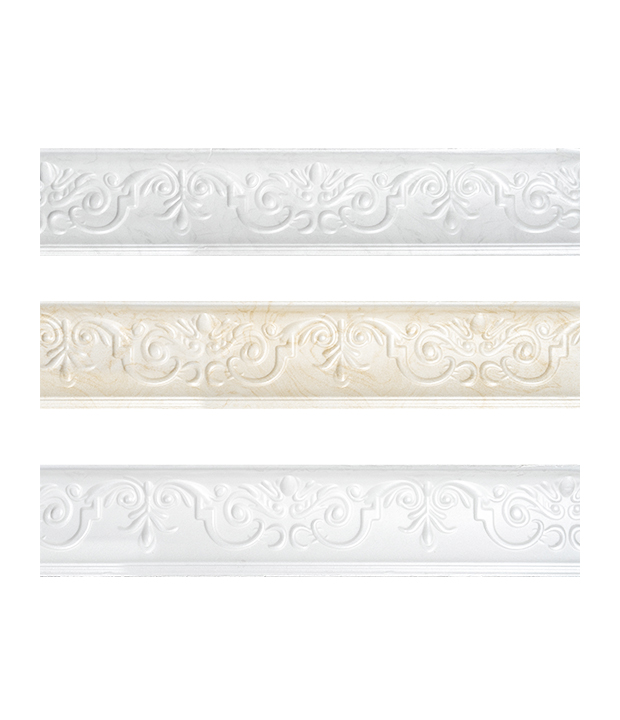 EPS Crown Molding T-04
-
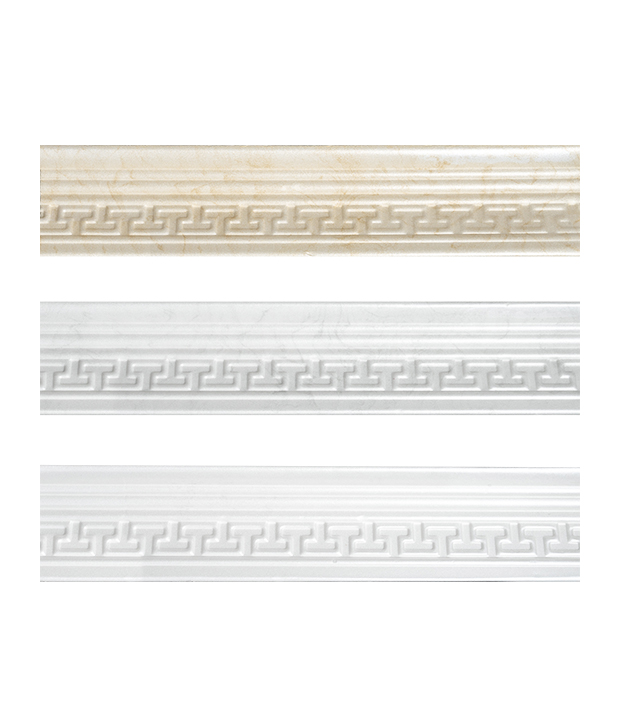 EPS Crown Molding T-02
-
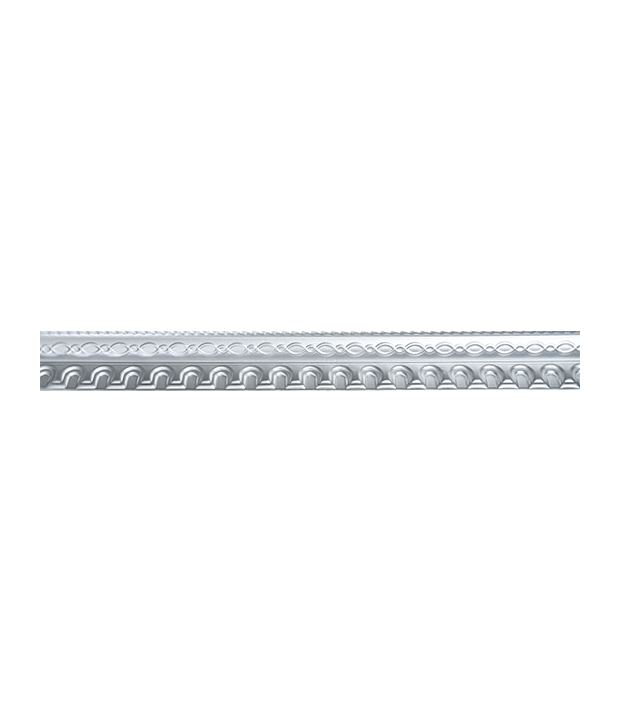 EPS Crown Molding
-
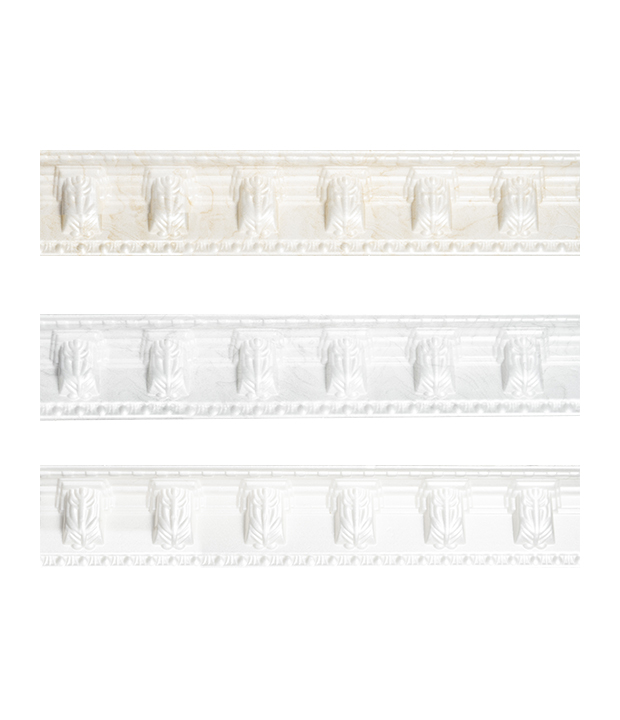 EPS Crown Molding T-18
-
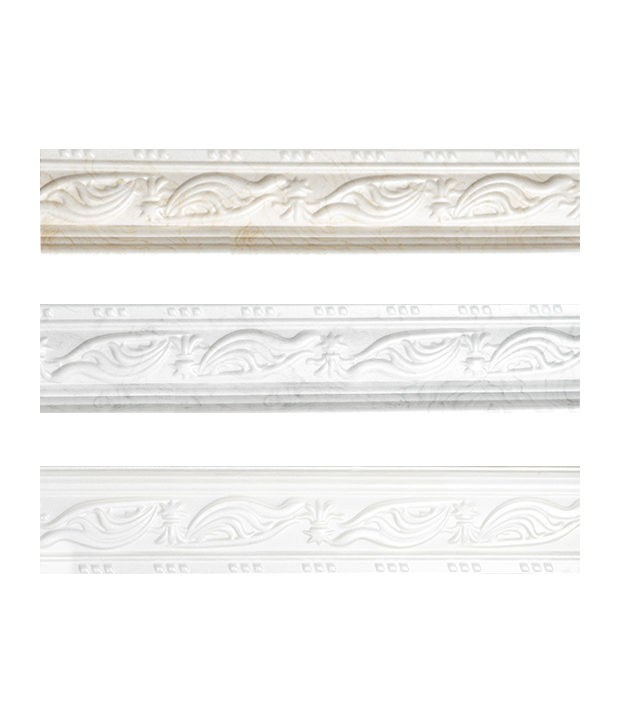 EPS Crown Molding T-20
-
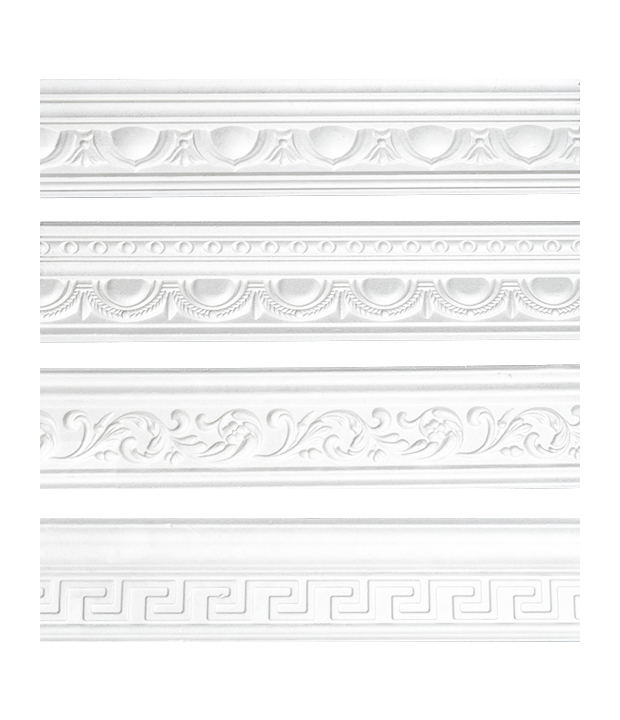 EPS Crown Molding B-06 B-08 B-10 B-12
-
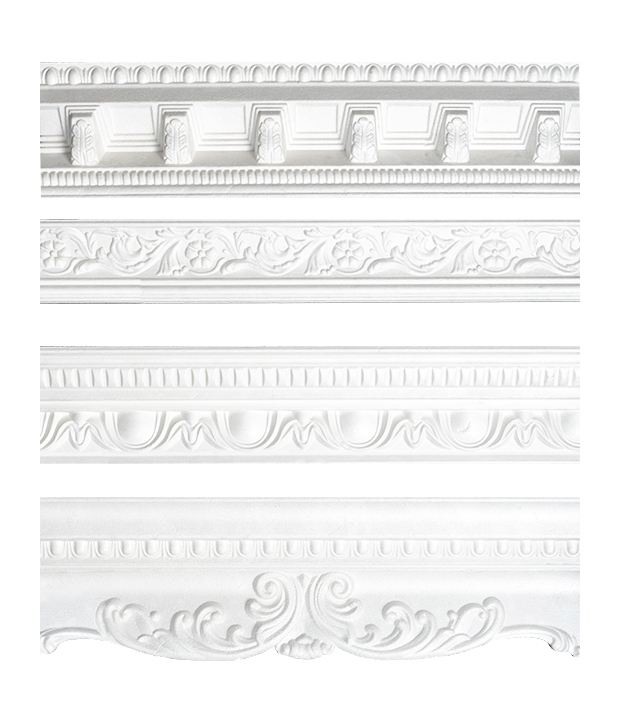 EPS Crown Molding B-22 B-20 B-24 B-18
-
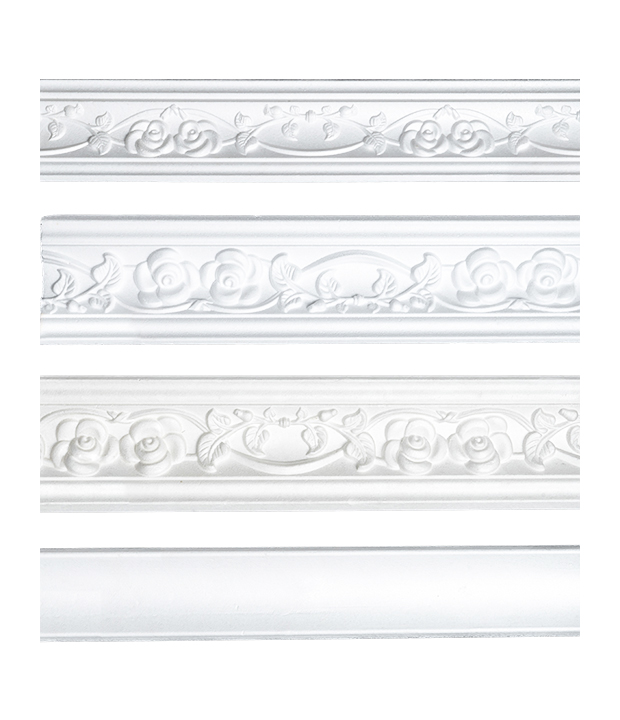 EPS Crown Molding B-26-1 B-26-2 B-26 B-16
-
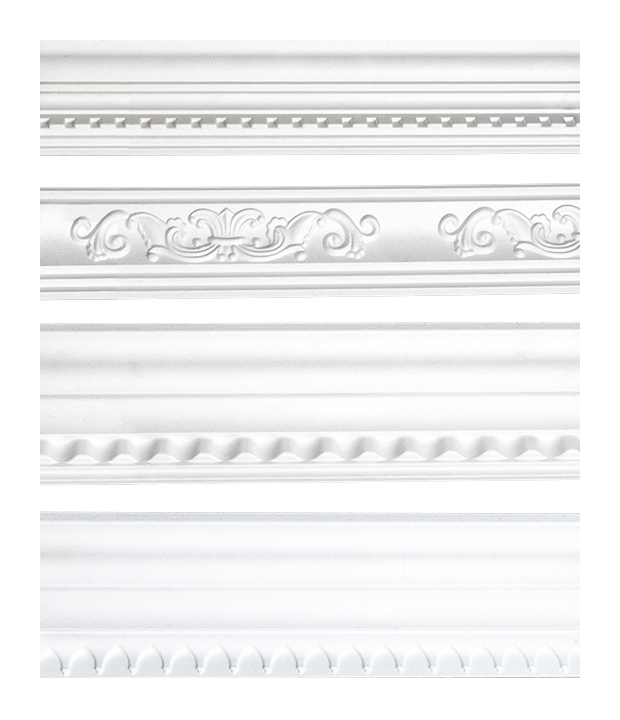 EPS Crown Molding B-30 B-28 B-34 B-32
-
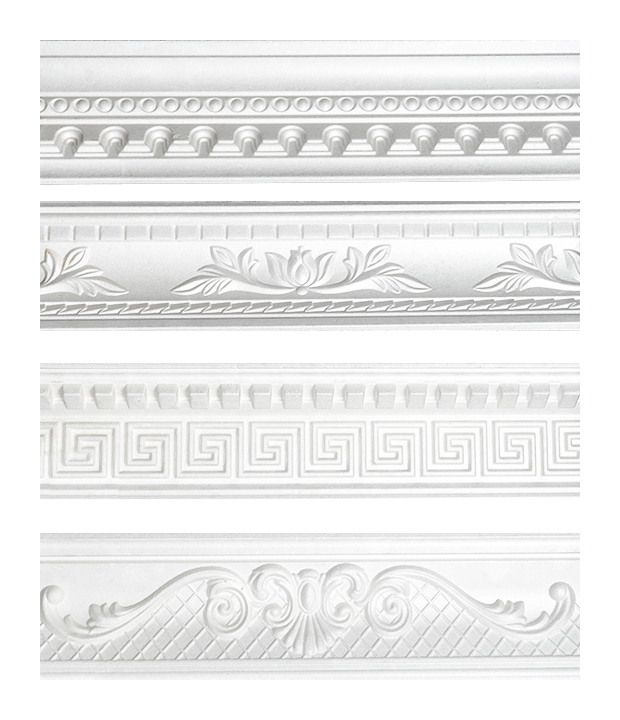 EPS Crown Molding B-42 B-40 B-38 B-36
-
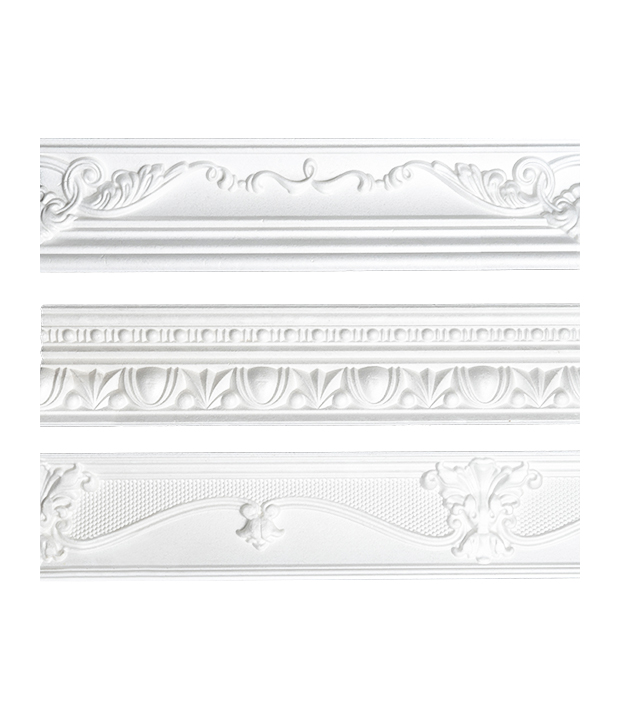 EPS Crown Molding B-60 B-44 B-58
-
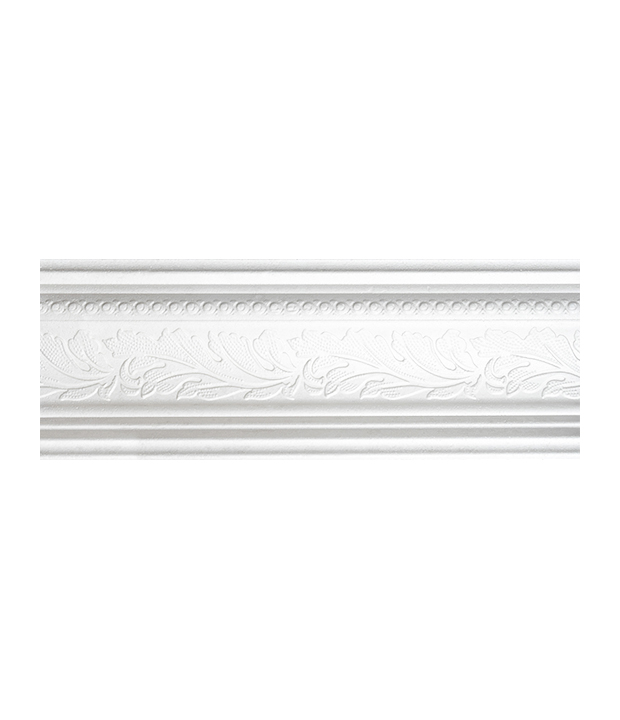 EPS Crown Molding B-56
News
-
-
Introduction What is an EPS Ceiling Medallion? An EPS Ceiling Medallion refers to a decorative ceiling feature made from Expanded Polystyrene (EPS), a type of lightweight foam material. Commonly used ...
READ MORE -
What is a Ceiling Medallion, and How Does it Change the Visual Proportion of Interior Space? In the realm of high-end interior design, the ceiling is no longer an overlooked surface. Often referred to...
READ MORE
Contact info.
- Cell:+86-15951909824 (Amanda)
- Email: amanda@ever-growing.net / 363526407@qq.com
- Add: No.5, Yanhe Rd, Ganduo Indsutrial Park, Gaoyou, Yangzhou, Jiangsu, P.R.O.C.
Quick Links
Copyright © Yangzhou Ever-Growing International Co.,Ltd. All Rights Reserved.
Wholesale Precision Foam Interior Decoration Manufacturers