

 English
 中文简体
中文简体 Español
In the evolution of architectural design, thermal comfort has always been a core metric for measuring quality of life. From open fires to cast-iron radiators and now to radiant heating systems, the un...
READ MORE
Foam Skirting Boards Transform Interior Design with Lightweight Durability and Style
Apr 30,2026 ------ Industry News
Foam Skirting Boards: The Practical Choice for Modern Interiors
Foam skirting boards offer a lightweight, durable, and cost-effective solution for wall finishing and decoration. They are resistant to moisture, easy to install, and ideal for both residential and commercial spaces where aesthetics and practicality are essential.
With advanced manufacturing techniques, foam skirting boards now mimic the appearance of traditional wood or MDF, providing a high-end finish without the associated weight or cost.
Key Advantages of Foam Skirting Boards
Foam skirting boards offer multiple benefits that make them an increasingly popular choice for interior designers and homeowners:
- Lightweight and Easy to Handle: Reduces labor effort and shipping costs compared to MDF or timber boards.
- Moisture and Rot Resistant: Ideal for bathrooms, kitchens, and damp environments.
- Cost-Effective: Lower material and installation costs while maintaining a premium finish.
- Easy Installation: Can be cut with basic tools and fixed using adhesive or screws without professional equipment.
- Customizable Designs: Available in a range of profiles, heights, and finishes including paintable surfaces.
Materials and Manufacturing Process
Foam skirting boards are manufactured from high-density polyurethane or polystyrene foam, which provides structural rigidity while remaining lightweight.
High-Density Foam Core
The foam core ensures resilience against impact and prevents cracking, making it suitable for high-traffic areas such as hallways and commercial spaces.
Surface Coating
A protective coating is applied to mimic wood, MDF, or painted finishes. The coating also enhances durability, making the boards resistant to scratches and scuffs.
Customization Options
Manufacturers offer foam skirting boards in different heights, widths, and decorative profiles, allowing seamless integration with interior design schemes from minimalist to ornate styles.
Installation Methods and Tips
Foam skirting boards are designed for quick and easy installation, making them a favorite among DIY enthusiasts and professional installers alike.
Cutting and Measuring
Foam boards can be cut with a standard handsaw, utility knife, or mitre saw. Accurate measurement ensures a snug fit and seamless corners, especially when working around door frames and sockets.
Adhesive and Fixing
High-strength adhesives are the most common method for fixing foam skirting boards to walls. For additional security, finishing nails or screws can be used, particularly in areas prone to impact.
Seam Finishing
Corners and joints can be filled with paintable caulk to create a smooth, continuous appearance. Painting the foam boards is simple and allows the homeowner to match wall colors or accents precisely.
Applications and Design Flexibility
Foam skirting boards are versatile and suitable for a wide range of interior spaces:
- Residential Spaces: Living rooms, bedrooms, kitchens, and bathrooms benefit from durable and decorative skirting.
- Commercial Interiors: Offices, hotels, and retail environments where aesthetics and impact resistance are essential.
- Renovation Projects: Lightweight boards reduce labor and material costs while upgrading the interior finish.
Maintenance and Longevity
Foam skirting boards require minimal maintenance compared to traditional materials. Regular dusting and occasional wipe-down with a damp cloth are sufficient to maintain their appearance.
Durability Against Moisture
Unlike wood or MDF, foam boards do not warp or rot in humid conditions. This makes them particularly suitable for bathrooms, kitchens, or basements.
Resistance to Impact
High-density foam absorbs minor knocks and scuffs, preventing visible damage in high-traffic areas or homes with children and pets.
Cost Analysis and Environmental Considerations
Foam skirting boards are cost-effective compared to timber or MDF, both in material and installation costs.
| Material | Average Price per Meter | Notes |
|---|---|---|
| Foam | $2–$5 | Lightweight, easy to install |
| MDF | $4–$8 | Heavier, requires professional installation |
| Timber | $6–$12 | High-end finish but expensive and heavier |
our featured products.
Discover the timeless beauty and craftsmanship of Evergrowing through our featured products.
-
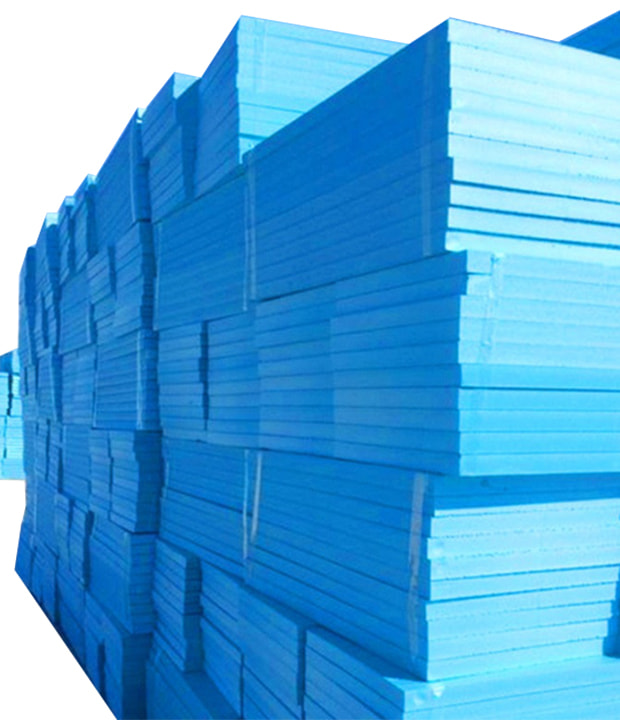 XPS underfloor heating panel
-
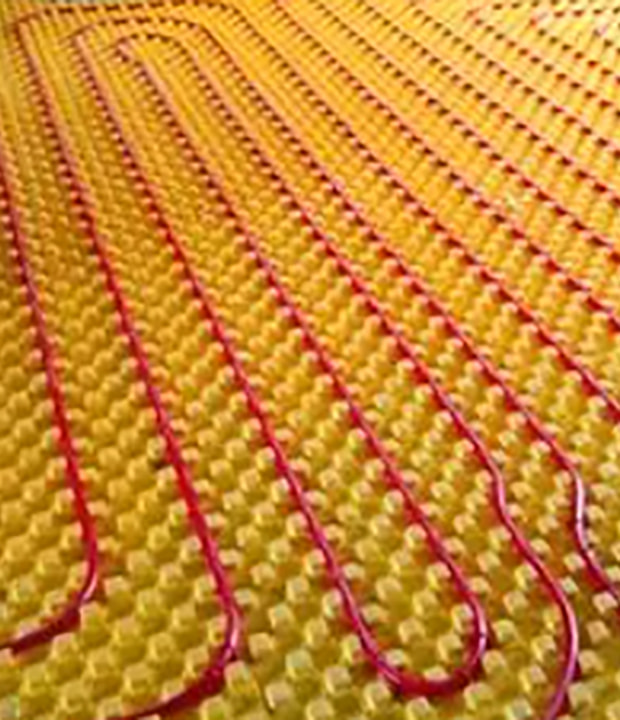 EPS underfloor heating panel
-
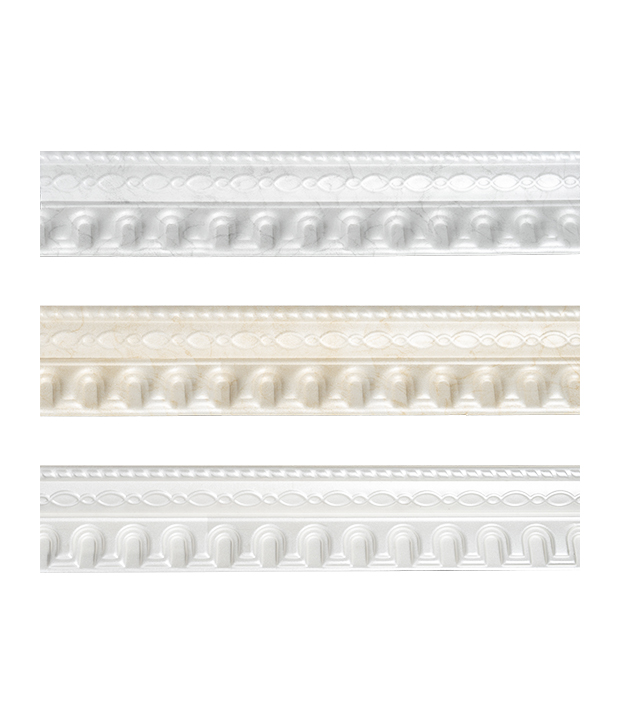 EPS Crown Molding T-06
-
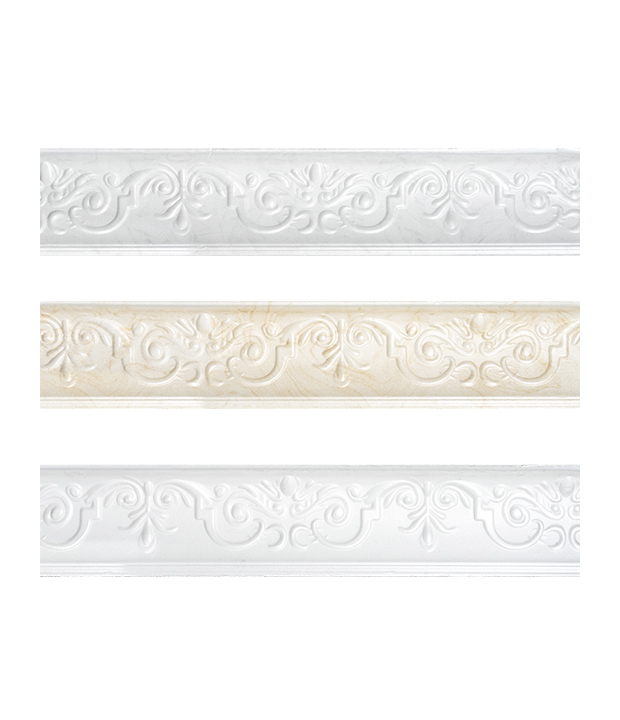 EPS Crown Molding T-04
-
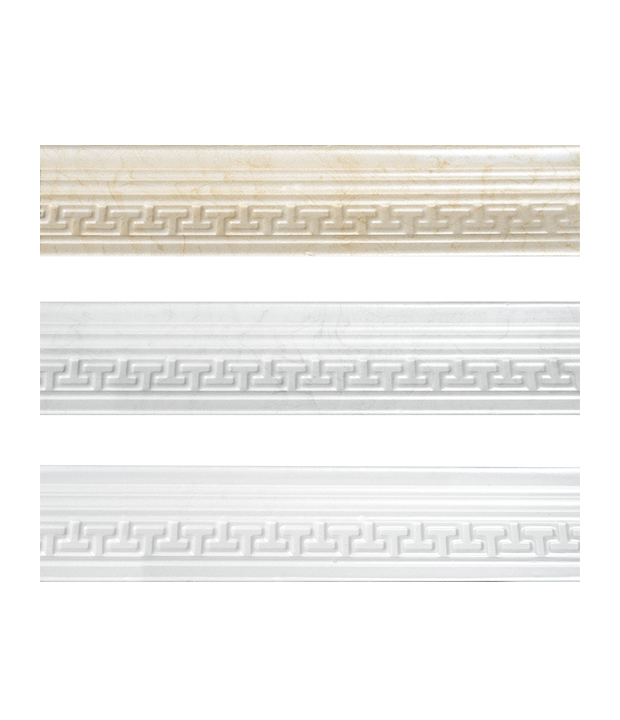 EPS Crown Molding T-02
-
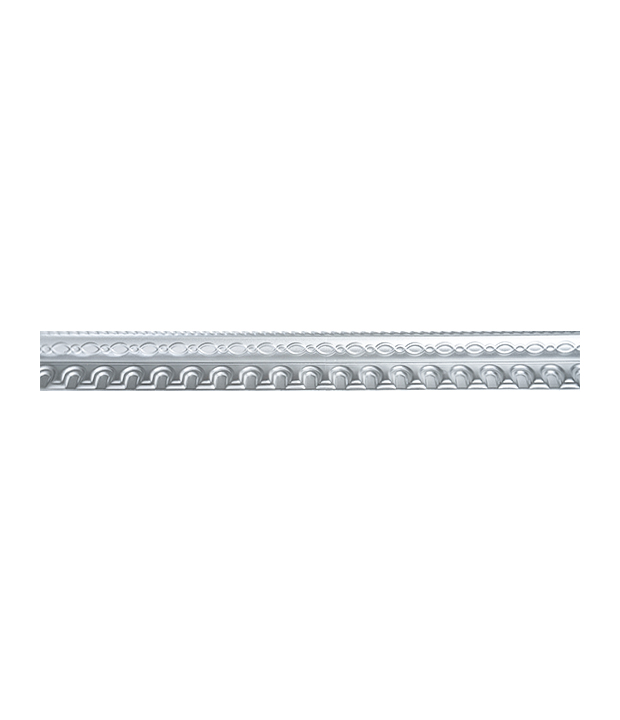 EPS Crown Molding
-
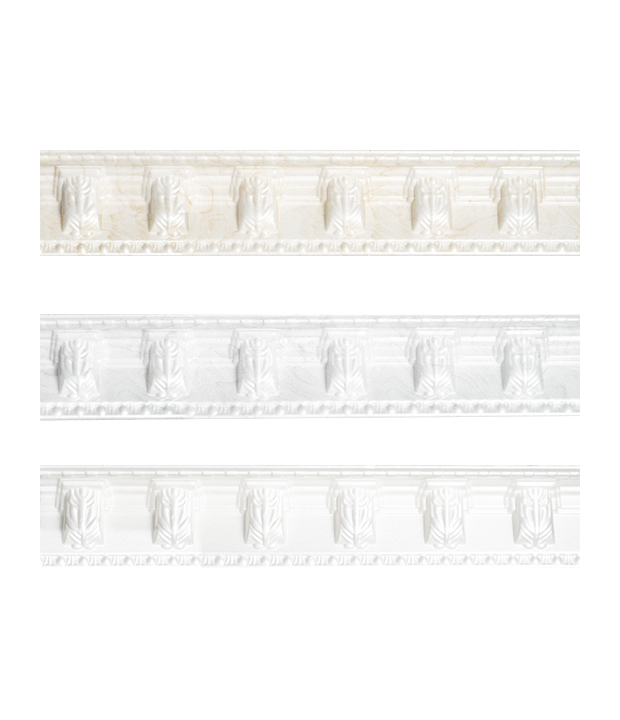 EPS Crown Molding T-18
-
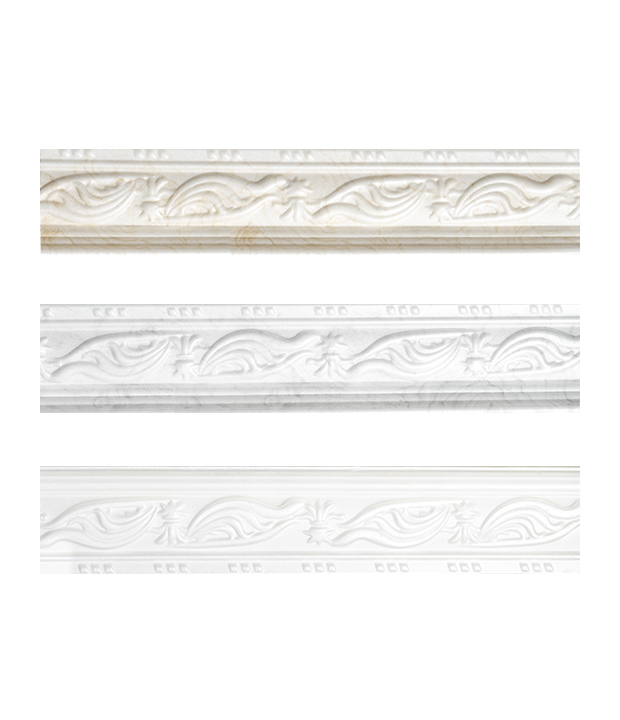 EPS Crown Molding T-20
-
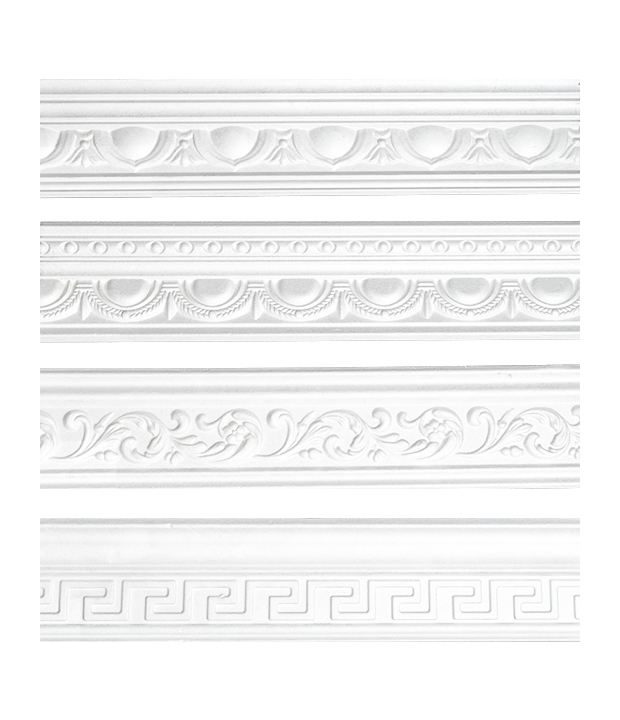 EPS Crown Molding B-06 B-08 B-10 B-12
-
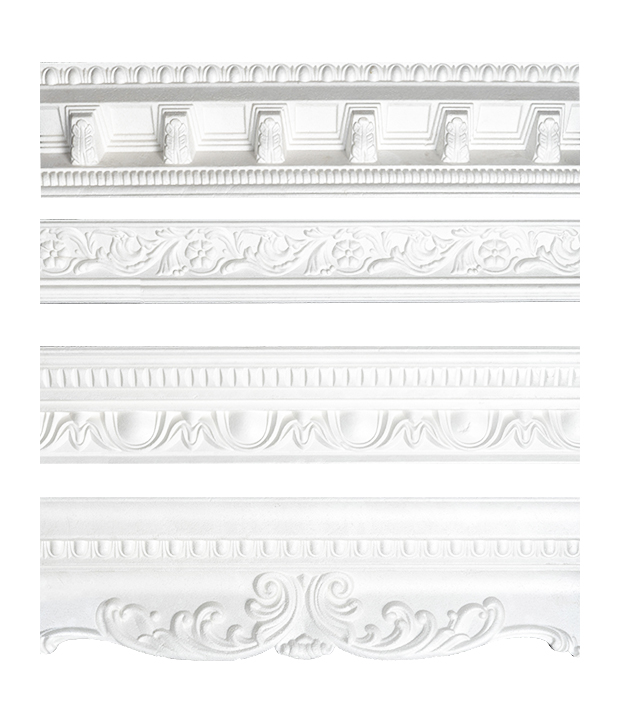 EPS Crown Molding B-22 B-20 B-24 B-18
-
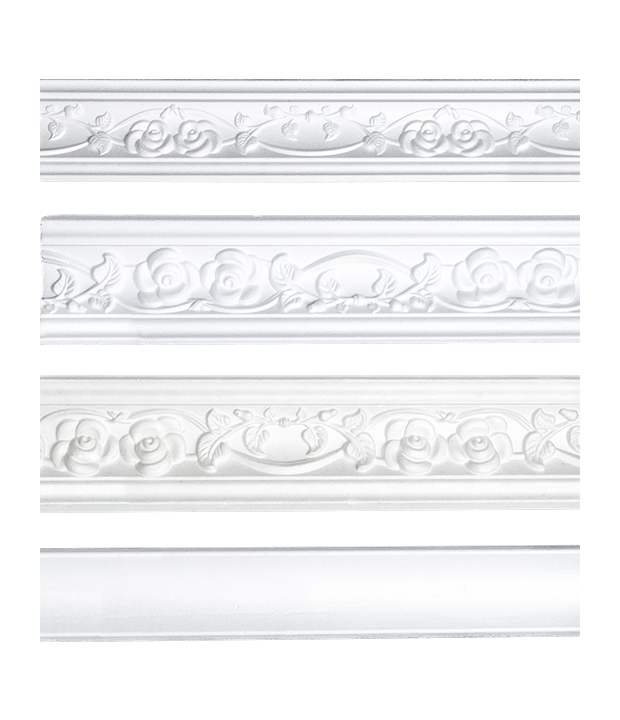 EPS Crown Molding B-26-1 B-26-2 B-26 B-16
-
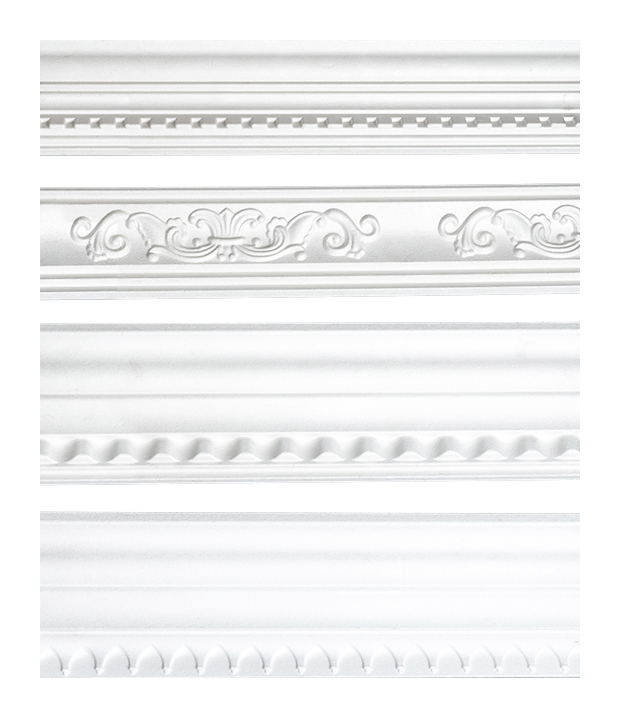 EPS Crown Molding B-30 B-28 B-34 B-32
-
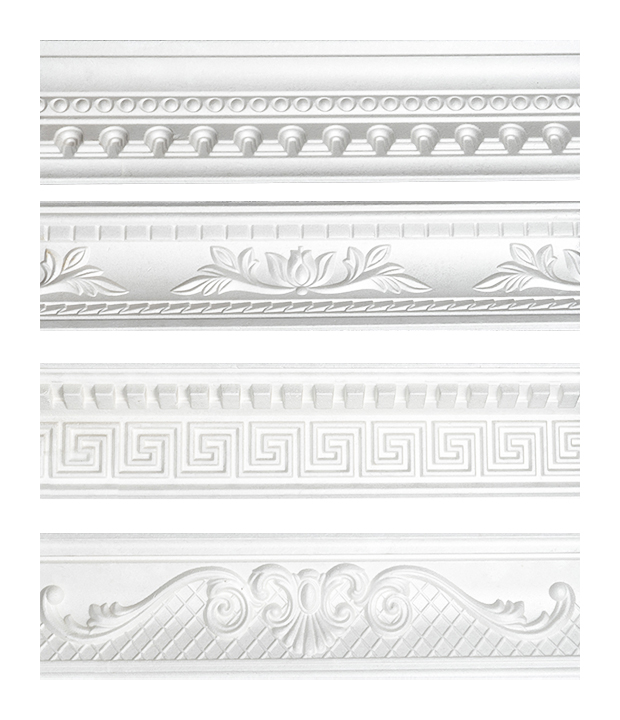 EPS Crown Molding B-42 B-40 B-38 B-36
-
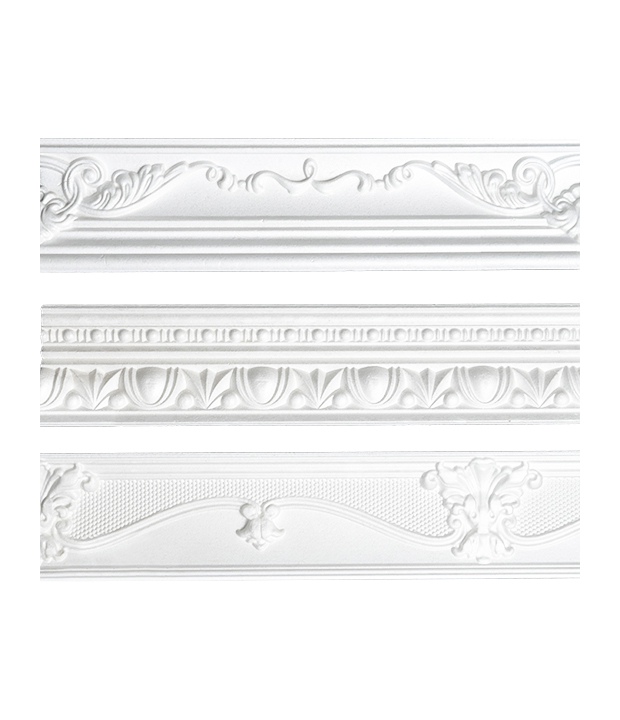 EPS Crown Molding B-60 B-44 B-58
-
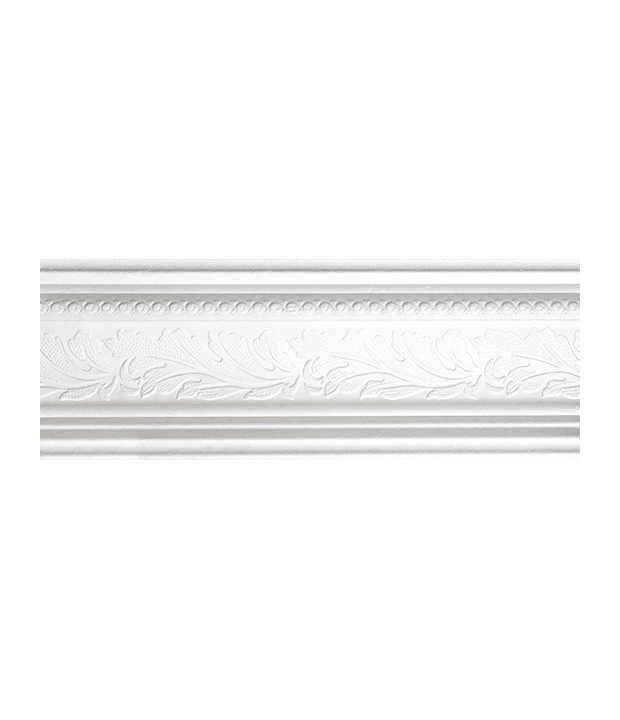 EPS Crown Molding B-56
News
-
-
Introduction What is an EPS Ceiling Medallion? An EPS Ceiling Medallion refers to a decorative ceiling feature made from Expanded Polystyrene (EPS), a type of lightweight foam material. Commonly used ...
READ MORE -
What is a Ceiling Medallion, and How Does it Change the Visual Proportion of Interior Space? In the realm of high-end interior design, the ceiling is no longer an overlooked surface. Often referred to...
READ MORE
Contact info.
- Cell:+86-15951909824 (Amanda)
- Email: amanda@ever-growing.net / 363526407@qq.com
- Add: No.5, Yanhe Rd, Ganduo Indsutrial Park, Gaoyou, Yangzhou, Jiangsu, P.R.O.C.
Quick Links
Copyright © Yangzhou Ever-Growing International Co.,Ltd. All Rights Reserved.
Wholesale Precision Foam Interior Decoration Manufacturers