

 English
 中文简体
中文简体 Español
In the evolution of architectural design, thermal comfort has always been a core metric for measuring quality of life. From open fires to cast-iron radiators and now to radiant heating systems, the un...
READ MORE
Revolutionizing Home Comfort: EPS Underfloor Heating Panels Lead the Way
May 07,2026 ------ Industry News
EPS Underfloor Heating Panels Deliver Immediate Comfort
EPS underfloor heating panels offer an efficient and reliable solution for home heating, providing uniform warmth across floors while reducing energy consumption. Unlike traditional radiators, these panels distribute heat evenly, eliminating cold spots and enhancing comfort.
By integrating insulation and heating channels in a single panel, EPS underfloor systems achieve rapid heat transfer with minimal energy loss. Homeowners can experience a 10–20% reduction in energy costs compared to conventional heating methods.
Design and Construction of EPS Heating Panels
EPS underfloor heating panels are constructed using expanded polystyrene (EPS), a lightweight and highly insulating material. The panels feature pre-formed grooves that securely hold heating pipes, ensuring consistent heat distribution.
Key design features include:
- High compressive strength to support flooring and furniture
- Customizable groove spacing for different pipe layouts
- Thermal insulation that prevents heat loss to the subfloor
- Compatibility with water-based or electric heating systems
Installation Process and Best Practices
Installing EPS underfloor heating panels is straightforward, but following correct procedures ensures optimal performance. The process typically involves:
- Preparing the subfloor by cleaning and leveling it.
- Laying the EPS panels and securing them in place.
- Inserting heating pipes into the pre-formed grooves according to design spacing.
- Connecting the pipes to the manifold and performing a pressure test.
- Applying a suitable screed or floor covering to complete the installation.
Professional installation is recommended to ensure proper pipe spacing and avoid potential damage to the panels during construction.
Thermal Efficiency and Energy Savings
EPS panels significantly improve thermal efficiency due to the high insulation value of polystyrene. The panels reduce downward heat loss, directing warmth into the living space.
A comparison of energy usage shows:
| Heating System | Average Energy Use (kWh/m²) | Energy Savings |
|---|---|---|
| Traditional Radiator | 110 | — |
| EPS Underfloor Panel | 88 | ~20% |
Flooring Compatibility and Material Considerations
EPS underfloor panels are compatible with various flooring types, including tile, laminate, and engineered wood. Selecting the right floor covering ensures optimal heat transfer and prevents damage to both the panel and the flooring.
When choosing flooring:
- Tiles and stone offer excellent heat conduction.
- Engineered wood requires careful selection of thickness and thermal conductivity.
- Laminate flooring must be suitable for underfloor heating to prevent warping.
Maintenance and Longevity
EPS underfloor heating panels are low-maintenance due to their durable construction. Properly installed systems can last over 30 years without requiring replacement of the panels themselves.
Routine checks include:
- Monitoring water pressure for water-based systems.
- Ensuring electrical connections remain secure for electric systems.
- Inspecting floor coverings for any signs of moisture or uneven heat distribution.
With proper installation and care, EPS underfloor heating panels provide a long-term, energy-efficient heating solution.
Environmental Benefits and Sustainability
EPS is a recyclable material, and underfloor heating systems reduce overall energy consumption, contributing to lower greenhouse gas emissions. Using EPS underfloor panels supports sustainable building practices while maintaining indoor comfort.
Additionally, pairing EPS panels with renewable energy sources, such as solar water heaters or heat pumps, can further decrease the carbon footprint of a building.
our featured products.
Discover the timeless beauty and craftsmanship of Evergrowing through our featured products.
-
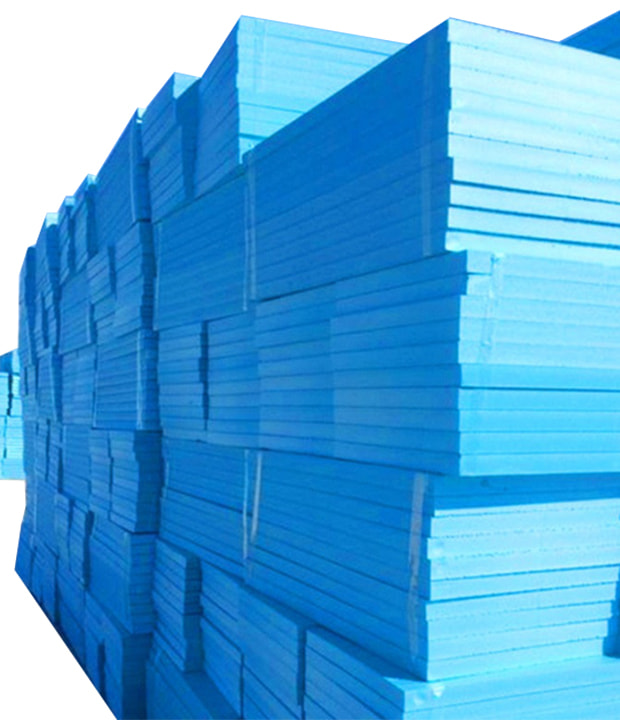 XPS underfloor heating panel
-
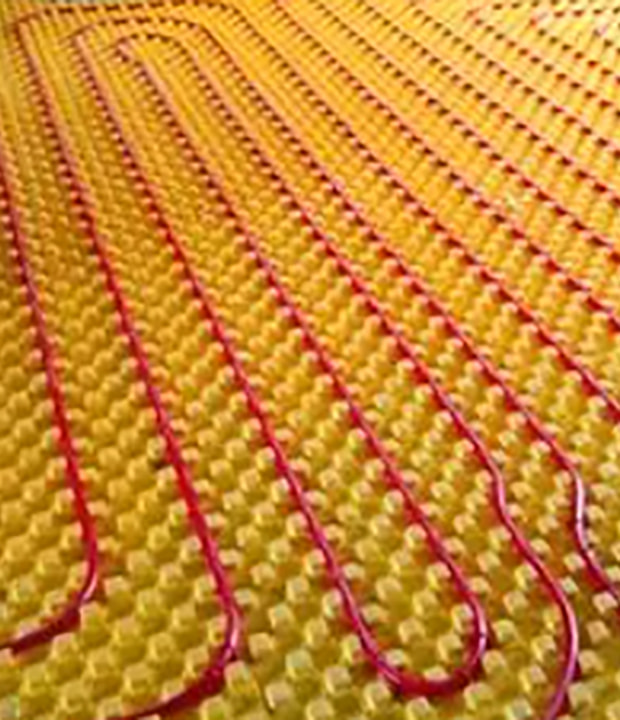 EPS underfloor heating panel
-
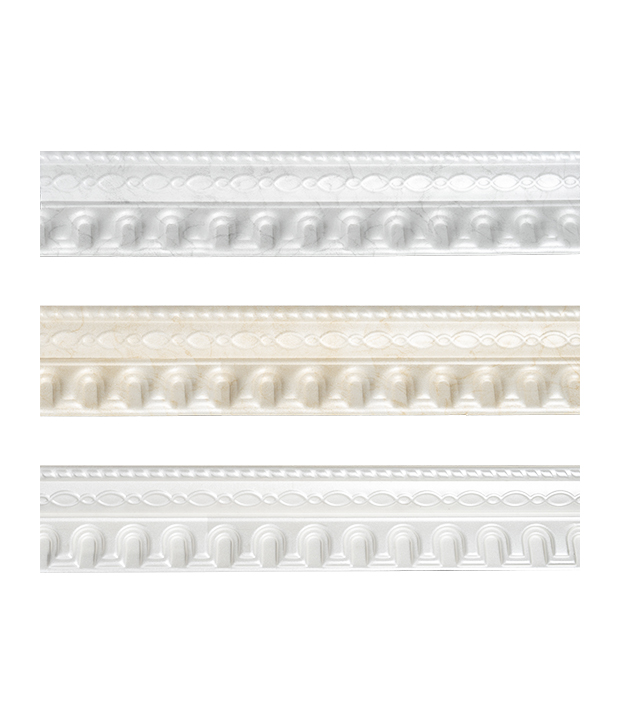 EPS Crown Molding T-06
-
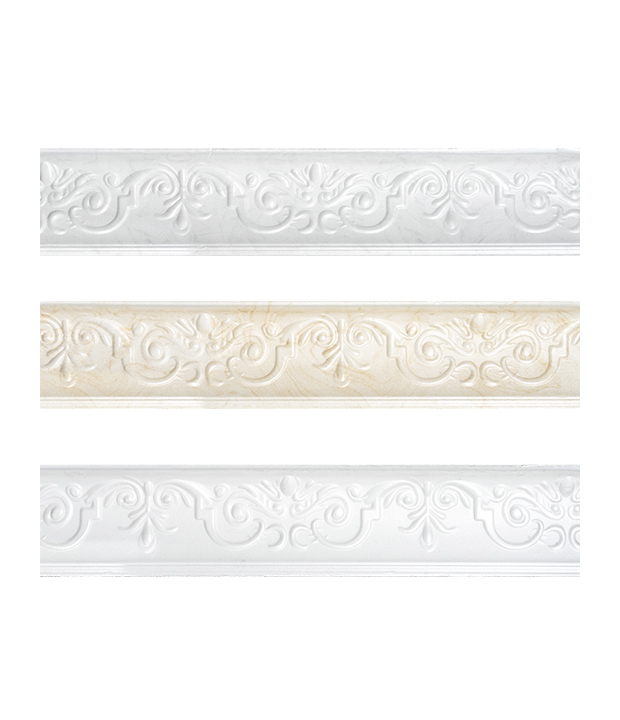 EPS Crown Molding T-04
-
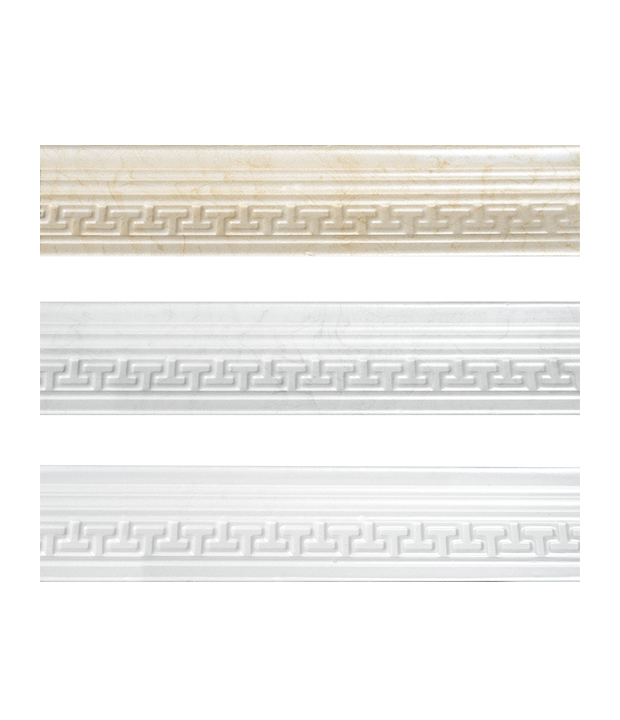 EPS Crown Molding T-02
-
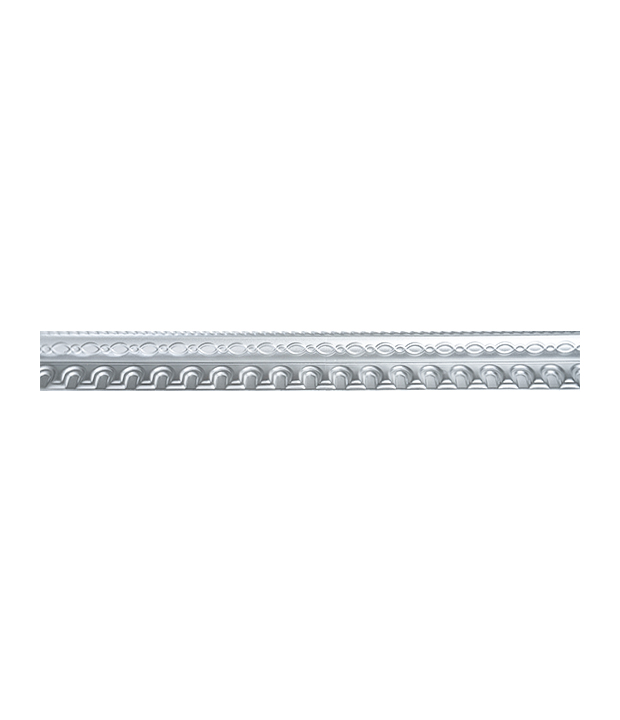 EPS Crown Molding
-
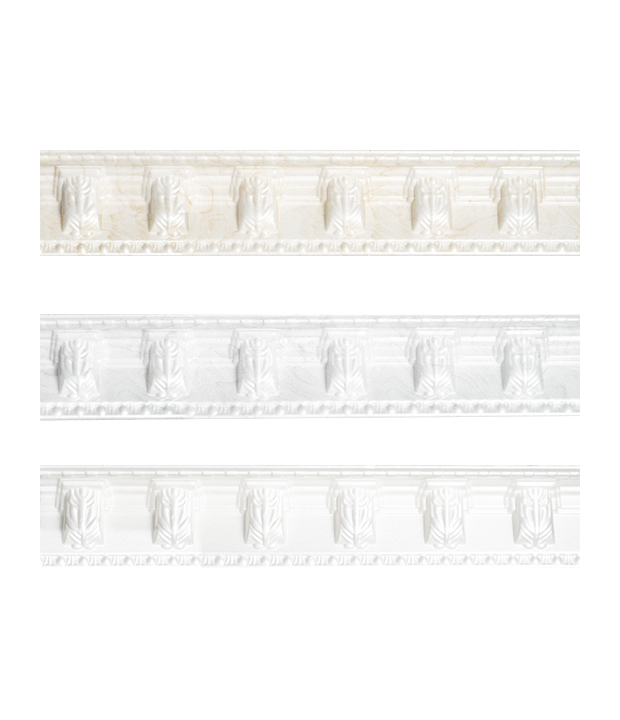 EPS Crown Molding T-18
-
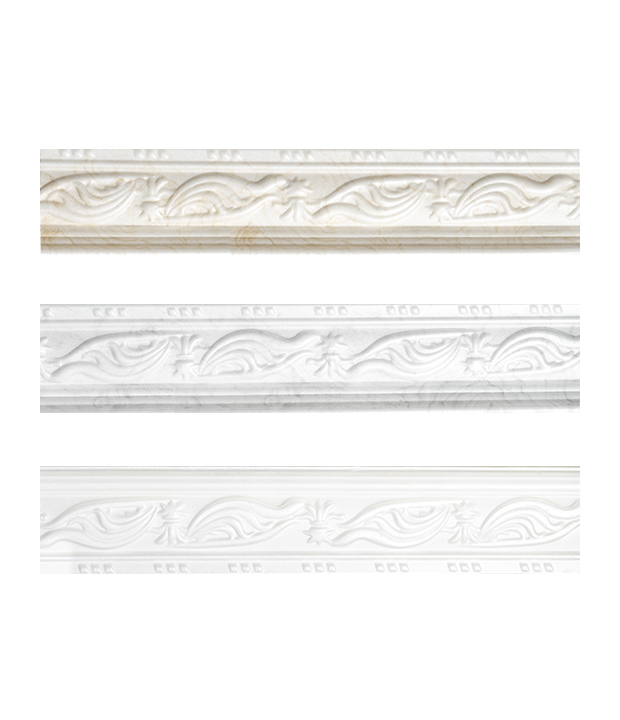 EPS Crown Molding T-20
-
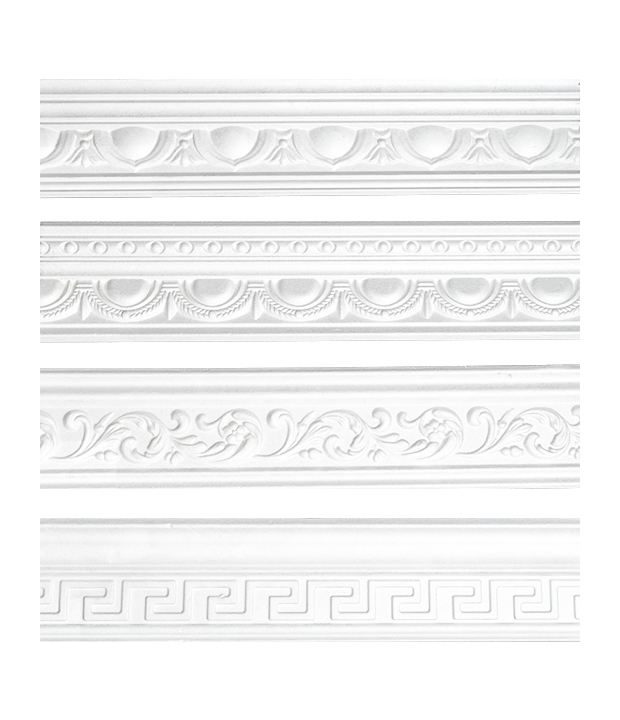 EPS Crown Molding B-06 B-08 B-10 B-12
-
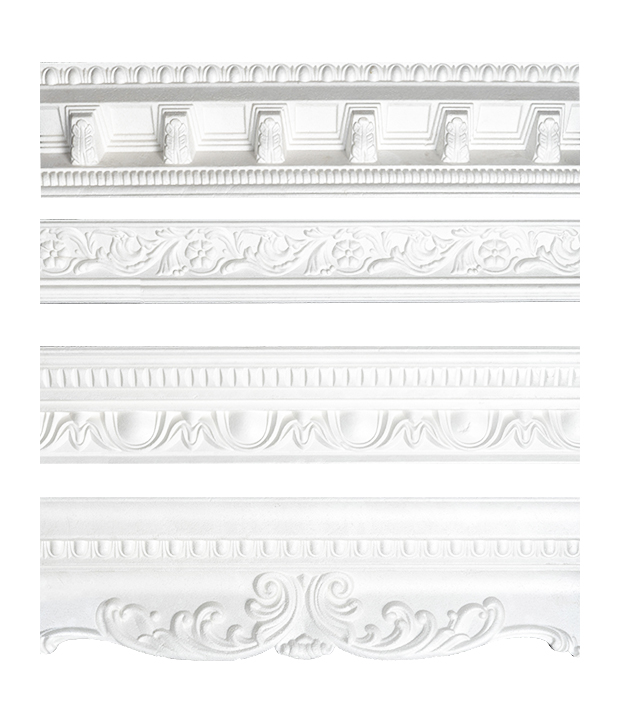 EPS Crown Molding B-22 B-20 B-24 B-18
-
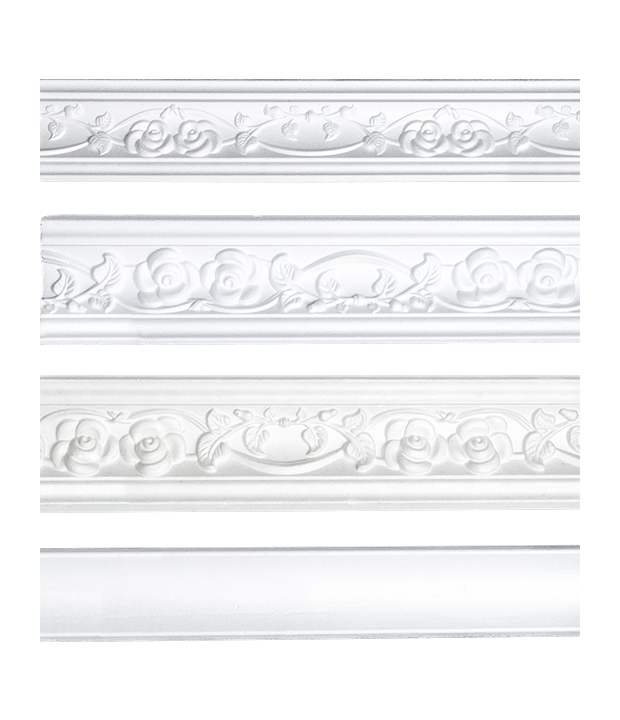 EPS Crown Molding B-26-1 B-26-2 B-26 B-16
-
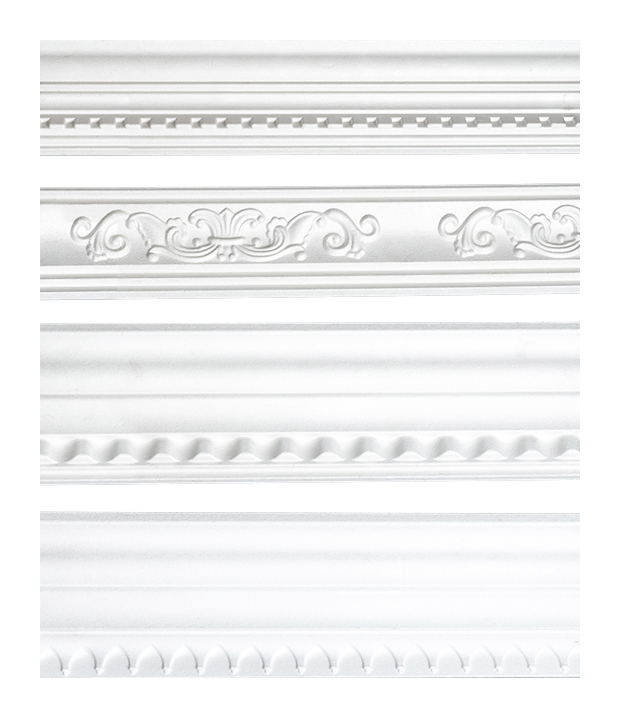 EPS Crown Molding B-30 B-28 B-34 B-32
-
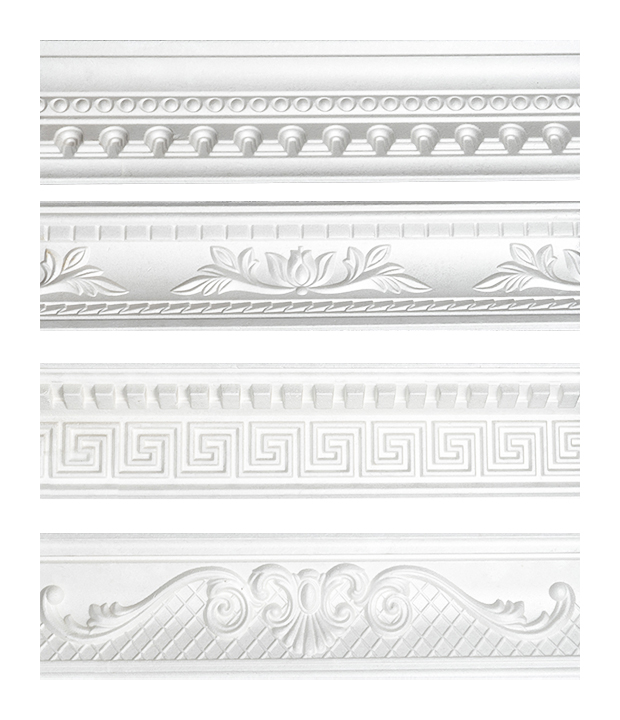 EPS Crown Molding B-42 B-40 B-38 B-36
-
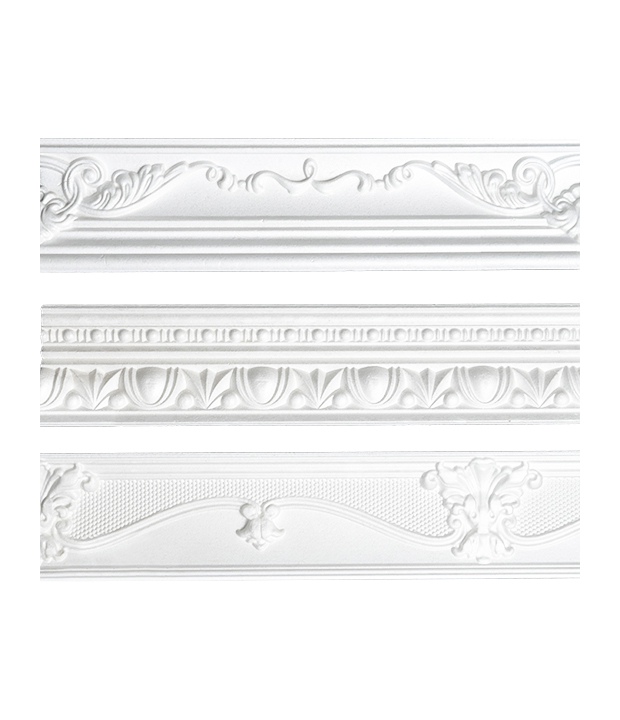 EPS Crown Molding B-60 B-44 B-58
-
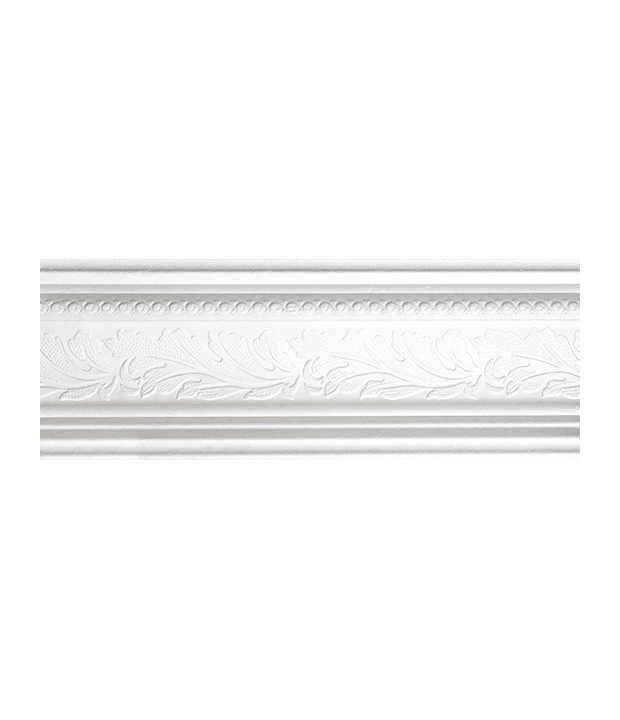 EPS Crown Molding B-56
News
-
-
Introduction What is an EPS Ceiling Medallion? An EPS Ceiling Medallion refers to a decorative ceiling feature made from Expanded Polystyrene (EPS), a type of lightweight foam material. Commonly used ...
READ MORE -
What is a Ceiling Medallion, and How Does it Change the Visual Proportion of Interior Space? In the realm of high-end interior design, the ceiling is no longer an overlooked surface. Often referred to...
READ MORE
Contact info.
- Cell:+86-15951909824 (Amanda)
- Email: amanda@ever-growing.net / 363526407@qq.com
- Add: No.5, Yanhe Rd, Ganduo Indsutrial Park, Gaoyou, Yangzhou, Jiangsu, P.R.O.C.
Quick Links
Copyright © Yangzhou Ever-Growing International Co.,Ltd. All Rights Reserved.
Wholesale Precision Foam Interior Decoration Manufacturers