

 English
 中文简体
中文简体 Español
In the evolution of architectural design, thermal comfort has always been a core metric for measuring quality of life. From open fires to cast-iron radiators and now to radiant heating systems, the un...
READ MORE
Interior Decorative Materials 101: How Moulding, Flooring, and Finishes Work Together
Jul 09,2026 ------ Industry News
Interior decorative materials are the finishes and surface products — moulding, flooring, wall treatments, ceiling details, and specialty coatings — that give a room its character on top of its structural bones. The right combination isn't about picking the most expensive option in each category; it's about matching material properties to how a room is actually used, then letting two or three of those materials carry the visual weight instead of competing for attention.
In Short
- Moulding profile matters more than material grade for visual impact — a deep, well-proportioned profile in a mid-range material reads as higher-end than a shallow profile in solid hardwood.
- Maintenance demand varies enormously between decorative materials — high-gloss finishes and polished plaster need more upkeep than matte paint or engineered flooring.
- Cohesion beats variety — rooms with two or three repeated materials read as intentional; rooms with five or more competing finishes tend to feel cluttered regardless of individual quality.
Wall and Trim Materials: Where Decorative Moulding Fits In
The category most homeowners underestimate for its visual return
Decorative moulding is one of the highest-leverage interior decorative materials available, because it changes a room's proportions rather than just its surface color. Crown moulding at the ceiling line, baseboard at the floor, chair rail at roughly a third of the wall height, and panel moulding applied as wainscoting or wall trim all serve the same underlying purpose — they define edges and add depth to what would otherwise be a flat plane.
The material a moulding is made from changes both its cost and how it needs to be treated over time. Solid wood takes stain and paint equally well and holds crisp detail, but it moves with humidity and costs the most per linear foot. MDF (medium-density fiberboard) is more dimensionally stable and less expensive, but it only accepts paint, not stain, since it has no visible wood grain. Polyurethane and PVC mouldings resist moisture well enough for bathrooms and exteriors and arrive pre-primed, though very budget-grade versions can look slightly less crisp under close inspection than a well-milled wood profile.
| Moulding Material | Best Finish Option | Moisture Resistance | Typical Cost Position |
|---|---|---|---|
| Solid wood | Stain or paint | Lower — moves with humidity | Highest |
| MDF | Paint only | Moderate — swells if soaked | Mid-range |
| Polyurethane | Paint, pre-primed | High — suited to baths | Mid-range |
| PVC / cellular composite | Paint, pre-primed | Highest — fully moisture-proof | Lowest to mid-range |
For a room that will see steam or splashing, such as a bathroom or a kitchen backsplash edge, polyurethane or PVC moulding avoids the warping risk that comes with solid wood in a humid environment. For a formal living or dining room where the trim will be stained rather than painted, solid wood remains the only option that shows real grain.
Flooring Materials That Anchor a Room's Character
The largest surface area in most rooms deserves the most deliberate choice
Flooring sets the tone before any other decorative material is applied, since it occupies more visible surface area than almost anything else in a room. Hardwood brings warmth and a timeless quality but scratches more easily than harder surfaces, making it better suited to bedrooms and living rooms than high-traffic entries. Tile handles moisture and heavy use well, which is why it dominates kitchens and bathrooms, though it's cold and hard underfoot without supplemental heating. Luxury vinyl plank mimics the appearance of wood or stone at a lower cost and holds up to heavy traffic, making it a practical choice for rentals or high-use family spaces, even though its production process draws more scrutiny from environmentally conscious buyers than natural materials do.
Ceiling Materials Worth a Second Look
The most overlooked surface in the room is also one of the most decorative
Ceilings are frequently left as an afterthought, but they carry real decorative potential. A painted ceiling in a contrasting or deepened shade of the wall color can add a sense of height or intimacy depending on the tone chosen. Exposed beams introduce rustic or industrial character but visually lower the perceived ceiling height, so they work best in rooms with generous vertical space to begin with. Coffered ceilings — a grid of recessed panels bordered by moulding — add unmistakable architectural weight and a sense of formality, but the installation is more involved and costly than either paint or exposed structural beams.
Specialty Decorative Materials for High-Impact Spaces
Beyond the standard categories, for rooms that need to make a statement
- MicrocementA smooth, seamless finish for floors, walls, or ceilings that suits minimalist and industrial-leaning interiors and resists cracking better than traditional cement finishes.
- Reclaimed woodAdds age and character through visible imperfections, well suited to rustic or vintage interiors, though sourcing consistent quality takes more effort than buying new material.
- Polished (Venetian) plasterA multi-layered, hand-applied finish that mimics the depth of natural stone and holds up well in high-end spaces that see regular use.
- Metallic finishesApplied to trim, accent walls, or moulding detail to reflect light and add contrast against matte surroundings.
- Textured wallpaperMimics materials like suede or grasscloth to add tactile depth to a feature wall without the cost of the material it imitates.
- Glass and mirror panelsExpand the visual sense of space and bounce light into smaller or darker rooms more effectively than any paint finish.
Comparing Maintenance Demands Across Material Categories
The upkeep gap between finishes is often bigger than the price gap
| Material Category | Maintenance Level | Typical Refresh Cycle |
|---|---|---|
| Matte paint | Low | 5–10 years |
| High-gloss finishes | High — shows marks and dust readily | 2–4 years touch-up |
| Painted decorative moulding | Low to moderate | 5–8 years |
| Polished plaster | Moderate — needs periodic resealing | 3–5 years |
| Luxury vinyl plank flooring | Low | 10–15 years before replacement |
| Hardwood flooring | Moderate — periodic refinishing | Refinish every 7–10 years |
Building a Cohesive Material Palette Room by Room
Coordinating decorative materials without letting any single one compete for attention
The rooms that feel the most deliberately designed almost always share a pattern: a small number of interior decorative materials repeated with intention rather than a long list of finishes each fighting to be noticed. Glossy surfaces reflect light and brighten a room, while matte finishes absorb it and create a calmer, more grounded feel — mixing the two deliberately, rather than defaulting to one throughout, gives a space depth without visual noise.
2–3Primary materials that most cohesive rooms settle on, before adding accents
1/3Typical wall height for chair rail moulding placement
4Common moulding materials to choose from — wood, MDF, polyurethane, and PVC
Decorative moulding is often the fastest way to unify a room that already has strong flooring and wall color choices but still feels visually flat — because it works on proportion and shadow line rather than adding another color or texture to balance. Choosing it in a material and finish that matches the room's moisture exposure and formality level keeps the added cost proportional to how long the result will actually hold up.
our featured products.
Discover the timeless beauty and craftsmanship of Evergrowing through our featured products.
-
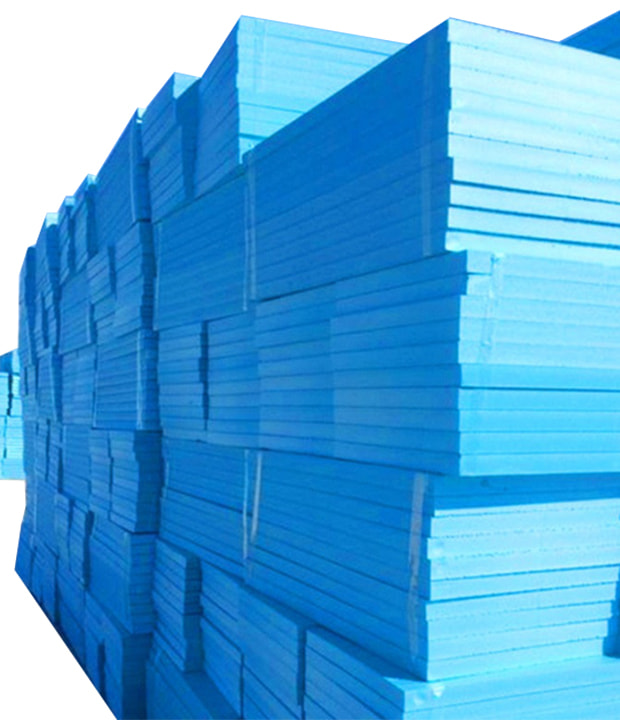 XPS underfloor heating panel
-
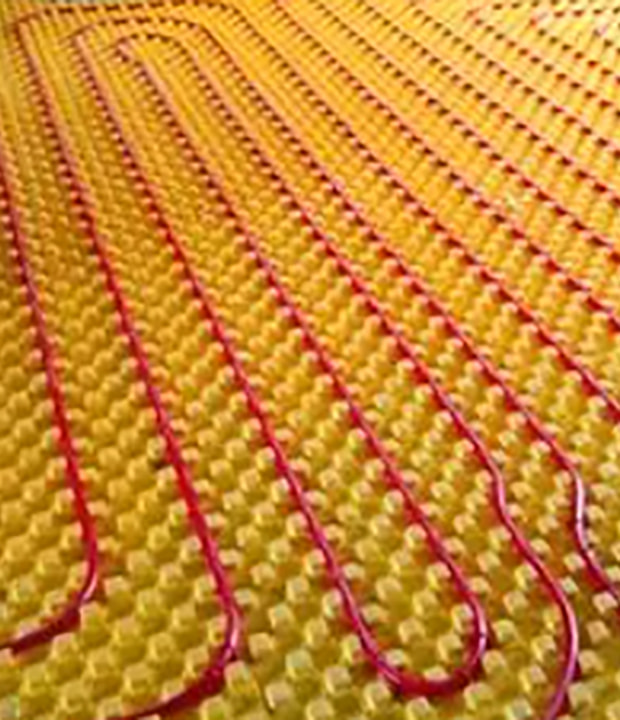 EPS underfloor heating panel
-
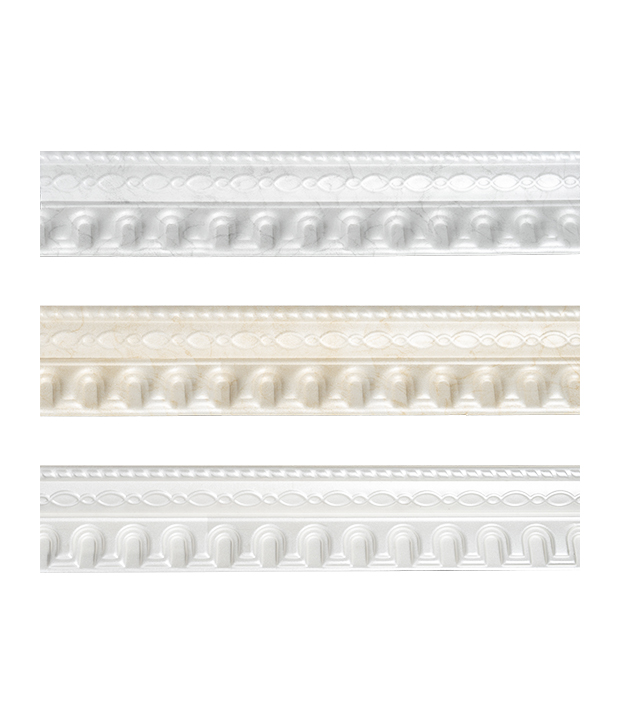 EPS Crown Molding T-06
-
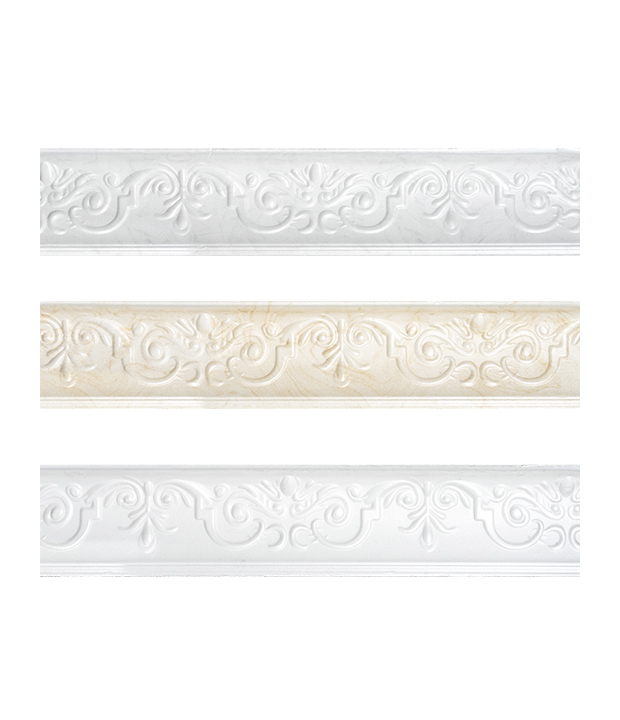 EPS Crown Molding T-04
-
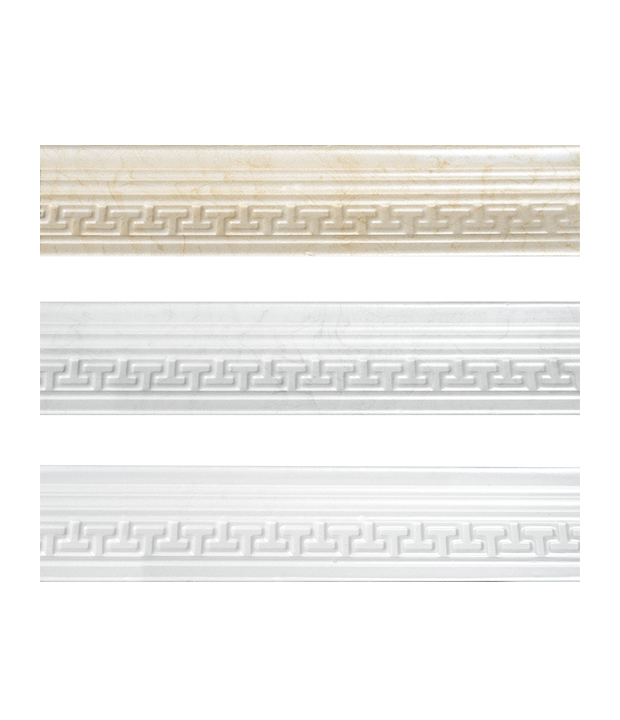 EPS Crown Molding T-02
-
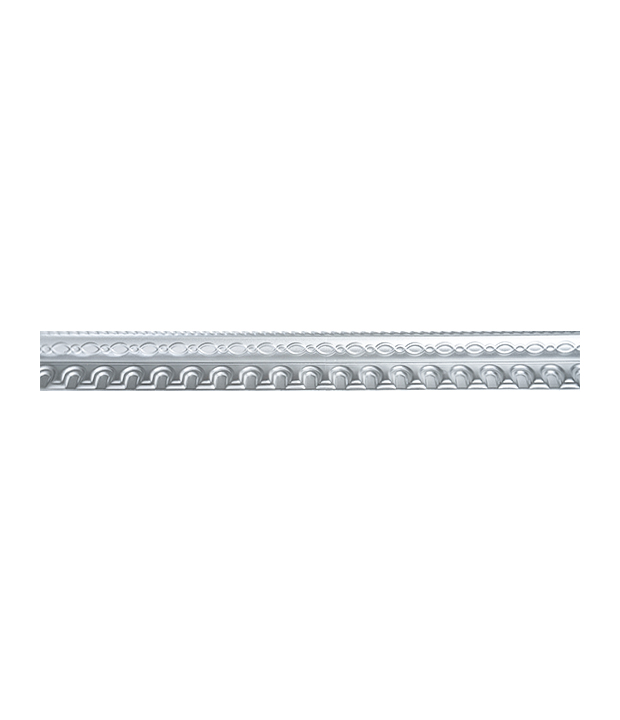 EPS Crown Molding
-
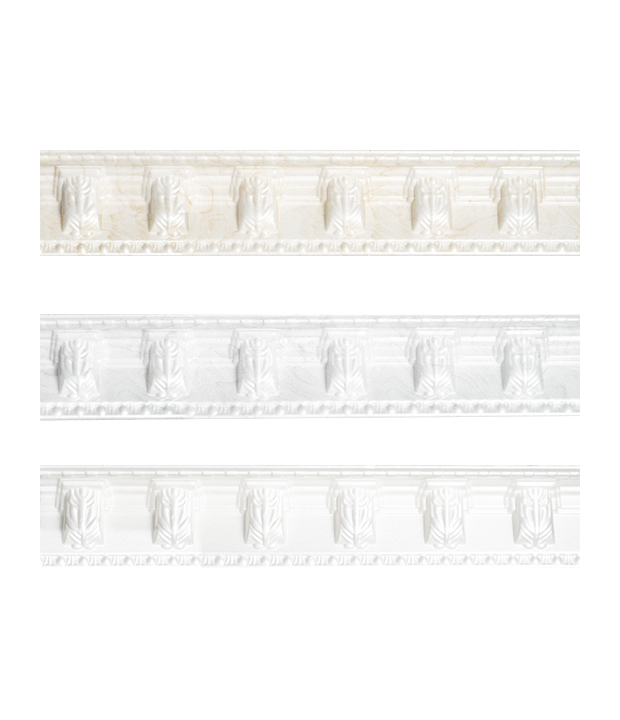 EPS Crown Molding T-18
-
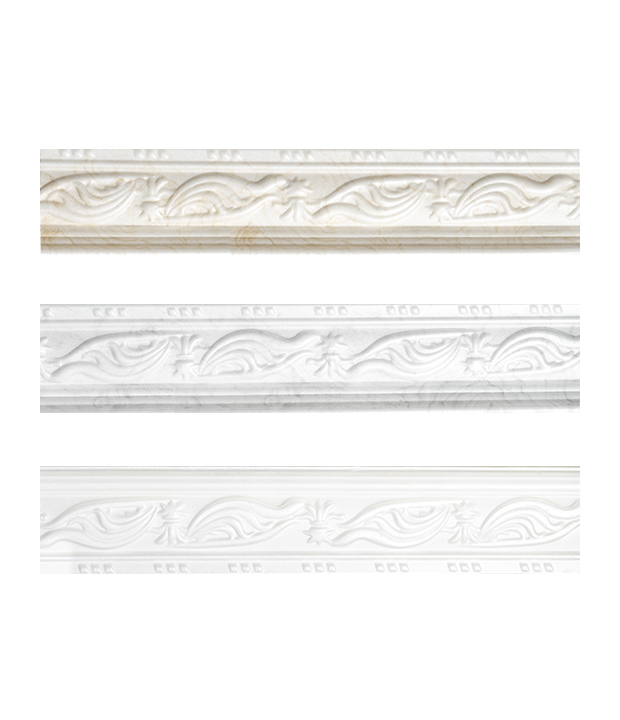 EPS Crown Molding T-20
-
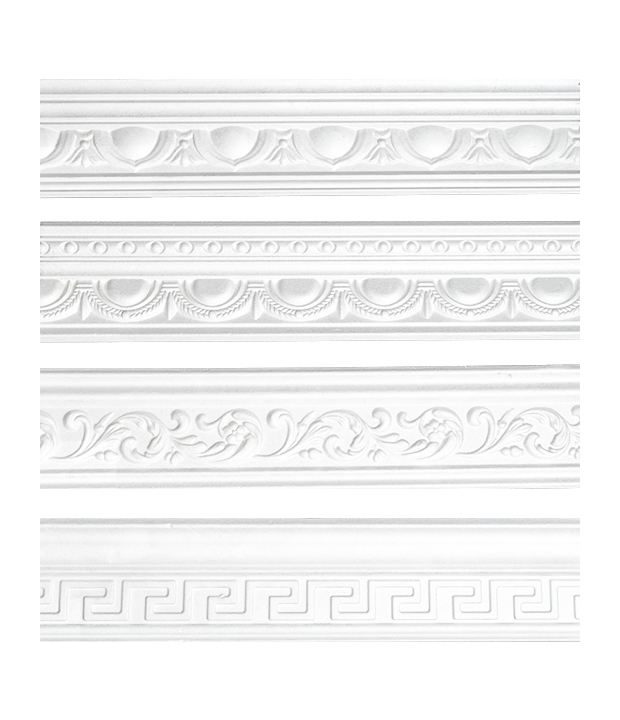 EPS Crown Molding B-06 B-08 B-10 B-12
-
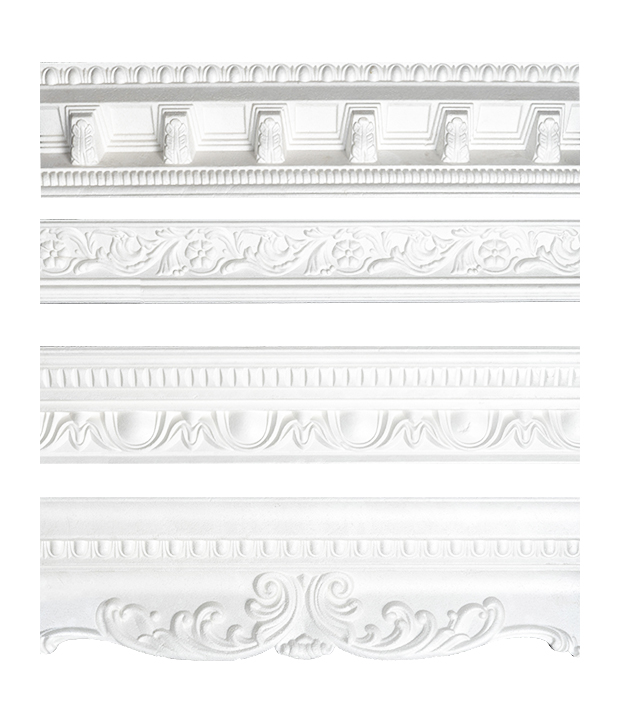 EPS Crown Molding B-22 B-20 B-24 B-18
-
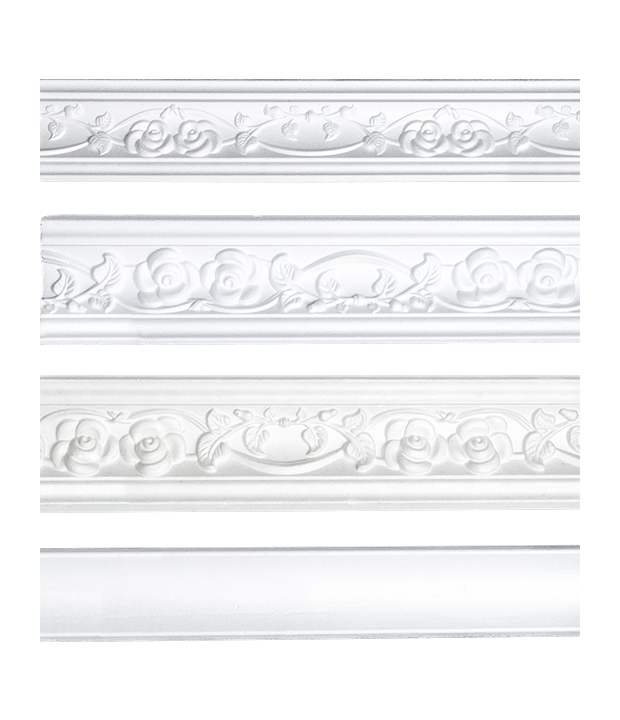 EPS Crown Molding B-26-1 B-26-2 B-26 B-16
-
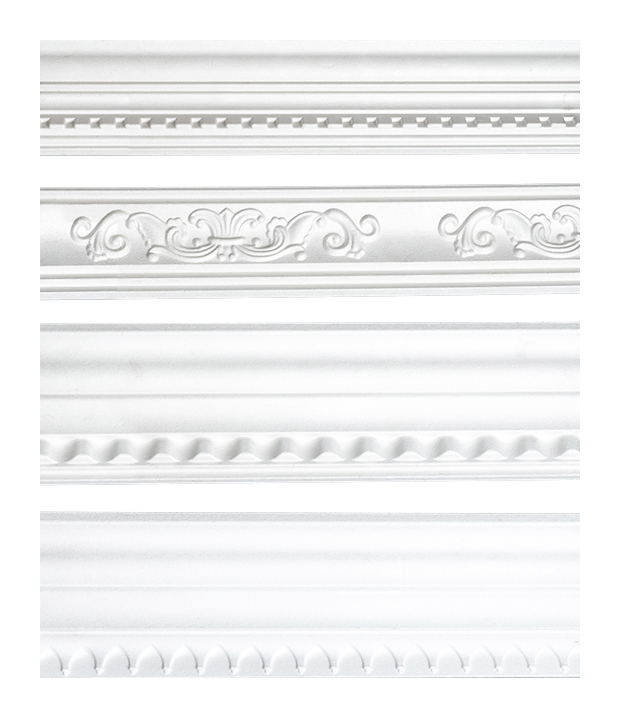 EPS Crown Molding B-30 B-28 B-34 B-32
-
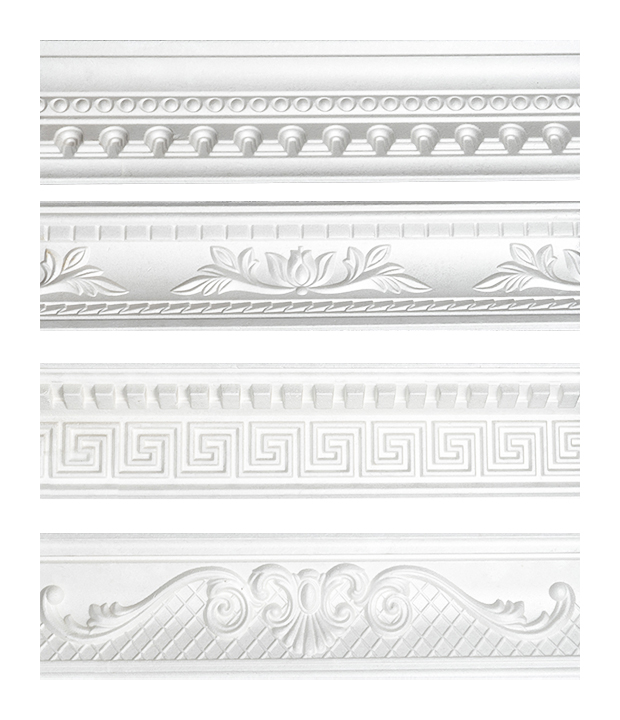 EPS Crown Molding B-42 B-40 B-38 B-36
-
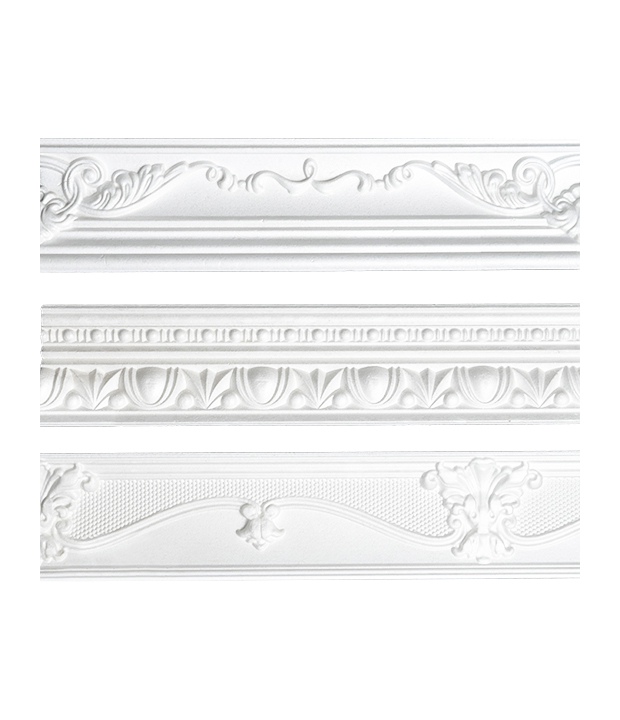 EPS Crown Molding B-60 B-44 B-58
-
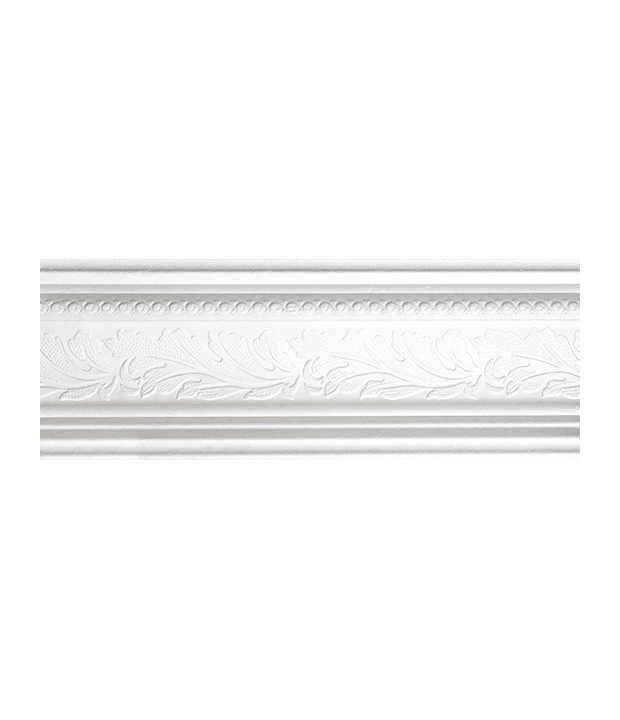 EPS Crown Molding B-56
News
-
-
Introduction What is an EPS Ceiling Medallion? An EPS Ceiling Medallion refers to a decorative ceiling feature made from Expanded Polystyrene (EPS), a type of lightweight foam material. Commonly used ...
READ MORE -
What is a Ceiling Medallion, and How Does it Change the Visual Proportion of Interior Space? In the realm of high-end interior design, the ceiling is no longer an overlooked surface. Often referred to...
READ MORE
Contact info.
- Cell:+86-15951909824 (Amanda)
- Email: amanda@ever-growing.net / 363526407@qq.com
- Add: No.5, Yanhe Rd, Ganduo Indsutrial Park, Gaoyou, Yangzhou, Jiangsu, P.R.O.C.
Quick Links
Copyright © Yangzhou Ever-Growing International Co.,Ltd. All Rights Reserved.
Wholesale Precision Foam Interior Decoration Manufacturers