

 English
 中文简体
中文简体 Español
In the evolution of architectural design, thermal comfort has always been a core metric for measuring quality of life. From open fires to cast-iron radiators and now to radiant heating systems, the un...
READ MORE
Polystyrene Ceiling Tiles: Are They Still Worth Installing in 2026?
Jul 02,2026 ------ Industry News
Polystyrene ceiling tiles remain one of the cheapest and fastest ways to cover a damaged or dated ceiling, but they lag behind mineral fiber, PVC, and drywall in fire safety and long-term durability. They make sense for low-budget cosmetic upgrades in rental units or garages — not for kitchens, commercial spaces, or anywhere fire code compliance matters.
What Polystyrene Ceiling Tiles Actually Are
Polystyrene ceiling tiles are lightweight foam panels, usually made from expanded polystyrene (EPS) or extruded polystyrene (XPS), designed to be glued directly onto an existing ceiling surface. They typically measure 50cm x 50cm or 20 x 20 inches, with thicknesses ranging from 3mm to 8mm. Unlike suspended ceiling systems, these tiles don't require a metal grid — a tube of adhesive and a steady hand are often all that's needed.
The appeal is straightforward: a single tile can cost as little as $0.50 to $1.50, and an average 12x12 ft room can be covered for under $80 in materials. That price point has kept the product alive since the 1960s, even as safer alternatives entered the market.
$0.50–$1.50 Cost per tile
1–2 hrs Time to cover 144 sq ft
5–8 yrs Typical lifespan
Class C/D Common fire rating
How Polystyrene Compares to Other Ceiling Materials
Choosing a ceiling covering usually comes down to four factors: upfront cost, installation effort, fire performance, and how long it lasts before replacement. Here's how polystyrene stacks up against the four materials most homeowners and contractors consider as alternatives.
| Material | Avg. Cost / sq ft | Install Method | Fire Rating | Lifespan |
| Polystyrene Tiles | $0.30 – $0.60 | Glue directly to surface | Low (Class C/D, melts and drips when burning) | 5–8 years |
| Mineral Fiber Tiles | $1.00 – $2.50 | Suspended grid system | Class A | 15–20 years |
| PVC Ceiling Panels | $1.50 – $3.00 | Track/clip system or glue | Class B, self-extinguishing | 15–25 years |
| Drywall (finished) | $1.50 – $3.50 | Screwed to joists, taped, painted | Class A | 25+ years |
| Wood Plank Ceiling | $4.00 – $9.00 | Nailed to furring strips | Combustible unless treated | 30+ years |
Key takeaway: Polystyrene wins decisively on price and speed, but every other material on this list outperforms it on longevity, and most outperform it on fire safety. That trade-off should be the deciding factor, not the sticker price alone.
Where Fire Safety Becomes a Dealbreaker
This is the single most important comparison point, and it's where polystyrene loses the most ground. Untreated expanded polystyrene ignites at a relatively low temperature and, once burning, melts and drips flaming material rather than charring in place. This behavior has been cited in multiple building-fire investigations, particularly in older commercial units and nightclubs where polystyrene tiles contributed to rapid flame spread across ceiling surfaces.
Fire-retardant-treated polystyrene tiles do exist and reduce ignition risk, but they don't match the Class A performance of mineral fiber or gypsum-based drywall. For this reason:
- Most commercial building codes prohibit untreated polystyrene tiles in occupied spaces without a fire-rated barrier behind them.
- Insurance underwriters in several regions flag polystyrene ceilings as a risk factor during commercial property assessments.
- Kitchens, laundry rooms, and anywhere near open flames or high heat should avoid polystyrene tiles entirely.
- Fire-retardant grades should always show a documented Class B or higher rating on the packaging before purchase.
Installation: Where Polystyrene Genuinely Wins
If there's one category where polystyrene tiles are hard to beat, it's ease of installation. A typical workflow looks like this:
- Clean and level the existing ceiling surface, filling any large cracks or gaps.
- Snap chalk lines from the center point of the room to keep rows straight.
- Apply adhesive in dabs or a bead pattern to the back of each tile.
- Press each tile into place, working outward from the center.
- Trim edge tiles with a utility knife to fit the perimeter.
No ladder-mounted grid work, no drywall screws, no joint compound, no sanding. A single person can typically finish a 12x12 room in one to two hours, compared to a full day or more for a taped-and-mudded drywall ceiling, and two to four hours for a suspended mineral fiber grid.
Where Installation Gets Tricky
The trade-off is surface prep. Polystyrene tiles telegraph every imperfection in the ceiling beneath them — bumps, old texture, and uneven joints will show through a thin foam tile in a way they wouldn't under drywall. Popcorn ceilings in particular need to be scraped or covered with a liner board first, which adds back some of the labor savings.
Insulation and Acoustic Performance
Polystyrene does offer a modest thermal benefit thanks to its closed-cell foam structure — typically an R-value between 0.8 and 1.5 per tile, depending on thickness. That's a real but small contribution; it won't replace proper attic insulation, but it can slightly reduce heat loss in older buildings with minimal ceiling insulation.
Acoustically, polystyrene tiles perform worse than mineral fiber. Mineral fiber tiles are engineered with sound-absorbing cores and often carry a Noise Reduction Coefficient (NRC) of 0.55–0.75, while smooth polystyrene tiles typically sit closer to 0.05–0.15 NRC — meaning they reflect sound rather than absorb it. Textured or fissured polystyrene tiles perform marginally better but still fall well short of acoustic-grade ceiling products.
Health and Indoor Air Considerations
Polystyrene is generally considered chemically stable at room temperature and doesn't off-gas significantly once cured adhesive has dried. The larger concern is what happens during a fire, when burning polystyrene releases dense black smoke and higher concentrations of carbon monoxide compared to gypsum or mineral-based materials. Older tiles installed before the 1980s should also be checked before removal, as some early adhesive formulations used in ceiling tile installation contained asbestos-based compounds — testing is recommended before demolition of any pre-1980s ceiling system.
Cost Over a 20-Year Ownership Period
Sticker price tells only part of the story. Because polystyrene tiles need replacing roughly every 5–8 years while mineral fiber and PVC last 15–25 years, the long-term cost comparison looks different once replacement labor is factored in.
| Material | Initial Cost (144 sq ft) | Replacements in 20 Years | Estimated 20-Year Total |
| Polystyrene Tiles | $65 | 2–3 times | $195 – $260 |
| PVC Panels | $260 | 0–1 times | $260 – $400 |
| Mineral Fiber Grid | $310 | 1 time | $310 – $450 |
| Painted Drywall | $430 | 0 times (repaint only) | $430 – $500 |
On paper, polystyrene still comes out cheapest over two decades, but the gap narrows considerably once repeated installation labor is counted rather than material cost alone — especially if the tiles are professionally installed each time rather than DIY.
Best Use Cases for Polystyrene Ceiling Tiles
Given the trade-offs above, polystyrene tiles make the most sense in specific, limited scenarios rather than as a general-purpose ceiling solution:
- Covering a damaged or stained ceiling in a rental property before a short-term lease turnover.
- Garages, workshops, or storage rooms where fire code requirements are minimal and budget is the priority.
- Temporary or seasonal spaces such as market stalls, event booths, or pop-up retail units.
- DIY basement finishing projects where the ceiling won't be exposed to open flame or high heat sources.
For kitchens, commercial interiors, multi-family housing common areas, or any space where fire code inspection is likely, mineral fiber tiles, PVC panels, or finished drywall are the safer and more durable choice, even at a higher upfront cost.
our featured products.
Discover the timeless beauty and craftsmanship of Evergrowing through our featured products.
-
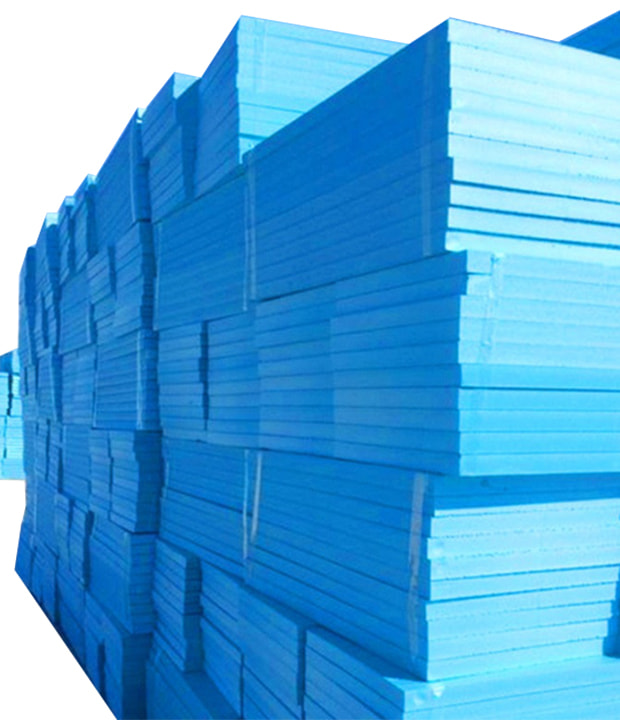 XPS underfloor heating panel
-
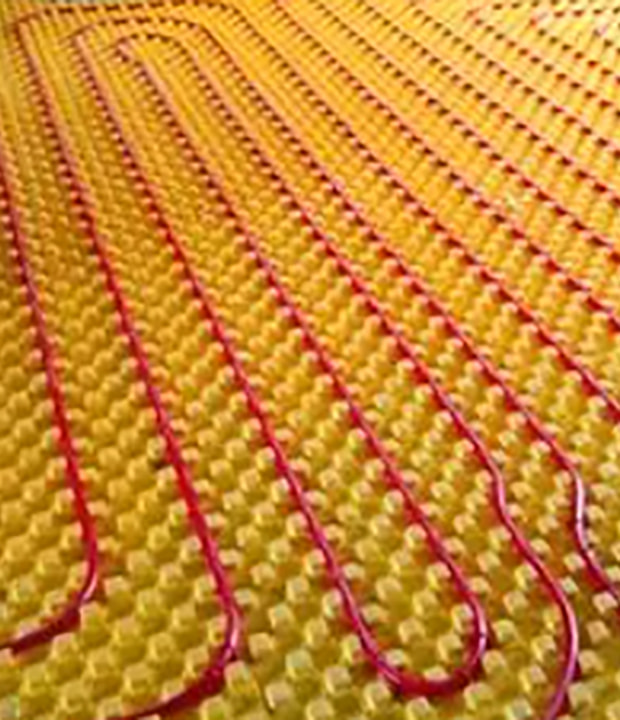 EPS underfloor heating panel
-
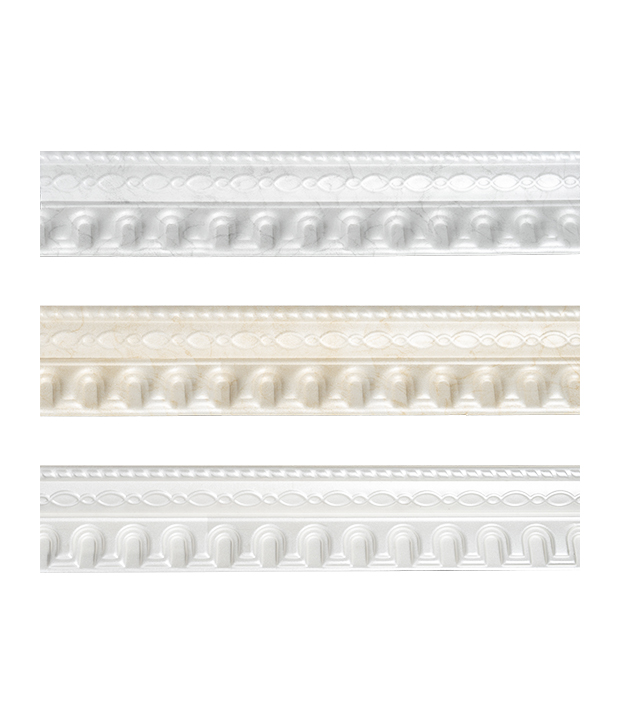 EPS Crown Molding T-06
-
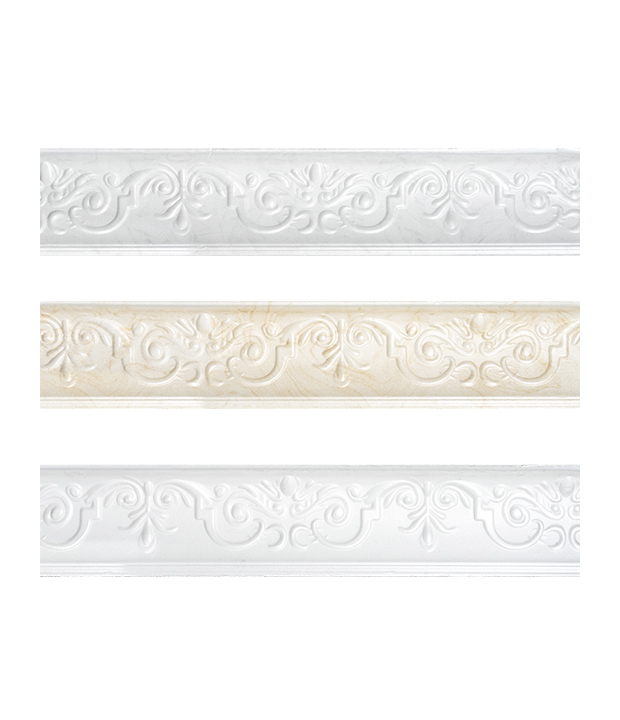 EPS Crown Molding T-04
-
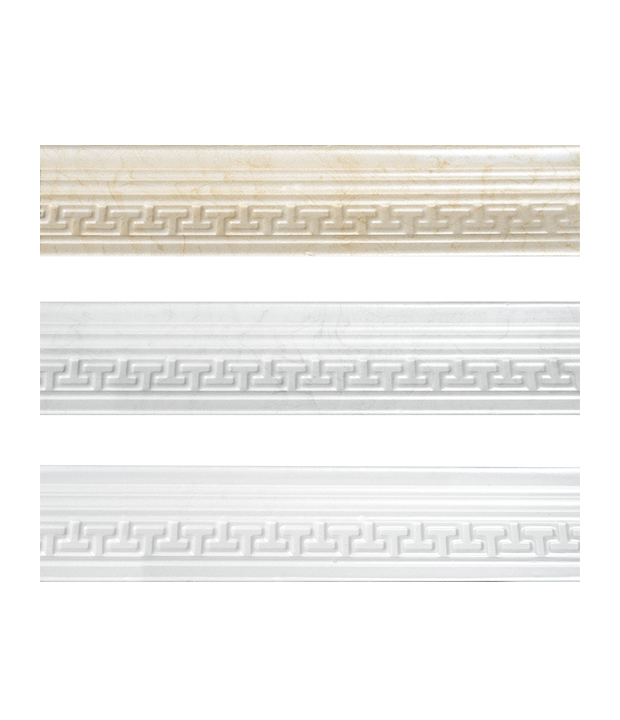 EPS Crown Molding T-02
-
 EPS Crown Molding
-
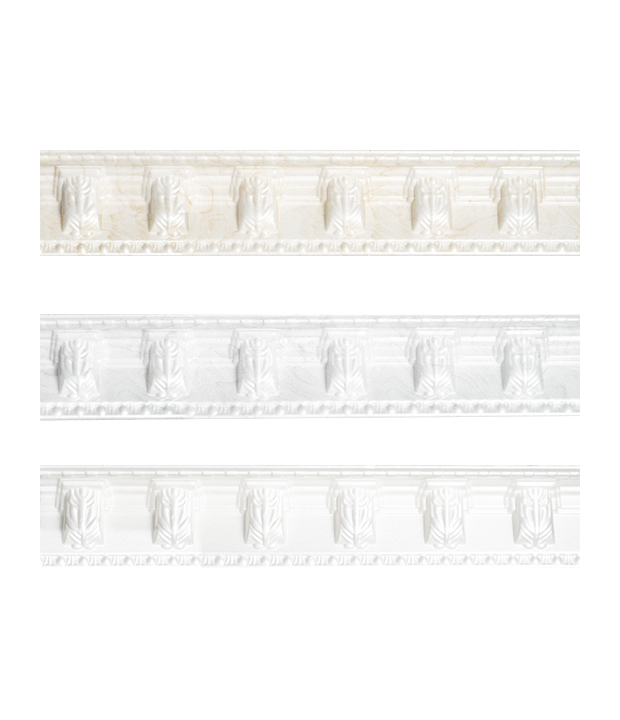 EPS Crown Molding T-18
-
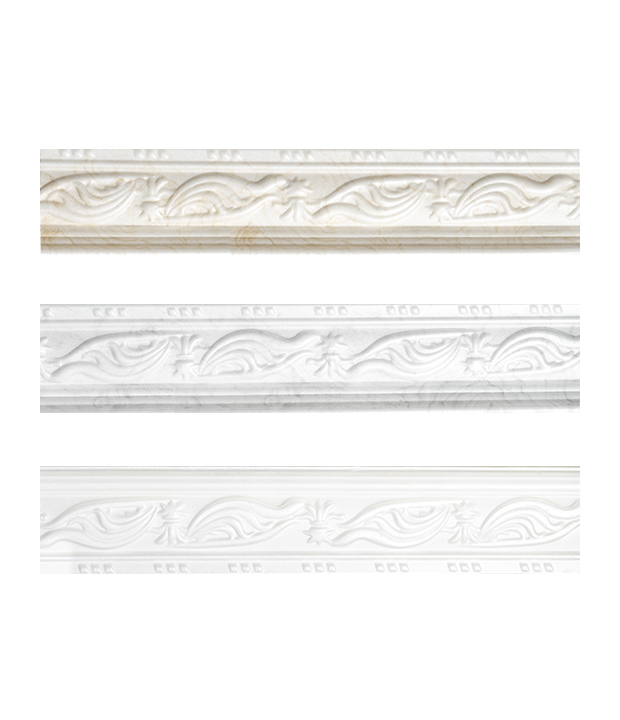 EPS Crown Molding T-20
-
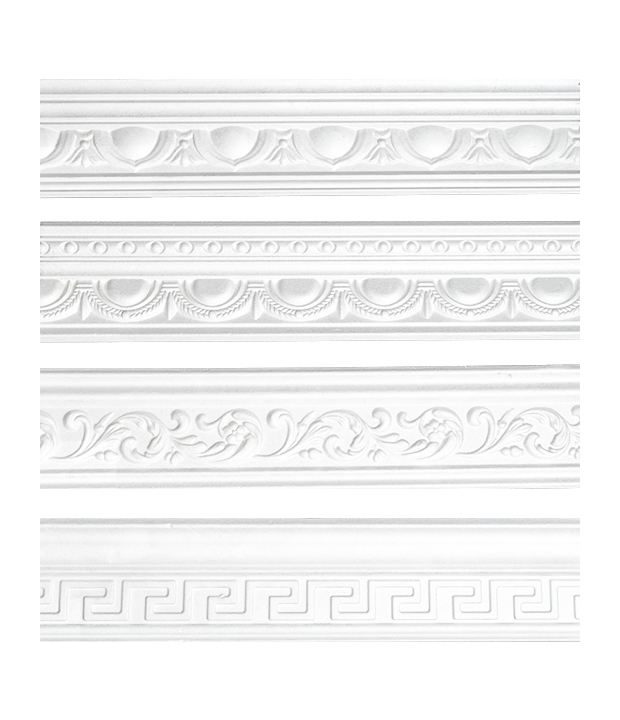 EPS Crown Molding B-06 B-08 B-10 B-12
-
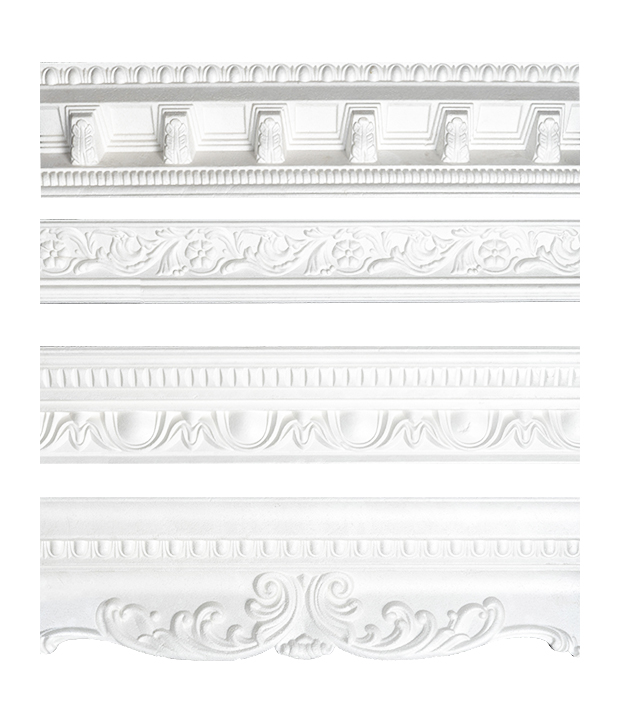 EPS Crown Molding B-22 B-20 B-24 B-18
-
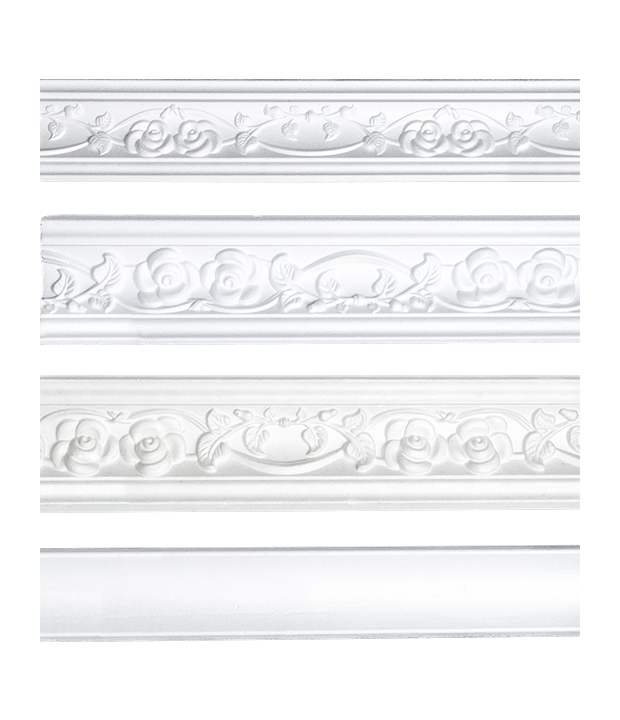 EPS Crown Molding B-26-1 B-26-2 B-26 B-16
-
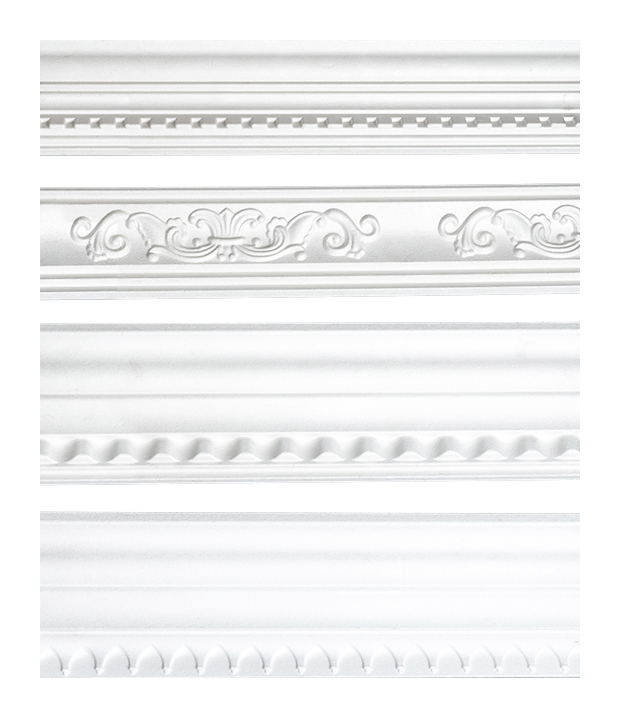 EPS Crown Molding B-30 B-28 B-34 B-32
-
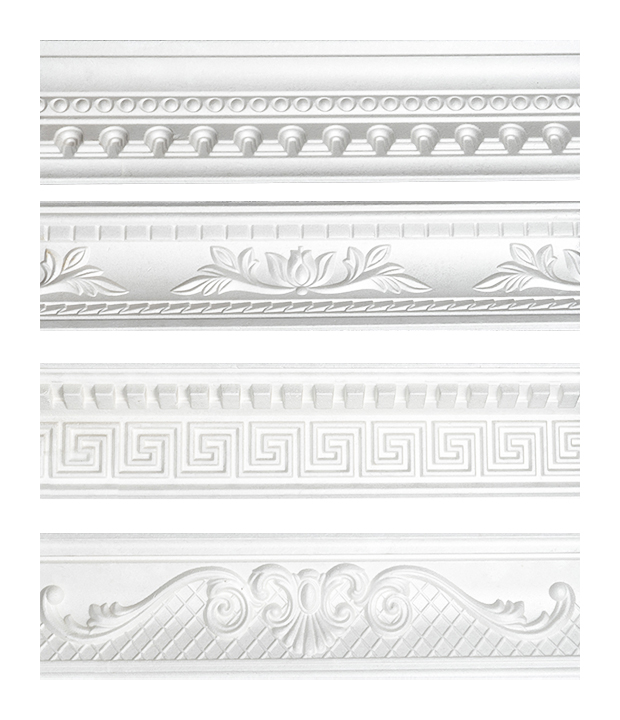 EPS Crown Molding B-42 B-40 B-38 B-36
-
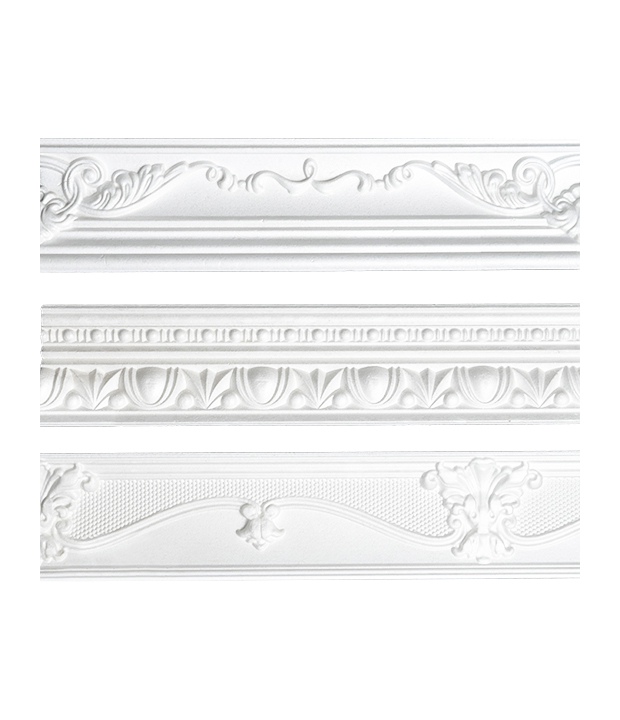 EPS Crown Molding B-60 B-44 B-58
-
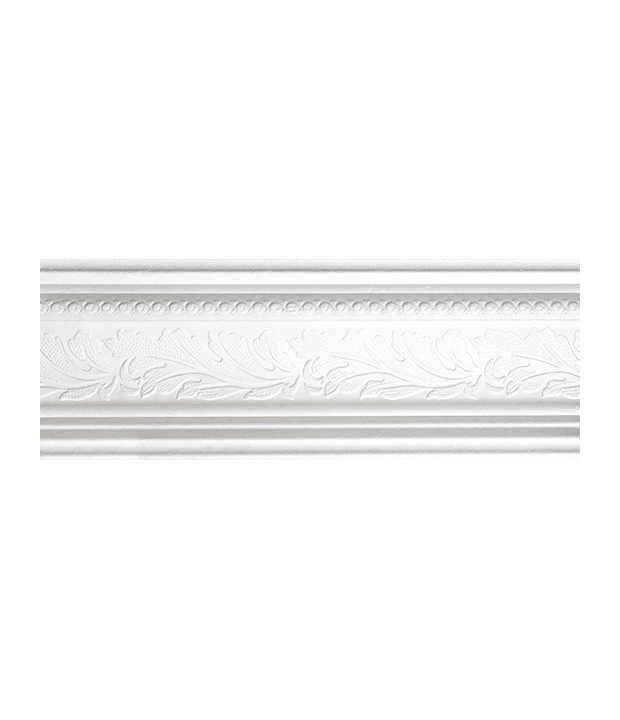 EPS Crown Molding B-56
News
-
-
Introduction What is an EPS Ceiling Medallion? An EPS Ceiling Medallion refers to a decorative ceiling feature made from Expanded Polystyrene (EPS), a type of lightweight foam material. Commonly used ...
READ MORE -
What is a Ceiling Medallion, and How Does it Change the Visual Proportion of Interior Space? In the realm of high-end interior design, the ceiling is no longer an overlooked surface. Often referred to...
READ MORE
Contact info.
- Cell:+86-15951909824 (Amanda)
- Email: amanda@ever-growing.net / 363526407@qq.com
- Add: No.5, Yanhe Rd, Ganduo Indsutrial Park, Gaoyou, Yangzhou, Jiangsu, P.R.O.C.
Quick Links
Copyright © Yangzhou Ever-Growing International Co.,Ltd. All Rights Reserved.
Wholesale Precision Foam Interior Decoration Manufacturers