

 English
 中文简体
中文简体 Español
In the evolution of architectural design, thermal comfort has always been a core metric for measuring quality of life. From open fires to cast-iron radiators and now to radiant heating systems, the un...
READ MORE
Material Architecture and Spatial Design: A Comparative Engineering Evaluation of Contemporary Interior Decorative Materials
Jun 25,2026 ------ Industry News
Specifying high-performance interior decorative materials requires a balance between architectural aesthetics, acoustic isolation, life-cycle durability, and mandatory fire safety compliance. For modern commercial and high-traffic institutional environments, selecting engineered surfaces—such as High-Pressure Laminates (HPL) and Sintered Stone slabs—is the most effective design strategy. These composites outperform natural timber veneers and soft gypsum boards by providing superior resistance to impact, near-zero moisture absorption rates, and Class A flame spread indices, ensuring long-term structural integrity with minimal maintenance overhead.
The Material Science of Surface Finishes
The structural layout of modern real estate relies heavily on the physical properties of interior decorative materials. Beyond merely providing visual appeal, interior surfacing products act as the frontline interface against environmental degradation, physical impacts, and daily wear. When architects plan commercial fit-outs, hotel lobbies, or clinical facilities, they look beyond surface aesthetics to evaluate material metrics such as surface hardness, scratch resistance, and chemical inertness. The choice of substrate and finish directly influences the indoor air quality, acoustics, and structural safety of the space.
Every interior covering interfaces with an underlying substrate—whether it is concrete blockwork, steel framing, or multi-ply wood framework. Under variable environmental conditions, such as humidity spikes from HVAC fluctuations or changes in seasonal ambient temperature, these substrates undergo subtle thermal expansion and contraction. Interior surface finishes must possess the structural elasticity or compressive strength to absorb these subterranean shifts without shearing, cracking, or delaminating from the wall. Selecting the incorrect molecular structure for demanding interior surfaces causes premature asset failure, forcing expensive remediation and structural replacement cycles.
Comparative Material Analysis: High-Pressure Laminates vs. Sintered Stone
Architects and project estimators must select decorative surfaces based on precise performance metrics. Two of the most technically capable materials specified for high-demand horizontal and vertical interior surfaces are High-Pressure Laminates (HPL) and Sintered Stone. While both surfaces mimic natural textures like fine timber or rare marble, their manufacturing methodologies and physical limitations are distinct.
High-Pressure Laminates (HPL): HPL is manufactured by fusing multiple layers of kraft paper impregnated with phenolic resins under intense hydraulic pressure exceeding 1,000 Pounds per Square Inch (PSI) and processing temperatures above 140 degrees Celsius. The topmost layer features a high-definition decorative print sheet protected by a transparent melamine resin overlay. This curing process yields a dense, flexible sheet that is highly resistant to impact damage and cracking. However, because HPL utilizes an organic paper core, it remains vulnerable to edge delamination if moisture seeps past the protective sealant barriers over extended periods.
Sintered Stone Slabs: Sintered stone represents a significant leap forward in mineral engineering. Natural quartz, feldspar, and silica minerals are crushed into fine particulates and subjected to extreme compaction force using a 25,000-ton press. The resulting green slab is fired in a kiln at temperatures exceeding 1200 degrees Celsius. This process causes the mineral particles to fuse at a molecular level without melting, creating an ultra-dense, non-porous material. Sintered stone features near-absolute scratch immunity and UV stability, though it carries higher material and fabrication costs and requires specialized diamond-tooled machinery for field modifications.
| Performance Variable | High-Pressure Laminate (HPL) | Engineered Sintered Stone |
|---|---|---|
| Scratch Resistance (Mohs Scale) | Moderate (Typically registers 3 to 4 on the hardness scale) | Exceptional (Registers 7 to 8; completely knife-scratch proof) |
| Moisture Absorption Index | Low to Moderate (Core can swell up to 5% if edge-seals fail) | Near Zero (Less than 0.05% absorption; inherently waterproof) |
| Impact and Flexural Resilience | High; flexible cellulose core structure absorbs physical blows | Moderate; high stiffness makes edges prone to chipping under heavy impact |
| Fire Performance Rating | Class B or C standard (Requires fire-retardant resins for Class A) | Class A1 (100% non-combustible; emits zero smoke or toxic fumes) |
| Installation Weight Overhead | Very Light (Easy to score, cut, and mount on standard framing) | Extremely Heavy (Requires reinforced structural substrates and mechanical ties) |
Acoustic Performance and Thermal Insulation Properties
Modern commercial space design goes beyond visual cladding; it requires careful management of internal acoustics. In environments like corporate offices, educational lecture rooms, and hospital recovery wards, managing sound reflection is crucial for occupant well-being. Uninsulated, hard decorative surfaces reflect sound waves, generating echoes and high reverberation times that degrade speech intelligibility and increase acoustic fatigue.
To address this challenge, material engineers specify acoustic panel systems with precise NRC (Noise Reduction Coefficient) ratings. A standard concrete wall face reflects up to 98% of incident acoustic energy, scoring an NRC rating near 0.00. By integrating acoustic wall panels fabricated from micro-perforated timber surfaces or felt composites derived from recycled polyethylene terephthalate (PET) fibers, designers can transform reflective walls into absorptive surfaces. These porous structures capture sound energy and dissipate it as thermal energy within the core material, achieving NRC ratings of 0.85 or higher and isolating conversational noise within the room.
Simultaneously, these decorative systems improve the building envelope's overall R-value (thermal resistance). Incorporating wood-fiber composites or back-insulated ceramic wall claddings limits thermal bridging across exterior concrete structural frames. This thermal performance reduces heat loss in cold weather and keeps interiors cool during high-temperature summers, lowering the building's continuous energy demand and supporting sustainable operations.
The Economics of Commercial Cladding: Total Cost of Ownership Projection
Procuring interior decorative materials requires a careful balance between initial procurement capital expenditure (CAPEX) and long-term operational maintenance costs (OPEX). Selecting low-cost building materials frequently introduces hidden long-term costs due to regular cleaning requirements, periodic surface refinishing, and short replacement lifecycles.
Consider a high-traffic international airport terminal featuring a 5,000-square-meter main corridor wall expanse. Sourcing a standard, budget-friendly vinyl wallcovering saves significant upfront cost, with an initial acquisition and installation price of around $25 per square meter. However, the heavy flow of luggage carts, cleaning machinery, and pedestrian traffic inevitably scuffs, tears, and punctures soft vinyl surfaces. Within 36 months of operation, the wallcovering requires widespread replacement or patching, increasing lifecycle maintenance costs.
10-Year Lifecycle Financial Model (5,000-Square-Meter Commercial Space)
The matrix below projects the realistic financial performance of two competing wall surface systems over a 10-year operational horizon:
- Standard Commercial Vinyl Fabric Surfacing: Initial procurement and installation cost: $125,000. Expected lifespan before physical wear requires a full asset upgrade: 5 years. This model requires a complete tear-out and secondary installation at Year 5 ($145,000 including surface repair and facility disruption costs). Total 10-year investment: $270,000.
- High-Impact Resin-Core Laminate Cladding (HPL): Initial procurement and installation cost: $195,000. Designed with scratch-resistant layers that easily withstand impact forces from moving luggage carts. The material requires zero replacement over the 10-year operational timeframe, needing only basic detergent washing ($8,000 total cumulative maintenance cost). Total 10-year investment: $203,000.
- Net Financial Analysis: Upgrading to the higher-quality resin-core laminate solution yields a net savings of $67,000 across the facility lifecycle, fully amortizing its higher initial price within the first 42 months of terminal operation.
Environmental Standards and Safety Certification Frameworks
Because humans spend nearly 90% of their lives inside built environments, the chemical emissions from interior decorative materials are tightly regulated by international environmental health agencies. Freshly manufactured polymers, adhesives, and composite wood binders can release volatile organic compounds (VOCs), such as formaldehyde, into the air. This outgassing can cause sick building syndrome, respiratory discomfort, and reduced productivity among building occupants.
To satisfy indoor air safety standards, specified decorative materials must achieve independent third-party environmental certifications. The benchmark standard is the GreenGuard Gold certification protocol, which tests materials inside dynamic environmental chambers to ensure total VOC chemical emissions remain well below strict parts-per-billion (ppb) limits. Sourcing materials that pass these tests helps commercial developers meet regional air quality goals and secure valuable points toward international sustainable building certifications like LEED (Leadership in Energy and Environmental Design) and WELL Building standards.
Furthermore, structural materials must comply with strict fire safety codes, such as the ASTM E84 standard test method for surface burning characteristics of building materials. This testing procedure monitors flame spread index (FSI) and smoke developed index (SDI) parameters while the material is exposed to a controlled fire inside a test tunnel. Materials that receive a Class A fire rating (FSI from 0 to 25; SDI under 450) do not act as primary fuel sources during a structural fire, giving building occupants critical extra time to exit safely during an emergency.
References
• American Society for Testing and Materials (ASTM). ASTM E84 - Standard Test Method for Surface Burning Characteristics of Building Materials. West Conshohocken, PA.
• Council for Sustainable Buildings. Volatile Organic Compound Outgassing and Indoor Air Quality Metrics for Commercial Panel Enclosures.
• National Acoustic Laboratories. Reverberation Control and Noise Reduction Coefficients of Micro-Perforated Surfacing Elements.
our featured products.
Discover the timeless beauty and craftsmanship of Evergrowing through our featured products.
-
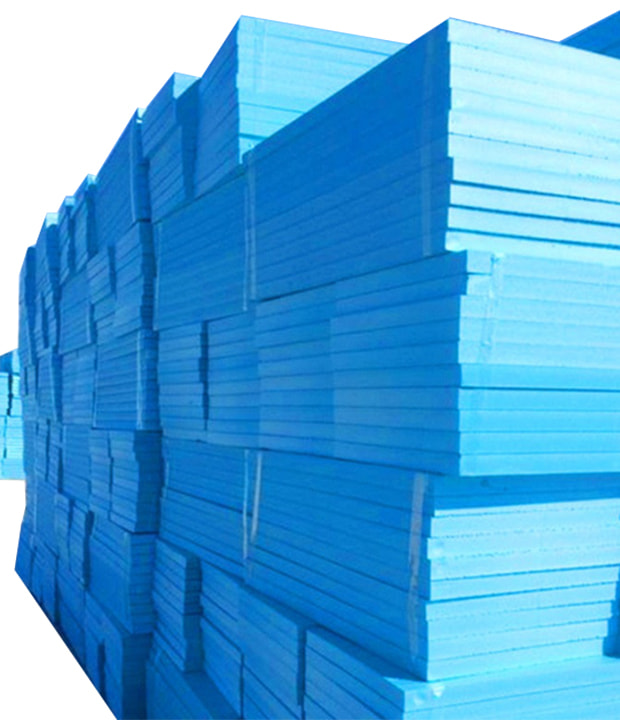 XPS underfloor heating panel
-
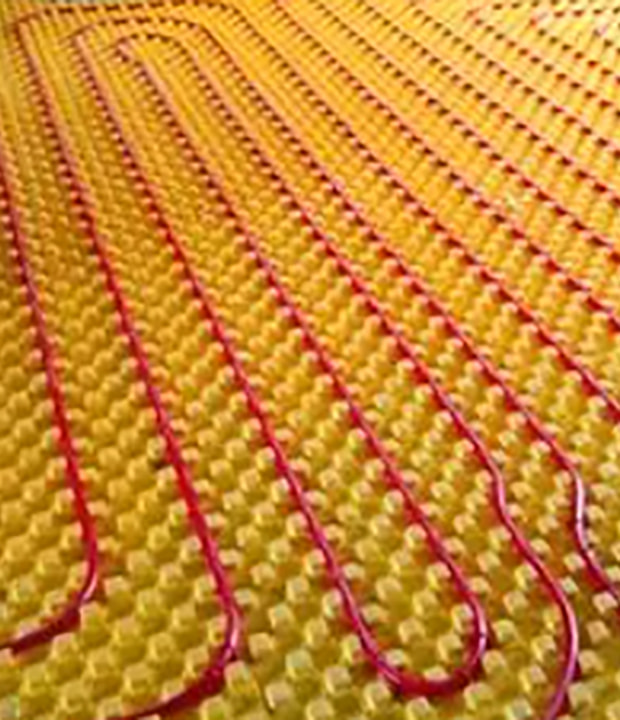 EPS underfloor heating panel
-
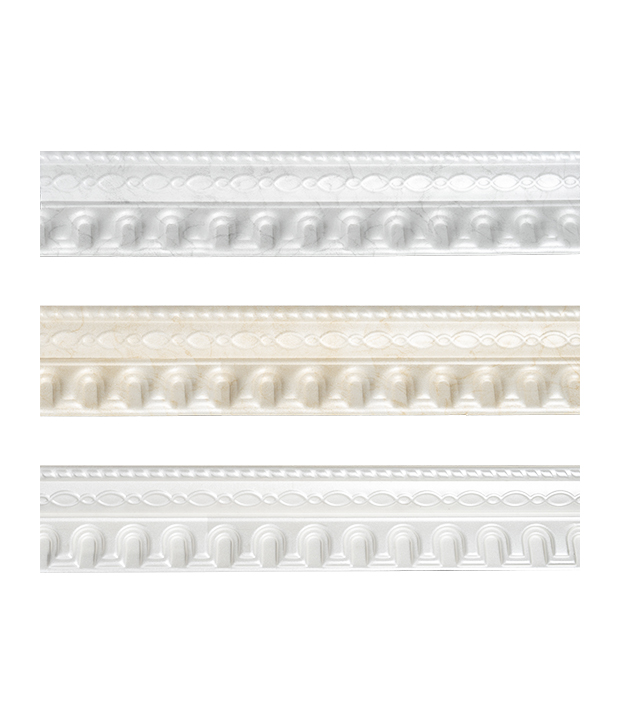 EPS Crown Molding T-06
-
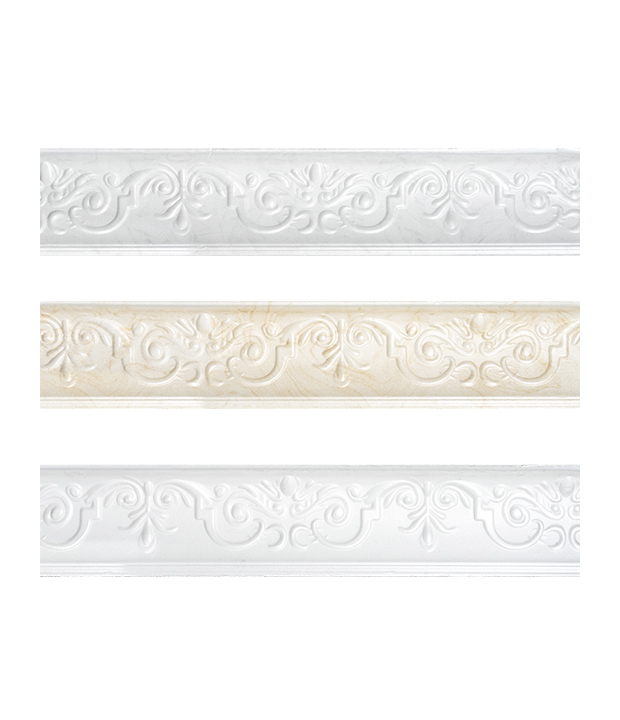 EPS Crown Molding T-04
-
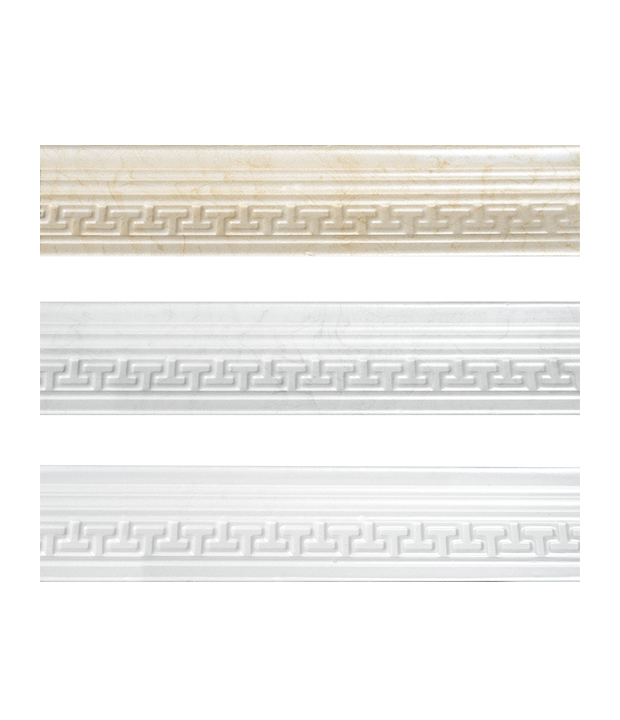 EPS Crown Molding T-02
-
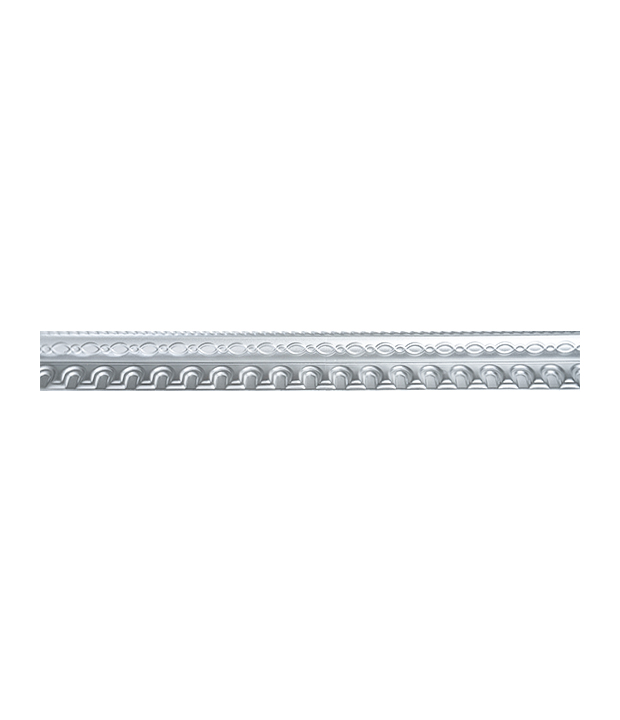 EPS Crown Molding
-
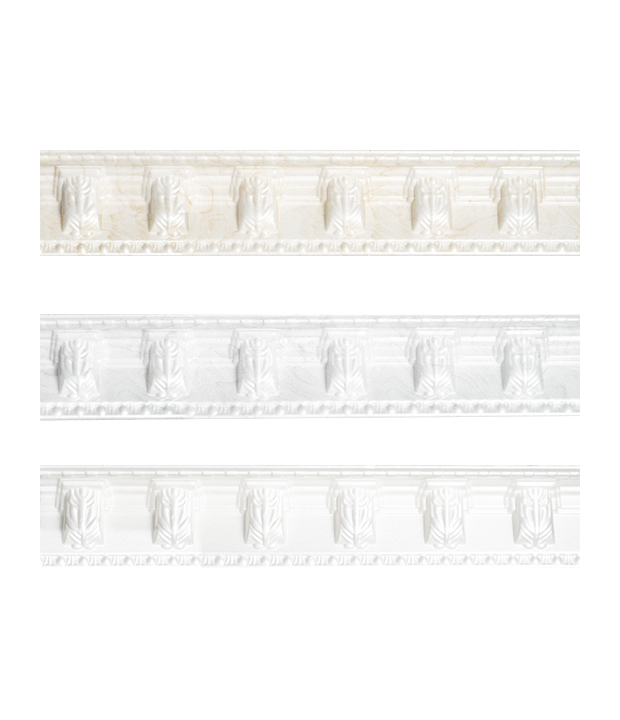 EPS Crown Molding T-18
-
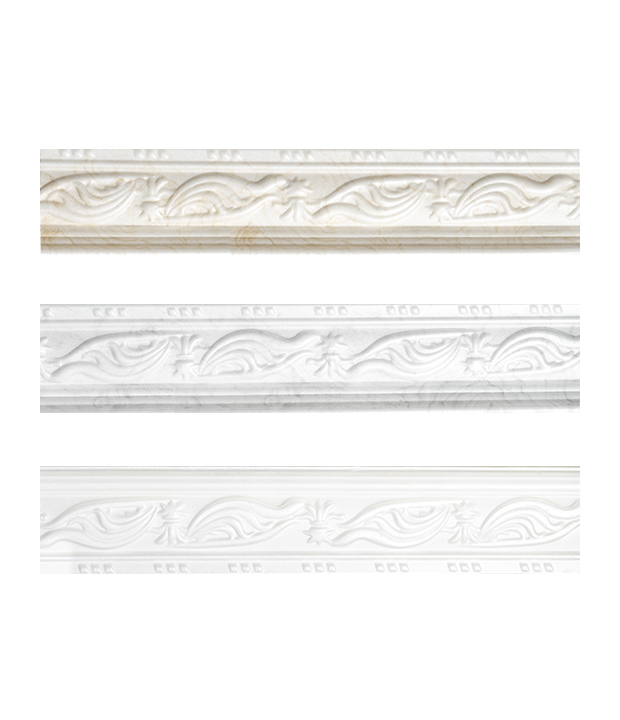 EPS Crown Molding T-20
-
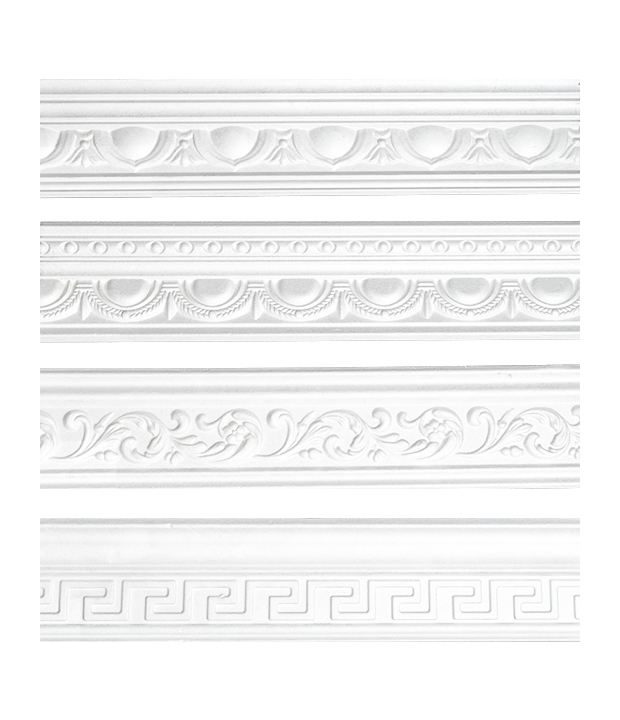 EPS Crown Molding B-06 B-08 B-10 B-12
-
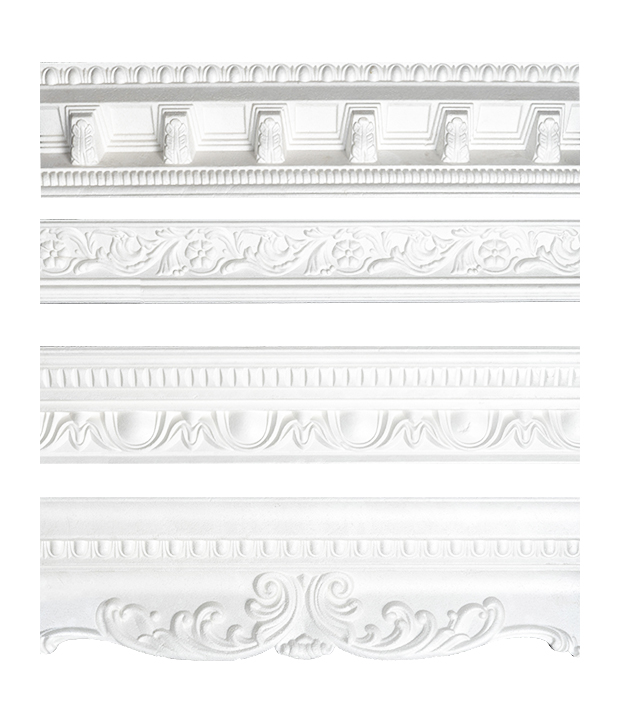 EPS Crown Molding B-22 B-20 B-24 B-18
-
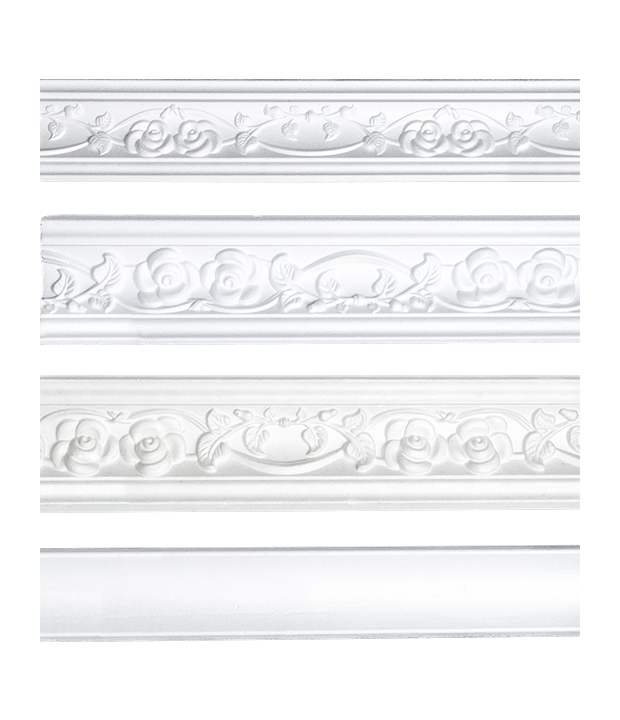 EPS Crown Molding B-26-1 B-26-2 B-26 B-16
-
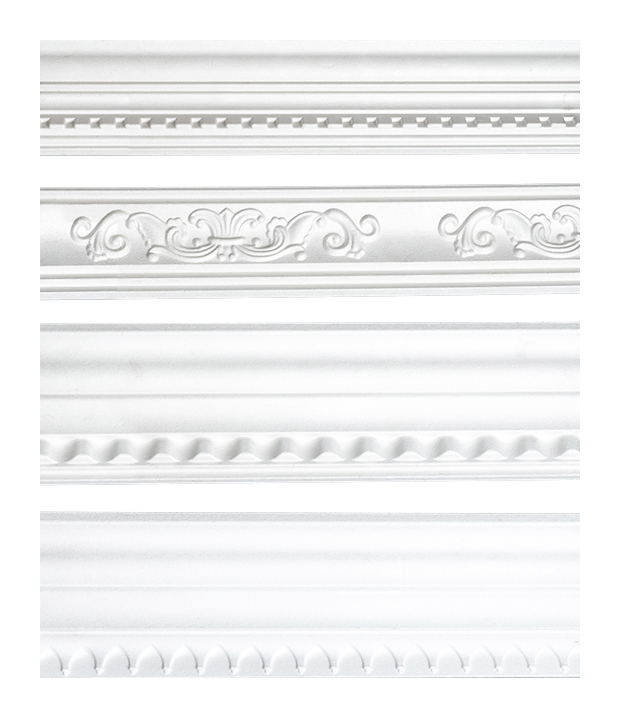 EPS Crown Molding B-30 B-28 B-34 B-32
-
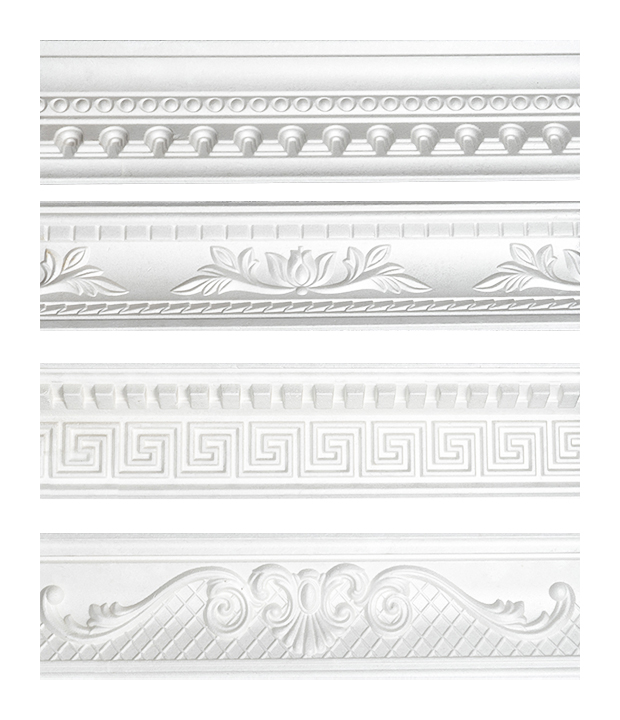 EPS Crown Molding B-42 B-40 B-38 B-36
-
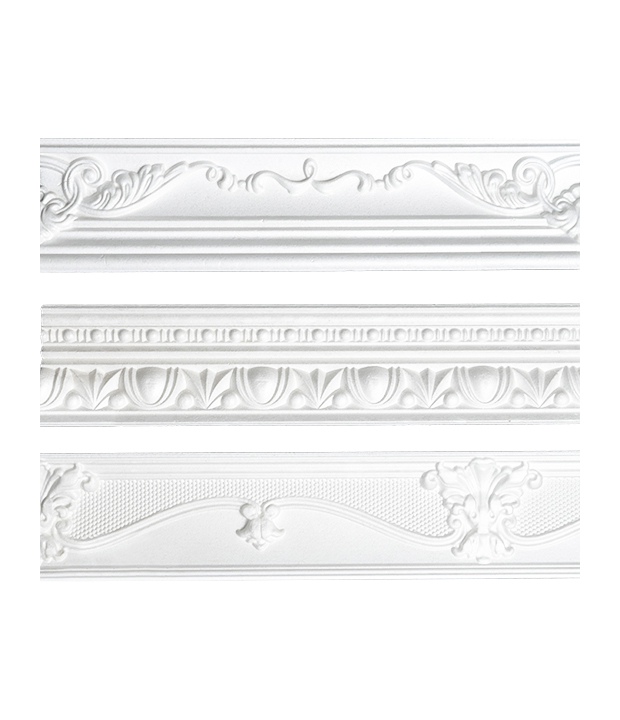 EPS Crown Molding B-60 B-44 B-58
-
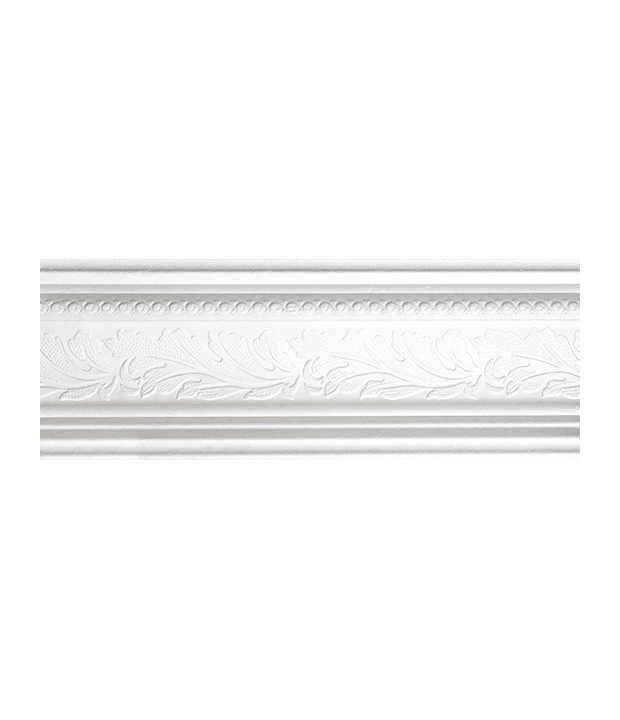 EPS Crown Molding B-56
News
-
-
Introduction What is an EPS Ceiling Medallion? An EPS Ceiling Medallion refers to a decorative ceiling feature made from Expanded Polystyrene (EPS), a type of lightweight foam material. Commonly used ...
READ MORE -
What is a Ceiling Medallion, and How Does it Change the Visual Proportion of Interior Space? In the realm of high-end interior design, the ceiling is no longer an overlooked surface. Often referred to...
READ MORE
Contact info.
- Cell:+86-15951909824 (Amanda)
- Email: amanda@ever-growing.net / 363526407@qq.com
- Add: No.5, Yanhe Rd, Ganduo Indsutrial Park, Gaoyou, Yangzhou, Jiangsu, P.R.O.C.
Quick Links
Copyright © Yangzhou Ever-Growing International Co.,Ltd. All Rights Reserved.
Wholesale Precision Foam Interior Decoration Manufacturers