

 English
 中文简体
中文简体 Español
In the evolution of architectural design, thermal comfort has always been a core metric for measuring quality of life. From open fires to cast-iron radiators and now to radiant heating systems, the un...
READ MORE
Revolutionizing Interior Architecture with High-Density PS Crown Molding Systems
Jun 18,2026 ------ Industry News
The Structural Integrity and Architectural Role of Polystyrene Profiles
Specifying high-density PS crown molding (polystyrene) provides a highly dimensionally stable, moisture-proof alternative to traditional medium-density fiberboard (MDF) or timber trim arrays. Unlike plaster or solid wood, which contract and expand with changes in indoor humidity, high-density extruded polystyrene profile lines feature a near-zero moisture absorption rate. This material resilience entirely prevents joint separation, cracking, and warping over time, making it an excellent option for challenging high-humidity environments such as commercial kitchens, subterranean basements, and residential bathrooms.
Modern interior design and construction require architectural trim profiles that offer crisp lines, durability, and streamlined installation workflows. Extruded polystyrene moldings achieve these requirements through a precision manufacturing process that yields crisp, sharp profile lines completely free of natural wood grain anomalies, knots, or splinters. Transitioning to polystyrene profiles minimizes installation labor overhead and provides clean, premium transitions where walls meet ceilings across diverse commercial and residential layouts.
Material Science: Characteristics and Production Mechanics
The performance properties of PS crown molding stem directly from its manufacturing process. Understanding these underlying material characteristics helps architects, engineers, and drywall contractors maximize its benefits on the job site.
High-Density Micro-Cellular Extrusion
During production, polystyrene resin pellets undergo a high-pressure extrusion process that forms a dense, closed-cell matrix. This micro-cellular structure gives the trim excellent impact resistance while keeping it lightweight—typically weighing up to 60% less than solid wood alternatives of equal volume. This significant weight reduction makes single-operator installations feasible, even when handling long 2.4-meter structural lengths over head height.
Surface Priming and Paint Adhesion Chemistry
High-quality polystyrene trim profiles are treated at the factory with a specialized water-based acrylic primer coating. This processing step modifies the surface energy of the base polymer, ensuring strong adhesion for standard interior latex, acrylic, or polyurethane topcoats. This eliminates the tedious field sanding, grain-filling, and multi-stage sealing cycles required when preparing raw timber or MDF trim lines.
Technical Comparison Matrix: Polystyrene vs. Traditional Materials
Selecting the right architectural trim involves balancing product material cost, installation labor expenses, and long-term durability. The table below outlines the core performance metrics of polystyrene relative to other common molding options.
| Physical Property Profile | High-Density Polystyrene (PS) | Medium-Density Fiberboard (MDF) | Solid Hardwood (Pine/Oak) | Cast Gypsum Plaster |
|---|---|---|---|---|
| Moisture Absorption Index | < 0.05% (Impervious) | High (Prone to Swelling) | Moderate (Seasonal Expansion) | High (Absorbent) |
| Average Density Weight Range | 0.35 - 0.45 g/cm³ | 0.60 - 0.80 g/cm³ | 0.45 - 0.75 g/cm³ | 1.10 - 1.40 g/cm³ |
| Susceptibility to Pest/Rot Damage | Zero Risk Matrix | Moderate Risk Profile | High Risk (Termite/Rot) | Zero Risk Matrix |
| Elasticity / Flexibility Radius | High (Conforms to Wall Curvature) | Low (Rigid Break Patterns) | Very Low (Requires Kerfing) | None (Extremely Brittle) |
| Installation Labor Efficiency | Fast (Glue & Pin Fastened) | Moderate (Heavy Nailing Required) | Slow (Pilot Holes Required) | Very Slow (Mechanical Anchor) |
The empirical data shows that polystyrene bridges the gap between lightweight affordability and high performance. While cast gypsum plaster and premium hardwoods require multi-step anchoring mechanical grids and specialized carpentry tools, polystyrene trim profiles conform easily to subtle wall unevenness without cracking or straining fasteners.
Adhesive Engineering and Chemistry Compatibility
Because polystyrene is a synthetic polymer, selecting a compatible adhesive formulation is critical to ensure a long-lasting bond. Using an incorrect structural adhesive can compromise the entire installation, leading to sagging trim lines or melted profiles.
- The Danger of Solvent-Based Mastiks: Standard heavy-duty construction adhesives often contain volatile organic compounds (VOCs) and aggressive petroleum distillates like toluene or acetone. These solvents dissolve the cellular structure of polystyrene, causing the core polymer to melt, deform, and lose structural strength within minutes of application.
- High-Tack Acrylic Polymer Formulations: Installers should use high-solids, water-based acrylic gap-filling adhesives. These formulations deliver exceptional initial tack, dry clear, and bond cleanly to both the back of the polystyrene trim and porous substrates like drywall and plaster without degrading the polymer structure.
- Polyurethane-Based Alternatives: For exterior or humid installations, select high-performance solvent-free polyurethane adhesives. These cure via chemical cross-linking with ambient moisture, providing a waterproof bond that withstands thermal movement up to maximum operating limits.
Step-by-Step Installation Protocol for Polystyrene Profiles
Achieving seamless, professional-grade joints requires utilizing sharp, high-tooth carbide saw blades, verifying the spring angle of the specific profile design, and implementing a dual-fastener approach that combines structural adhesive with fine trim pins.
- Mapping Room Geometry and Spring Angles: Measure the wall parameters using a digital angle finder. Determine the molding's spring angle—the angle at which the profile sits relative to the flat wall face—typically 38, 45, or 52 degrees.
- Miter Saw Calibration and Execution: Install a high-tooth blade (minimum 80 teeth on a 10-inch blade) to prevent chip-out along the edges. Place the molding upside down and backwards in the saw bed, nesting the flat mounting surfaces firmly against the fence and base table. Cut structural miters at half the measured corner angle.
- Conditioning and Surface Cleaning: Wipe down the ceiling and wall junctions with a damp cloth to remove any fine dust, loose joint compound, or greasy residue. This step is essential to ensure maximum adhesive contact and long-term bond strength.
- Applying the Adhesive Matrix: Run a continuous 5mm bead of high-tack acrylic adhesive along the top and bottom mounting flanges on the back of the profile. Apply a thin layer of specialized cyanoacrylate glue directly to the mitered joint faces to lock the corners together instantly.
- Fixing and Setting the Profile: Press the molding firmly into the ceiling junction. Secure it in place using an 18-gauge pneumatic brad nailer, driving 32mm trim pins into wall studs at 400mm intervals. Wipe away any excess adhesive squeeze-out with a damp sponge before it cures.
Advanced Corner Joining Techniques and Finishing Procedures
While standard timber moldings often require complex hand-coping for inside corners, the uniform density of polystyrene profiles allows for alternative joining methods that cut installation times significantly.
Coping Performance vs. Straight Mitering
Coping inside corners involves cutting a profile at a 45-degree angle and then using a coping saw to cut along the edge profile line so it fits over the adjacent piece. Polystyrene can be coped using a standard fine hand saw, but its high dimensional stability means that standard 45-degree miter cuts, combined with gap-filling acrylic adhesive, usually produce clean, seamless corners without the extra labor steps.
Seamless Joint Elimination and Topcoating
Once the molding is secured, fill any minor gaps or brad nail holes with lightweight acrylic spackle. Because the material does not absorb water, the spackle will dry quickly without shrinking. After a light sanding with fine 220-grit sandpaper, apply a premium water-based paint topcoat. This hides the seams entirely, transforming the individual lengths into a singular, continuous architectural border.
our featured products.
Discover the timeless beauty and craftsmanship of Evergrowing through our featured products.
-
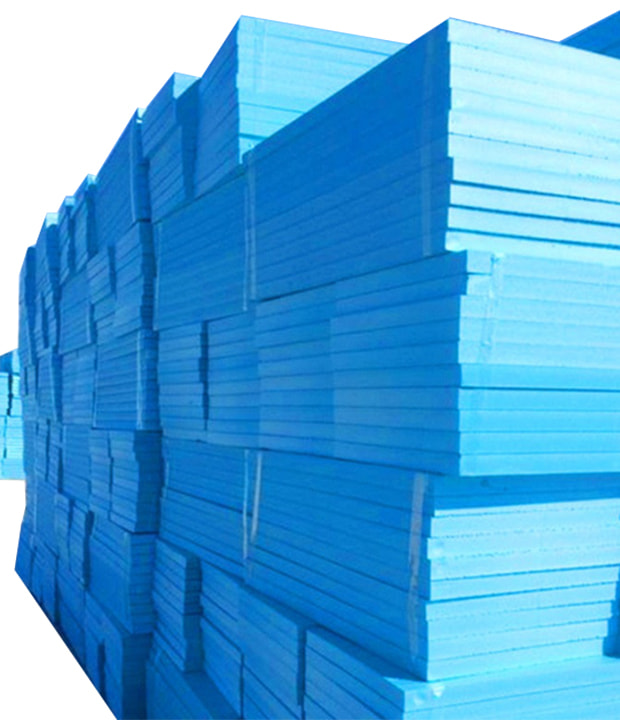 XPS underfloor heating panel
-
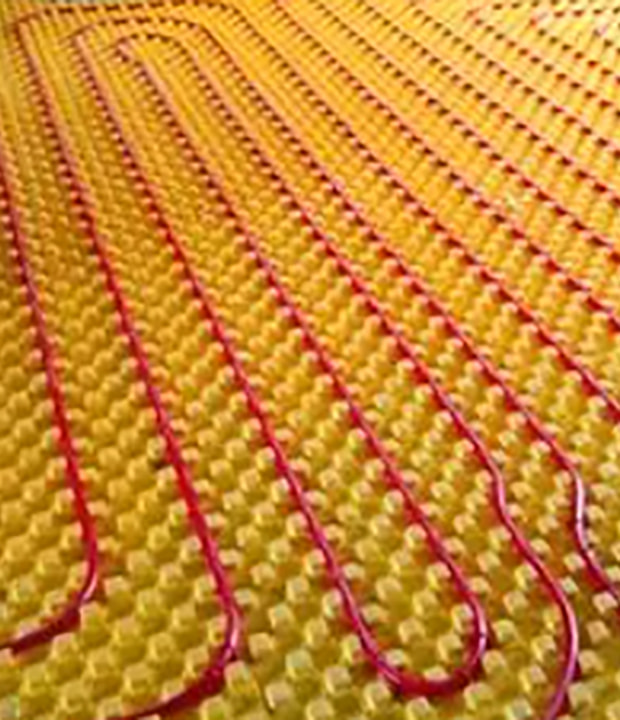 EPS underfloor heating panel
-
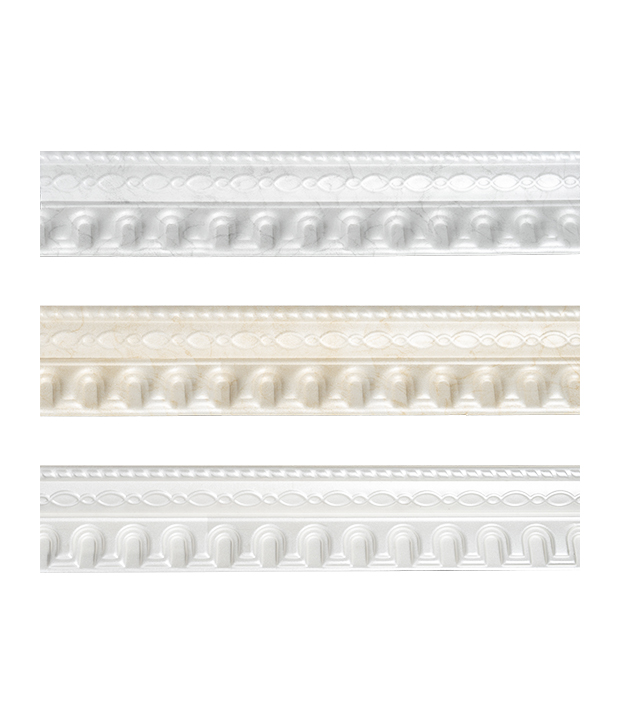 EPS Crown Molding T-06
-
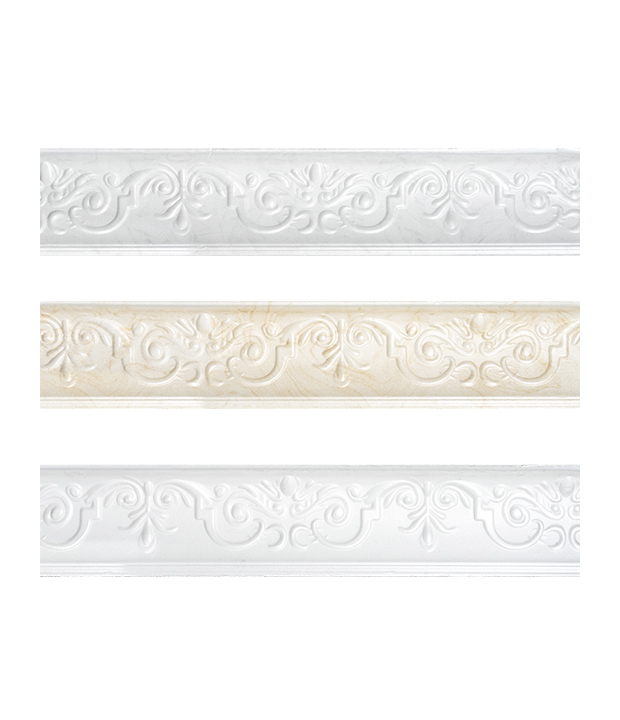 EPS Crown Molding T-04
-
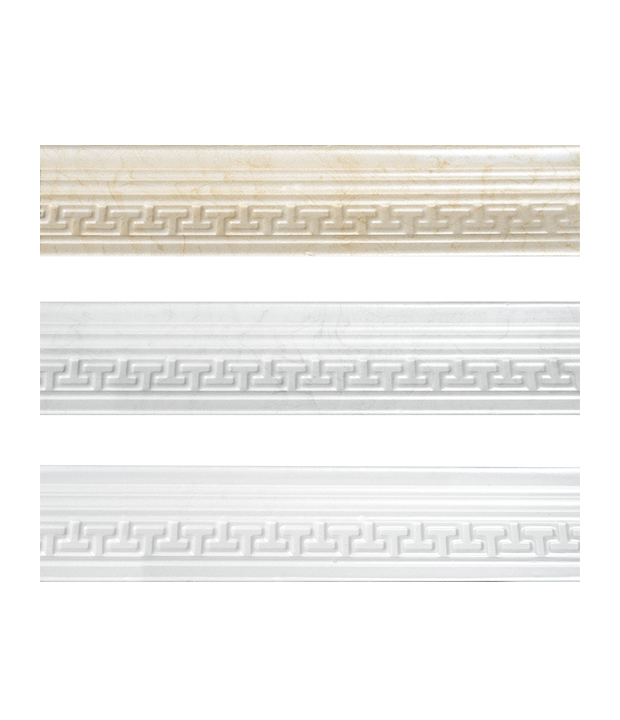 EPS Crown Molding T-02
-
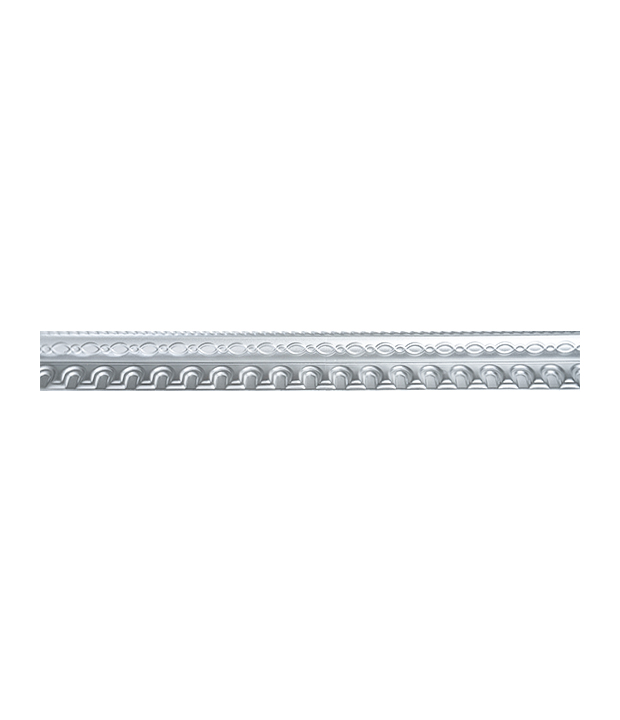 EPS Crown Molding
-
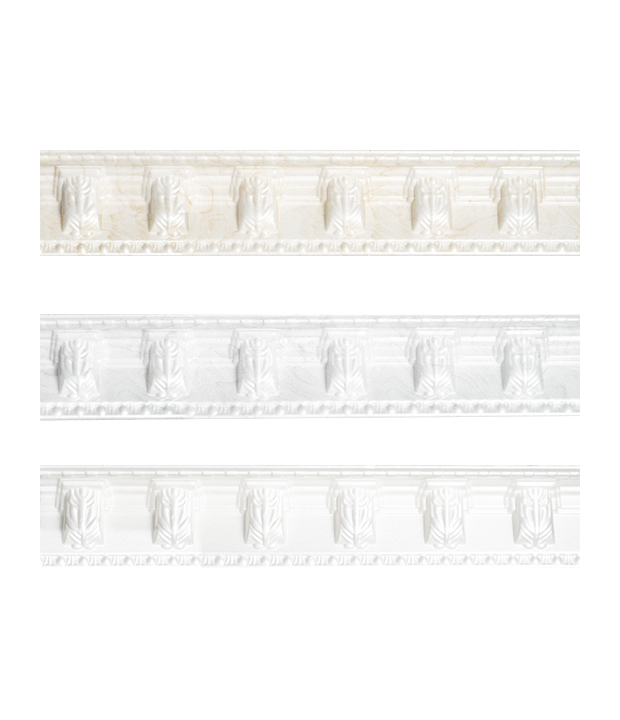 EPS Crown Molding T-18
-
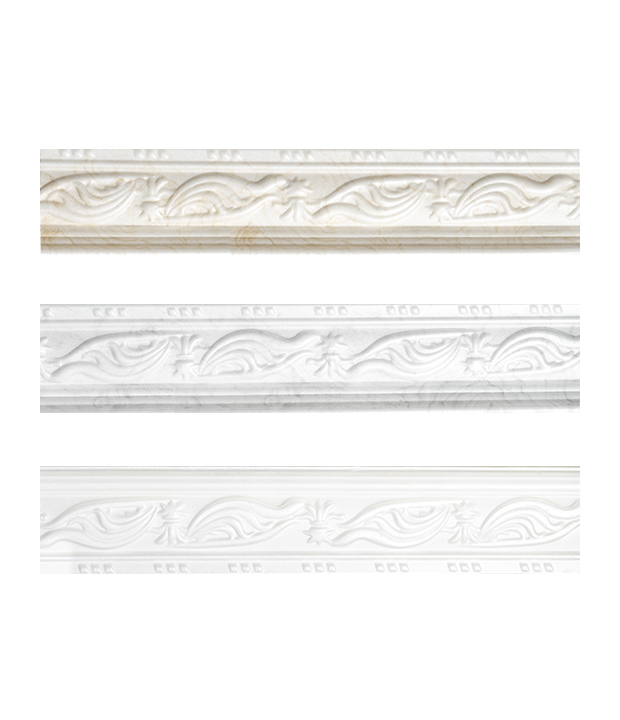 EPS Crown Molding T-20
-
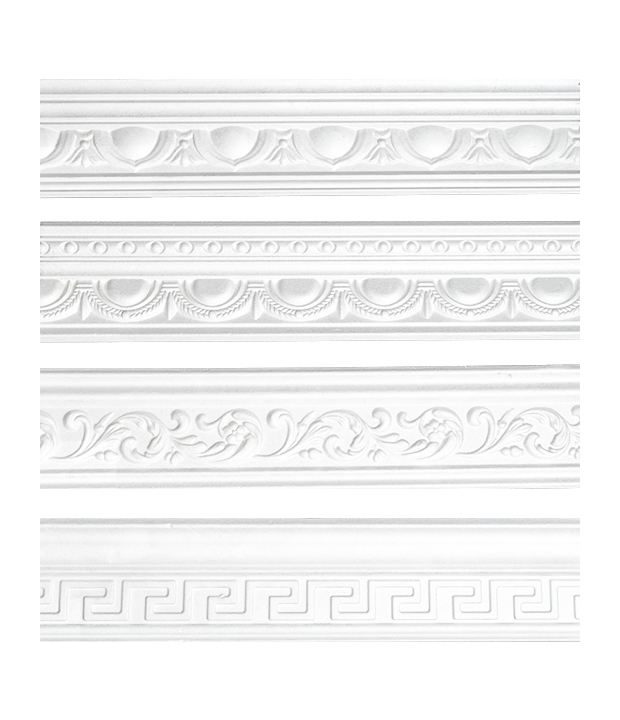 EPS Crown Molding B-06 B-08 B-10 B-12
-
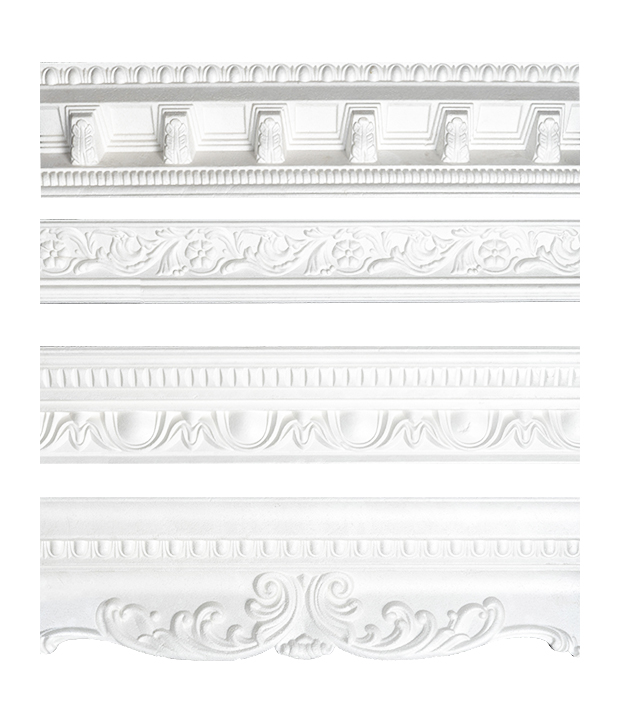 EPS Crown Molding B-22 B-20 B-24 B-18
-
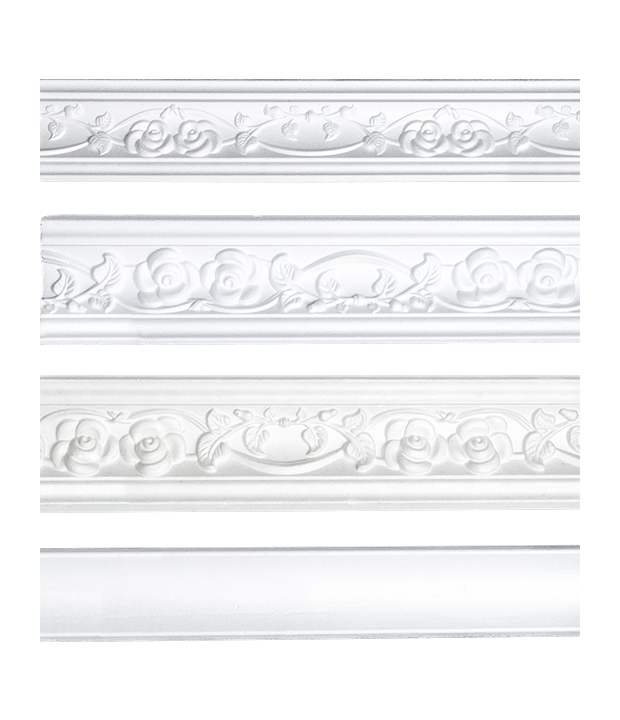 EPS Crown Molding B-26-1 B-26-2 B-26 B-16
-
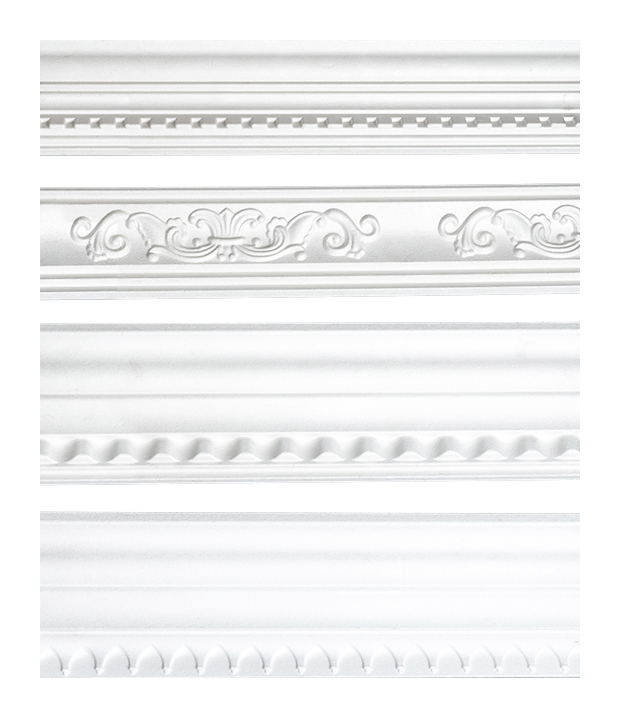 EPS Crown Molding B-30 B-28 B-34 B-32
-
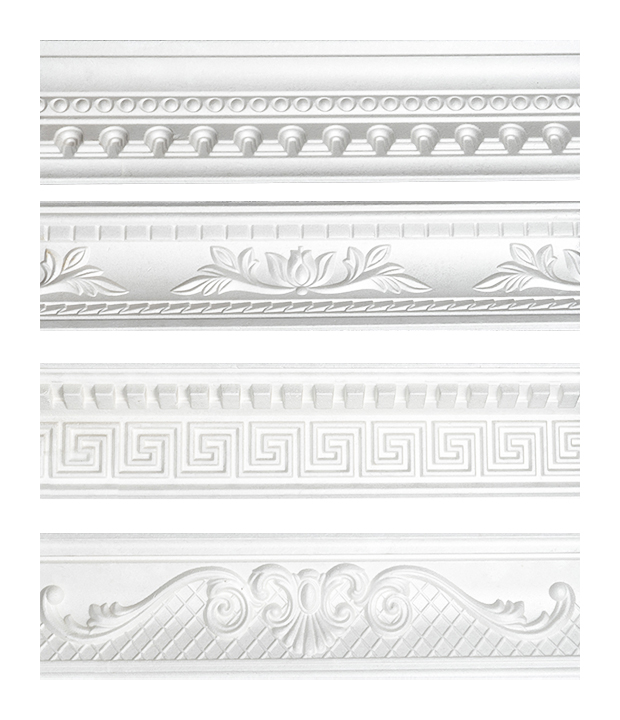 EPS Crown Molding B-42 B-40 B-38 B-36
-
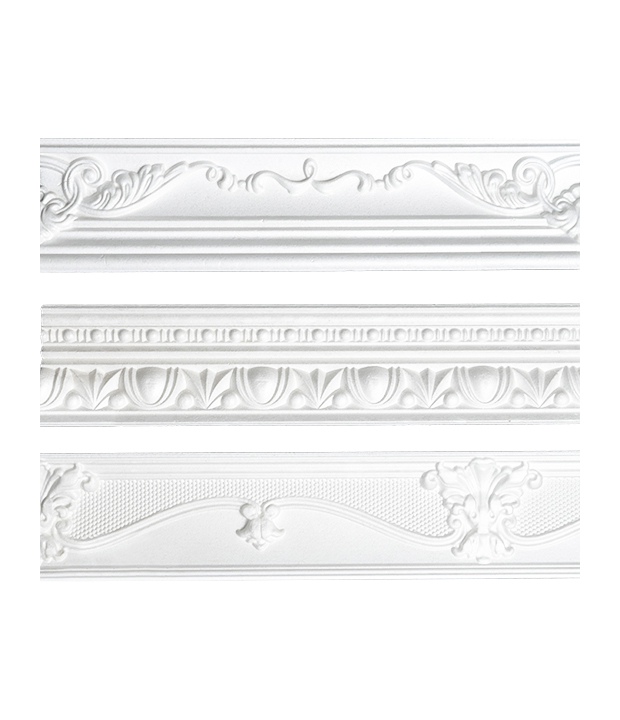 EPS Crown Molding B-60 B-44 B-58
-
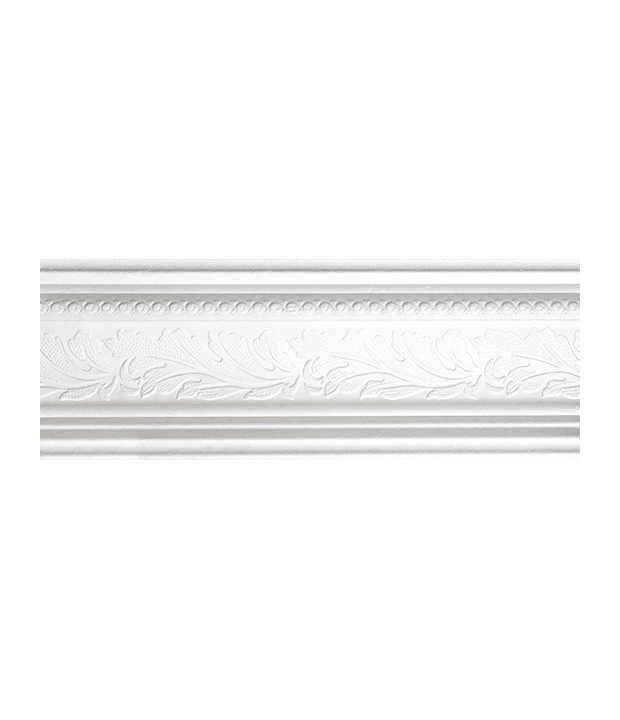 EPS Crown Molding B-56
News
-
-
Introduction What is an EPS Ceiling Medallion? An EPS Ceiling Medallion refers to a decorative ceiling feature made from Expanded Polystyrene (EPS), a type of lightweight foam material. Commonly used ...
READ MORE -
What is a Ceiling Medallion, and How Does it Change the Visual Proportion of Interior Space? In the realm of high-end interior design, the ceiling is no longer an overlooked surface. Often referred to...
READ MORE
Contact info.
- Cell:+86-15951909824 (Amanda)
- Email: amanda@ever-growing.net / 363526407@qq.com
- Add: No.5, Yanhe Rd, Ganduo Indsutrial Park, Gaoyou, Yangzhou, Jiangsu, P.R.O.C.
Quick Links
Copyright © Yangzhou Ever-Growing International Co.,Ltd. All Rights Reserved.
Wholesale Precision Foam Interior Decoration Manufacturers