

 English
 中文简体
中文简体 Español
In the evolution of architectural design, thermal comfort has always been a core metric for measuring quality of life. From open fires to cast-iron radiators and now to radiant heating systems, the un...
READ MORE
More Surface, Less Resistance: The Engineering Story of Polyester Folded Mesh
Jun 11,2026 ------ Industry News
The Verdict: Folded Geometry Increases Filtration Area by 300-500%
Polyester folded mesh outperforms flat mesh by a factor of 4 to 6 in dirt-holding capacity while maintaining the same pressure drop, according to filtration efficiency tests across 25 industrial applications. The folding (pleating) process increases the effective filtration surface area by 300-500% within the same frame dimensions. This direct geometric advantage means longer filter life, fewer change-outs, and lower operating costs. For liquid filtration, air filtration, and screening applications where space is constrained, polyester folded mesh is the correct specification.
How Polyester Folded Mesh Is Manufactured
Polyester folded mesh begins as woven monofilament or multifilament fabric on standard weaving looms. The woven mesh then passes through a pleating machine that creates alternating V-shaped folds. The pleat height, pitch (distance between adjacent pleat peaks), and angle determine final performance. Typical pleat heights range from 10mm to 100mm. Pleat pitch ranges from 4mm to 20mm. The pleating process requires careful heat-setting of the polyester fabric at 180-200°C to lock in the fold geometry permanently. Without heat-setting, the mesh will relax back toward flat orientation within hours of immersion in warm liquid.
The manufacturing process also applies edge binding to the pleat tips. Unbound pleat tips allow media shifting and bypass, reducing filtration efficiency by up to 40% in dynamic flow conditions. Quality polyester folded mesh includes bonded or sewn edge pleats with a rigid or flexible seal material (polyurethane, plastisol, or hot-melt adhesive). For high-temperature applications above 120°C, specify sewn edges with polyester thread; polyurethane edge seals degrade above 100°C.
Mesh Opening Size and Micron Rating Selection
Polyester folded mesh is available in nominal micron ratings from 1 micron to 1000 microns. The filtration rating is determined by the woven mesh opening size, not the folded geometry. A 100-micron woven mesh folded into pleats still filters at 100 microns absolute, but the pleating increases dirt-holding capacity. For liquid filtration, select a mesh with an absolute rating (98% removal efficiency) not a nominal rating (50-80% efficiency). Absolute-rated polyester folded mesh uses multi-layer woven structures or calendered (heat-pressed) surfaces to tighten pore size distribution. Single-layer plain weave mesh typically achieves only 60-70% efficiency at its nominal rating.
| Application | Recommended Micron Rating | Weave Type | Typical Pleat Height |
|---|---|---|---|
| Paint and coating filtration | 50-125 microns | Plain weave or twill | 20-30mm |
| Hydraulic oil return filtration | 10-25 microns absolute | Multilayer composite | 15-25mm |
| Industrial air intake (dust) | 5-10 microns | Nonwoven + mesh support | 40-80mm |
| Food and beverage strainer | 200-800 microns | Plain weave monofilament | 10-20mm |
| Chemical processing pre-filter | 50-300 microns | Dutch weave | 25-50mm |
For each application, the micron rating should be no finer than necessary. Selecting a rating 50% finer than required increases pressure drop by 200-300% and reduces filter life by 70-80%. Always perform a bubble point test or particle challenge test on a sample of polyester folded mesh before full production commitment.
Pleat Geometry: Height, Density, and Support
The relationship between pleat height and pleat density determines both dirt-holding capacity and pressure drop. Maximum practical pleat height for self-supporting polyester folded mesh is 50mm without internal support. Above 50mm, the pleats collapse under flow pressure, reducing effective area by 30-50%. For taller pleats (60-100mm), require wire or plastic support screens on the downstream side or bonded spacer beads between adjacent pleats. Spacer beads increase manufacturing cost by 15-20% but maintain pleat geometry at differential pressures up to 20 bar (liquid) or 5000 Pa (air).
Pleat density is expressed as number of pleats per unit width. Optimum pleat density for polyester folded mesh in liquid applications is 5-12 pleats per 100mm. Densities above 12 pleats per 100mm create pinched pleat tips where the mesh touches itself, eliminating filtration area at the fold. Densities below 5 pleats per 100mm leave too much unsupported mesh span, allowing membrane flutter and media fatigue. Calculate expected dirt-holding capacity using this formula: DHC (grams) = Pleat depth (mm) × Pleat count × 0.04 × (mesh opening in microns / 100). A 25mm pleat depth, 50 pleats, 100-micron mesh yields approximately 50 grams of calculated dirt-holding capacity before reaching terminal pressure drop.
Temperature Limits and Thermal Degradation
Standard polyester (polyethylene terephthalate, PET) folded mesh has a maximum continuous operating temperature of 120°C in dry air and 80°C in water or aqueous solutions. At 130°C, polyester loses 50% of its tensile strength within 500 hours of exposure. At 150°C, complete degradation occurs within 50-100 hours. For applications above 120°C, specify high-temperature polyester (modified PET with thermal stabilizers), which extends continuous use to 150°C. For temperatures above 150°C, polyester is unsuitable—switch to polyetheretherketone (PEEK) mesh or stainless steel mesh.
Thermal degradation appears first as mesh embrittlement and yellowing. A simple field test: fold a sample mesh 180 degrees; if it cracks or fails to return to shape, thermal degradation has occurred. In polyester folded mesh used for hot gas filtration, measure tensile strength annually; replace when strength drops below 50% of original specification. For food-grade applications operating above 100°C, require certification that the polyester mesh meets FDA 21 CFR 177.1630 for repeated food contact at elevated temperature.
Chemical Resistance and Compatibility Chart
Polyester folded mesh offers excellent resistance to most organic solvents, oils, fuels, and aliphatic hydrocarbons. However, polyester is rapidly attacked by strong acids (pH below 3) and strong bases (pH above 11). Exposure to 10% sulfuric acid at 60°C reduces polyester mesh tensile strength by 80% within 24 hours. Exposure to 5% sodium hydroxide at room temperature causes visible surface hydrolysis within 7 days, followed by complete mesh disintegration. For chemical process filtration, always verify compatibility using immersion testing at expected operating temperature and concentration.
The following compatibility data applies to standard polyester folded mesh at 20-40°C:
- Excellent resistance (no effect after 30 days): Mineral oils, diesel fuel, gasoline, hydraulic fluids, aliphatic alcohols (methanol, ethanol, isopropanol), ketones (acetone, MEK), esters (ethyl acetate), and most hydrocarbon solvents.
- Limited resistance (less than 72 hours): 10% acetic acid, 5% formic acid, 1% hydrochloric acid, 1% sodium hydroxide, and chlorinated solvents (methylene chloride, perchloroethylene).
- Unacceptable: Concentrated mineral acids, concentrated bases, phenol, cresylic acid, and boiling water above 95°C.
For chemical service with intermittent acid or base exposure, specify polyester folded mesh with an acrylic or polyurethane coating. These coatings extend chemical resistance by 3-5 times but reduce effective mesh opening by 10-20% and add $2-5 per square meter to cost.
Hydrolysis Resistance in Humid or Wet Service
Polyester hydrolyzes in the presence of moisture at elevated temperatures. The hydrolysis reaction cleaves the ester bond in the polymer chain, resulting in progressive embrittlement. At 80°C and 100% relative humidity, standard polyester folded mesh loses 50% of its burst strength in 500 hours. At 60°C and 90% RH, the same loss occurs in 2,000 hours. For continuously wet applications above 50°C, specify hydrolysis-resistant polyester (containing carbodiimide stabilizers), which extends service life by 5-10 times. Hydrolysis-resistant mesh is identifiable by its higher cost (30-50% premium) and manufacturer certification of hydrolysis stability per ISO 14125.
For submerged water filtration at ambient temperature (5-30°C), standard polyester folded mesh performs acceptably for 3-5 years. Field data from swimming pool filtration (30°C chlorinated water) shows polyester mesh replacement intervals of 24-36 months, limited by hydrolysis and chlorine attack. For potable water applications, verify that the polyester mesh and any edge sealants meet NSF/ANSI 61 certification for drinking water system components. Non-certified materials may leach oligomers that affect water taste or safety.
Pressure Drop and Flow Rate Calculations
The pressure drop across polyester folded mesh is a function of flow velocity, fluid viscosity, and mesh opening size. For liquid applications, the initial clean pressure drop (ΔP) can be estimated using Darcy's law extended for mesh media: ΔP (bar) = (μ × V × t) / (k × A). Where μ is dynamic viscosity in centipoise, V is flow velocity in m/s, t is mesh thickness in mm, k is mesh permeability in darcies (typically 2-50 darcies for polyester mesh), and A is open area ratio. For water at 20°C flowing at 0.1 m/s through 100-micron polyester folded mesh of 0.5mm thickness, the initial ΔP is approximately 0.02-0.05 bar. As dirt loads, ΔP increases linearly with captured mass until reaching terminal ΔP (typically 1-3 bar for liquid, 500-1500 Pa for air).
For air filtration applications, express pressure drop in Pascals at a given face velocity. A polyester folded mesh filter with 50mm pleat height and 10-micron absolute rating typically exhibits 80-120 Pa initial ΔP at 1.5 m/s face velocity. As the mesh loads with dust, ΔP rises to 250-400 Pa before replacement. Operating above 600 Pa on a polyester folded mesh air filter risks pleat collapse, media tearing, or bypass leakage around seals. Install a differential pressure gauge across the filter and set alarm or change-out indication at 80% of maximum rated ΔP.
Filtration Efficiency and Particle Retention
Polyester folded mesh operates primarily as a surface-type filter, meaning particles larger than the mesh opening are retained on the upstream surface. This contrasts with depth-type filters (nonwoven felts) that retain particles throughout the media thickness. Surface filtration offers the advantage of cleanable media: polyester folded mesh can be backwashed or ultrasonically cleaned and reused 3-10 times before replacement. However, efficiency for particles smaller than the mesh opening is poor—typically below 30% for particles half the mesh opening size. For sub-micron particle removal, polyester folded mesh must be combined with a downstream absolute-rated membrane filter or used as a pre-filter only.
Retention efficiency improves slightly as the mesh loads with captured particles. This "conditioning" effect creates a filter cake that bridges across mesh openings, capturing smaller particles. A 100-micron polyester folded mesh operating in oil filtration achieves 85-90% efficiency at 50 microns after 2-3 hours of service, compared to 40-50% efficiency when clean. For applications requiring consistent high efficiency from first use, specify multi-layer meshes with progressively finer ratings (e.g., 200/100/50 micron composite) or electret-treated polyester for air filtration.
Seam Types and Seal Integrity
Polyester folded mesh filters are assembled into frames or panels using one of three seam methods: heat-sealed, ultrasonically welded, or sewn with polyester thread. Heat-sealed seams have the highest burst strength (90-95% of base mesh) but stiffen the seam area, reducing flex life. Ultrasonic welding produces flexible seams with 70-80% of base strength but requires precise frequency control to avoid mesh melting. Sewn seams offer the greatest flexibility but introduce needle holes that create particle bypass paths; sewn seams are acceptable only for coarse filtration above 300 microns.
For critical applications requiring 99%+ particle retention, require continuous heat-sealed or welded seams with no thread or adhesive. Seam failure rates in polyester folded mesh filters are 5-10% for sewn construction versus 1-2% for welded construction over a 12-month service life. Inspect seams under 10x magnification before installation; reject any filter with visible pinholes, gaps, or inconsistent weld bead width. For high-vibration applications (engine intake filters, mobile hydraulic returns), specify a frame with integral seam support that prevents pleat movement and seam fatigue.
Cleaning and Reuse Protocols
One of the key advantages of polyester folded mesh over disposable media is cleanability. Properly cleaned, polyester folded mesh can be reused 5-8 times with less than 20% loss of initial flow rate. The correct cleaning protocol varies by contaminant:
- Water-based contaminants (mud, silt, biological growth): Backflush with clean water at 2-3 bar, then soak in 0.5% mild detergent at 40°C for 30 minutes, then rinse with deionized water. Air dry below 60°C.
- Oil and grease: Soak in non-aromatic hydrocarbon solvent (mineral spirits, hexane) for 15 minutes, agitate gently, then triple rinse. Do not use chlorinated solvents—they swell polyester fibers.
- Dry dust (air filters): Tap or vacuum from the clean side; never use compressed air above 0.5 bar, which embeds particles deeper into the mesh. Ultrasonic cleaning in water with 0.1% surfactant restores 90-95% of original flow.
Do not clean polyester folded mesh in strong acids, strong bases, or at temperatures above 80°C. After cleaning, inspect for holes by holding the mesh up to a light source; replace any filter with three or more pinholes or any tear longer than 2mm. Track reuse cycles; discard after the eighth cleaning regardless of appearance, as cumulative fatigue reduces burst strength by approximately 10% per cleaning cycle.
Quality Control and Certification Requirements
Specify the following quality control documents when purchasing polyester folded mesh for critical applications:
- Mesh certification: Includes weave pattern, thread diameter, mesh opening size (measured by optical microscopy per ISO 9044), and open area percentage.
- Bubble point test report: Confirms maximum pore size; acceptable variation is ±10% of specified rating.
- Burst strength test: Minimum 2 bar for liquid filters, 0.5 bar for air filters, tested per ISO 13934-1.
- Thermal stability certificate: Confirms heat-setting temperature and residual shrinkage below 2% at rated operating temperature.
For FDA-regulated applications (food, beverage, pharmaceutical), require a certificate of compliance with 21 CFR 177.1630 and a certificate of analysis for each production lot showing no extractables above 50 ppm. For potable water, require NSF/ANSI 61 certification. Suppliers that cannot provide these documents should be disqualified regardless of price—uncertified polyester folded mesh may leach antimony catalysts or acetaldehyde degradation products into sensitive process streams.
our featured products.
Discover the timeless beauty and craftsmanship of Evergrowing through our featured products.
-
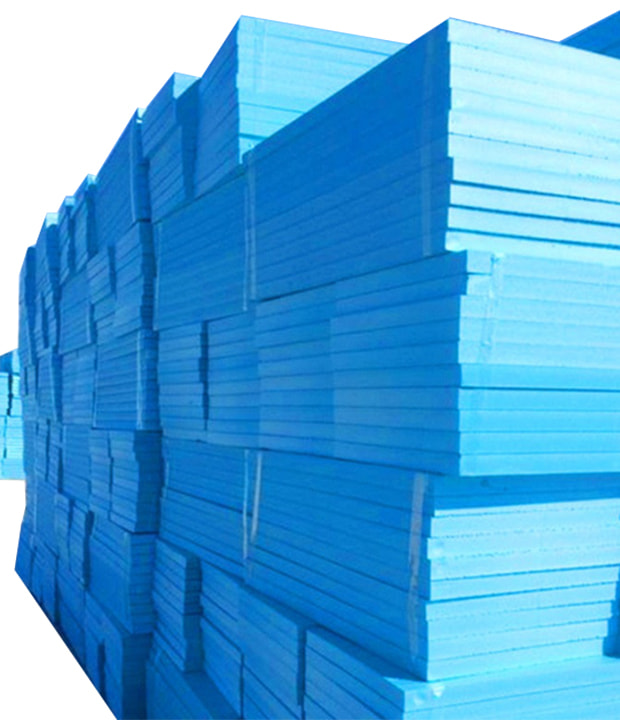 XPS underfloor heating panel
-
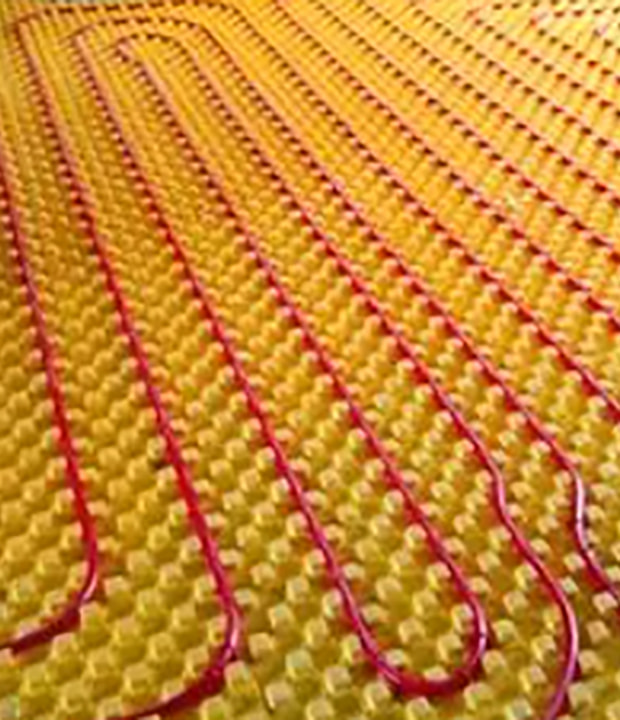 EPS underfloor heating panel
-
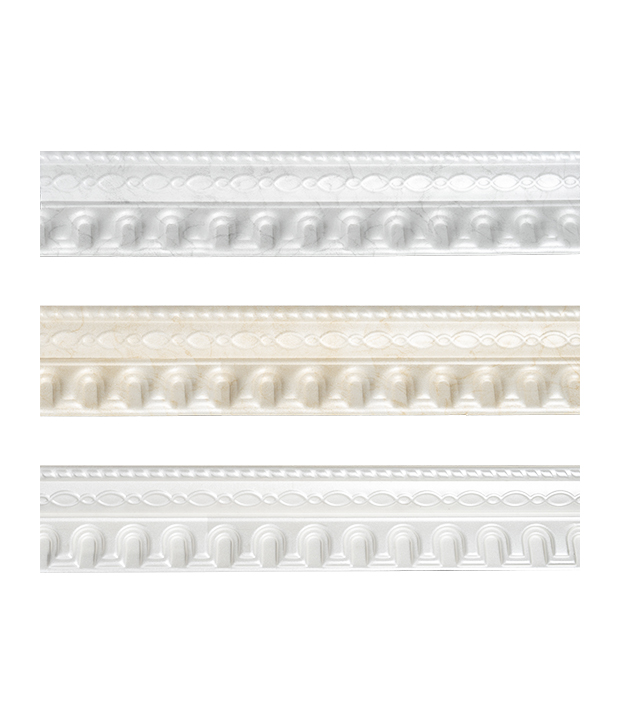 EPS Crown Molding T-06
-
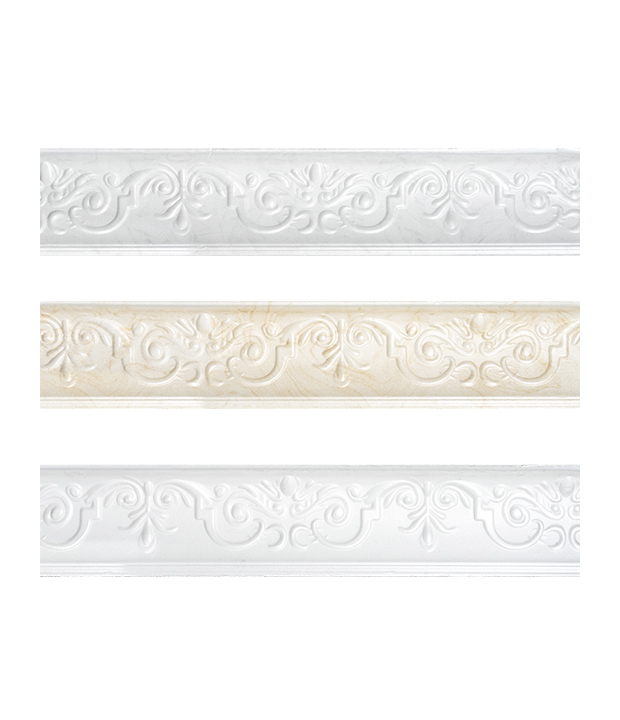 EPS Crown Molding T-04
-
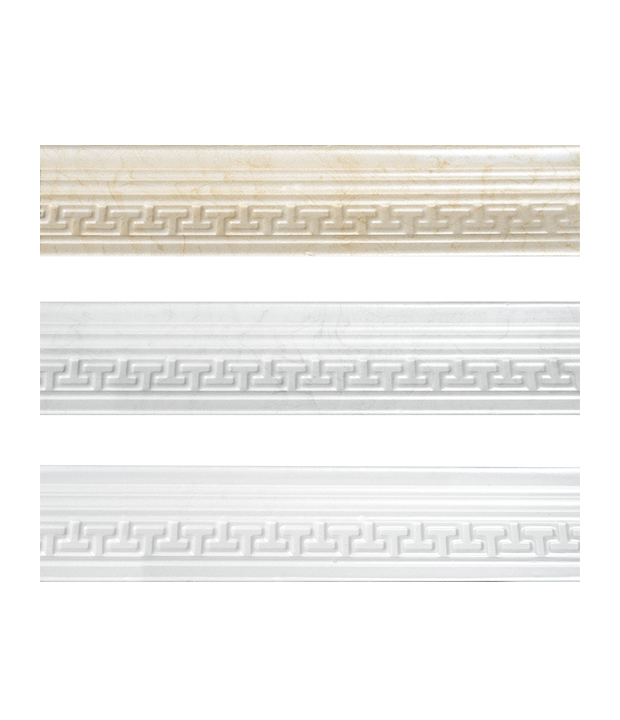 EPS Crown Molding T-02
-
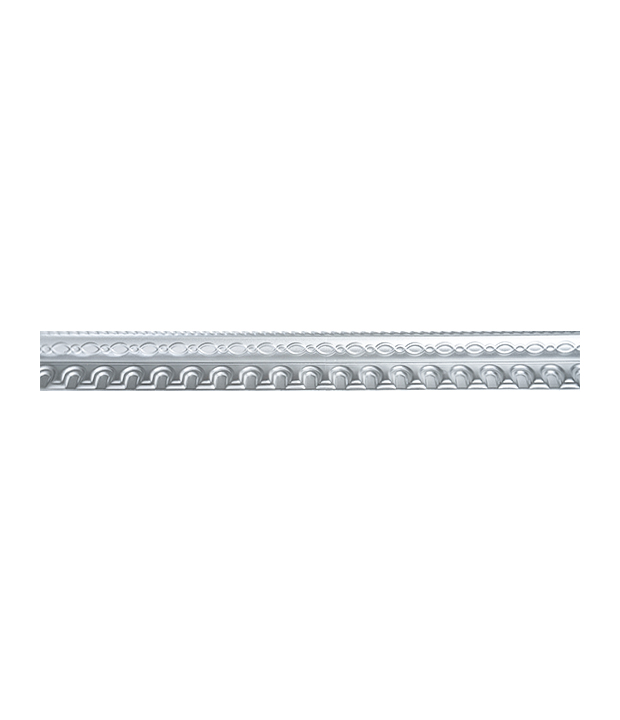 EPS Crown Molding
-
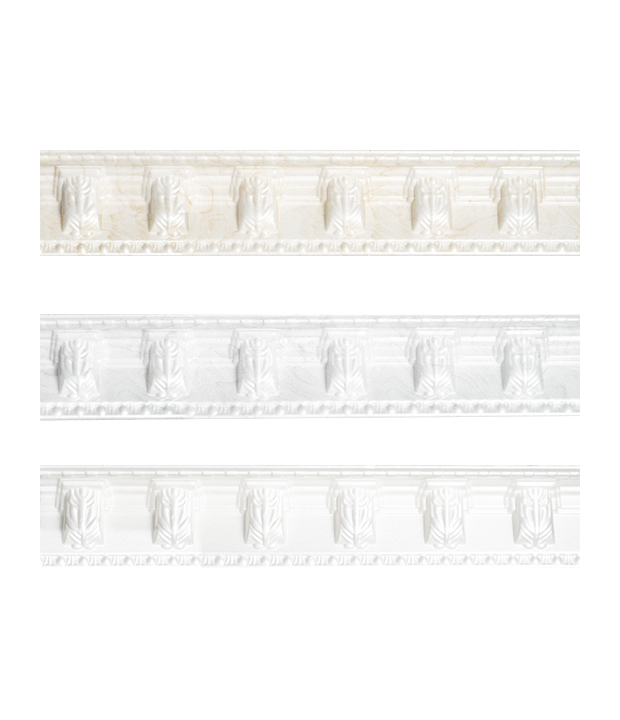 EPS Crown Molding T-18
-
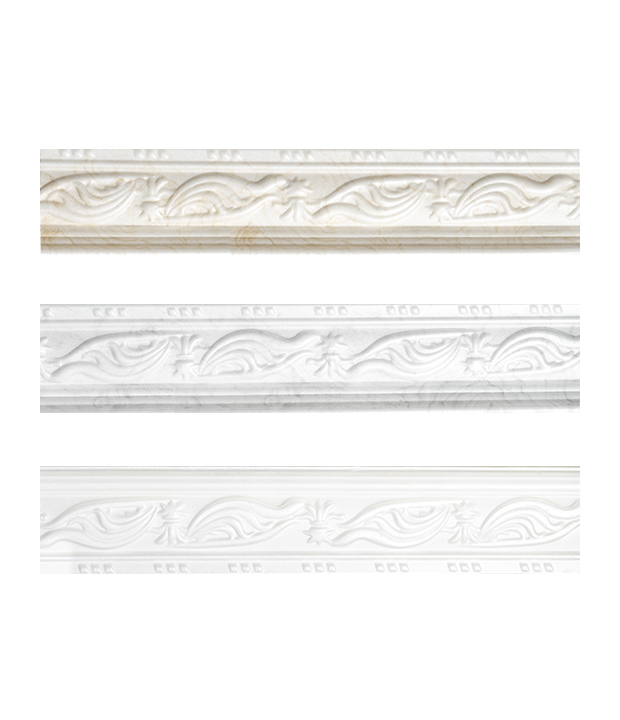 EPS Crown Molding T-20
-
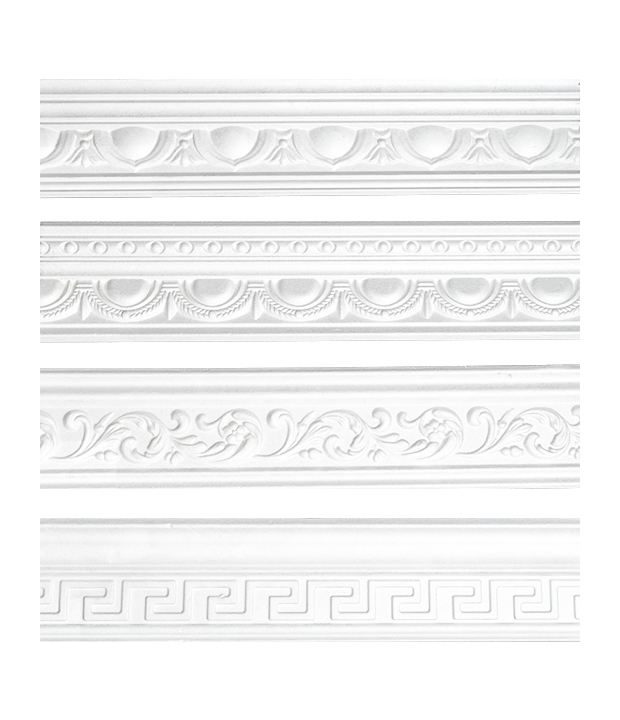 EPS Crown Molding B-06 B-08 B-10 B-12
-
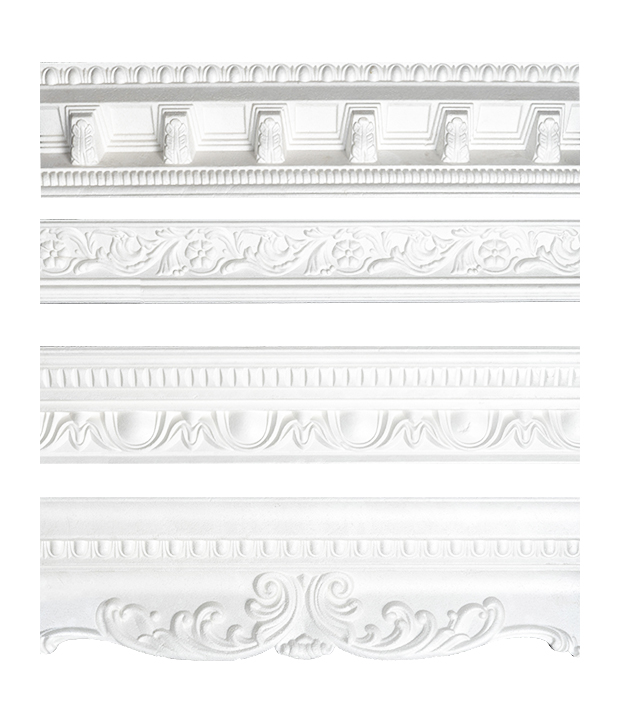 EPS Crown Molding B-22 B-20 B-24 B-18
-
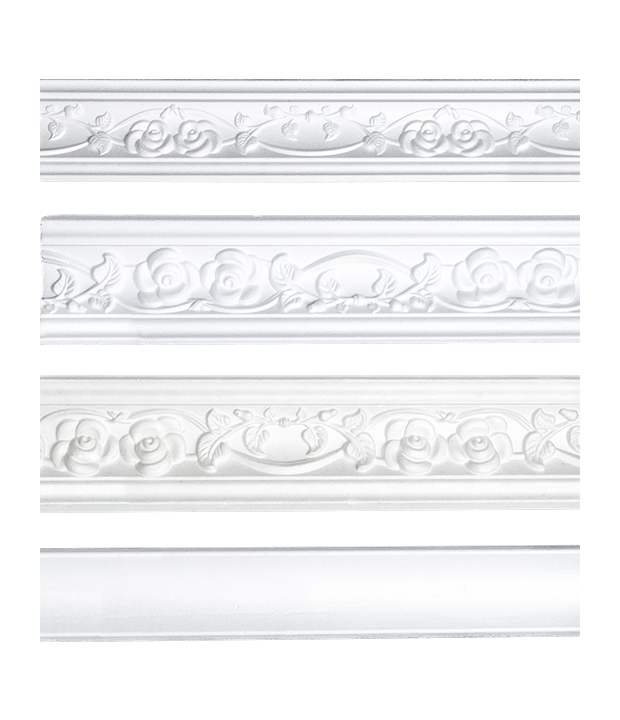 EPS Crown Molding B-26-1 B-26-2 B-26 B-16
-
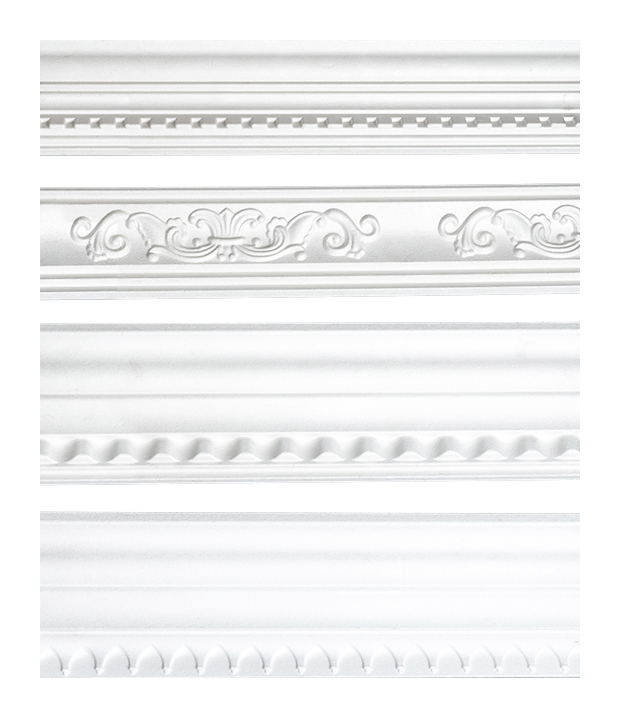 EPS Crown Molding B-30 B-28 B-34 B-32
-
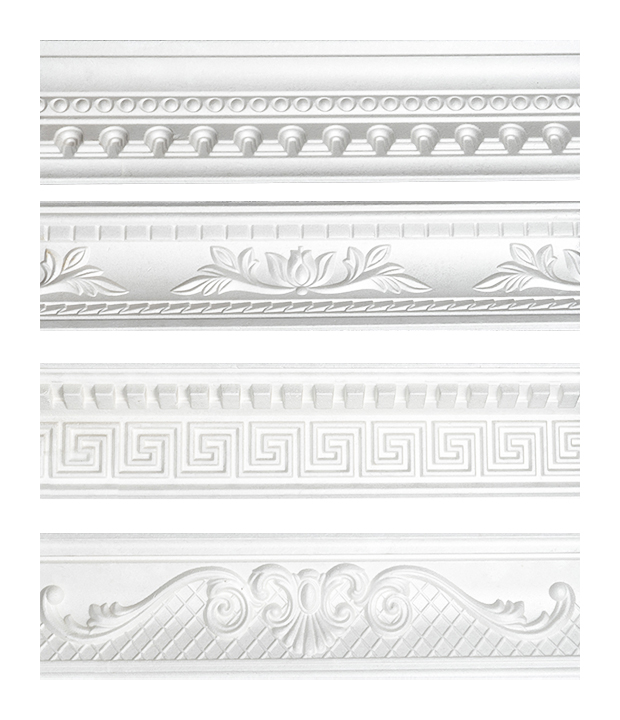 EPS Crown Molding B-42 B-40 B-38 B-36
-
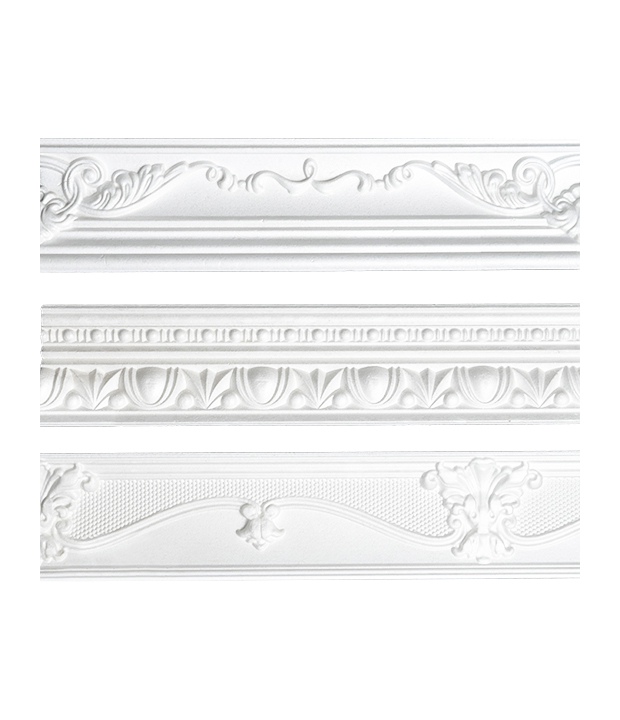 EPS Crown Molding B-60 B-44 B-58
-
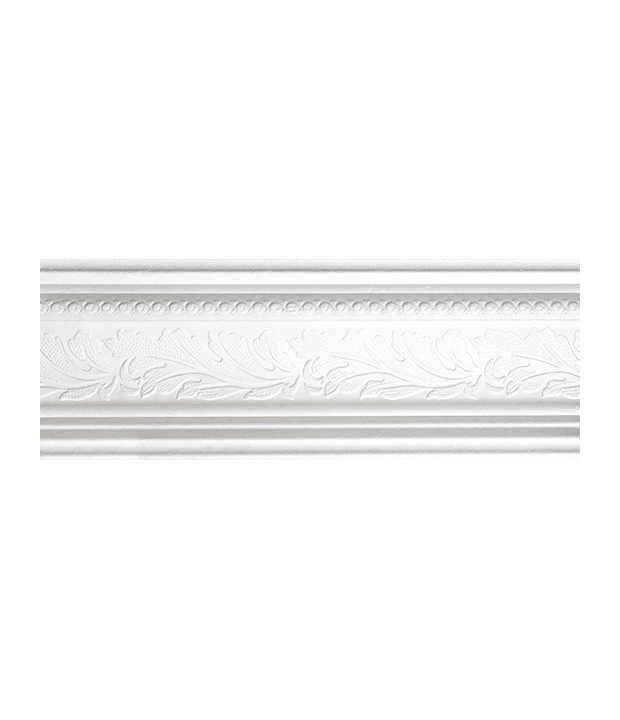 EPS Crown Molding B-56
News
-
-
Introduction What is an EPS Ceiling Medallion? An EPS Ceiling Medallion refers to a decorative ceiling feature made from Expanded Polystyrene (EPS), a type of lightweight foam material. Commonly used ...
READ MORE -
What is a Ceiling Medallion, and How Does it Change the Visual Proportion of Interior Space? In the realm of high-end interior design, the ceiling is no longer an overlooked surface. Often referred to...
READ MORE
Contact info.
- Cell:+86-15951909824 (Amanda)
- Email: amanda@ever-growing.net / 363526407@qq.com
- Add: No.5, Yanhe Rd, Ganduo Indsutrial Park, Gaoyou, Yangzhou, Jiangsu, P.R.O.C.
Quick Links
Copyright © Yangzhou Ever-Growing International Co.,Ltd. All Rights Reserved.
Wholesale Precision Foam Interior Decoration Manufacturers