

 English
 中文简体
中文简体 Español
In the evolution of architectural design, thermal comfort has always been a core metric for measuring quality of life. From open fires to cast-iron radiators and now to radiant heating systems, the un...
READ MORE
The Shift to PVC Ceiling Tiles in Modern Interior Design
Jun 04,2026 ------ Industry News
The Practical Value of PVC Ceiling Tiles
Polyvinyl chloride (PVC) ceiling tiles have transitioned from a niche industrial alternative to a mainstream architectural standard for commercial, residential, and institutional interiors. Engineered from a high-quality thermoplastic polymer, these tiles deliver a 100% waterproof, lightweight, and low-maintenance ceiling matrix that solves the structural vulnerabilities inherent in traditional mineral fiber and drywall systems.
The primary utility of a PVC ceiling tile lies in its absolute resistance to environmental degradation. Traditional porous tiles absorb ambient moisture, leading to sagging, discoloration, and structural failure over time. PVC tiles, by contrast, maintain their dimensional stability indefinitely in high-humidity zones. For facilities running continuous operations or homeowners seeking long-term interior durability, replacing vulnerable organic ceiling materials with PVC is a highly effective, cost-mitigating decision.
Comparative Analysis of Ceiling Materials
Selecting the correct ceiling substrate requires analyzing long-term lifecycle performance metrics alongside upfront capital expenditure. When contrasted with mineral fiber and gypsum panels, PVC demonstrates clear advantages across environmental resilience and operational lifespan.
| Performance Vector | PVC Ceiling Panels | Standard Mineral Fiber | Plasterboard / Gypsum |
|---|---|---|---|
| Water Resistance | 100% Waterproof | Absorbent / Prone to Sagging | Absorbent / Prone to Mold |
| Average Lifespan | 20+ Years | 5 to 7 Years | 10 to 15 Years (Requires Paint) |
| Maintenance Needs | Wipe Clean / Washable | Vacuum Only / Irreplaceable | Repainting / Patching Required |
| Weight per Sq. Meter | 1.8 kg – 2.5 kg | 3.5 kg – 4.8 kg | 7.5 kg – 9.0 kg |
The weight reduction offered by PVC tiles significantly minimizes structural strain on overhead hanging T-grid wire systems. This lower physical mass translates directly into faster installation times and minimized shipping logistics costs for major commercial developments.
Technical Specifications and Core Properties
Modern manufacturing plants utilize highly precise extrusion and lamination processes to achieve distinct physical ratings for PVC tiles. Understanding these exact technical tolerances ensures structural alignment with local building code requirements.
Thermal Properties and Fire Safety
High-grade PVC panels are formulated with specialized fire-retardant additives. Most building-grade PVC ceiling materials achieve a Class A or Class B fire rating under international testing frameworks. The polymer has a high self-ignition temperature, typically around 450°C, meaning it will not act as an accelerant in an active fire zone and ceases to burn when the primary external flame source is removed.
Acoustic Performance and Density
Standard smooth PVC tiles reflect sound, which can increase reverberation times inside vast open plans. However, advanced variants feature hollow-core geometric chambers or micro-perforations backed by acoustic fleece webs. These design configurations achieve a Noise Reduction Coefficient (NRC) of up to 0.55, sufficiently absorbing vocal frequencies in office bullpens and public hallways.
Primary Application Environments
Because they do not support microbial growth, retain moisture, or oxidize, PVC tiles are deployed across demanding environments where organic compounds would fail rapidly.
- Commercial Kitchens and Food Processing Units: Regular high-pressure steam cleaning and chemical sanitizers degrade conventional ceilings. PVC tiles endure sanitization chemicals without surface pitting.
- Healthcare Facilities and Laboratories: Sterile environments require non-porous surfaces. Smooth PVC surfaces prevent airborne fungal spores and bacteria from colonizing within the ceiling plane.
- Subterranean Basements and Car Parks: Below-grade levels suffer from continuous vapor transmission. PVC installations mitigate mold issues completely.
- High-Traffic Retail Infrastructure: Retail areas require modular flexibility to quickly rearrange lighting layout and overhead wiring networks without releasing harmful dust.
Installation Protocols for Lay-in and Direct-Fix Systems
The ease of installing PVC tiles reduces labor expenditures on-site. There are two primary integration methods used by modern finish carpenters: suspended grid drop-in and direct surface adhesion.
Suspended Drop-In System (T-Grid Matrix)
This configuration relies on standard 24mm or 15mm metal grid configurations suspended via heavy-gauge galvanized wire hangers attached directly to the overhead floor joists.
- Establish a level datum line across the perimeter walls using a self-leveling rotary laser level.
- Fix rigid steel wall angles securely at 300mm intervals along the scribed level reference line.
- Hang main runners at 1200mm centers, securing them with tension wires to ensure zero deflection.
- Snap secondary cross-tees into the main runners at either 600mm or 1200mm increments to match the specific PVC tile dimension.
- Angle individual PVC tiles upward through the open grid voids, gently settling them flat onto the internal metal flanges.
Direct-Fix Adhesive Method
In spaces with limited headroom where a suspended grid would compromise vertical clearance, interlocking tongue-and-groove PVC tiles are bonded directly to existing stable concrete slabs or timber framing. This method relies on applying heavy beads of premium polyurethane structural adhesive to the back corners of each tile, pushing the panel firmly against the level substrate, and securing the integrated interlocking flange with flush-set mechanical fasteners.
Lifecycle Cost and Return on Investment
Procurement departments frequently overemphasize the initial material price point while neglecting operational expenditures. Over a standard 15-year facility lease, the financial narrative changes dramatically when analyzing total cost of ownership factors.
Consider a 500-square-meter commercial office space. Mineral fiber tiles might carry a lower upfront material procurement cost, but they require localized replacement due to water stains or physical corner damage roughly every 5 years. This generates ongoing material replacement costs, specialized disposal fees, and labor charges. Conversely, PVC ceiling tiles eliminate recurring material replacement costs entirely over that same duration. Maintenance is minimized to basic cleaning procedures, resulting in zero unplanned facility downtime or disruption to revenue-generating operations.
Essential Preventive Maintenance Protocols
While PVC ceiling elements are inherently rugged, establishing structural maintenance intervals ensures optimal light reflectivity and structural performance over decades of use.
| Interval | Target Operational Objective | Execution Protocol |
|---|---|---|
| Quarterly | Surface Dust Mitigation | Wipe surface planes with anti-static microfiber dusters to maintain light reflectivity. |
| Bi-Annually | Degreasing and Deep Sanitization | Apply a mild biodegradable surfactant solution via a low-pressure atomizing sprayer; wipe clean with soft sponges. |
| Annually | Structural Alignment Check | Inspect main runner alignment profiles; ensure tile hold-down clips are properly positioned in high-draft entryways. |
When choosing cleaning agents for PVC tiles, operators should strictly avoid highly abrasive scrubbing pads or concentrated petroleum-based solvents. Using these restricted chemicals can compromise the integrated UV-stabilizing top layer, leading to premature yellowing or surface micro-fissures under direct sunlight.
our featured products.
Discover the timeless beauty and craftsmanship of Evergrowing through our featured products.
-
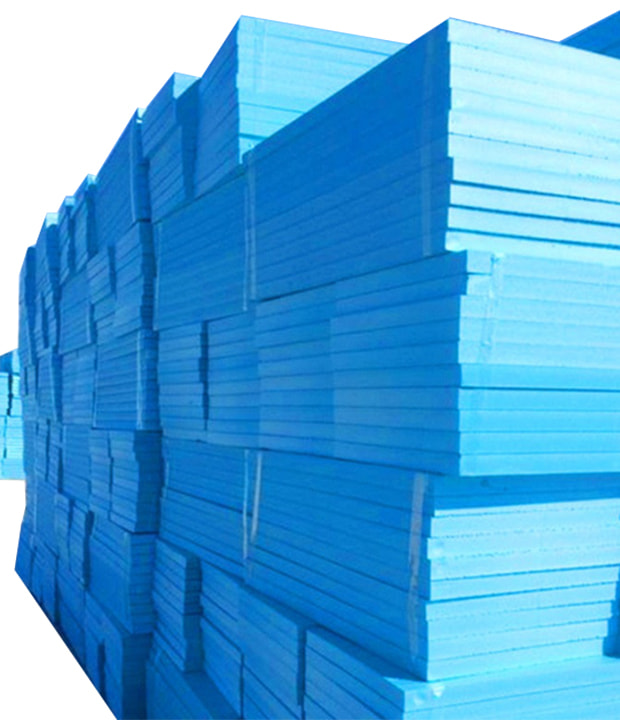 XPS underfloor heating panel
-
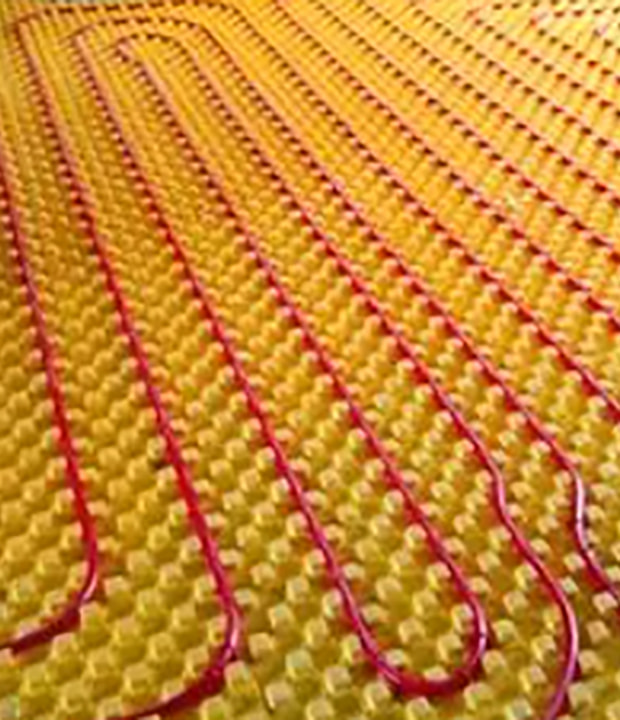 EPS underfloor heating panel
-
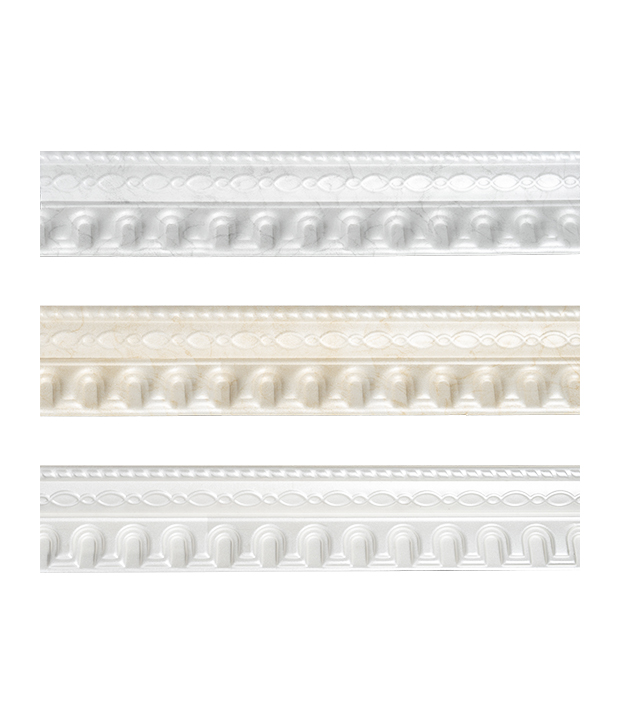 EPS Crown Molding T-06
-
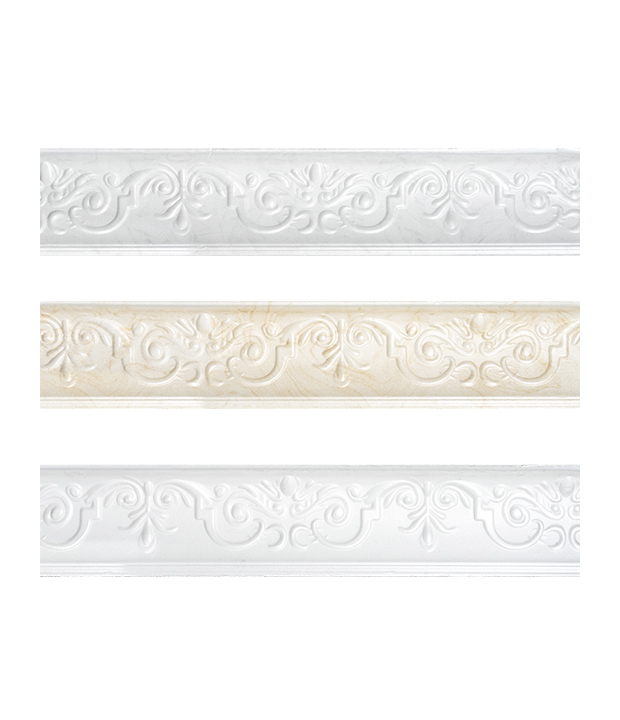 EPS Crown Molding T-04
-
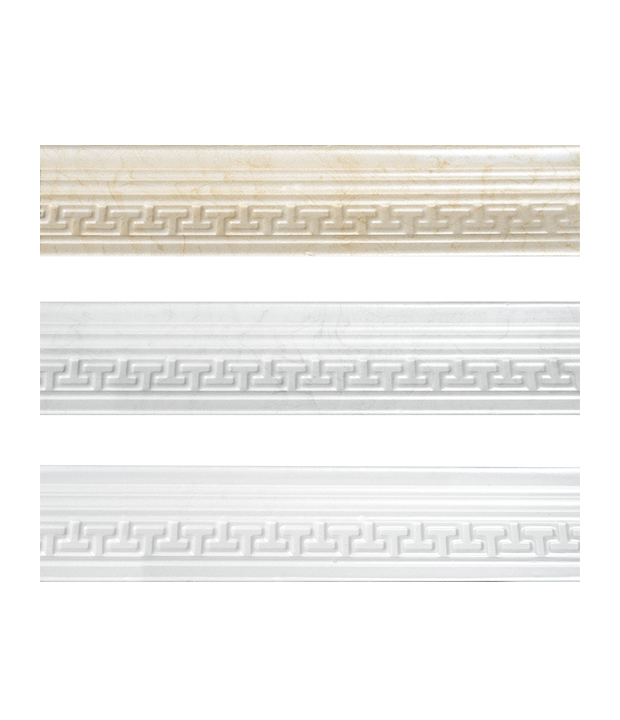 EPS Crown Molding T-02
-
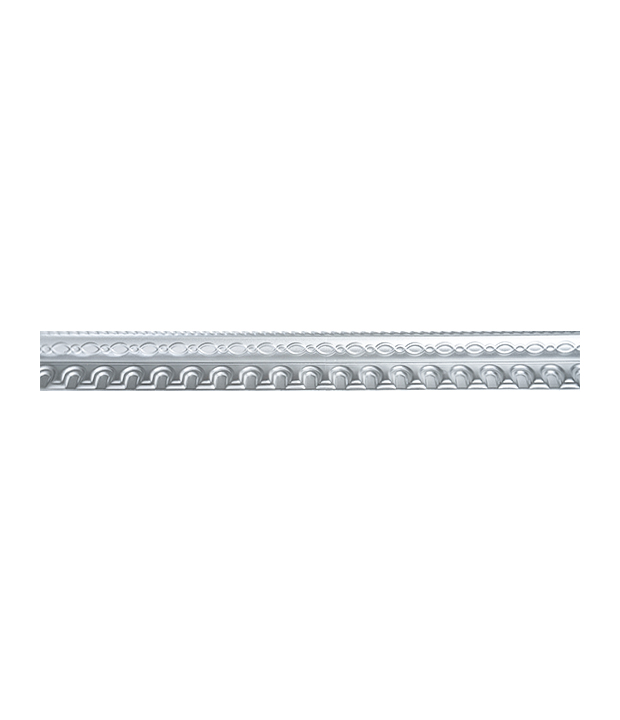 EPS Crown Molding
-
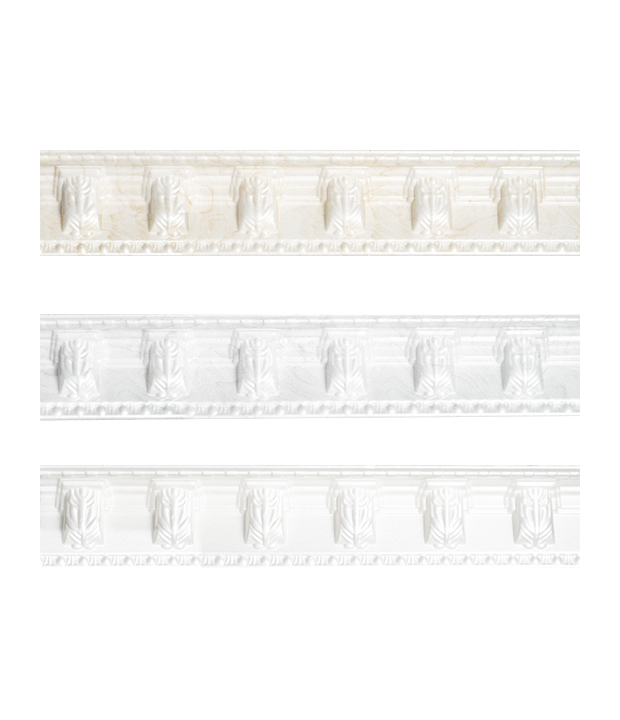 EPS Crown Molding T-18
-
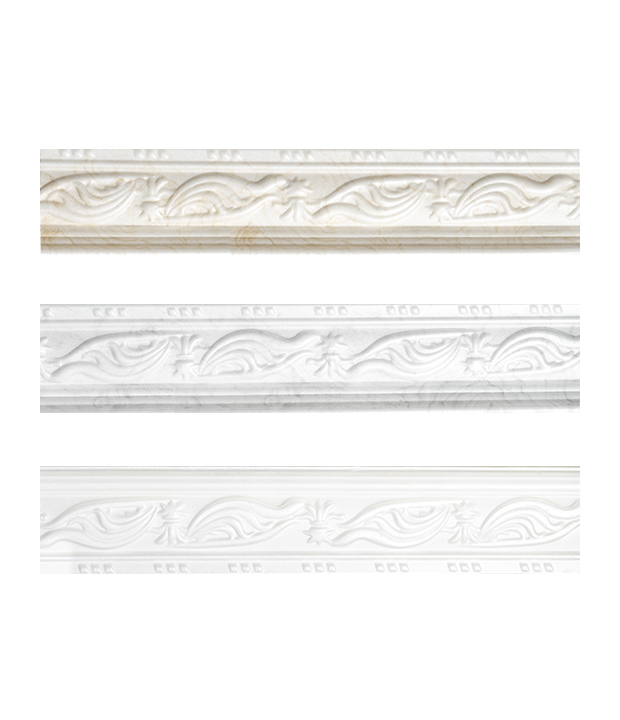 EPS Crown Molding T-20
-
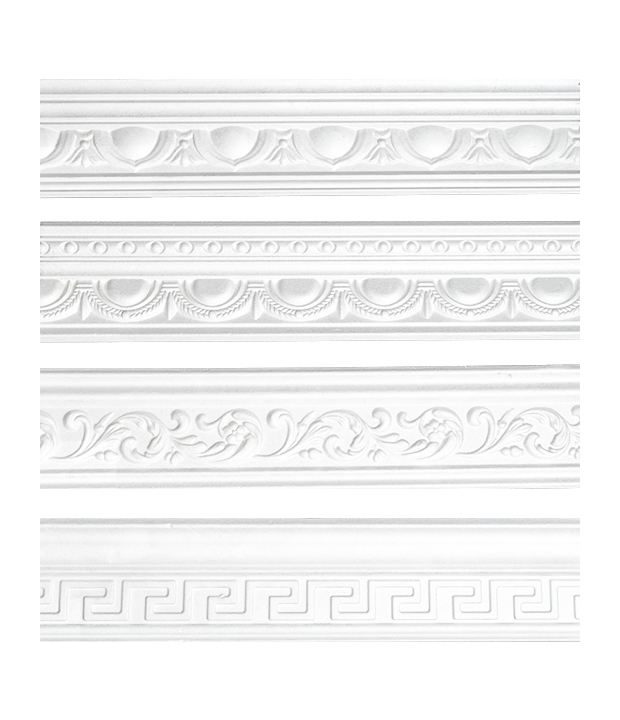 EPS Crown Molding B-06 B-08 B-10 B-12
-
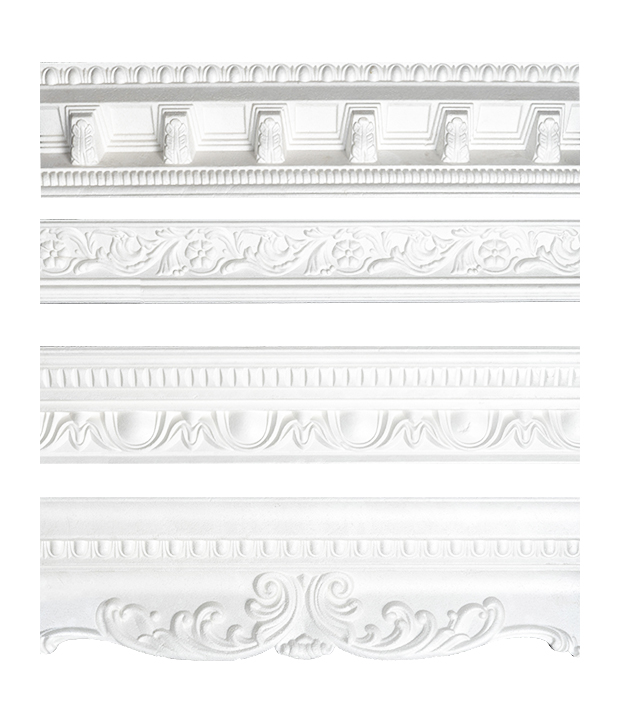 EPS Crown Molding B-22 B-20 B-24 B-18
-
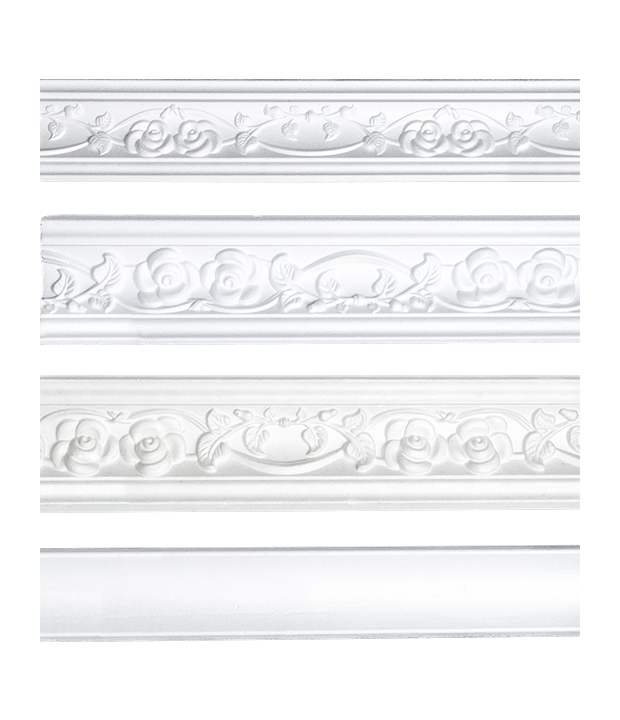 EPS Crown Molding B-26-1 B-26-2 B-26 B-16
-
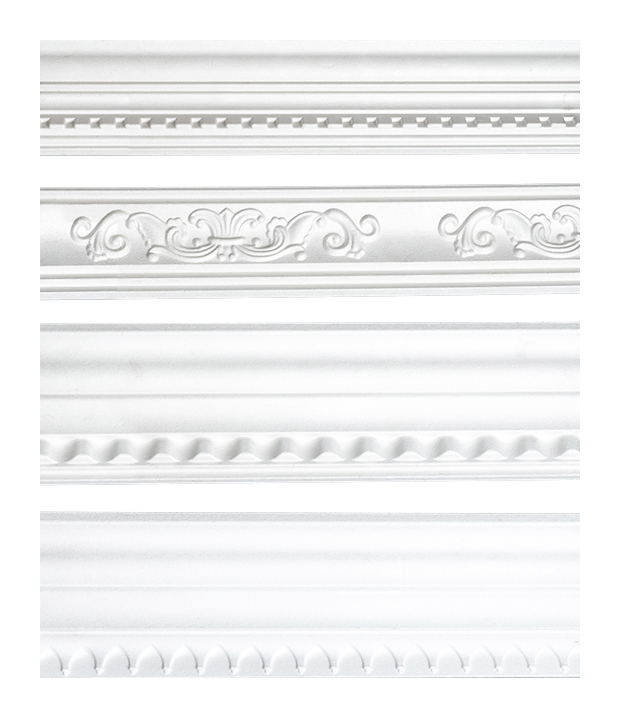 EPS Crown Molding B-30 B-28 B-34 B-32
-
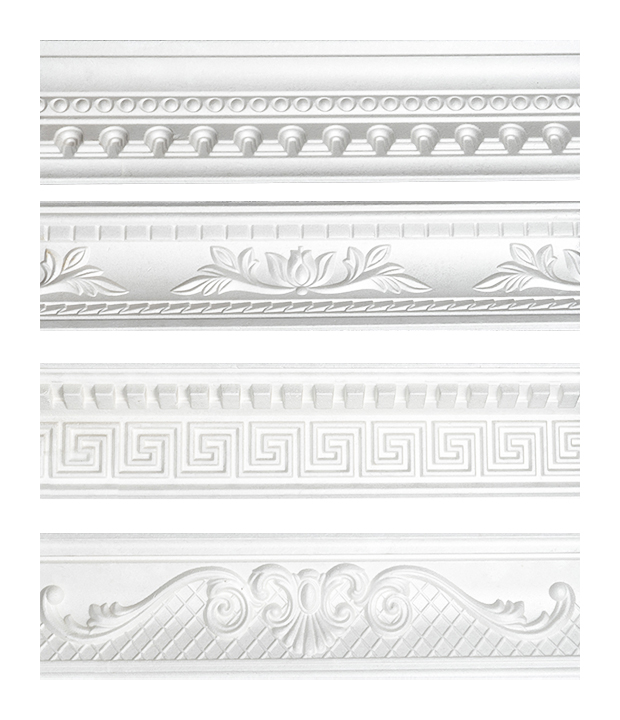 EPS Crown Molding B-42 B-40 B-38 B-36
-
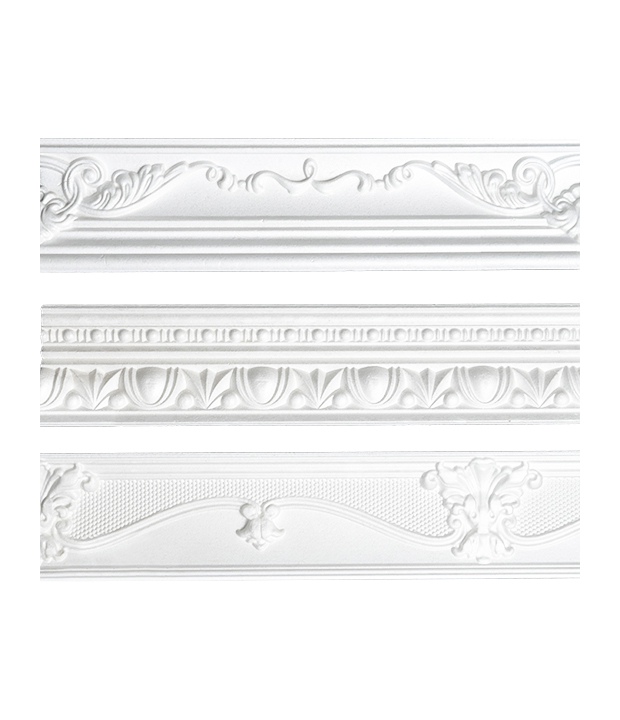 EPS Crown Molding B-60 B-44 B-58
-
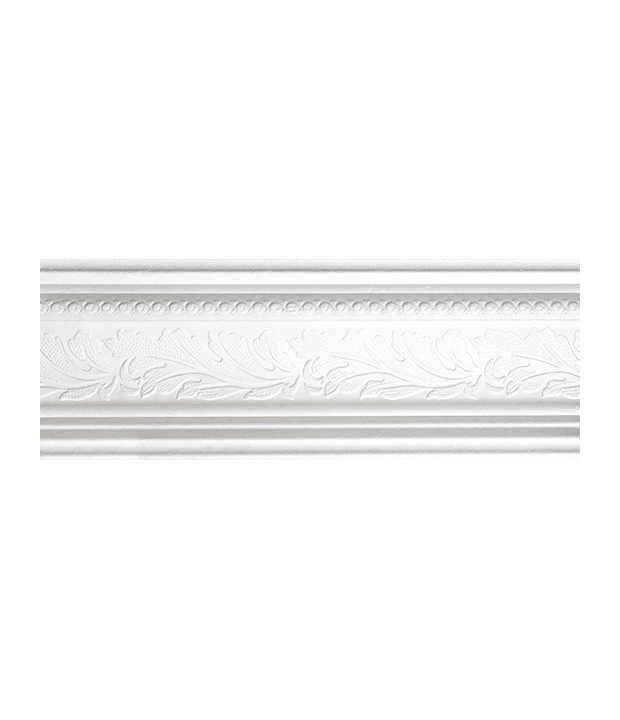 EPS Crown Molding B-56
News
-
-
Introduction What is an EPS Ceiling Medallion? An EPS Ceiling Medallion refers to a decorative ceiling feature made from Expanded Polystyrene (EPS), a type of lightweight foam material. Commonly used ...
READ MORE -
What is a Ceiling Medallion, and How Does it Change the Visual Proportion of Interior Space? In the realm of high-end interior design, the ceiling is no longer an overlooked surface. Often referred to...
READ MORE
Contact info.
- Cell:+86-15951909824 (Amanda)
- Email: amanda@ever-growing.net / 363526407@qq.com
- Add: No.5, Yanhe Rd, Ganduo Indsutrial Park, Gaoyou, Yangzhou, Jiangsu, P.R.O.C.
Quick Links
Copyright © Yangzhou Ever-Growing International Co.,Ltd. All Rights Reserved.
Wholesale Precision Foam Interior Decoration Manufacturers