

 English
 中文简体
 Español
In the evolution of architectural design, thermal comfort has always been a core metric for measuring quality of life. From open fires to cast-iron radiators and now to radiant heating systems, the un...
READ MORE
Precision Foam Interior Decoration Manufacturers: A Practical Buyer's Guide
Nov 05,2026 ------ Industry News
A 2.4 m cornice length arrives on site, the installer dry-fits it against the wall, and there is a 3 mm bow in the middle. The mitre at the corner opens as soon as the second piece goes up. The design was approved, the colour matched the sample board and the delivery date held. The problem was settled months earlier, in a factory, by foam density, a worn cutting wire and cartons packed while the profile was still warm.
Precision foam interior decoration is a manufacturing discipline before it is a styling question. Four variables decide whether a shipment installs cleanly: density control, dimensional tolerance, moisture at packing and how the profiles are protected in transit. A supplier who can put numbers on those four is worth a longer conversation than one who only sends a pattern book.
The Numbers Behind a Precision Foam Profile
Ask for the specification sheet before the catalogue. Decorative foam is easy to sell and hard to control, because the material is light, soft and dimensionally lively. A profile that measures 2,400 mm at the end of the line can read 2,396 mm after a month in a dry container, and the installer will blame the wall. The usual acceptance targets are narrow enough to be checked with ordinary tools.
| Check | Good-practice target | How to verify |
|---|---|---|
| Density | Within ±5% of the approved value | Weigh three random pieces, divide mass by measured volume |
| Cut-face tolerance | ±0.5 mm on sections up to 100 mm | Vernier across ten pieces from the same lot |
| Moulded tolerance | ±1.0 mm, no visible flash on the face | Dry-fit a 90° corner and inspect the joint line |
| Dimensional stability | Under 0.5% length change over 30 days | Mark sample lengths, store at room temperature, re-measure |
| Joint fit | Gap under 0.3 mm at the mitre without filler | Dry-fit five pairs on a flat bench |
| Coating adhesion | No lifting after a 24-hour tape pull | Paint the approved sample, then tape test a cross-hatch |
None of this needs a laboratory: a scale, a vernier, a flat bench and a marker will do, provided the same numbers appear on the sample, the inspection report and the shipping documents. Density is the quiet variable. A profile moulded at 28 kg/m³ paints thinner, dents more easily and softens faster in a container that sits at 45 °C on the dock, while the same profile at 38 kg/m³ holds its edge through handling and installation. That difference also explains most of the gap between two quotations that otherwise look identical.
EPS, PS, PU or XPS: Matching the Material to the Room
The short answer: EPS for large painted surfaces and medallions, PU for fine relief and rooms with humidity swings, PS for skirting that takes knocks, and XPS wherever a profile touches a cold slab. Treat the choice as a cost and risk decision rather than a beauty contest, because each material buys something different with the same pattern.
| Material | Typical density | Surface behaviour | Best fit | Watch-outs |
|---|---|---|---|---|
| EPS | 28–40 kg/m³ | Beaded, soft surface, takes emulsion and acrylic well | Ceilings, large medallions, deep cornice | Chips on impact; fill and sand cut faces before painting |
| XPS | 32–40 kg/m³ | Closed cell, low water uptake, smooth skin | Skirting in wet areas, underfloor panels | Smooth skin resists some adhesives; key the surface first |
| PS | 45–70 kg/m³ | Hard, dense skin with sharp edges | Skirting boards, narrow cornice, small roses | Solvent-based paints can attack the surface |
| PU | 80–120 kg/m³ | Rigid, reproduces fine relief crisply | Detailed cornice, medallions, bathrooms | Heavier sections; use solvent-free adhesive |
Typical mid-range density of decorative foam materials (kg/m³)
EPS34
XPS36
PS57
PU100
Bar length is proportional to the mid-point of the typical range; individual products vary by mould and pattern depth.
Density drives more than strength. It changes how much paint the face absorbs, how tight a mitre closes, and how far a profile can span between fixings without sagging. Where timber trim is still on the table, the trade-offs in weight, moisture response and finishing are set out in this comparison of PU and wood molding, which is useful when a client asks why the specification changed.
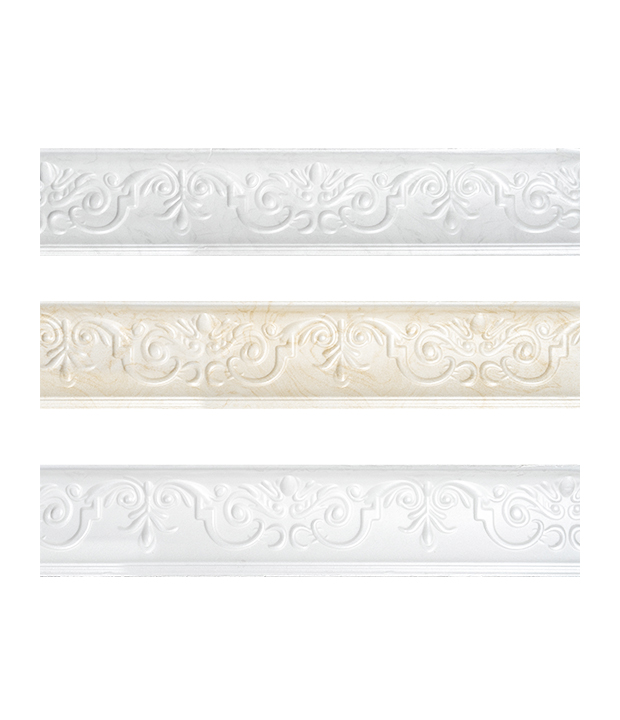
Crown molding is produced across all four materials, so a single delivery can carry painted EPS runs for a ceiling and denser PU detail for bathrooms and stairwells.
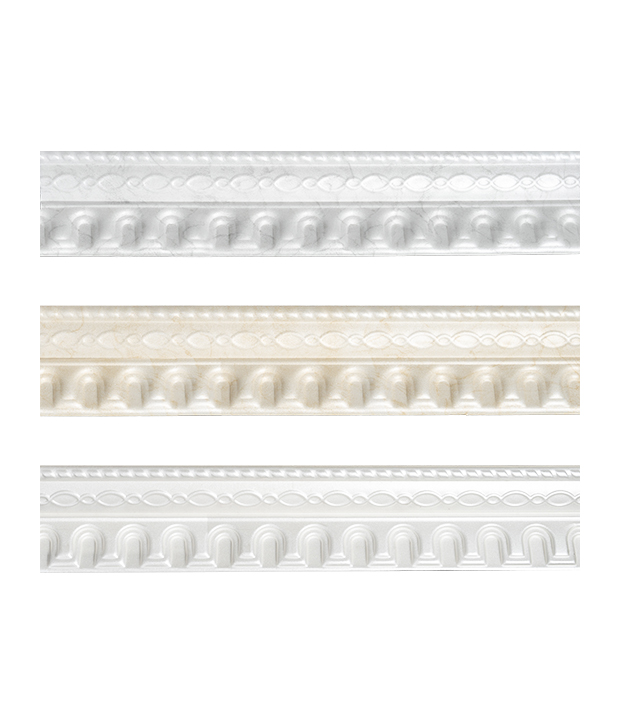 EPS Crown Molding Range for Ceiling DetailLightweight EPS crown profiles with classical detail, moisture and termite resistance, and custom options for hotels, villas and renovation projects.View Product →
What Buyers Actually Order for Interior Decoration
Project lists repeat themselves: ceilings first, then the perimeter, then the floor build-up. Each part of that sequence has its own failure mode, and each is easier to control at the factory than on site.
Ceiling medallions and cornice
A 600 mm medallion in PU weighs roughly a kilogram, which means one installer on a ladder can hold it with a bead of adhesive and four screws. The risk is rarely weight; it is centring. Specify the centre hole to match the light fitting and check the pattern depth does not foul the canopy or the pendant base. For cornice runs, order 5% spare length: internal corners are usually cut on site, and a damaged piece mid-wall costs a second delivery.
 PU Ceiling Medallions for Decorative Restoration CeilingsCast polyurethane medallions replicate stone or wood, resist impact and temperature changes, and suit curved ceilings and heritage restoration projects.View Product →
Skirting, ceiling tiles and panel profiles
Skirting is the most abused part of a fit-out, so density and impact resistance matter more than pattern. Standard heights run from 80 mm to 150 mm with matching corner pieces, and some profiles carry a cable channel that removes the need for surface trunking. Ceiling tiles are chosen on weight as much as appearance, because the substrate has to hold them.
Indicative installed weight of common ceiling finishes (kg/m²)
Foam tile1.5
PVC tile2.5
Mineral fibre4.5
Gypsum 9.5 mm8.5
Indicative figures for early-stage planning; confirm with the supplier datasheet before calculating ceiling loads.
Underfloor heating panels
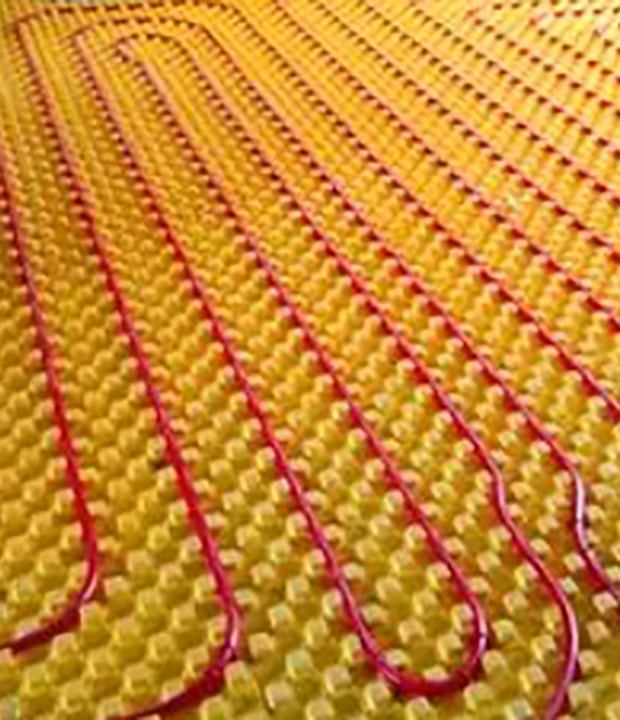
Grooved XPS panels at around 30 mm replace a much deeper screed, which matters in renovation work where floor height is fixed by the door threshold. Pipe spacing of 150 mm or 200 mm has to match the panel groove pitch exactly, and the panel joints should be taped so screed or levelling compound does not run into the grooves.
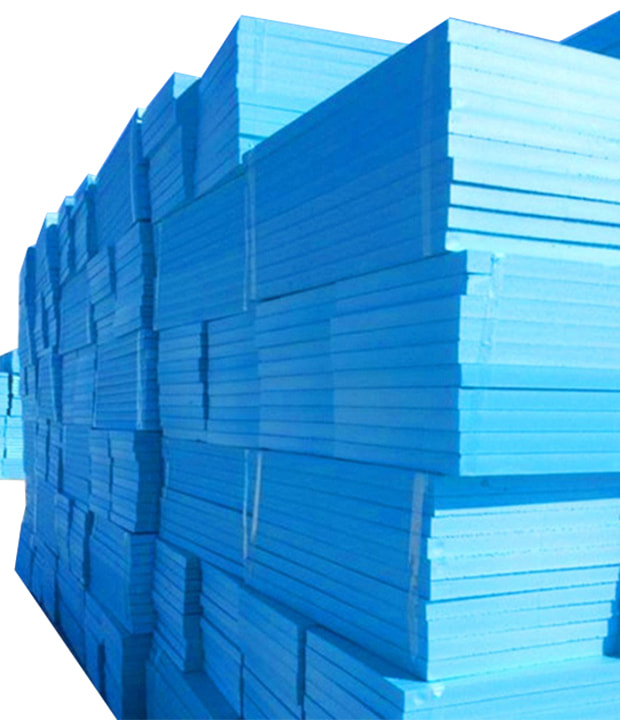 XPS Underfloor Heating Insulation PanelClosed-cell XPS panel offers moisture resistance, high load-bearing capacity and low thermal conductivity, with click-lock edges for underfloor heating retrofits and damp zones.View Product →
Auditing a Foam Decoration Factory
A trading office can quote, sample and ship. What it cannot do is hold density steady on a Tuesday afternoon when a mould is running warm. Before placing a first order, ask questions whose answers can be verified:
- Which processes run in-house, and which are subcontracted: bead moulding, cutting, coating, packing?
- What density is quoted, and who measures it — the line, or the customer's own incoming inspection?
- Can you show a retention sample from twelve months ago next to today's production?
- How are profiles packed: carton compression, moisture barrier, corner protection, and quantity per pallet?
- Who owns the mould, and what is the amortisation basis if the pattern is repeated next season?
Breadth of process is the useful signal here. A factory that moulds EPS, XPS, PS and PU under one roof can move a project from a PU bathroom detail to an EPS ceiling run without changing the packaging standard or the inspection routine. Yangzhou Ever-Growing, working from a 30,000 m² base in Gaoyou, Jiangsu since 1994, builds its interior decoration lines around exactly that overlap — moulding, cutting, coating and packing in one location, with design and after-sales support handled by the same team.
Where the Price Actually Comes From
Two quotations for the same cornice can differ by 30% and both be honest. Density accounts for most of it: moving from 30 kg/m³ to 45 kg/m³ is roughly half again as much raw material. Mould amortisation, minimum order quantity and packing method account for the rest. Freight is the line buyers underestimate, because decorative profiles are mostly air — a container of cornice can cube out long before it weighs out, so nesting and carton dimensions change the landed cost more than a small unit-price discount will.
Comparing the full product catalogue side by side, the sensible sequence is to fix the material and density first, then the profile, then negotiate packing and delivery. Doing it the other way round usually means re-quoting after the sample is rejected.
Site Conditions That Decide the Finish
The best-moulded profile still fails on a bad substrate. Walls and ceilings should be flat to within about 3 mm over 2 m before adhesive goes on; foam will follow a hollow and the shadow line will show it. Use a solvent-free adhesive rated for the material, press and support long runs until cured, and leave a 2–3 mm allowance at tight mitres rather than forcing joints closed. Paint by roller or spray with a filler coat on cut faces, and do not install below 10 °C, when adhesives stop developing strength and profiles stiffen.
Precision in foam interior decoration is decided in the specification, not in the showroom. Fix density, tolerance, moisture at packing and packing method with a manufacturer who measures all four, and the pattern becomes the easy part of the conversation.
our featured products.
Discover the timeless beauty and craftsmanship of Evergrowing through our featured products.
-
XPS underfloor heating panel
-
 EPS underfloor heating panel
-
EPS Crown Molding T-06
-
 EPS Crown Molding T-04
-
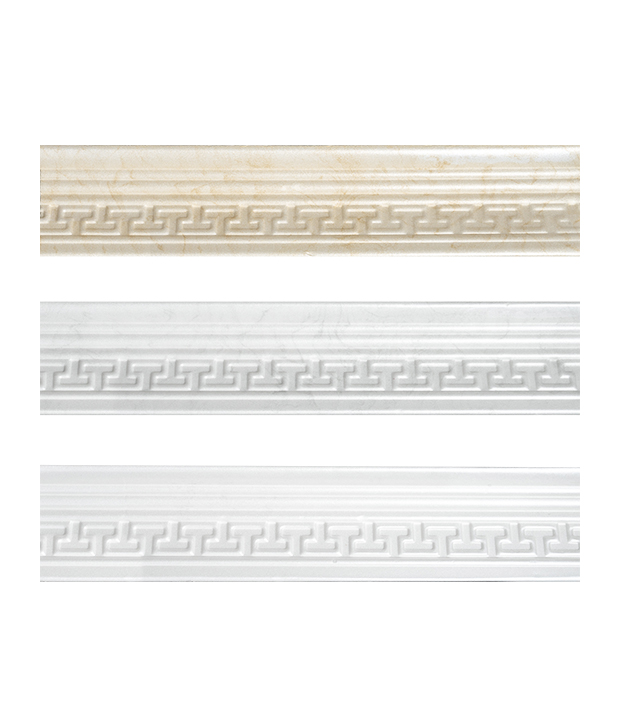 EPS Crown Molding T-02
-
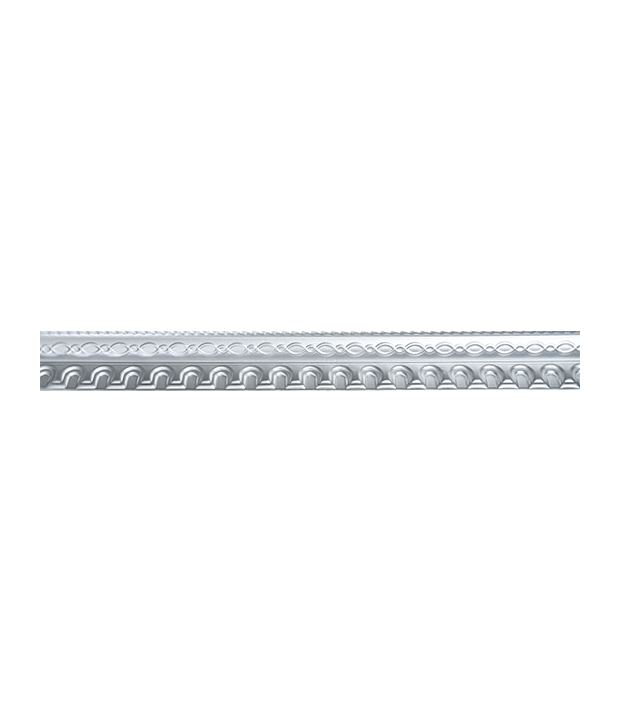 EPS Crown Molding
-
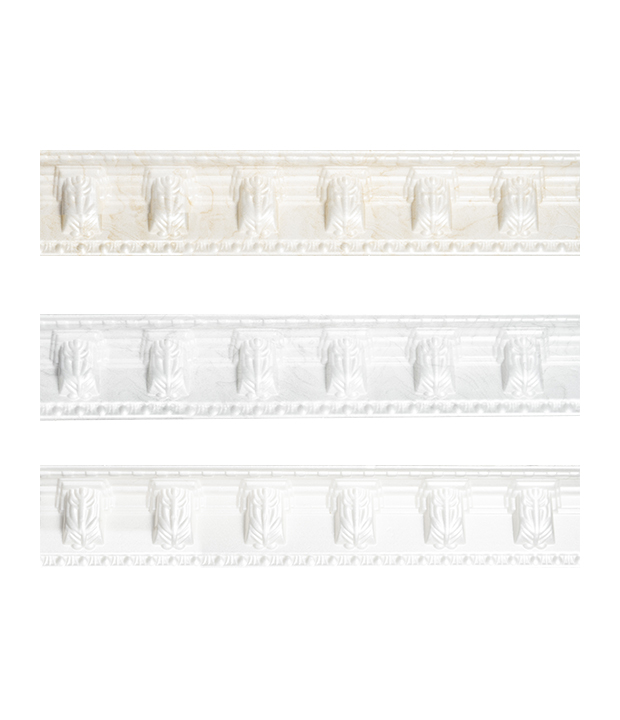 EPS Crown Molding T-18
-
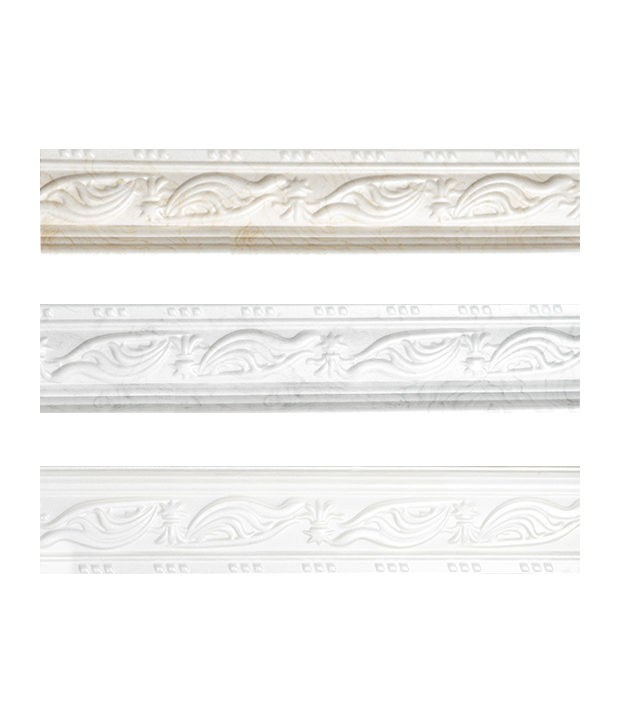 EPS Crown Molding T-20
-
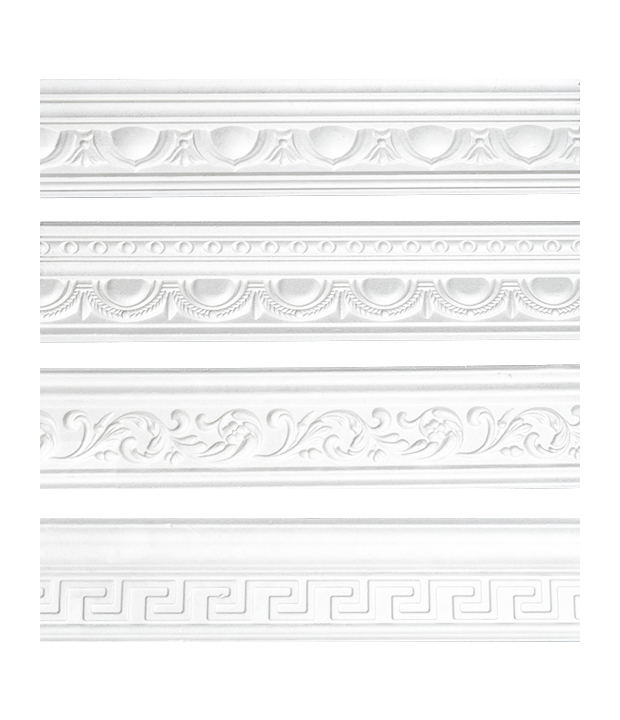 EPS Crown Molding B-06 B-08 B-10 B-12
-
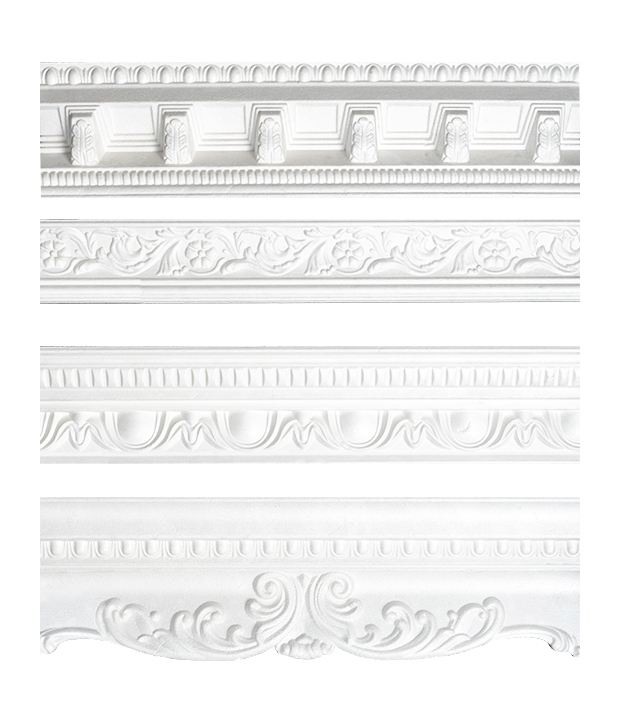 EPS Crown Molding B-22 B-20 B-24 B-18
-
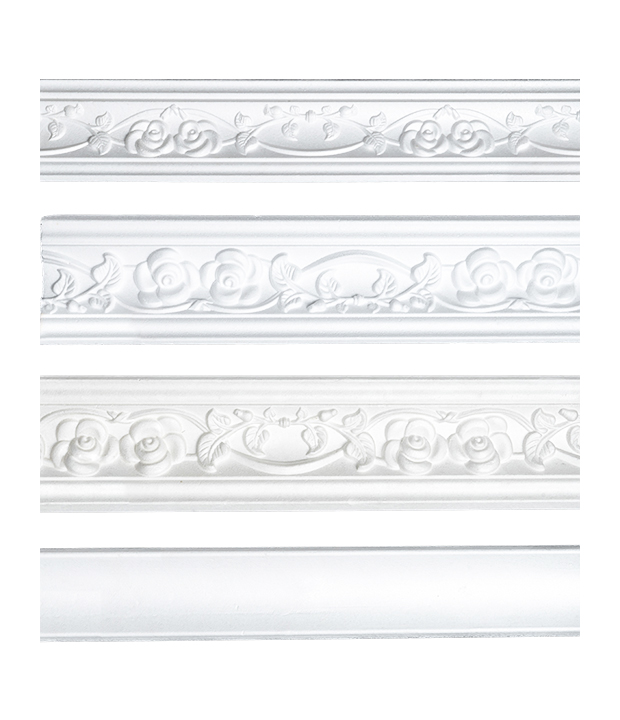 EPS Crown Molding B-26-1 B-26-2 B-26 B-16
-
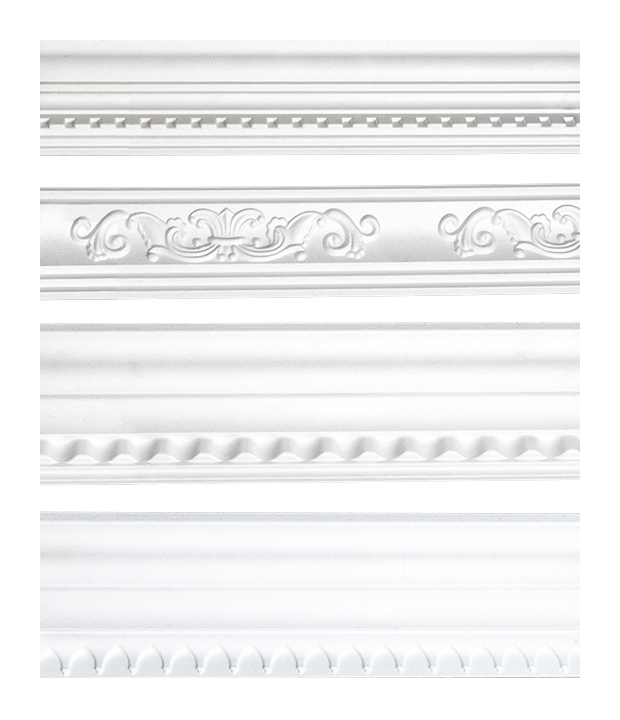 EPS Crown Molding B-30 B-28 B-34 B-32
-
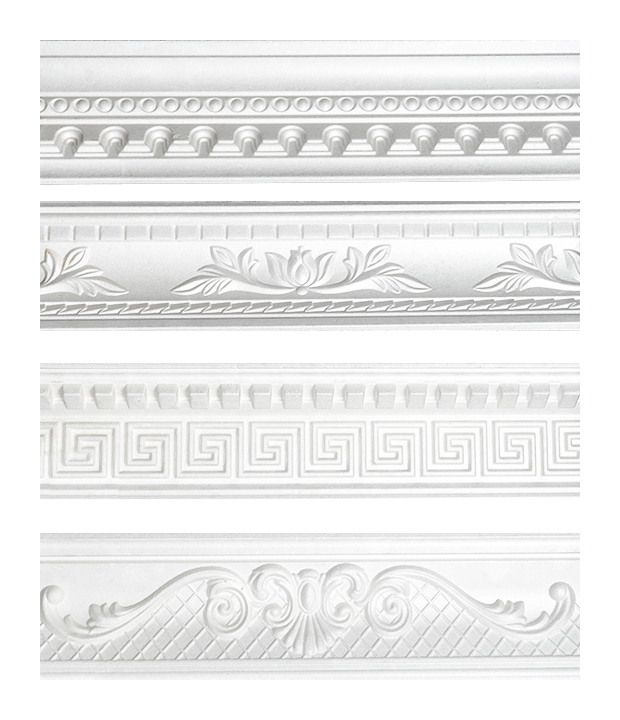 EPS Crown Molding B-42 B-40 B-38 B-36
-
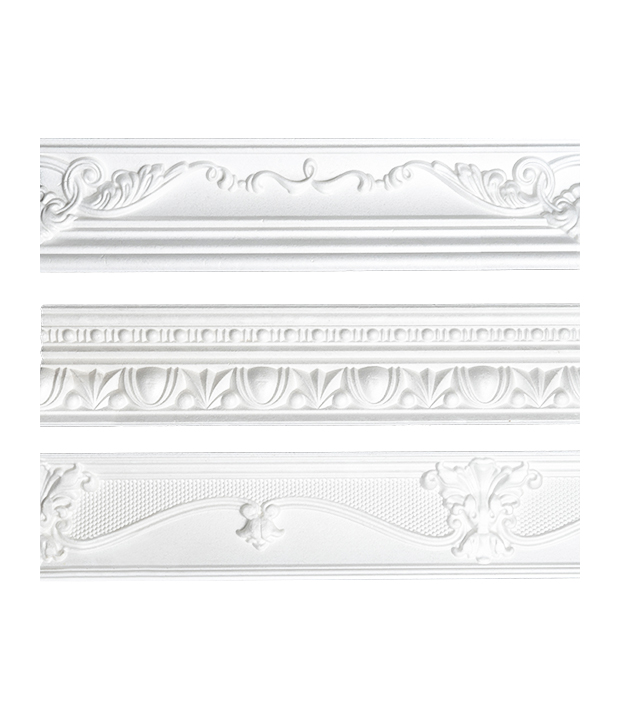 EPS Crown Molding B-60 B-44 B-58
-
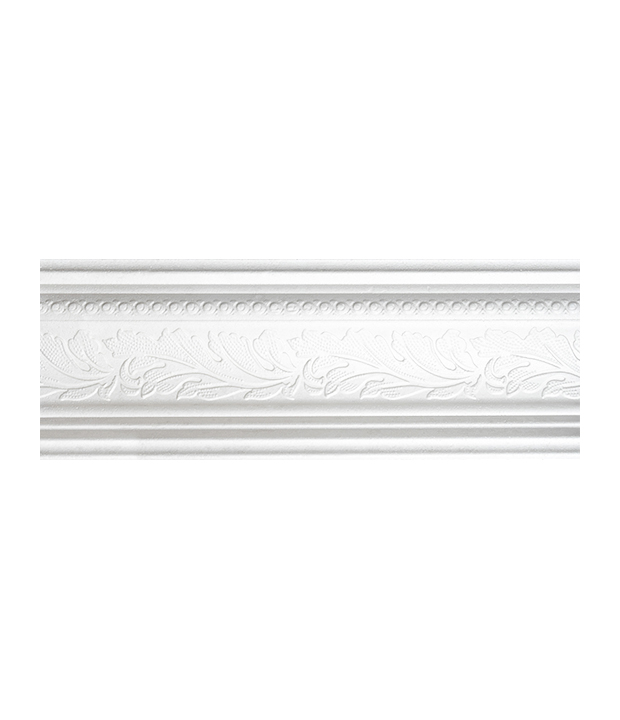 EPS Crown Molding B-56
News
-
-
Introduction What is an EPS Ceiling Medallion? An EPS Ceiling Medallion refers to a decorative ceiling feature made from Expanded Polystyrene (EPS), a type of lightweight foam material. Commonly used ...
READ MORE -
What is a Ceiling Medallion, and How Does it Change the Visual Proportion of Interior Space? In the realm of high-end interior design, the ceiling is no longer an overlooked surface. Often referred to...
READ MORE
Contact info.
- Cell:+86-15951909824 (Amanda)
- Email: amanda@ever-growing.net / 363526407@qq.com
- Add: No.5, Yanhe Rd, Ganduo Indsutrial Park, Gaoyou, Yangzhou, Jiangsu, P.R.O.C.
Quick Links
Copyright © Yangzhou Ever-Growing International Co.,Ltd. All Rights Reserved.
Wholesale Precision Foam Interior Decoration Manufacturers