

 English
 中文简体
 Español
In the evolution of architectural design, thermal comfort has always been a core metric for measuring quality of life. From open fires to cast-iron radiators and now to radiant heating systems, the un...
READ MORE
Polystyrene Ceiling Tiles Manufacturer | 30+ Years EPS/PS Ceiling Tile Factory
Oct 29,2026 ------ Industry News
A facilities manager responsible for 200 guest rooms in a coastal hotel once told us he replaced mineral-fibre ceiling tiles after fourteen months of visible sagging in bathrooms. His next order specified polystyrene ceiling tiles, and the problems stopped. The tile pattern was never the issue; the manufacturer's control over density, edge geometry, and surface sealing was. That is the practical conclusion for any buyer: the factory process behind the panel determines whether a polystyrene ceiling stays flat, dry, and low-maintenance.
What Polystyrene Ceiling Tiles Are
Polystyrene ceiling tiles are lightweight panels made from expanded polystyrene (EPS) bead foam or solid polystyrene (PS) sheet. In suspended-ceiling systems, EPS tiles are the most common because they are cut from steam-moulded blocks, then painted or film-laminated, and laid into standard T-grids. A 600 x 600 mm panel typically weighs between 250 and 450 g, roughly one-third to one-half the weight of a mineral-fibre tile of the same size.
- EPS ceiling tiles: moulded blocks cut into 595 x 595 mm or 603 x 603 mm panels, with a painted, coated, or PVC-laminated surface. Typical core density is 6 to 16 kg/m³, with 8–10 kg/m³ the usual range for suspended ceilings.
- Solid PS ceiling tiles: 1.5 to 3 mm thermoformed sheets with a three-dimensional relief pattern, designed for direct fixing or gluing to a flat ceiling. These are lighter, thinner, and often chosen for residential renovations.
How Polystyrene Ceiling Tiles Are Manufactured
The production route explains the quality differences between suppliers. A full-process factory follows these steps:
- Pre-expansion: EPS beads are pre-expanded with steam to reach the target bead density.
- Aging: expanded beads rest in silos for several hours so internal pressure stabilises.
- Block moulding: beads are steamed and fused inside a sealed mould to form a homogeneous block.
- Cutting: the block is sliced into boards using hot-wire or CNC saws.
- Edge profiling: boards are trimmed to exact dimensions and squareness.
- Surface finishing: panels are coated with paint or laminated with PVC film.
- Conditioning and inspection: panels are stored flat, then sampled for flatness, density, and adhesion.
- Packaging: bundles are wrapped with corner protection to survive container shipping.
The order of these steps matters. Cutting before conditioning produces tiles that warp in transit; skipping edge profiling creates gaps in the ceiling grid. Because the EPS core is closed-cell, the tile does not wick moisture the way open-structured mineral-fibre boards do. It also adds a modest thermal break and contributes some sound absorption when perforated. A broader review of polystyrene ceiling tile types and installation methods is available in our earlier technical guide.
Five Quality Checkpoints That Separate a Reliable Manufacturer from a Simple Cutter
Not every supplier that calls itself a polystyrene ceiling tiles manufacturer actually controls the full process. Some buy pre-expanded EPS blocks and only cut and paint them; others, including Yangzhou Ever-Growing International, expand beads, mould blocks, cut boards, finish surfaces, and package panels under one roof. Vertical integration matters because it concentrates accountability in one production line and one quality system.
| Checkpoint | What to verify | Acceptable range |
|---|---|---|
| Density uniformity | Cross-section of a cut tile shows uniform small cells; large voids signal inconsistent strength | 8 ± 1.5 kg/m³ for standard panels |
| Dimensional tolerance | Measure length, width, and diagonals on several samples; large deviation creates shadow gaps in the grid | ±1.0 to ±1.5 mm on 600 mm edges |
| Surface flatness | Rest the tile on a flat reference table and check the centre gap | ≤1.0 mm deviation |
| Edge integrity | Inspect for crumbling beads at the cut edge; weak edges break during transport and installation | Clean square edges, no bead pull-out |
| Coating adhesion | Apply and peel a tape strip across the painted surface | No delamination of the paint film |
These five points separate a ceiling that photographs well from one that still looks straight after a year of HVAC cycling and cleaning. The same discipline applies to the entire ceiling tile product range offered by the factory.
EPS, PU, or PVC: Which Material Fits the Project
A manufacturer that only makes one material will naturally recommend that material. A manufacturer that makes all three, as we do, can compare them honestly. The decision usually comes down to budget, humidity level, and the decorative finish required.
| Property | EPS ceiling tile | PU ceiling tile | PVC ceiling tile |
|---|---|---|---|
| Core material | Expanded polystyrene bead foam | Rigid polyurethane foam with reinforced skin | PVC sheet with cellular or foam core |
| Surface finish | Painted or laminated with PVC film | Simulated plaster texture, paintable | Printed film with many patterns |
| Weight per 600 x 600 mm panel | 250–450 g | 400–700 g | 500–900 g |
| Moisture resistance | Good, with sealed edges | Excellent | Excellent |
| Typical installation | Lay-in T-grid | Lay-in or direct adhesive | Lay-in, clip, or glue |
| Best suited to | Commercial ceilings with cost control | Decorative residential and hospitality ceilings | Kitchens, bathrooms, and humid climates |
The chart below summarises the moisture-resistance rating of the three materials on a scale of 1 to 5.
EPS 3.0
PU 4.5
PVC 5.0
EPS ceiling tiles: the budget-conscious volume choice
EPS tiles offer the lowest material cost and the lightest panel weight, which also reduces freight per container. With PVC film lamination, they resist humidity well enough for most commercial interiors, corridors, and offices.
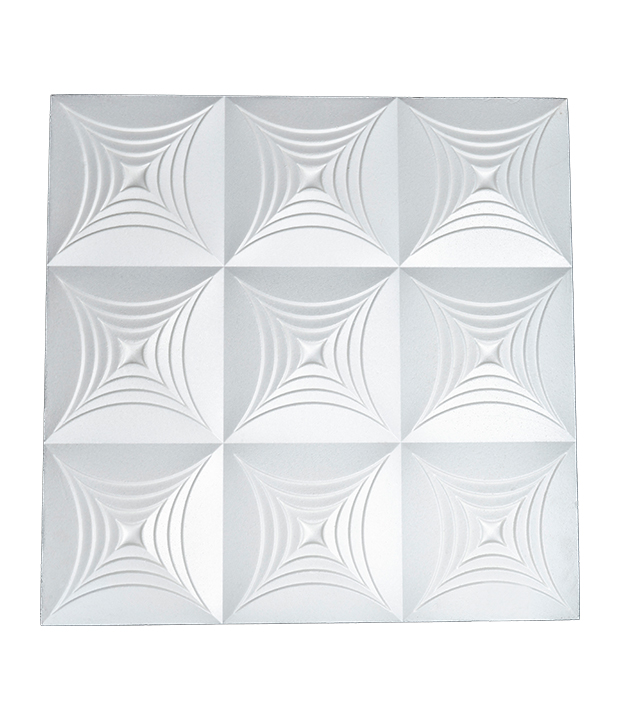 EPS Ceiling Tiles for Lightweight, Cost-Effective InteriorsThese expanded polystyrene tiles offer the lowest material cost and lightest weight, with thermal and acoustic benefits. Ideal for commercial spaces needing fast, budget-friendly installation.View Product →
PU ceiling tiles: the decorative plaster look
Polyurethane tiles carry a firmer skin and reproduce plaster-style relief patterns with higher detail than EPS. They suit hospitality projects and period-style ceilings where the client wants an elegant, paintable finish.
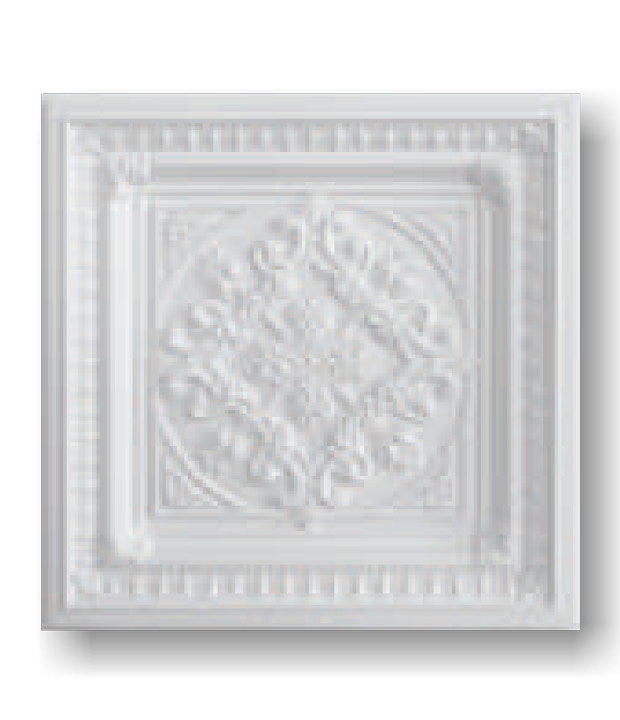 High-Density PU Ceiling Tiles with Plaster-Style DetailFeaturing a firmer skin and precise relief patterns, these polyurethane tiles suit luxury hospitality projects with elegant, paintable finishes and superior durability.View Product →
PVC ceiling tiles: the moisture-exposure answer
For kitchens, bathrooms, and coastal projects with high humidity, PVC ceiling tiles are the most resistant option. Because the material is dimensionally stable in damp air, the risk of edge curling or sagging is nearly eliminated.
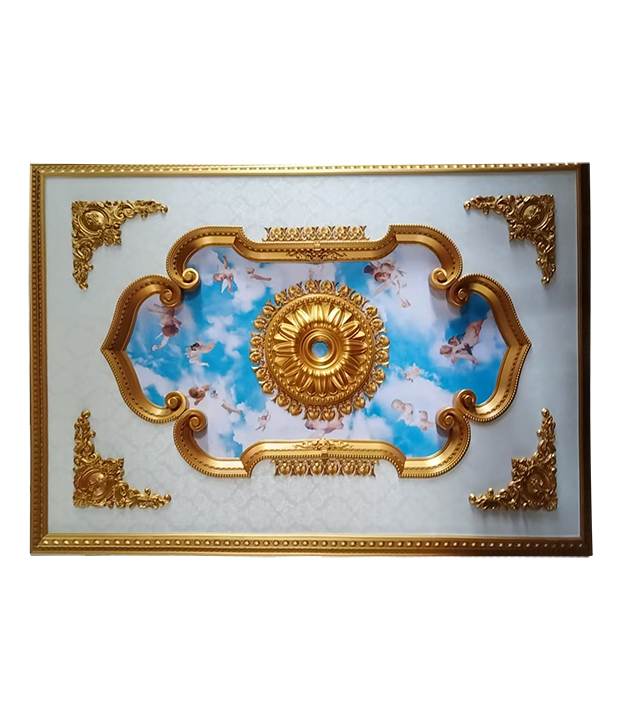 PVC Ceiling Tiles for High-Humidity and Commercial SpacesEngineered for moisture resistance and dimensional stability, these PVC tiles prevent edge curling and sagging, making them perfect for kitchens, bathrooms, and coastal installations.View Product →
How to Evaluate a Polystyrene Ceiling Tiles Manufacturer
When the search term is "polystyrene ceiling tiles manufacturer," the intent is usually commercial: a contractor, importer, or distributor wants a production partner, not a single ceiling panel. The evaluation should therefore cover four areas.
Factory scale and production experience
Yangzhou Ever-Growing International has operated a 30,000 m² production base since 1994, with three decades of continuous foam-moulding experience. Scale matters because bead pre-expansion, block ageing, and coating lines require dedicated equipment; a general-purpose workshop rarely achieves the same density consistency.
Material coverage and customisation
A manufacturer that handles EPS, PU, and PVC in one factory can advise honestly on material selection rather than pushing a single option. Custom sizes, edge profiles, printed patterns, and painted colours should be available from the same production line.
Quality assurance before shipment
Ask how samples are kept, whether density is recorded per block, and how many panels are removed from each batch for flatness and edge checks. A manufacturer's willingness to share process documentation is usually a stronger signal than any certificate alone.
Export experience and packaging
Polystyrene panels are fragile at the edges. A manufacturer that ships internationally will use corner protection, interleaving paper, and stretch film as standard. If the factory treats packaging as an afterthought, the condition of the tiles on arrival will reflect that.
Procurement Considerations Before You Place an Order
The lowest unit price is rarely the lowest total cost. Weight-related freight, breakage in transit, installation time, and the cost of replacing warped panels all belong in the comparison.
- Request physical samples, not only photos. Weigh them, measure the diagonals, and test surface flatness with a straightedge.
- Confirm the density in writing. A quoted density of 8 kg/m³ that arrives at 6 kg/m³ will feel noticeably lighter and less rigid.
- Clarify MOQ and lead time per finish. Painted EPS panels usually have shorter lead times than custom-printed PVC film laminations.
- Check edge details against your grid system. A 15/16-inch grid needs tiles sized so they do not slide or bind.
- Align delivery terms and packaging expectations with the freight forwarder before the factory books the container.
Most importers start with a trial order of one or two pallets, test the panels on an actual ceiling, and then scale up. That approach keeps risk low and gives the manufacturer clear feedback on what matters in your market.
Polystyrene ceiling tiles remain one of the most cost-effective ways to finish a suspended ceiling, provided the material matches the environment and the manufacturer controls density and edge quality. With thirty years of EPS production, in-house PU and PVC lines, and a customisation process covering size, pattern, and finish, Yangzhou Ever-Growing International is positioned to support both standard commercial projects and complex decorative ones. The first step is small: order samples, run the five checks above, and compare the results against your own installation conditions.
our featured products.
Discover the timeless beauty and craftsmanship of Evergrowing through our featured products.
-
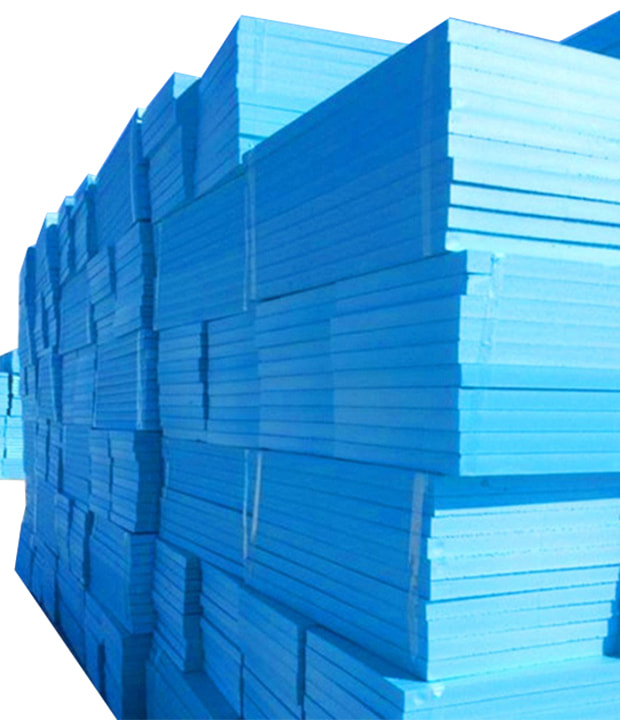 XPS underfloor heating panel
-
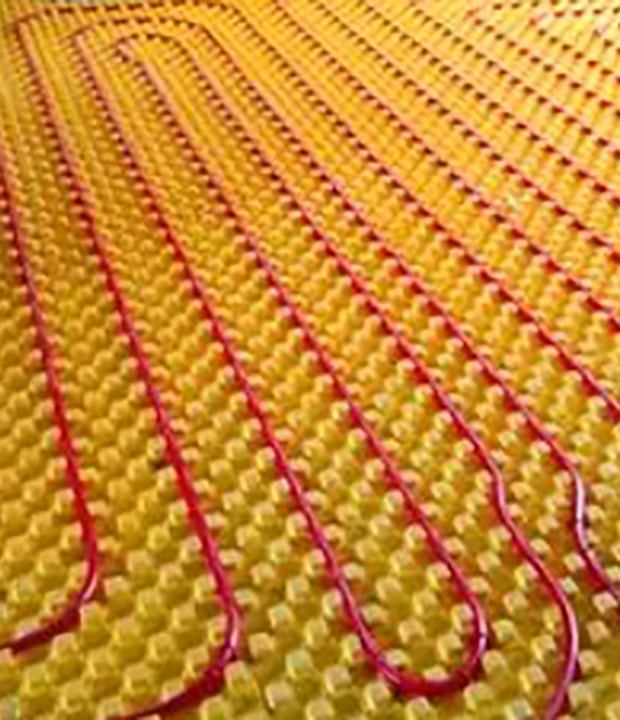 EPS underfloor heating panel
-
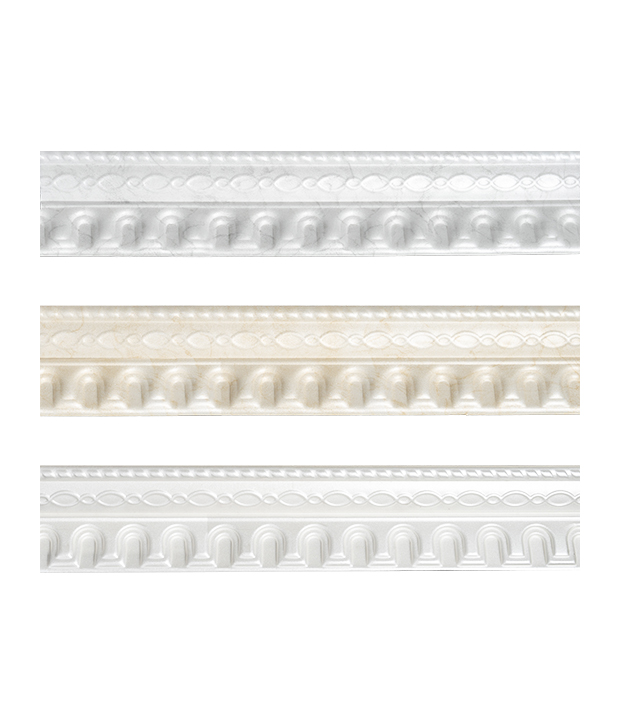 EPS Crown Molding T-06
-
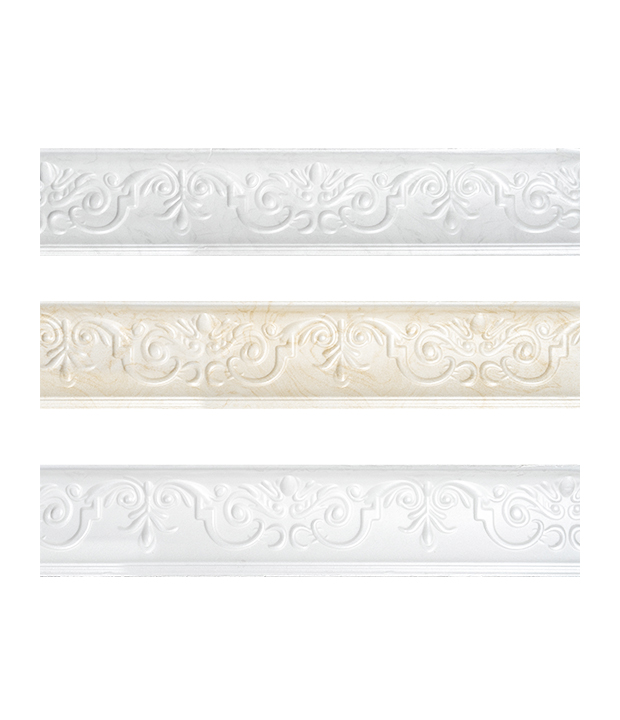 EPS Crown Molding T-04
-
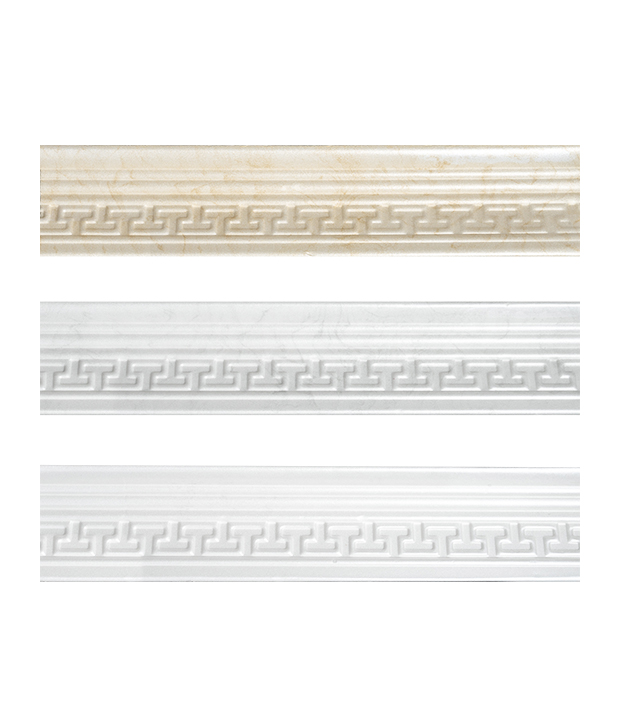 EPS Crown Molding T-02
-
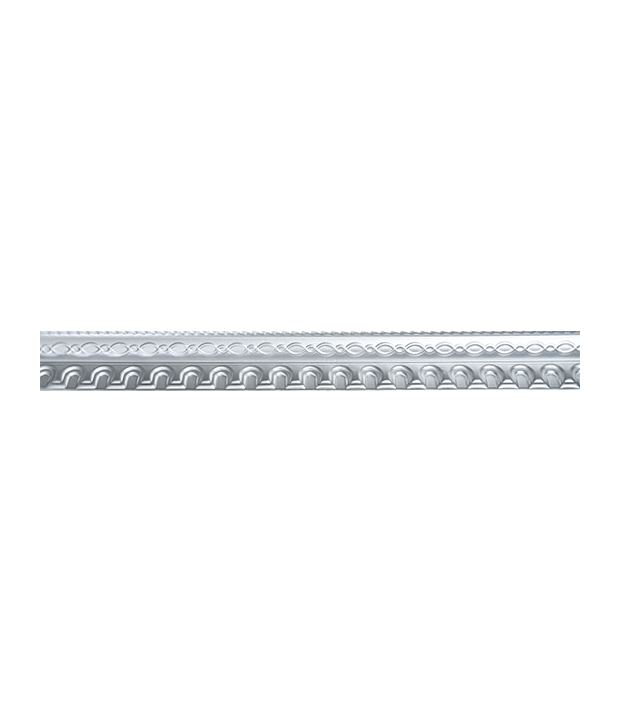 EPS Crown Molding
-
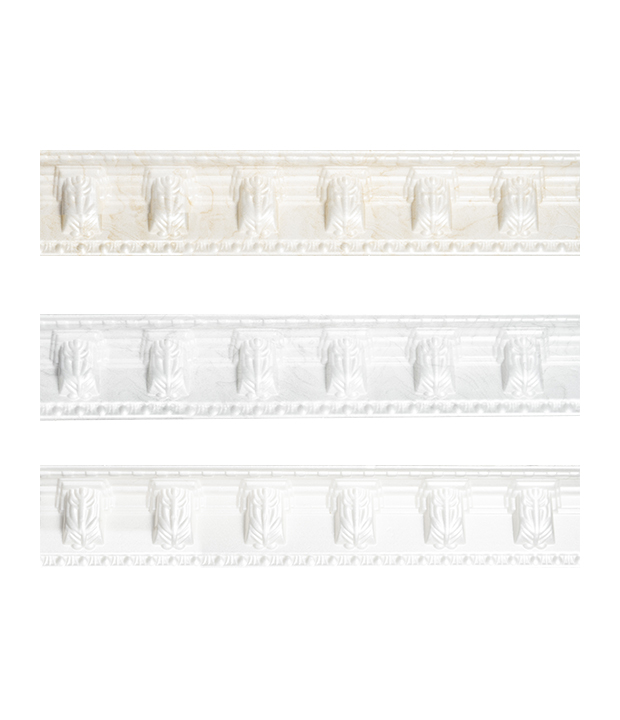 EPS Crown Molding T-18
-
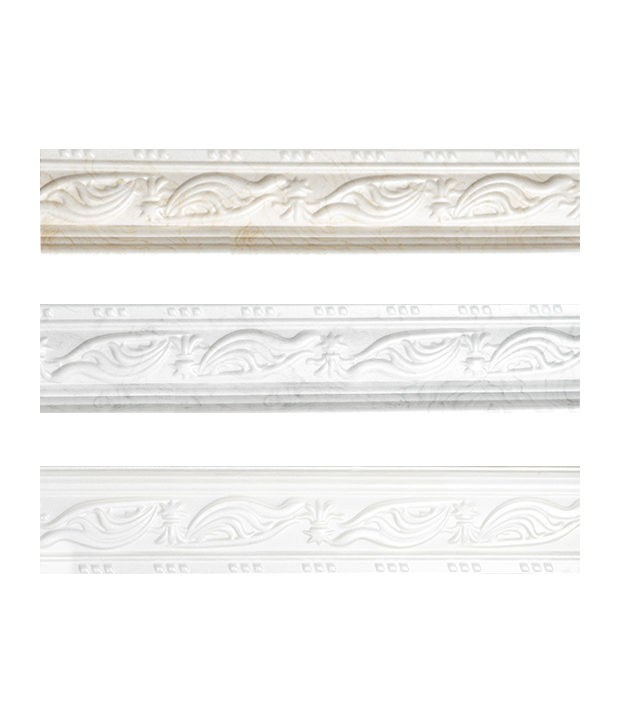 EPS Crown Molding T-20
-
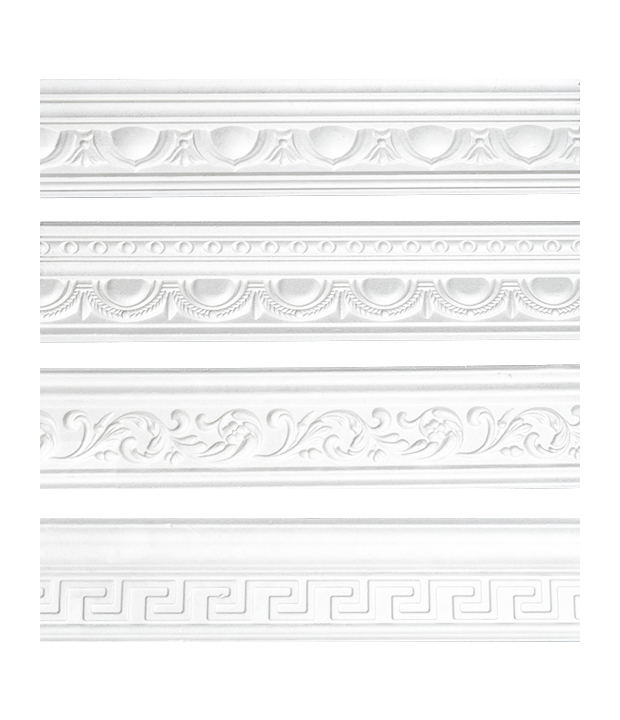 EPS Crown Molding B-06 B-08 B-10 B-12
-
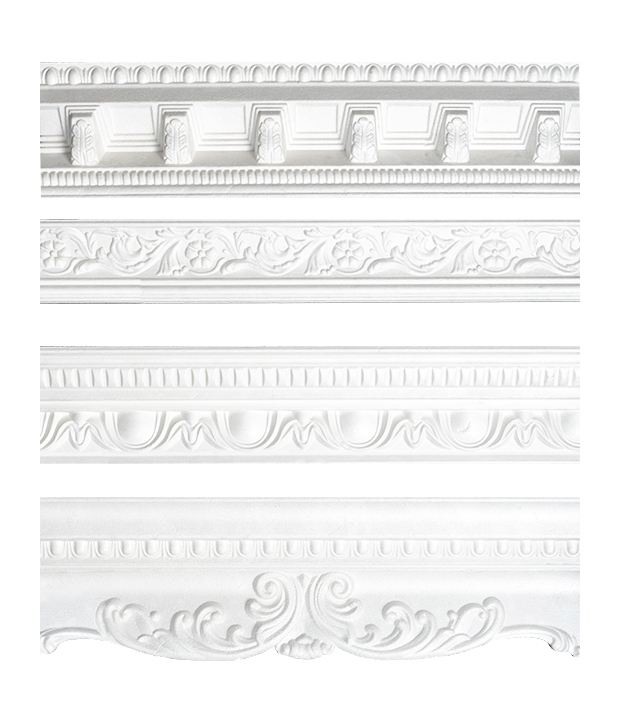 EPS Crown Molding B-22 B-20 B-24 B-18
-
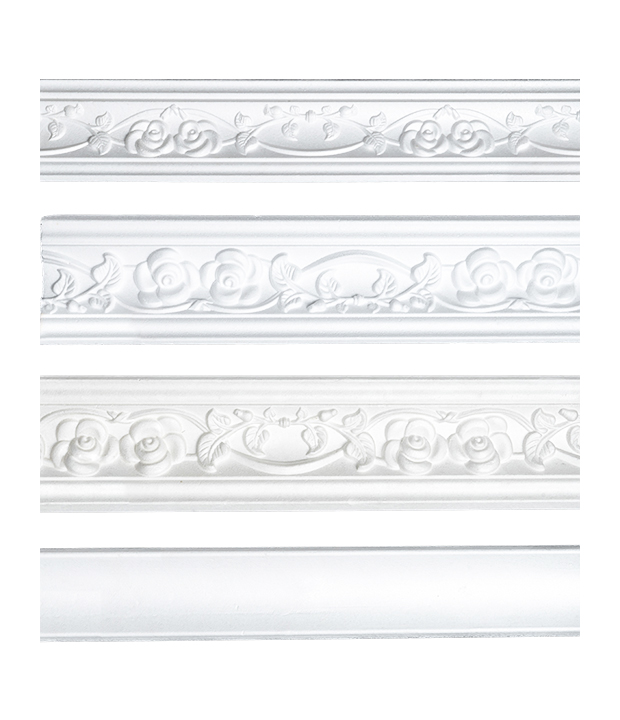 EPS Crown Molding B-26-1 B-26-2 B-26 B-16
-
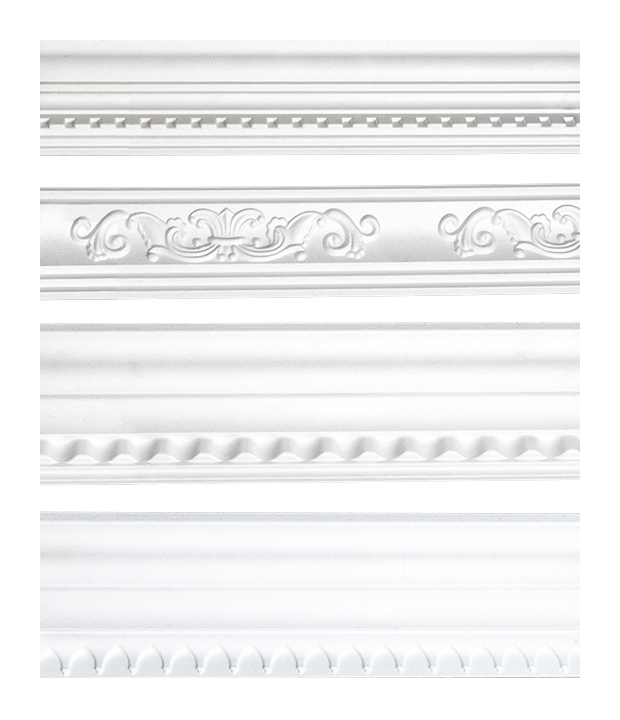 EPS Crown Molding B-30 B-28 B-34 B-32
-
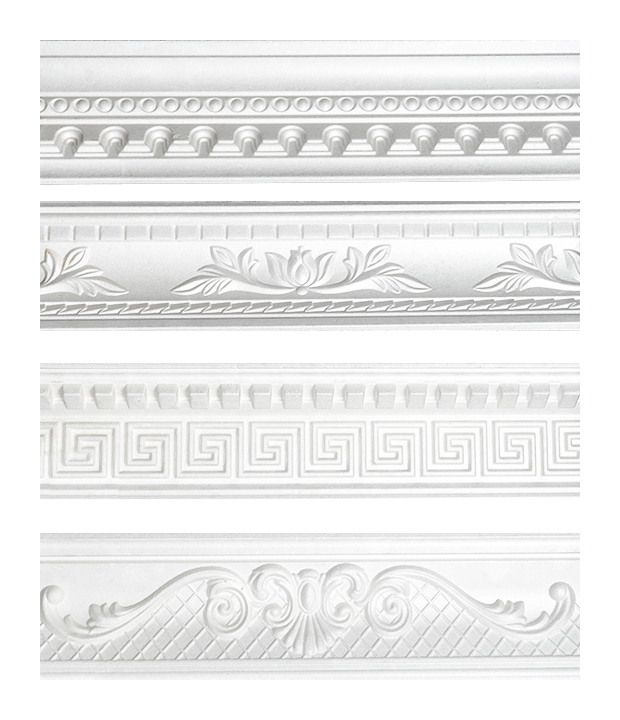 EPS Crown Molding B-42 B-40 B-38 B-36
-
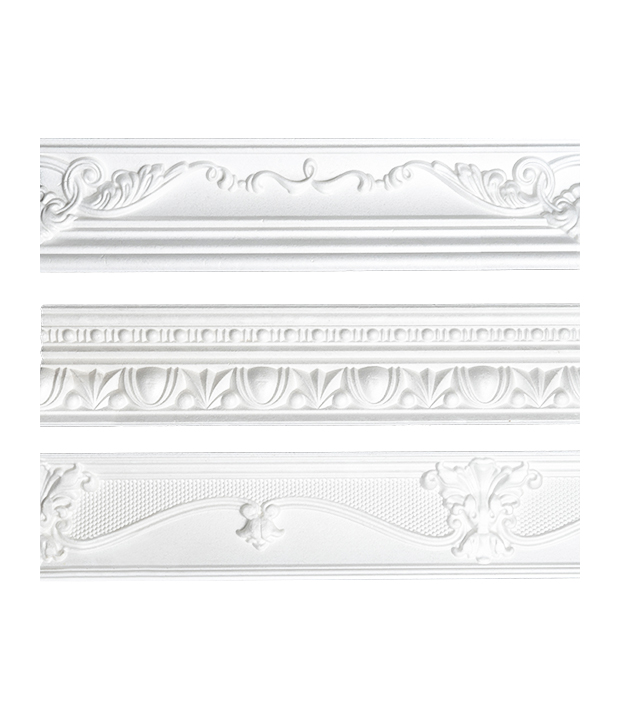 EPS Crown Molding B-60 B-44 B-58
-
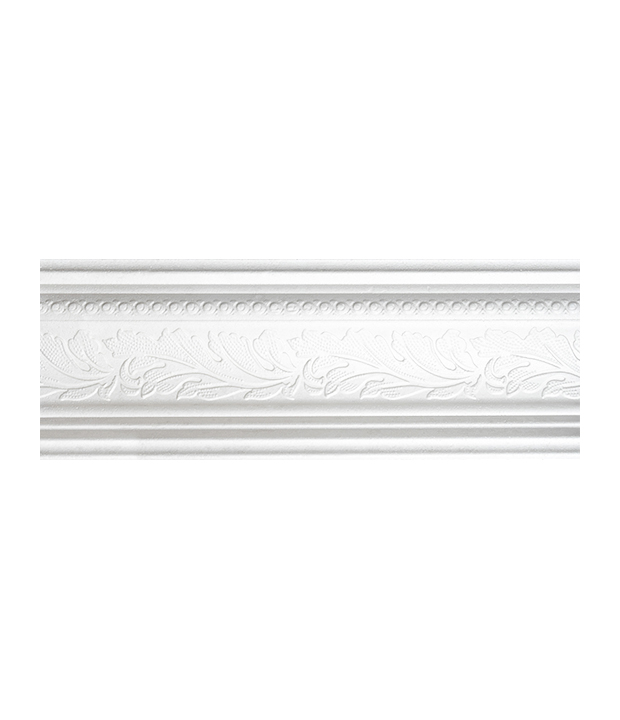 EPS Crown Molding B-56
News
-
-
Introduction What is an EPS Ceiling Medallion? An EPS Ceiling Medallion refers to a decorative ceiling feature made from Expanded Polystyrene (EPS), a type of lightweight foam material. Commonly used ...
READ MORE -
What is a Ceiling Medallion, and How Does it Change the Visual Proportion of Interior Space? In the realm of high-end interior design, the ceiling is no longer an overlooked surface. Often referred to...
READ MORE
Contact info.
- Cell:+86-15951909824 (Amanda)
- Email: amanda@ever-growing.net / 363526407@qq.com
- Add: No.5, Yanhe Rd, Ganduo Indsutrial Park, Gaoyou, Yangzhou, Jiangsu, P.R.O.C.
Quick Links
Copyright © Yangzhou Ever-Growing International Co.,Ltd. All Rights Reserved.
Wholesale Precision Foam Interior Decoration Manufacturers