

 English
 中文简体
 Español
In the evolution of architectural design, thermal comfort has always been a core metric for measuring quality of life. From open fires to cast-iron radiators and now to radiant heating systems, the un...
READ MORE
Precision Foam Interior Decoration: Materials, Benefits, and Buying Guide
Oct 22,2026 ------ Industry News
Interior fit-outs often hit the same two problems: decorative profiles look heavy and expensive, or cheap substitutes warp, crack, and exaggerate every uneven seam. Precision foam interior decoration solves both by replacing traditional plaster, wood, and MDF with dense, stable, and precisely machined foam profiles. When the material and production process are controlled properly, these components deliver clean ceiling lines, stable wall trims, and even functional underfloor panels that install faster and stay straight for years.
What Counts as Precision Foam Interior Decoration?
Precision foam interior decoration is a broad category for lightweight architectural elements cut or molded from closed-cell foams such as EPS, XPS, PS, and PU. The word "precision" is what separates these products from ordinary packing foam. Every profile is designed to meet a defined dimension, a square edge or smooth radius, and a surface that can be painted or finished without obvious grain.
Typical applications include ceiling medallions around chandeliers, decorative ceiling tiles in entrance halls, crown molding along wall-ceiling junctions, PS skirting boards, and EPS or XPS underfloor heating panels. The product family can be organized like this:
- Ceiling decoration
- Ceiling medallions (EPS, PU)
- Ceiling tiles (EPS, PU, PVC)
- Wall and floor trims
- Crown molding (EPS, PS, PU, XPS)
- PS skirting boards
- Functional panels
- EPS and XPS underfloor heating panels
Material Selection Matters More Than the Profile Shape
The same profile shape can be produced in EPS, PS, PU, or XPS, but the final performance is very different. Material selection is therefore the first precision decision you make.
| Material | Typical density | Surface character | Moisture resistance | Best suited for |
|---|---|---|---|---|
| EPS | 15–25 kg/m3 | Fine bead texture; requires coating before painting | Good when fully sealed | Large ceiling tiles, ceiling medallions, custom shapes |
| PS | 20–35 kg/m3 | Denser, smooth machined surface | Good | Skirting boards and moldings with sharp detail |
| PU | 30–50 kg/m3 | Smooth, hard, paint-ready surface | Very good | High-end medallions and detailed crown molding |
| XPS | 28–45 kg/m3 | Uniform closed-cell structure | Excellent | Underfloor heating panels and damp-area trims |
From an installer's point of view, the most important differences are edge quality, paint compatibility, and resistance to humidity. EPS offers low cost and easy cutting, but it must be coated to avoid showing beads and to accept paint evenly. PU has a harder surface, so it holds crisp details and resists dents during transport. XPS is not as common for ornate trim, but its closed-cell structure and compressive strength make it the right choice for underfloor heating boards.
Five Practical Benefits That Change Project Outcomes
Once the material is selected, precision manufacturing creates benefits that appear on site and in the final finish.
Lighter ceilings and simpler fixing
Traditional plaster medallions are heavy. An equivalent EPS or PU medallion can weigh 80–90% less, which means fewer workers, simpler adhesive application, and less stress on old ceiling structures.
Consistent replication across large orders
When a contractor orders thousands of identical crown molding corners, each piece should match the approved sample. CNC cutting and molded tooling hold a consistent radius and angle, reducing adjustment time at every joint.
Lower crack and maintenance risk
Wood expands, plaster cracks, and MDF swells when exposed to dampness. Closed-cell foam does not absorb moisture the same way, and PU and XPS products are particularly stable. This makes precision foam decoration a reliable choice for commercial corridors, stairwells, and bathrooms.
Custom geometry without expensive plasterwork
Curved walls, angled ceilings, and non-standard column details are time-consuming to build in wood or plaster. Foam blanks can be cut into almost any geometry, from a circular ceiling medallion to a curved skirting profile.
Combined decorative and insulation value
Underfloor heating panels are a good example: EPS or XPS boards are routed with precise grooves for heating pipes, while the same panel provides thermal insulation and a level base for the finished floor.
How a Precision Foam Manufacturer Controls Quality
Precision is not only a machine setting. In a mature foam factory, quality starts with material density and continues through cooling, cutting, coating, and packaging. A production base of 30,000 square meters, supported by teams that have worked with foam for 30 years, can handle complex profiles without losing consistency.
- Material selection and density check: the foam density must match the intended profile strength and the expected site conditions.
- Mold or CNC path design: profile geometry is converted into a machining path that controls radius and depth.
- Controlled cutting or molding: machine speed and temperature are regulated to avoid rough edges.
- Surface coating and reinforcement: a coating can improve paintability and hide EPS bead texture.
- Dimensional inspection: finished pieces are checked against drawings and tolerances.
- Protective packaging for export: corner protectors and flat cartons prevent transport damage.
Installation and Finishing: Getting the Details Right
Even a perfectly made foam profile can fail if the installation method is wrong. These rules cover most problems:
- Use the right adhesive. Solvent-based adhesives can dissolve EPS. Choose a foam-safe adhesive or a construction adhesive designed for foam substrates.
- Fill joints with flexible filler. Small temperature movement can create hairline cracks; a flexible filler and light sanding keep the joint invisible.
- Apply water-based paints unless the factory confirms another system. Solvent-based thinners are a common cause of surface melting.
- Protect profiles during transport and storage. Store them flat, away from direct sunlight, and remove them from the pallet only when ready to install.
Procurement Checklist for Interior Decorators, Builders, and Importers
Buyers who specify precision foam decoration should evaluate more than the product photo. Ask for information that proves the supplier can hold the required quality.
- Request density and raw material specifications for the proposed foam grade.
- Ask for dimensional tolerance data and a cutting sample for complex profiles.
- Confirm whether the surface is coated and which paint systems are compatible.
- Check the corner joint design for crown molding and skirting profiles.
- Verify packaging, especially for export shipping and long storage periods.
- Confirm production capacity and lead time in relation to your project schedule.
Low-priced foam decoration is a risky purchase when the density is too low, the coating is thin, or the profile is packed in soft cartons. These details show up at the installation site, not in the product photo.
Precision foam interior decoration is not one material or one profile. It is a process that combines material science, accurate tooling, and practical finishing knowledge. For an interior fit-out, that process reduces labor, weight, and maintenance while keeping the architectural style clean. For an importer or contractor, the safest approach is to work directly with a manufacturer that can design, produce, coat, and pack the parts under one roof. With 30 years of foam production experience and a 30,000 square meter facility, that kind of partner can turn a detailed drawing into a reliable order.
our featured products.
Discover the timeless beauty and craftsmanship of Evergrowing through our featured products.
-
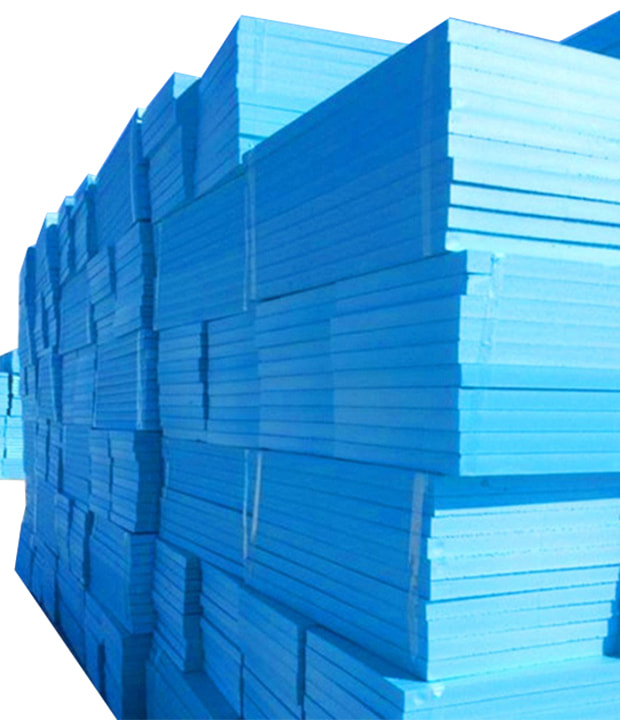 XPS underfloor heating panel
-
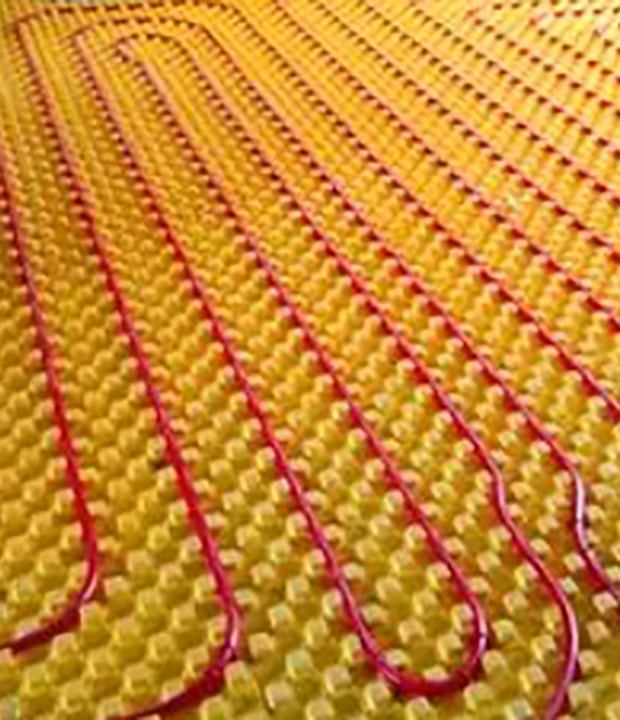 EPS underfloor heating panel
-
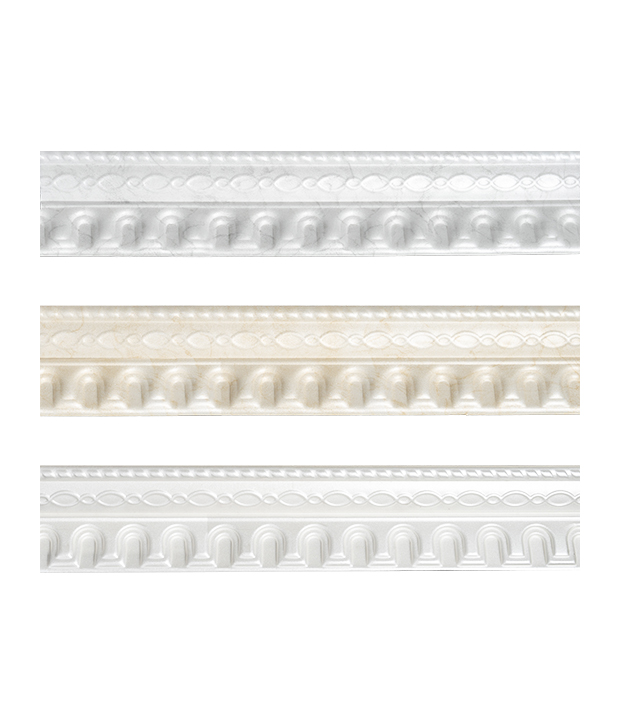 EPS Crown Molding T-06
-
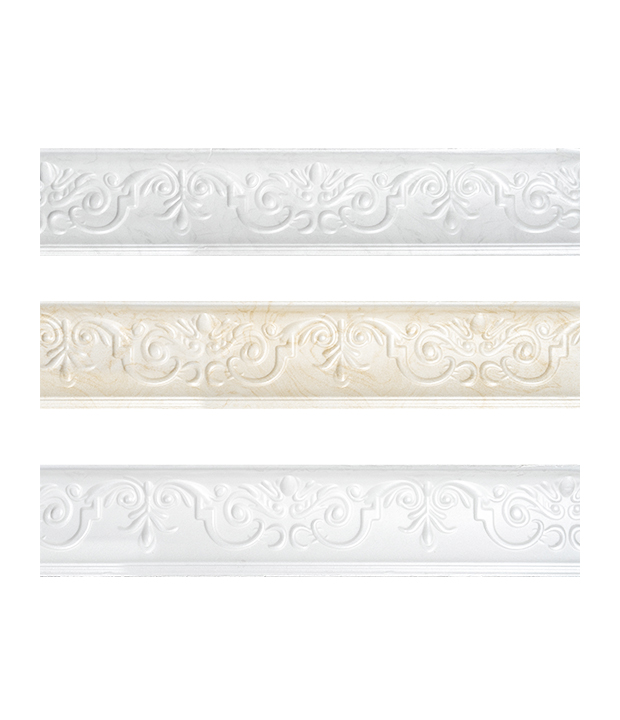 EPS Crown Molding T-04
-
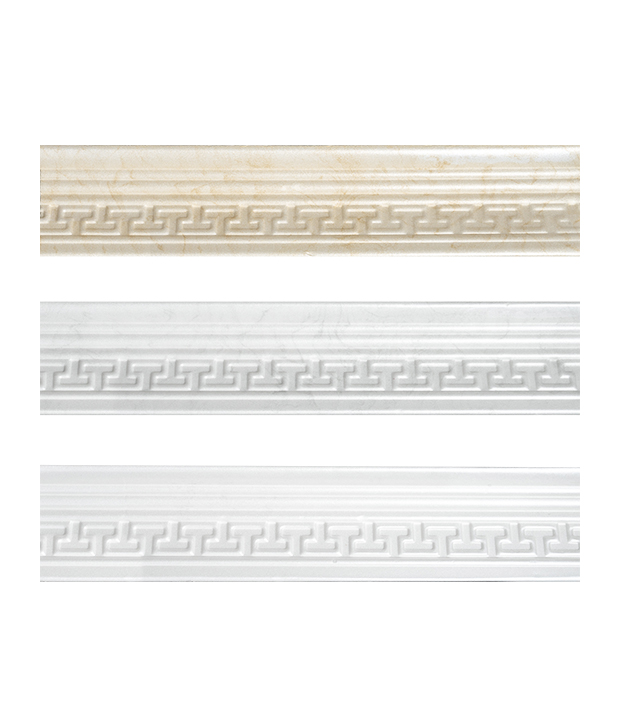 EPS Crown Molding T-02
-
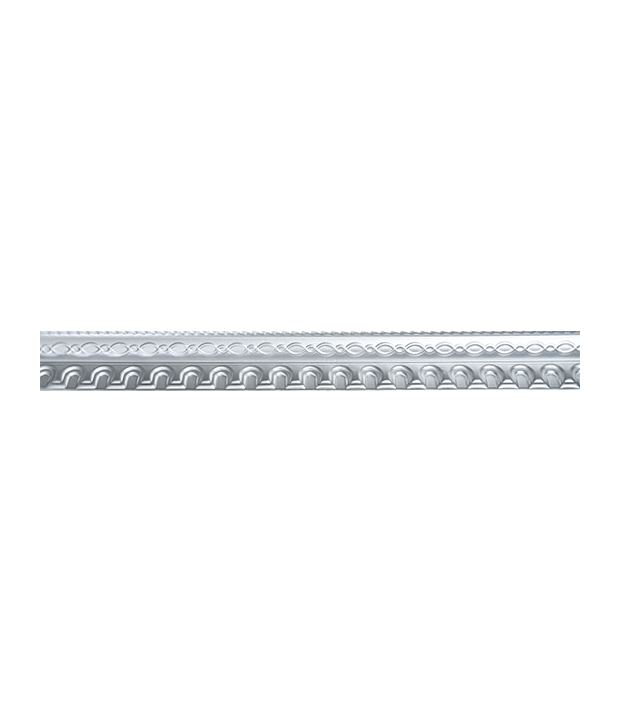 EPS Crown Molding
-
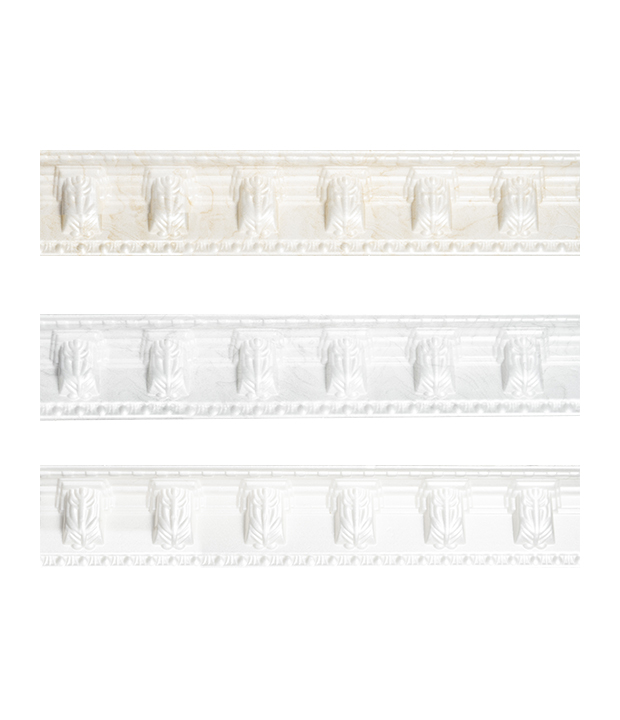 EPS Crown Molding T-18
-
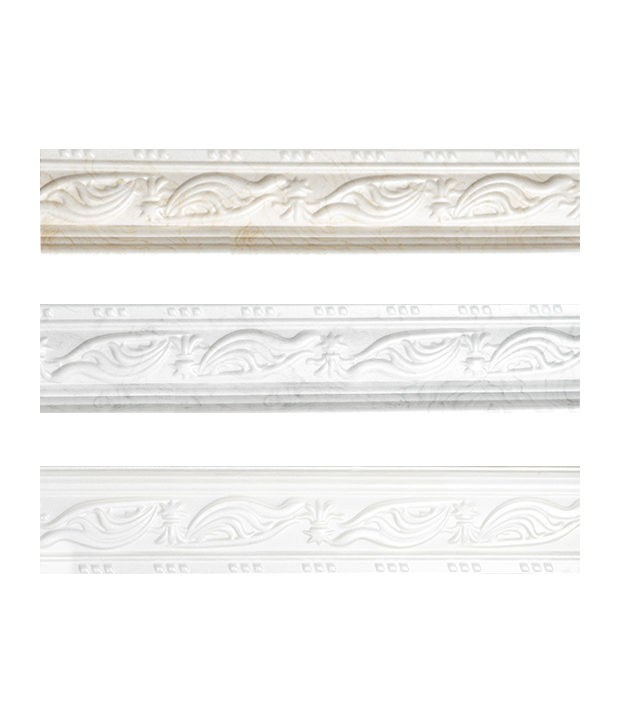 EPS Crown Molding T-20
-
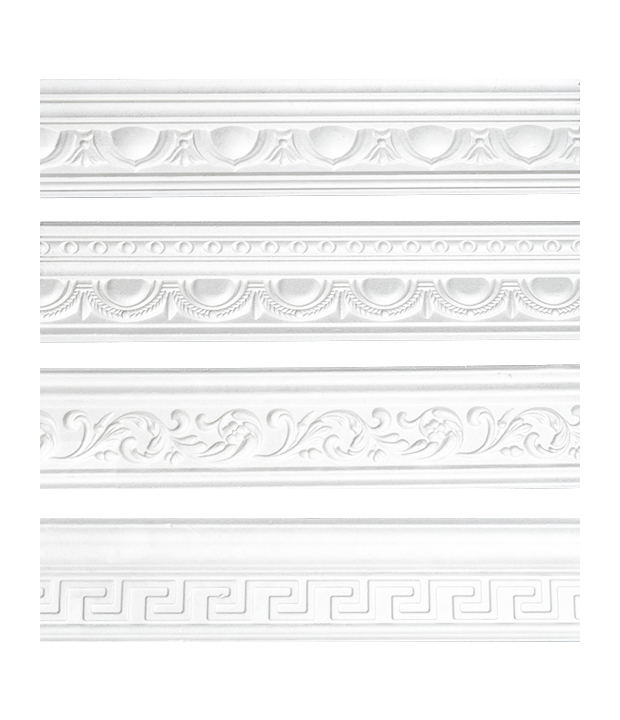 EPS Crown Molding B-06 B-08 B-10 B-12
-
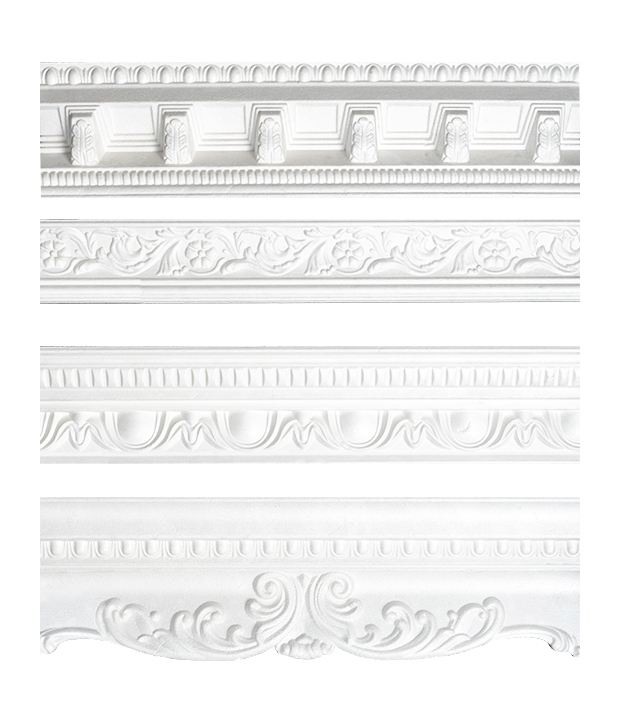 EPS Crown Molding B-22 B-20 B-24 B-18
-
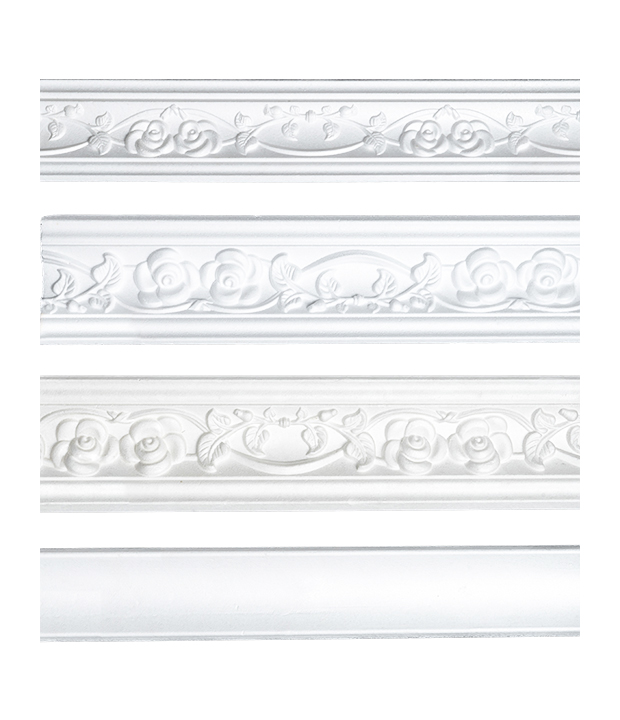 EPS Crown Molding B-26-1 B-26-2 B-26 B-16
-
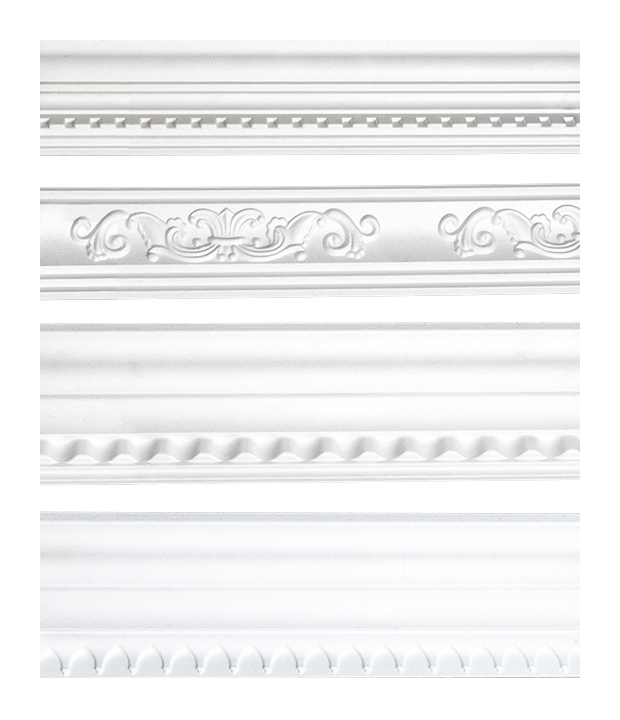 EPS Crown Molding B-30 B-28 B-34 B-32
-
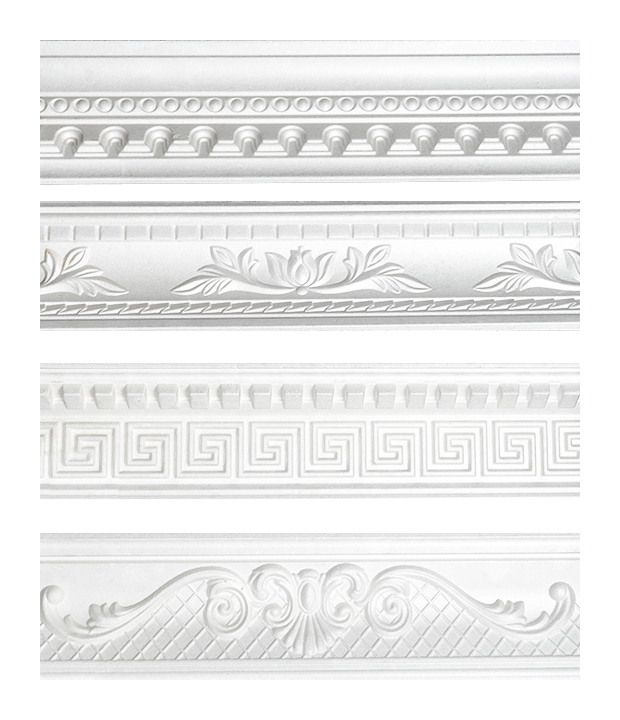 EPS Crown Molding B-42 B-40 B-38 B-36
-
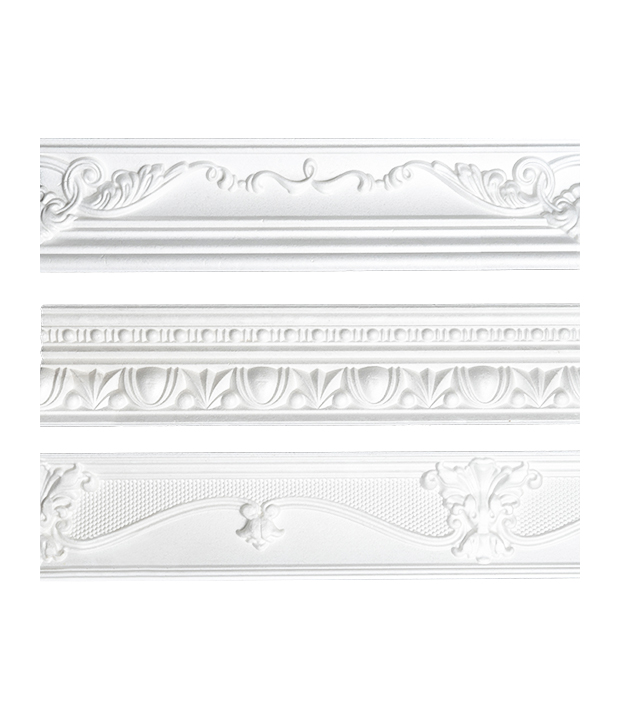 EPS Crown Molding B-60 B-44 B-58
-
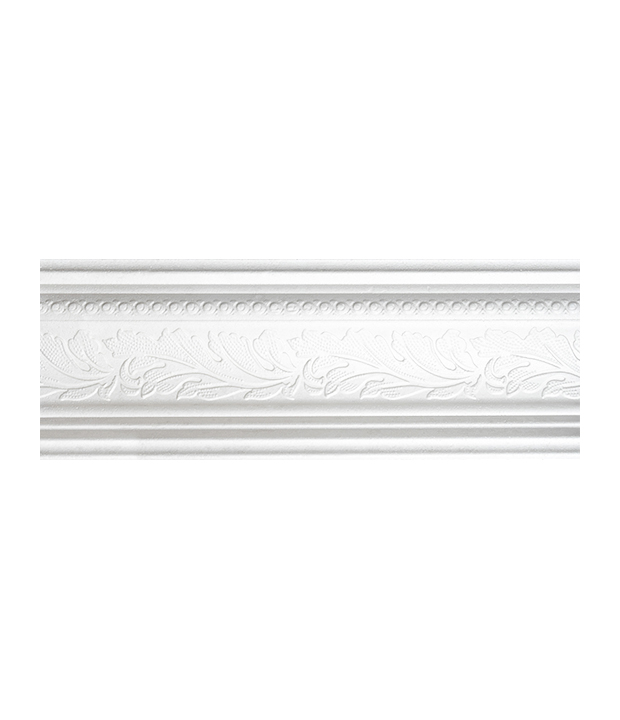 EPS Crown Molding B-56
News
-
-
Introduction What is an EPS Ceiling Medallion? An EPS Ceiling Medallion refers to a decorative ceiling feature made from Expanded Polystyrene (EPS), a type of lightweight foam material. Commonly used ...
READ MORE -
What is a Ceiling Medallion, and How Does it Change the Visual Proportion of Interior Space? In the realm of high-end interior design, the ceiling is no longer an overlooked surface. Often referred to...
READ MORE
Contact info.
- Cell:+86-15951909824 (Amanda)
- Email: amanda@ever-growing.net / 363526407@qq.com
- Add: No.5, Yanhe Rd, Ganduo Indsutrial Park, Gaoyou, Yangzhou, Jiangsu, P.R.O.C.
Quick Links
Copyright © Yangzhou Ever-Growing International Co.,Ltd. All Rights Reserved.
Wholesale Precision Foam Interior Decoration Manufacturers