Compared to other types of foam moldings, what unique advantages do foam moldings offer in terms of weight, strength, and processability?
Foam moldings are a type of lightweight, high-performance material widely used in various industries, particularly in construction, packaging, automotive, and home furnishings. One of their greatest advantages is their unique benefits in terms of weight, strength, and processability compared to other traditional materials such as metal, wood, and glass.
Weight Advantages:
Foam moldings are typically composed of foam materials with many small air bubbles, which makes them very lightweight. For example, EPS (expanded polystyrene) and XPS (extruded polystyrene) materials have low densities, making them ideal for applications requiring lightweight materials. The lightweight nature of foam moldings offers significant advantages in the construction and transportation industries.
- Reduced transportation costs: Due to the lightweight of foam moldings, transportation costs are significantly reduced. This is especially beneficial in the packaging and construction industries, reducing logistics costs and the labor and mechanical burden during handling.
- Reduced energy consumption: For example, when using lightweight EPS boards as insulation in buildings, the building's self-weight is lighter, and the design requirements for infrastructure and structures are relatively reduced, thus reducing energy consumption during the construction process.
Strength Advantages:
Despite their light weight, foam moldings typically possess excellent strength, particularly in compressive strength and impact resistance. This is because the air bubbles in the foam structure are not completely hollow but filled with air, which allows the foam material to provide support when subjected to pressure.
- Compressive strength: XPS foam, for example, has high compressive strength, making it commonly used in construction for foundations, basement walls, and other areas that need to withstand heavy loads. Even under high pressure, XPS foam maintains its structural stability.
Cushioning properties: Another major advantage of foam moldings is their excellent cushioning properties. For example, EPP (expanded polypropylene) foam is used in the automotive industry for components such as seats and headrests, effectively absorbing impact forces during collisions and thus protecting passenger safety.
Processing Advantages:
The processability of Foam Moldings is one of its most significant advantages. Due to the unique nature of its material structure, foam products can be processed and customized very flexibly, meeting the requirements of different fields and applications.
- Molding and Customization: Compared with traditional materials such as plastics and metals, Foam Moldings can be easily molded through processes such as hot pressing, injection molding, and extrusion. The shape and size of the products can be customized according to requirements. This gives Foam Moldings high application value in fields such as architectural decoration, home furnishings, and packaging products.
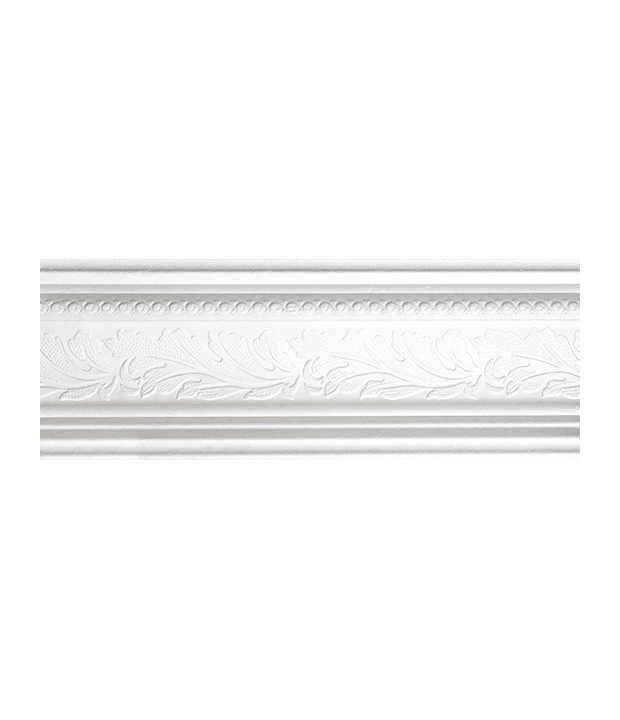
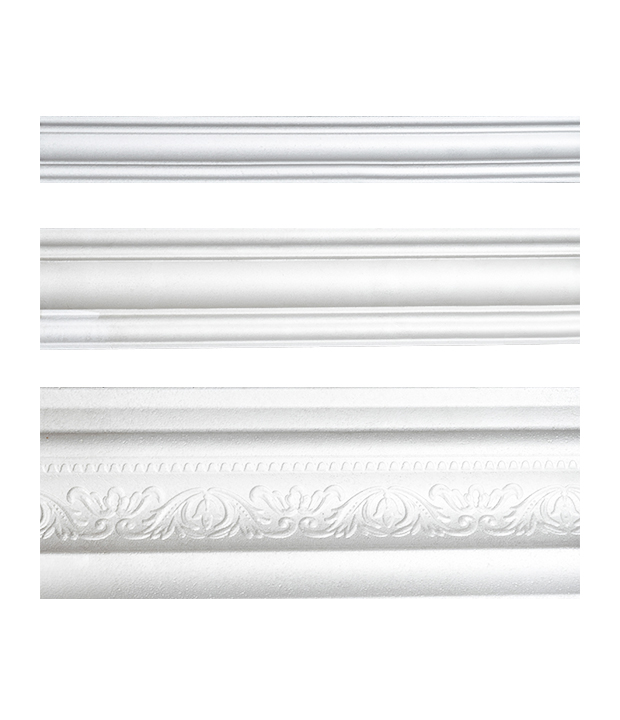
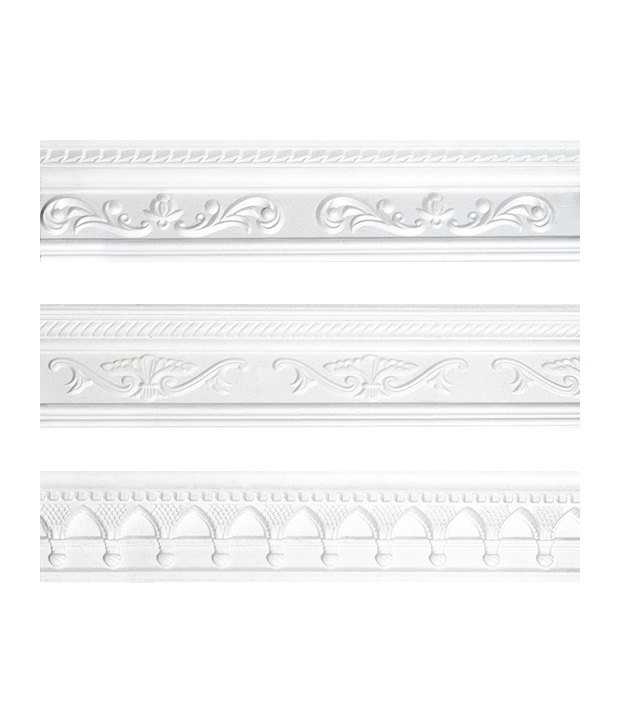
- Precision Processing: Foam Moldings can be manufactured with very fine structures and complex geometric shapes through precision processing techniques, adapting to the high demands for aesthetics and functionality in modern architecture and design. For example, EPS decorative moldings not only have high aesthetic value but also possess good anti-aging and corrosion resistance properties.
What are some commonly used foam moldings? What are the characteristics and application ranges of EPS (Expanded Polystyrene), XPS (Extruded Polystyrene), and PU (Polyurethane)?
Foam moldings are widely used in various industries such as construction, packaging, home furnishings, and automotive, and are mainly made from foam materials such as EPS (Expanded Polystyrene), XPS (Extruded Polystyrene), and PU (Polyurethane). Each material has its unique characteristics and application range. The following are their detailed characteristics and applications.
EPS (Expanded Polystyrene)
Characteristics:
- Lightweight: EPS is a foam material made from polystyrene resin through expansion. Its low density makes it very lightweight, facilitating transportation and handling.
- Excellent thermal insulation: EPS has excellent thermal insulation properties and a low thermal conductivity, effectively reducing energy loss.
- Compressive strength: Although its compressive strength is slightly lower than that of XPS, EPS still performs well in most light-load applications.
Application Range:
- Construction industry: Commonly used for wall insulation, roof insulation, and floor insulation, especially in exterior insulation finishing systems (EIFS).
- Packaging industry: Used as protective material for fragile items such as electronic products and home appliances.
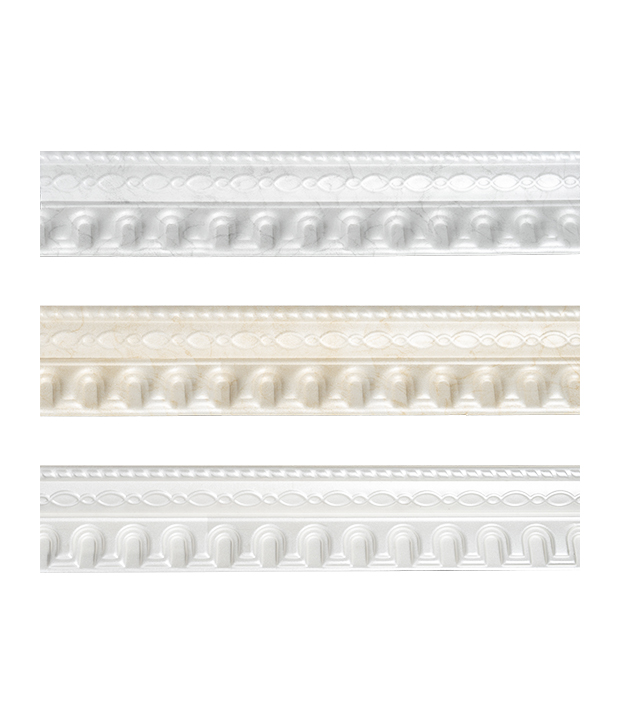
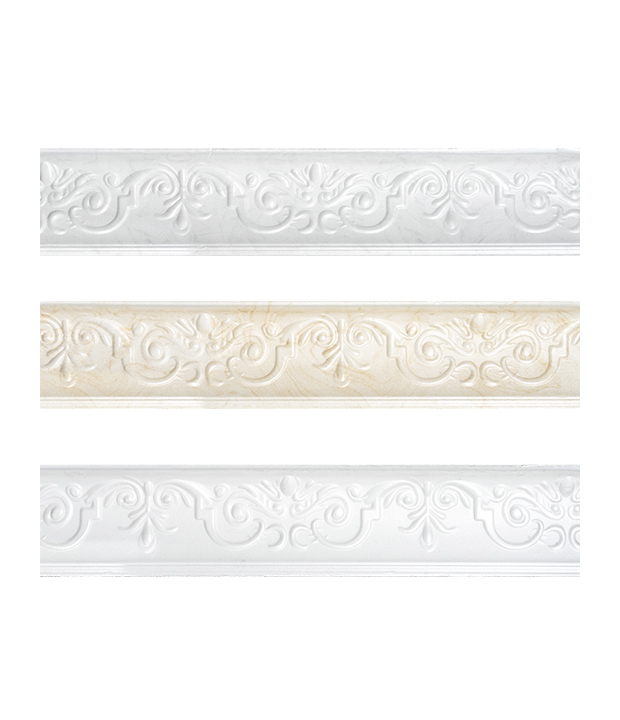
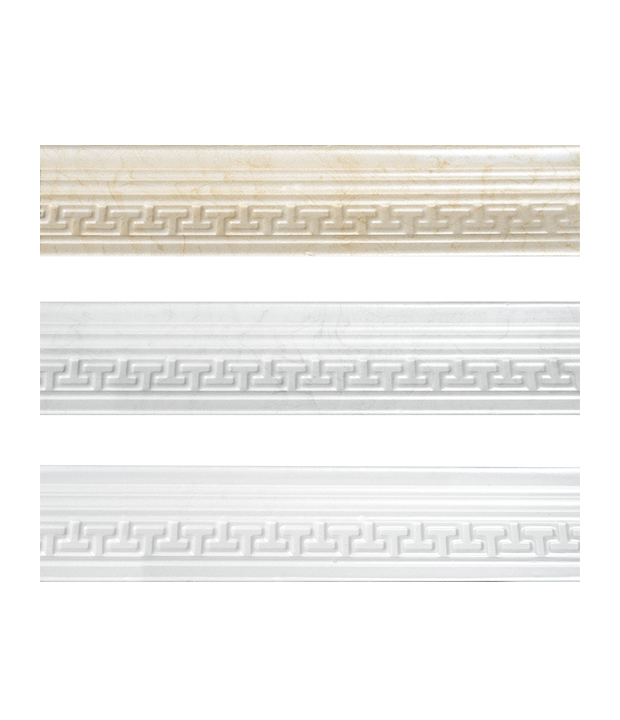
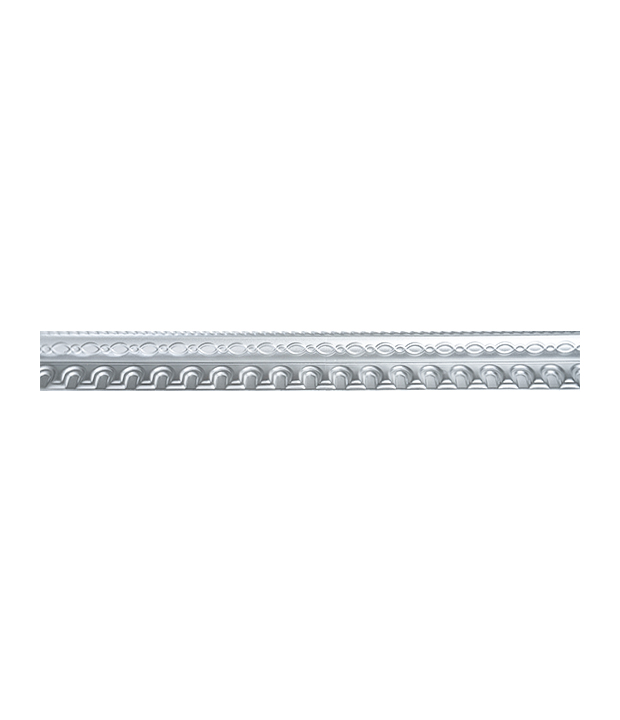
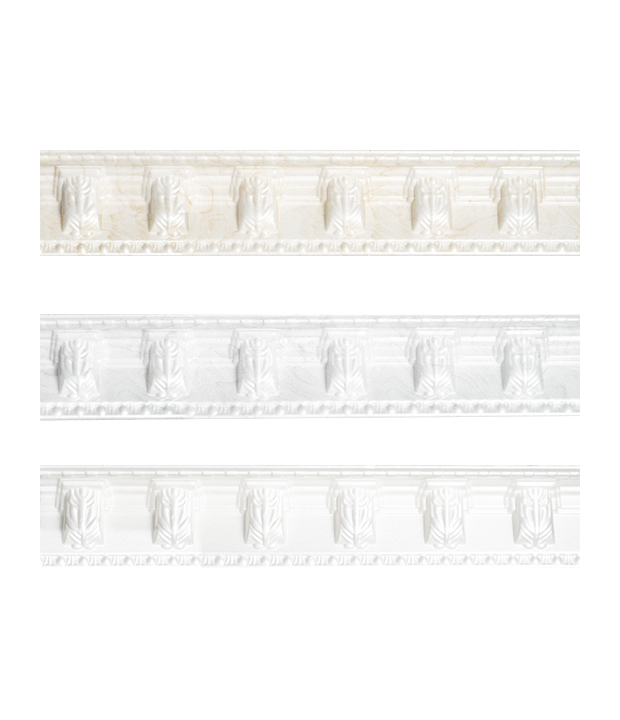
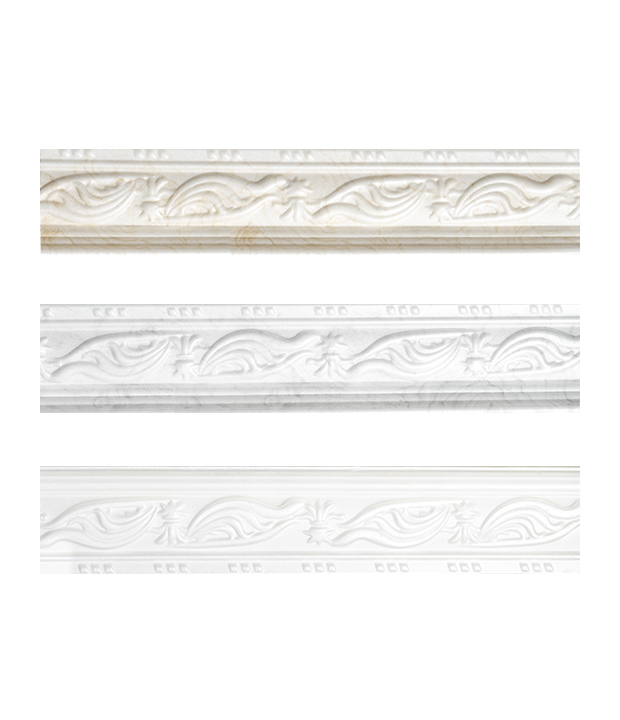
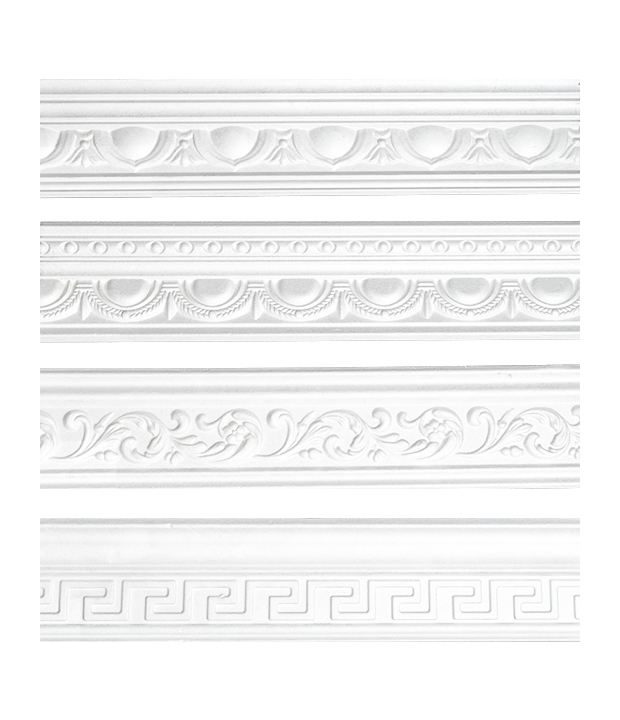
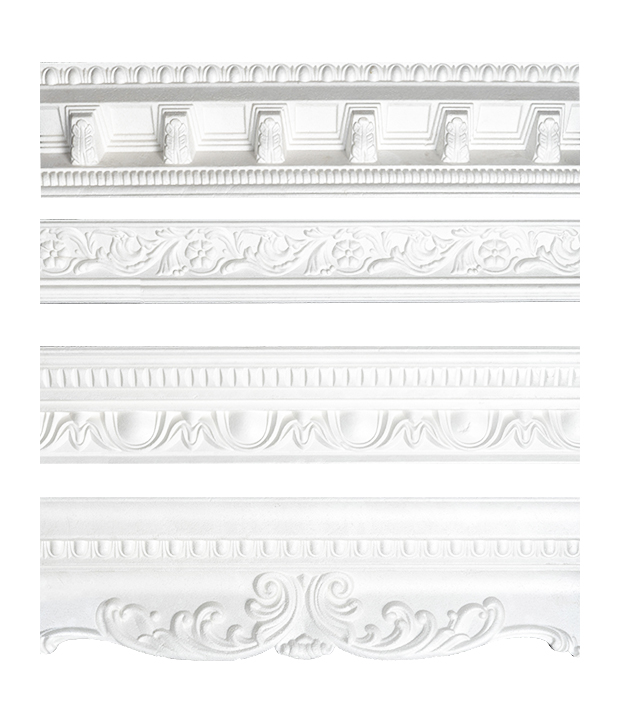
- Home decoration: Used as material for decorative strips, ceiling decorations, and other lightweight structures.
XPS (Extruded Polystyrene)
Characteristics:
- High density and high compressive strength: Compared to EPS, XPS has higher density and compressive strength. Its closed-cell structure allows it to maintain excellent performance in high-pressure and humid environments.
- Moisture resistance: XPS has better waterproof performance than EPS, effectively preventing moisture penetration, and is therefore widely used in humid environments.
- Good thermal insulation: Due to its tight closed-cell structure, XPS provides better thermal insulation performance, suitable for environments with large temperature differences.
Scope of Application:
- Construction Industry: Primarily used for insulation and waterproofing in basements, floors, and roofs.
- Cold Chain Transportation: XPS is also commonly used for insulation and moisture protection in refrigerated truck compartments and cold storage facilities.
PU (Polyurethane)
Features:
- High Density and Strength: PU foam has higher density and strength compared to EPS and XPS, making it suitable for high-strength, heavy-load applications.
- Excellent Thermal and Acoustic Insulation: PU foam has excellent thermal and acoustic insulation properties and is often used in applications requiring insulation and noise reduction.
- Chemical Resistance: PU foam has strong chemical resistance and can withstand some relatively harsh environments.
Scope of Application:
- Construction Industry: Primarily used for high-efficiency insulation and soundproofing in roofs, walls, and basements.
- Home Furnishings Industry: Commonly found in soft materials such as sofas, mattresses, and car seats.
- Industrial Applications: Used in refrigerated transport, sound insulation materials, and car seats.
What are the common applications of Foam Moldings in the construction industry?
Foam Moldings have become a very important component in the construction industry, especially in applications such as insulation, soundproofing, decoration, and lightweight structures, where they offer significant advantages. With the increasing demand for energy efficiency, environmental protection, comfort, and aesthetics in the construction industry, Foam Moldings are becoming increasingly popular, especially EPS (expanded polystyrene), XPS (extruded polystyrene), and PU (polyurethane) foam materials, which play a crucial role in construction projects. Yangzhou Ever-Growing International Co., Ltd., with its extensive global trade experience, excellent quality assurance, and continuous R&D capabilities, can provide customized solutions to meet the ever-changing needs of the construction industry.
Thermal Insulation:
The excellent thermal insulation performance of Foam Moldings is one of their core advantages in the construction industry. Whether it's residential, commercial, or industrial buildings, energy efficiency and a comfortable indoor environment depend on efficient insulation materials.
- Exterior Wall Insulation: In modern buildings, EPS and XPS materials are widely used in exterior wall insulation systems. By installing Foam Moldings on the exterior wall surface, the heat loss of the building can be greatly reduced, thereby reducing energy consumption for air conditioning and heating. XPS, due to its higher compressive strength and excellent waterproof performance, is particularly suitable for exterior wall insulation requiring higher load-bearing capacity and moisture resistance, while EPS is more suitable for light-load applications and offers better cost-effectiveness.
- Roof Insulation: In roof design, XPS is often used as a roof insulation layer due to its excellent water resistance and superior thermal insulation performance, especially in areas with large temperature fluctuations. By using foam materials, the temperature inside the building can be effectively maintained, reducing energy loss caused by heat exchange.
Sound Insulation and Comfort:
In architectural design, noise control is also a very important factor, especially in urban environments and multi-story buildings. PU foam, with its excellent sound insulation performance, is often used in various building components requiring high sound insulation.
- Wall and Ceiling Soundproofing: PU foam is widely used in sound insulation for walls, ceilings, and floors. Due to its high-density structure, PU foam effectively isolates sound transmission, improving the comfort of the indoor environment. It is particularly suitable for multi-family residences, hotels, offices, and other building types requiring sound insulation.
- Floor Sound Insulation: By applying EPS or PU foam materials to floor systems, not only can the sound insulation of the building be improved, but the thermal insulation of the floor can also be increased, enhancing the comfort of living or working environments.
Lightweight Structures and Decoration:
Foam moldings, due to their lightweight and high moldability, are widely used in decorative components and lightweight structural elements of buildings. Compared to traditional building materials, foam materials have a significant advantage in weight, making them easy to install and transport.
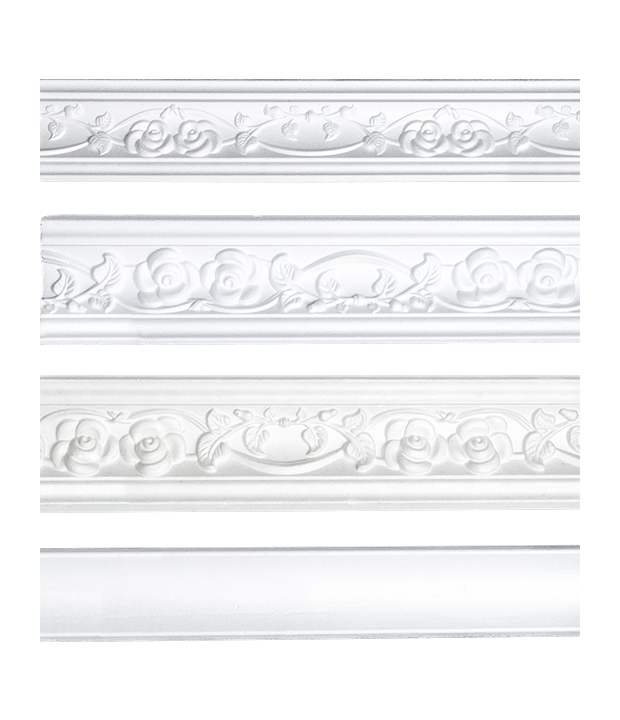
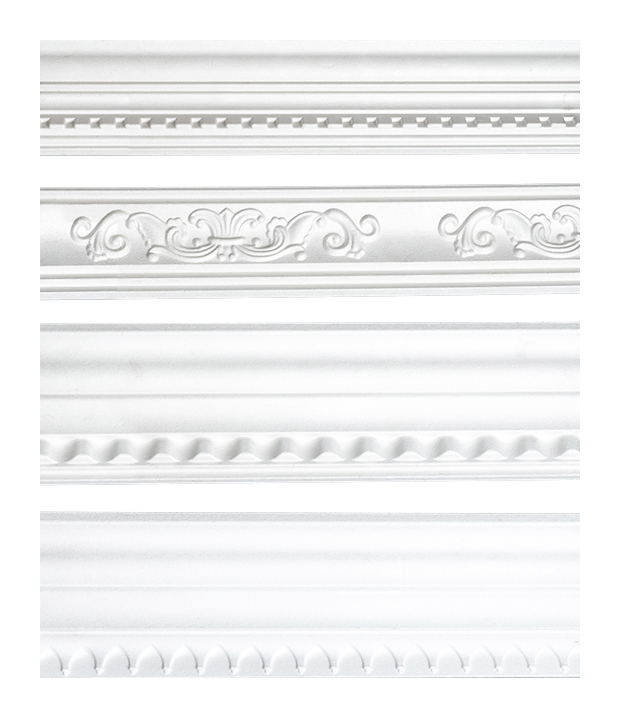
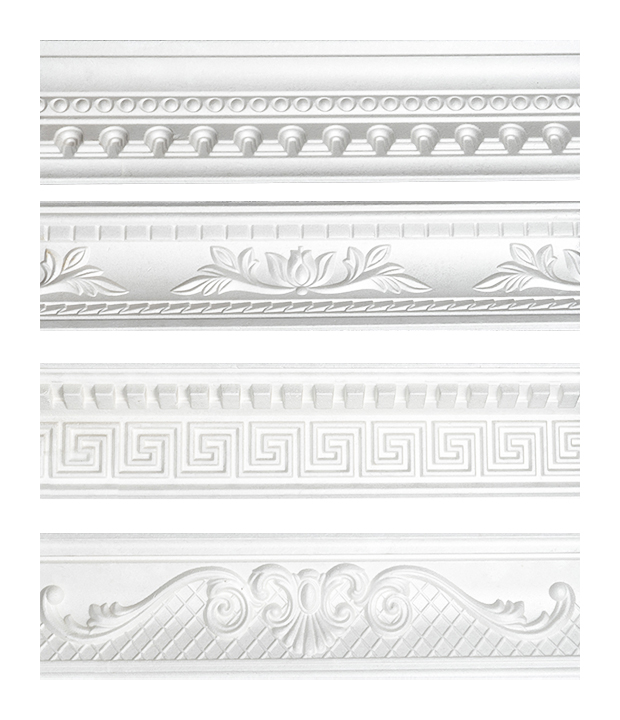
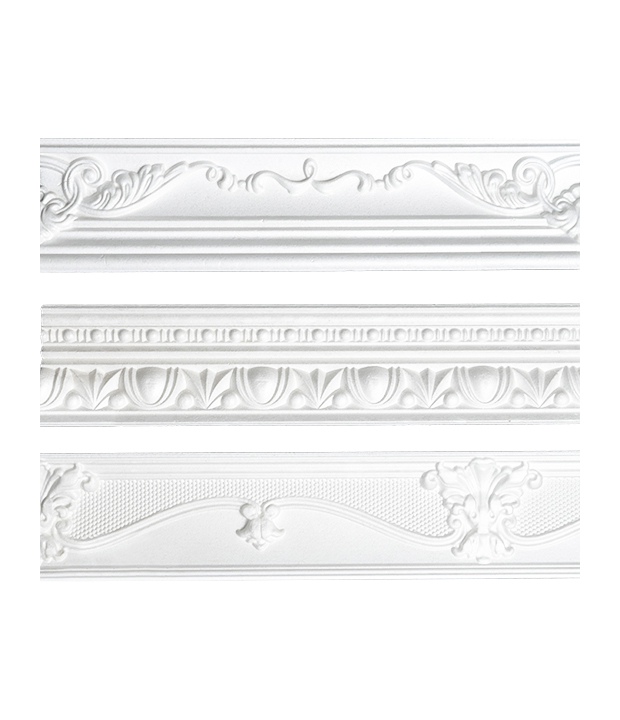
- Decorative Moldings and Ceilings: EPS foam is widely used in architectural decoration. For example, it can be used as decorative strips, columns, window frame moldings, etc., giving buildings a modern and aesthetic appeal. Due to the excellent workability of foam materials, various complex patterns and designs can be easily formed to meet the decorative needs of different clients.
- Lightweight Partitions and Ceilings: In modern buildings, lightweight EPS and PU foam are widely used in lightweight partition walls and ceiling systems. They not only reduce the overall weight of the building but also provide the necessary sound and thermal insulation, while making the construction process more convenient and efficient.
Moisture and Waterproofing:
Buildings, especially basements and ground floor areas, need to withstand the intrusion of humid environments. The closed-cell structure and high-density characteristics of XPS foam give it significant advantages in waterproofing and moisture resistance.
- Basement Insulation and Moisture Protection: XPS is an ideal material for basement, underground pipe, and ground insulation. It not only effectively prevents moisture penetration but also provides good thermal insulation, preventing the impact of humid basement environments on the building structure.
- Waterproof Layer: XPS foam can be used as a waterproof layer in buildings, maintaining good performance even in low-temperature and high-humidity environments, ensuring that the building structure is protected from moisture damage.
Role and Services of Yangzhou Ever-Growing International Co., Ltd.:
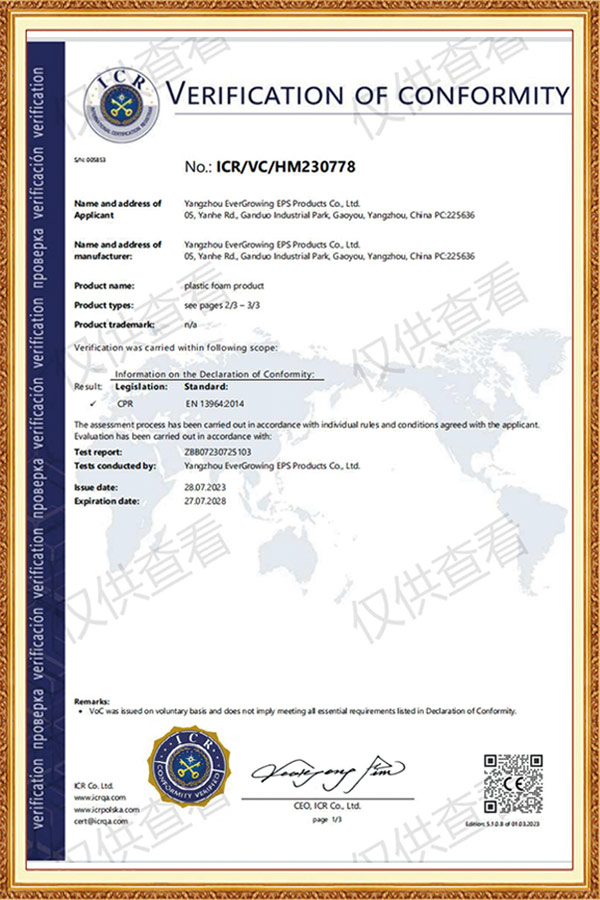
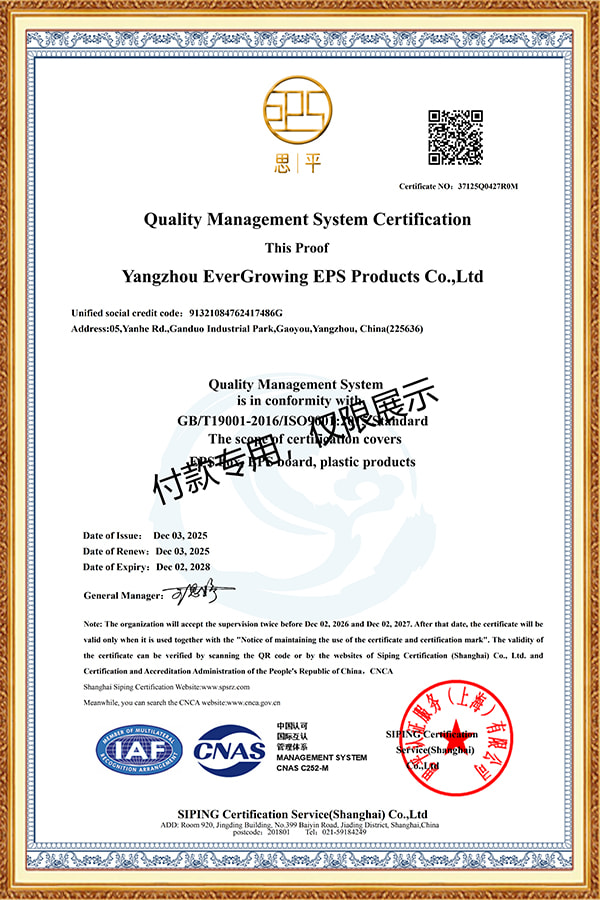
With 30 years of industry experience, Yangzhou Ever-Growing International Co., Ltd. is dedicated to providing high-quality, customized solutions for Foam Moldings applications in the construction industry. The company strictly adheres to ISO-certified quality management systems in its production, ensuring that every batch of products meets international standards.
- Global Trade Experience: The company boasts a broad customer base in the domestic Chinese market and also exports its products to various regions, including Europe, South America, and Africa. Through the ports of Shanghai, Lianyungang, and Taizhou, Yangzhou Ever-Growing International Co., Ltd. provides efficient logistics support to global customers, ensuring smooth cross-border trade.
- Research and Development Innovation: The company collaborates with numerous universities and research institutions to continuously promote product upgrades and the development of new materials for Foam Moldings. Through continuous investment in R&D, Yangzhou Ever-Growing International Co., Ltd. constantly improves product performance to meet the construction industry's demand for new materials, such as enhancing the compressive strength of EPS and XPS and improving the sound insulation of PU.
- Quality and Service Commitment: Yangzhou Ever-Growing International Co., Ltd. is always customer-centric, strictly implementing quality control procedures and providing 24-hour after-sales support services. This not only ensures the superior quality of its products but also provides customers with a worry-free experience.



 English
 中文简体
中文简体 Español