What is EPS (Expanded Polystyrene) and Why is It Popular for Customised Products?
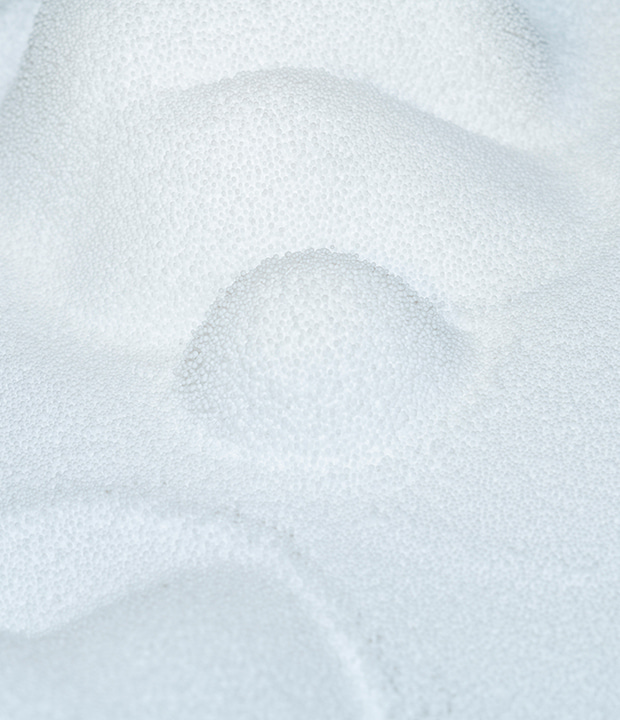
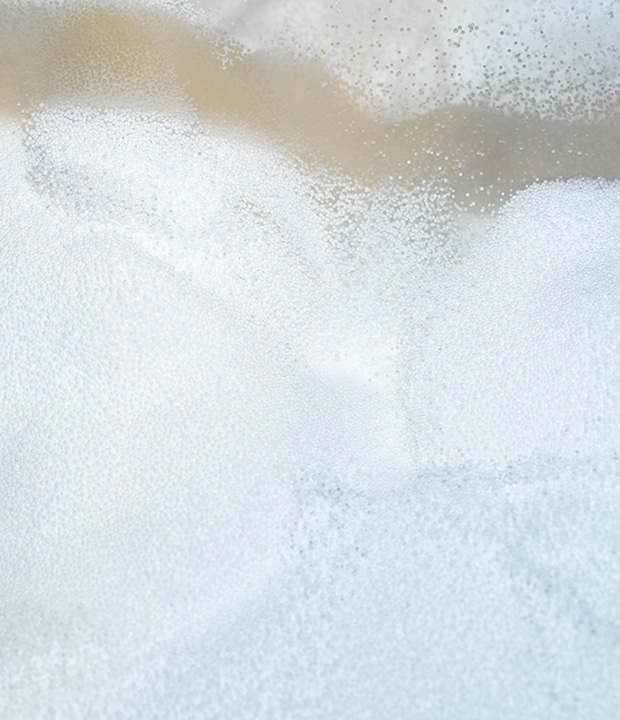
EPS (Expanded Polystyrene) is a type of foam material that is widely used for creating customised products due to its excellent lightweight, insulating, and durable properties. EPS is produced by expanding small polystyrene beads through the application of heat, which causes them to expand and fuse together to create a solid foam structure. This process creates a material that is not only strong and durable but also incredibly lightweight, making it ideal for a wide range of applications, from protective packaging to construction materials.
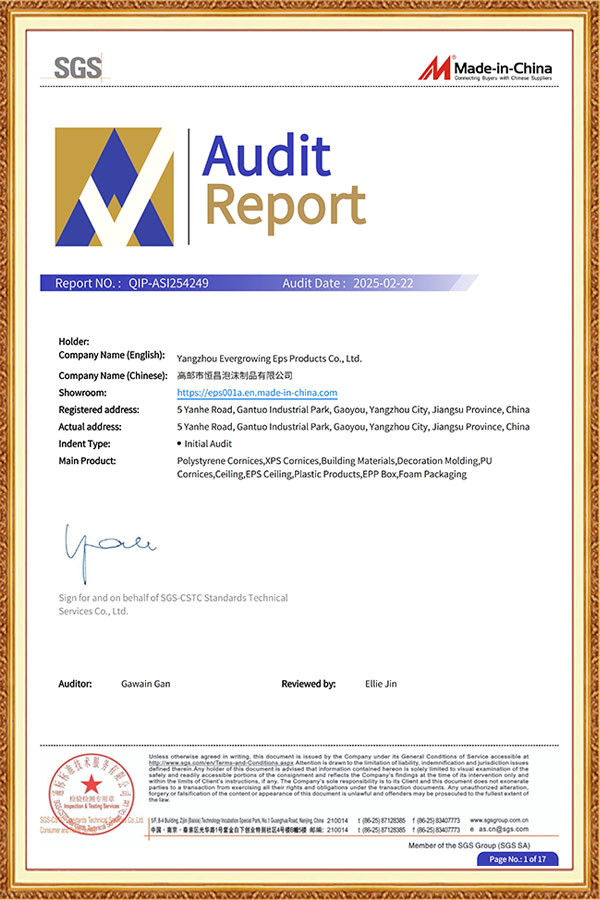
At Yangzhou Ever-Growing International Co., Ltd., we specialize in the production of custom EPS products, tailored to the unique needs of our customers. Our company has over 30 years of experience in manufacturing EPS foam components for industries such as construction, packaging, automotive, and food safety. With our advanced production processes and commitment to quality, we provide our clients with products that ensure superior performance and cost-efficiency.
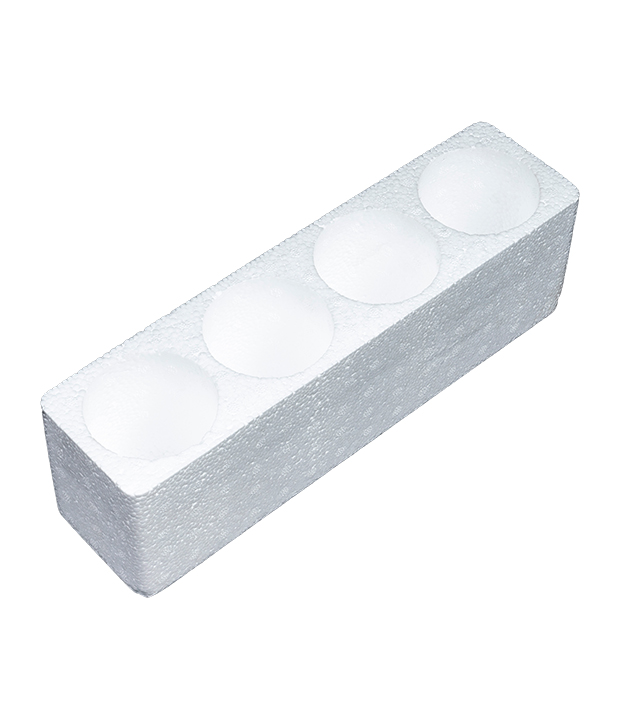
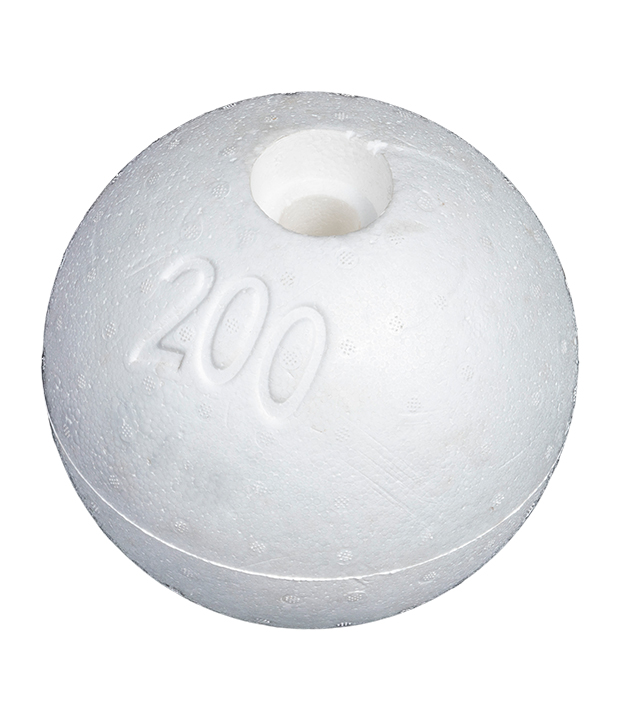
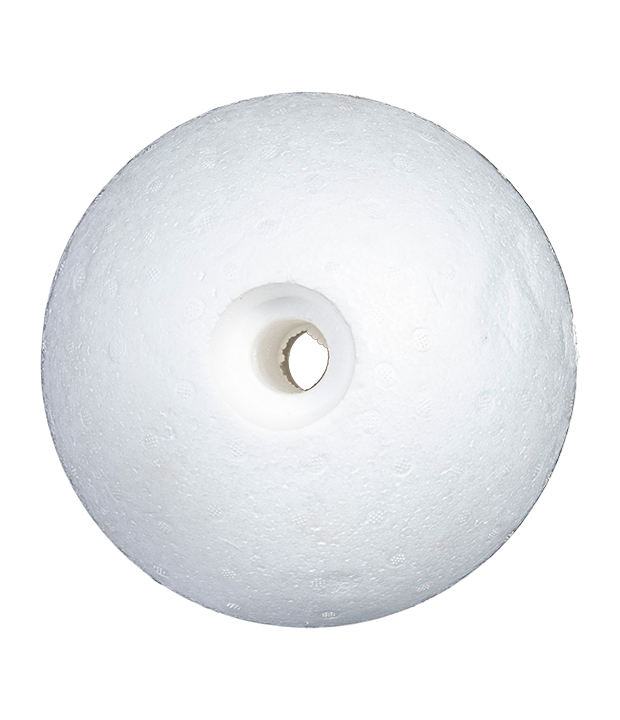
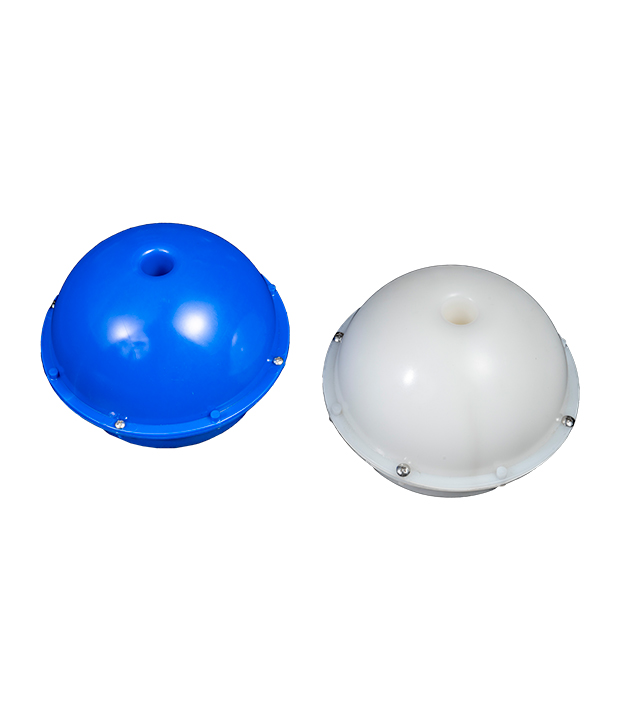
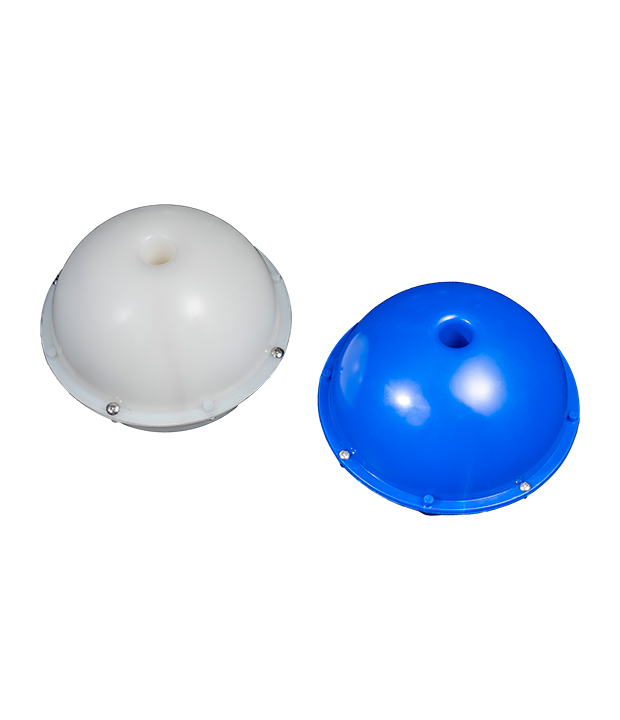
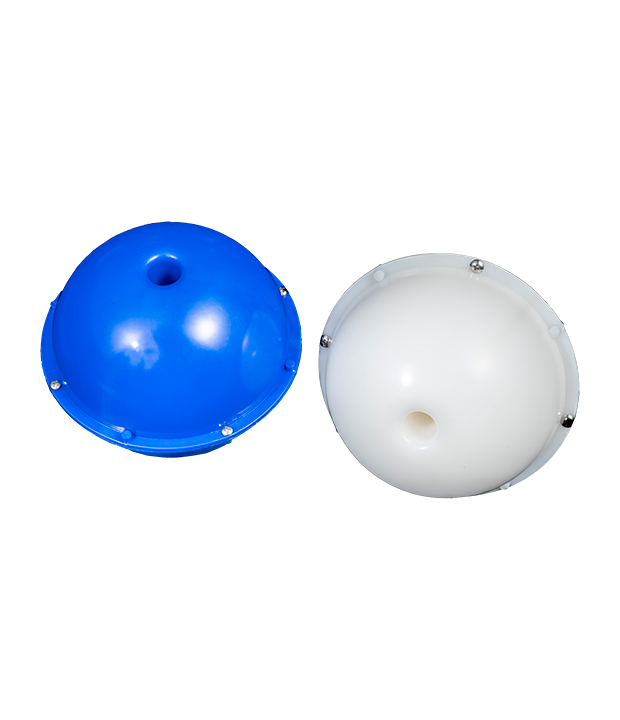
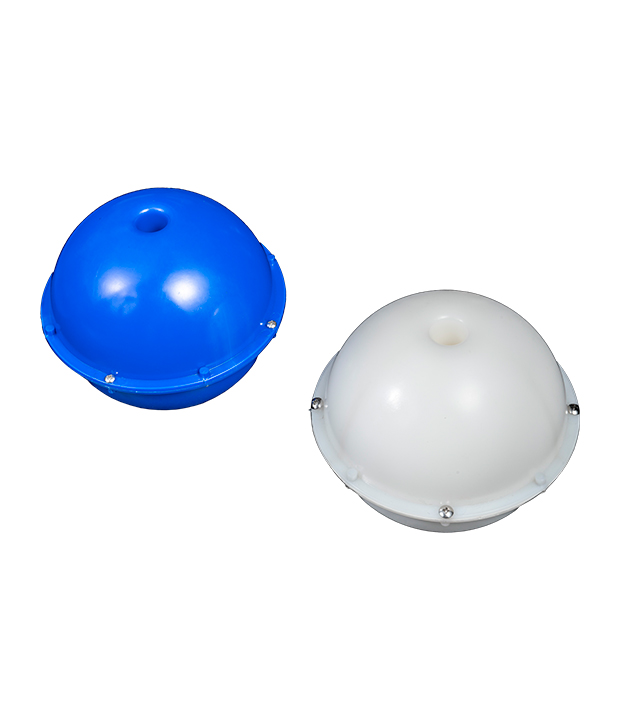
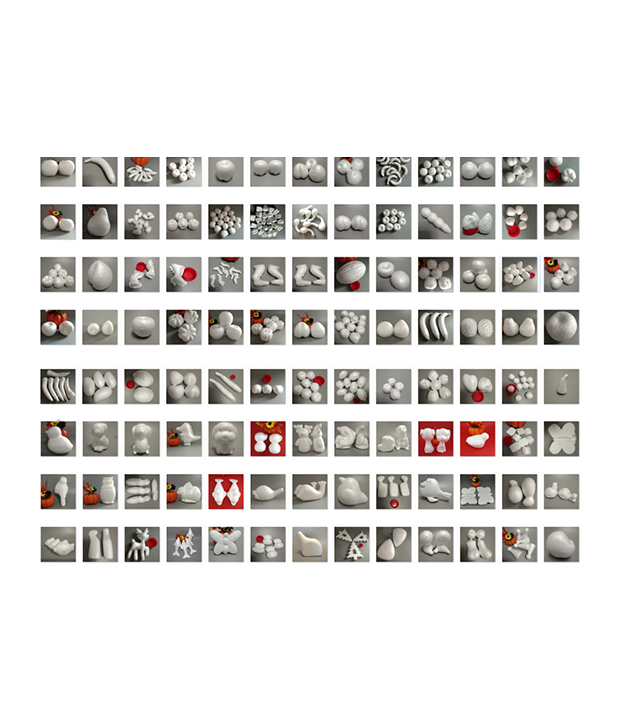
One of the primary reasons EPS is so popular for customised products is its versatility. It can be molded into nearly any shape or size, allowing manufacturers to create products that are perfectly suited for specific applications. This makes EPS an ideal choice for products like foam skirting boards, protective packaging, insulation panels, and even marine buoys. It can be customized to meet specific tolerances and dimensions, which is crucial for industries requiring precision and functionality.
In addition to its physical properties, EPS is also a highly environmentally friendly material. It can be recycled and reused, which reduces its environmental impact compared to other materials. As sustainability becomes increasingly important in manufacturing, the ability to recycle EPS foam offers businesses an eco-friendly solution without compromising on performance.
Below is a table that outlines some of the key advantages of using EPS for customised products:
| Property |
Benefit |
Application |
| Lightweight |
Reduces shipping costs and handling time |
Packaging, Insulation |
| Thermal Insulation |
Helps maintain temperature control |
Insulation Panels, Coolers |
| Durability |
Impact-resistant and long-lasting |
Protective Packaging, Marine Buoys |
| Customizable |
Can be molded into any shape or size |
Custom Molds, Skirting Boards |
| Environmentally Friendly |
Can be recycled and reused |
Packaging, Construction |
The combination of lightweight, thermal insulation, durability, and customizability makes EPS an excellent choice for customized products, allowing manufacturers to meet the unique needs of various industries effectively.
The Benefits of Using EPS for Customised Products
There are numerous benefits to using EPS in the production of customized products, and these benefits have contributed to EPS’s widespread use across various industries. At Yangzhou Ever-Growing International Co., Ltd., we leverage the unique properties of EPS to provide our clients with tailored solutions that maximize performance and minimize costs.
1. Cost-Effectiveness and Accessibility
One of the key advantages of using EPS is its cost-effectiveness. EPS is a relatively inexpensive material to produce compared to other alternatives, which allows businesses to benefit from affordable customized products without compromising on quality. At Yangzhou Ever-Growing International Co., Ltd., we have invested in state-of-the-art production facilities that allow us to manufacture high-quality EPS products in large quantities, helping our clients achieve economies of scale while keeping costs low.
In addition to being cost-effective, EPS is also readily available, making it an accessible material for manufacturers across a variety of sectors. Whether you’re looking for protective packaging for fragile goods or insulation panels for energy-efficient buildings, EPS is a versatile material that can be sourced and customized to meet the specific requirements of each project.
2. Lightweight and Durable
EPS’s lightweight nature is one of its most significant advantages. The material’s low density allows for easy handling and transportation, reducing shipping costs and simplifying the logistics process. At the same time, EPS is durable and impact-resistant, ensuring that custom products such as protective packaging and marine buoys maintain their functionality even under stress.
For industries such as construction and logistics, the combination of lightweight and durable properties makes EPS an ideal material for creating products that are both easy to transport and capable of withstanding wear and tear. Whether it’s used for foam skirting boards in construction or EPS insulation in building projects, the durability of EPS ensures that these products perform reliably over time.
3. Excellent Thermal and Acoustic Insulation
EPS offers exceptional thermal insulation properties, which make it a popular choice for insulation panels, coolers, and food storage containers. The material’s ability to trap air within its cellular structure prevents the transfer of heat, making it ideal for maintaining the temperature of perishable goods during transportation or storage.
Moreover, EPS provides excellent acoustic insulation, making it ideal for use in applications that require soundproofing, such as interior decoration or building insulation. The material’s ability to reduce sound transmission helps create quieter and more comfortable environments in both residential and commercial settings.
4. Environmentally Friendly Solutions
In today’s environmentally conscious world, sustainability is a key consideration for manufacturers. EPS offers significant environmental benefits as it can be recycled and repurposed into new products. While EPS is often seen as non-biodegradable, many EPS products can be collected, cleaned, and reused, making it a more sustainable option compared to other non-recyclable materials.
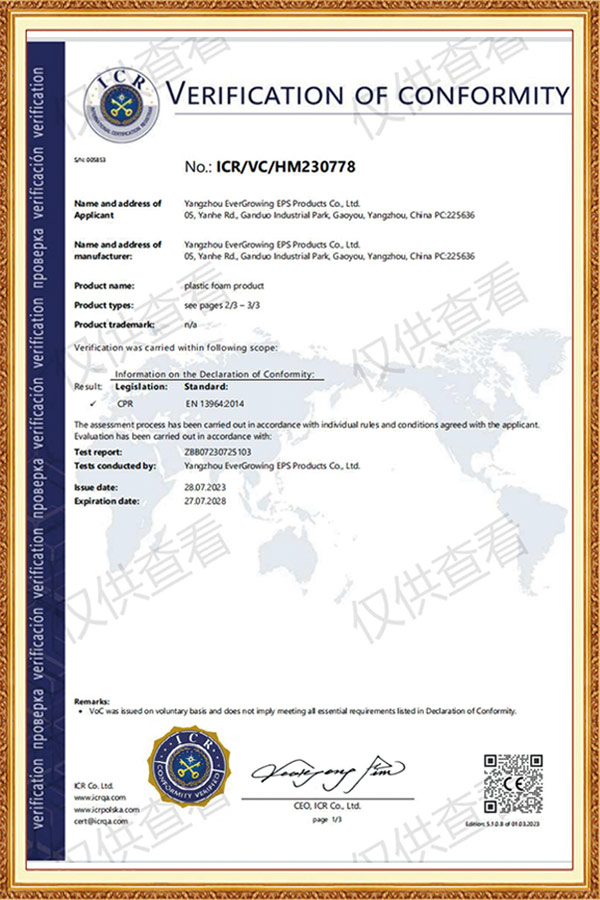
At Yangzhou Ever-Growing International Co., Ltd., we ensure that the EPS we use for customized products complies with the latest environmental regulations, providing clients with an eco-friendly material that reduces their carbon footprint.
EPS is a highly versatile material with applications in a wide range of industries, from construction to packaging and marine. At Yangzhou Ever-Growing International Co., Ltd., we specialize in producing custom EPS products designed to meet the specific needs of each industry.
1. Packaging Industry
One of the most common uses for EPS is in the packaging industry, where its ability to cushion and protect fragile products makes it an essential material. EPS is widely used to create protective packaging for electronic devices, fragile glassware, and other sensitive items. The shock-absorbing properties of EPS help prevent damage during transit and handling, reducing the risk of returns and complaints.
Moreover, custom EPS molds can be created to fit the exact dimensions of the product, ensuring that the packaging offers the best protection possible while also reducing excess material use and lowering costs.
2. Construction and Insulation
EPS is also widely used in the construction industry as an insulation material. EPS insulation boards are often used in walls, roofs, and foundations to improve a building’s energy efficiency by reducing heat loss. The material’s thermal resistance makes it an ideal choice for ensuring comfortable indoor temperatures while lowering energy consumption.
In addition to thermal insulation, EPS foam is also used in lightweight concrete, formwork systems, and even foam skirting boards for decorative purposes. Its versatility makes it a valuable material in both residential and commercial construction projects.
3. Automotive and Electronics
The automotive and electronics industries rely on EPS for creating custom foam parts such as protective casings, foam pads, and internal components. EPS’s lightweight and impact-resistant properties make it ideal for protecting electronic devices during transportation or providing shock absorption in automotive parts. Additionally, EPS is used to create custom molded products in these industries, where precision and durability are critical.
4. Food and Beverage
EPS plays an essential role in the food and beverage industry, especially in temperature-controlled packaging. EPS coolers and insulated containers are widely used for storing and transporting perishable food items. Its ability to maintain temperature control ensures that goods like fresh produce, frozen foods, and beverages are kept at the correct temperature, maintaining their freshness and quality.



 English
 中文简体
中文简体 Español