Will the structure of polyester folded mesh loosen or deform after long-term use?
Material characteristics of polyester folded mesh
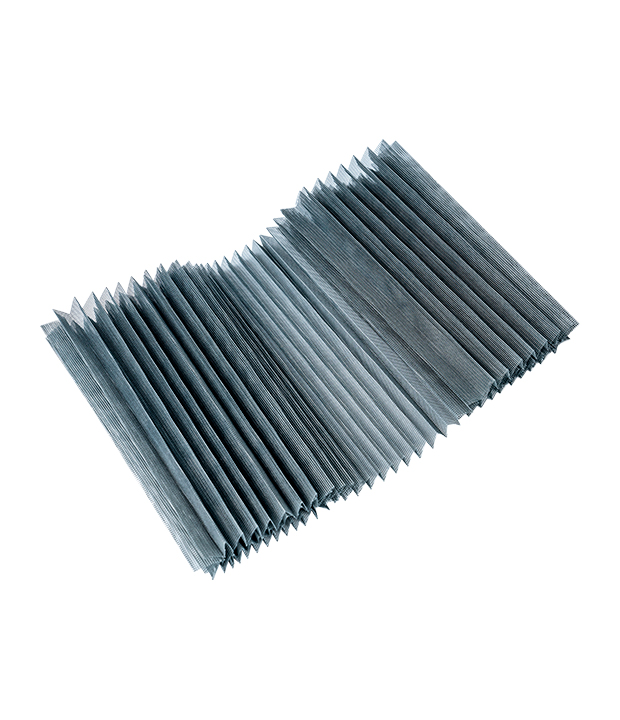
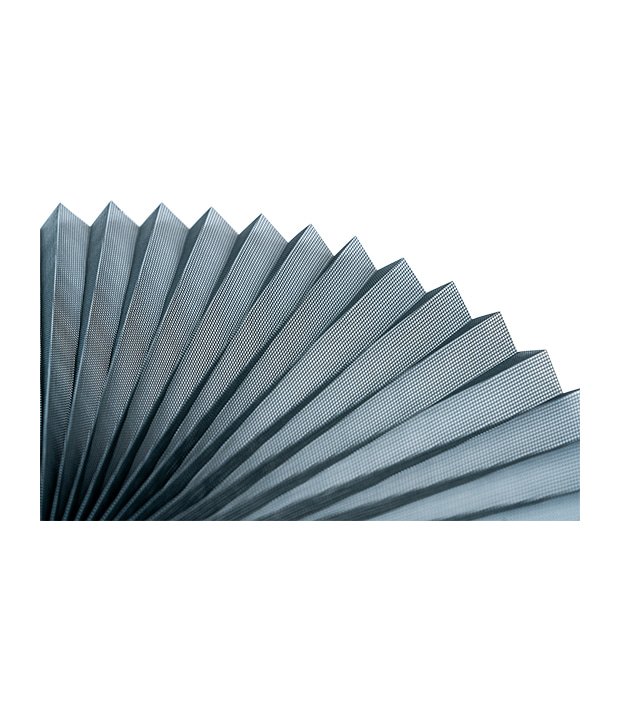
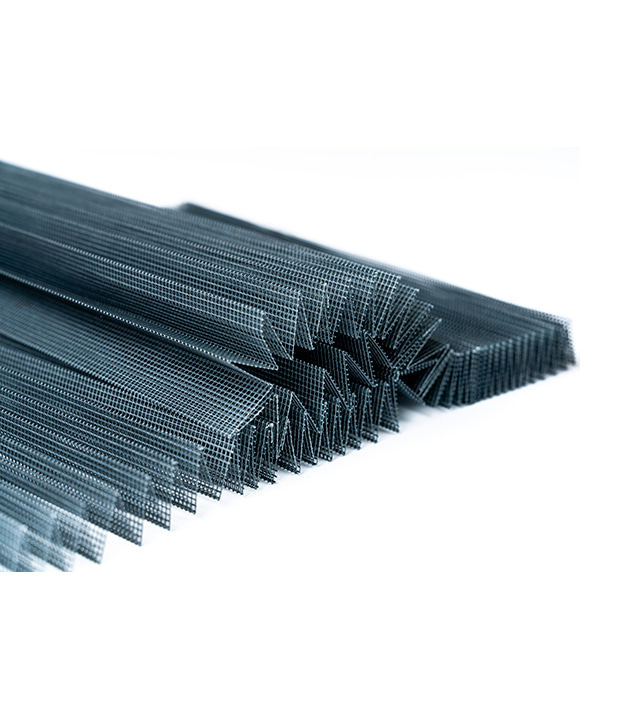
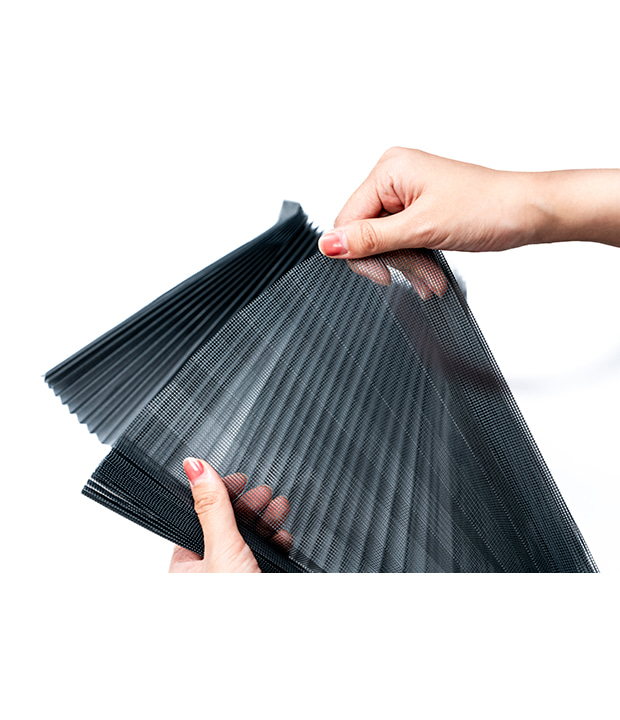
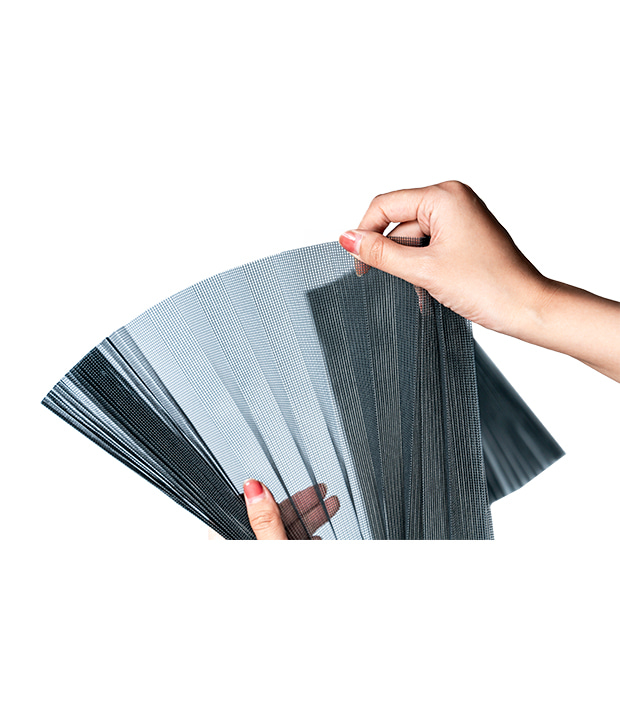
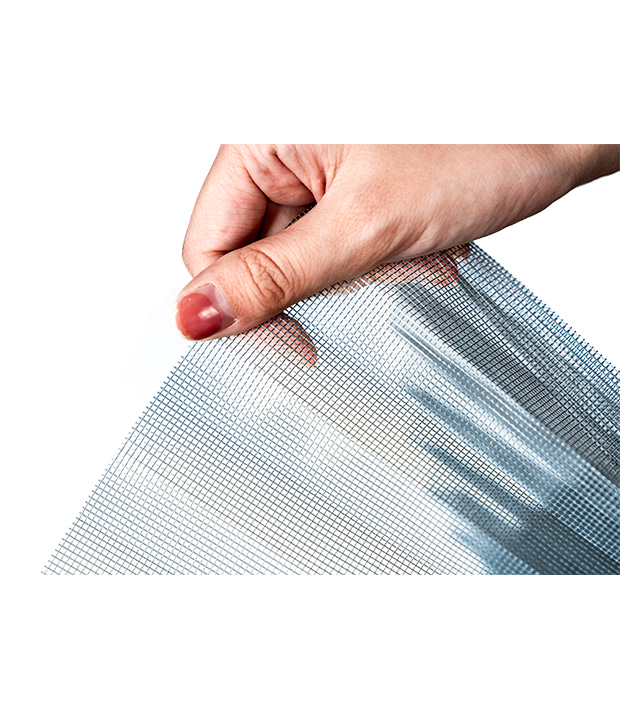
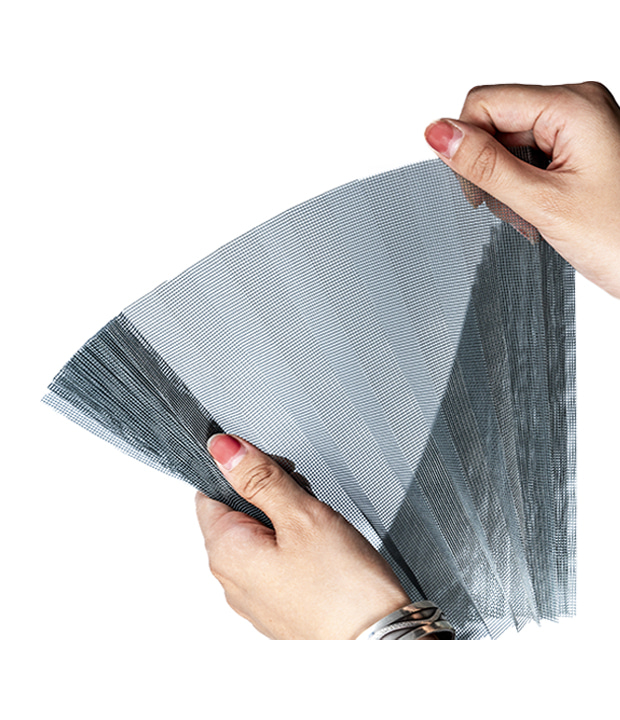
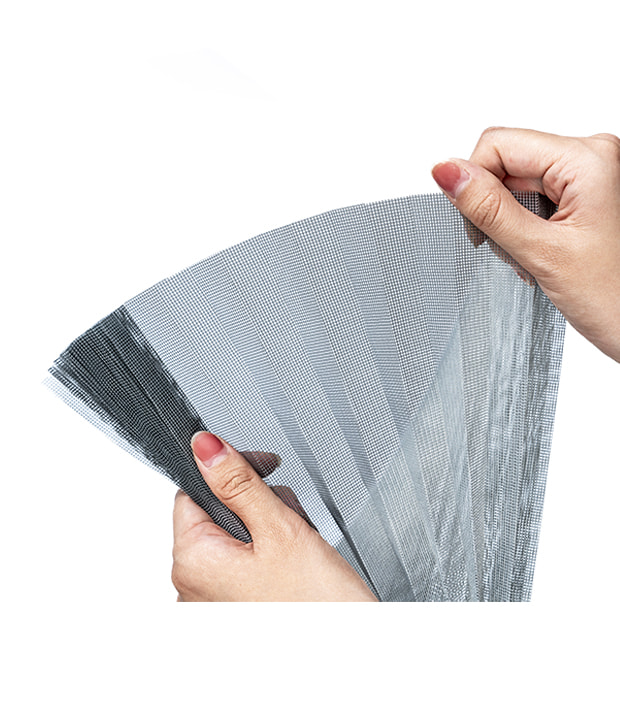
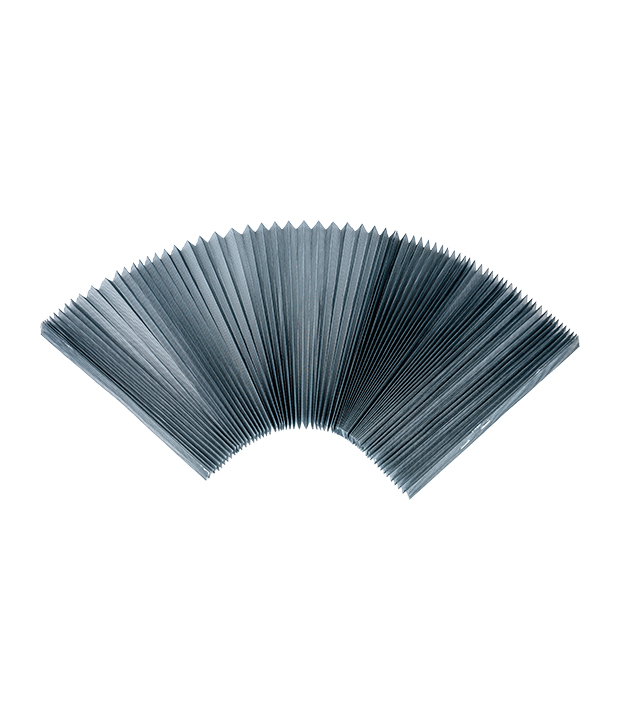
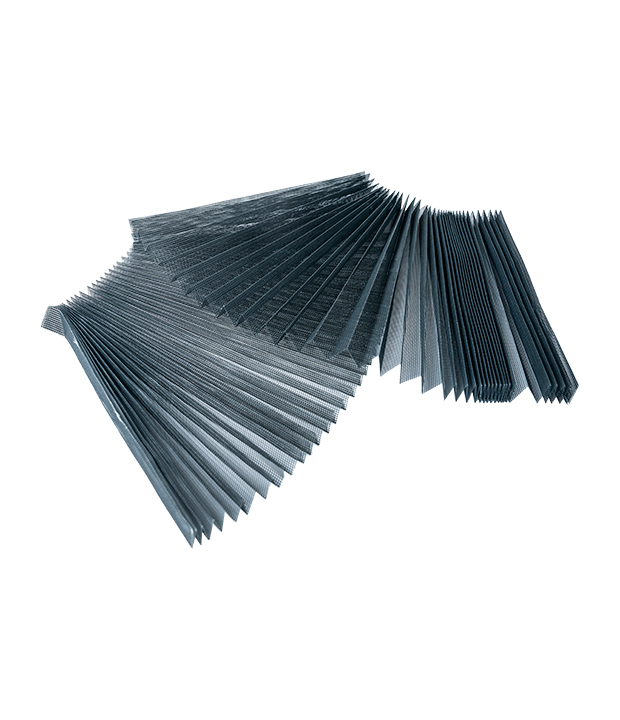
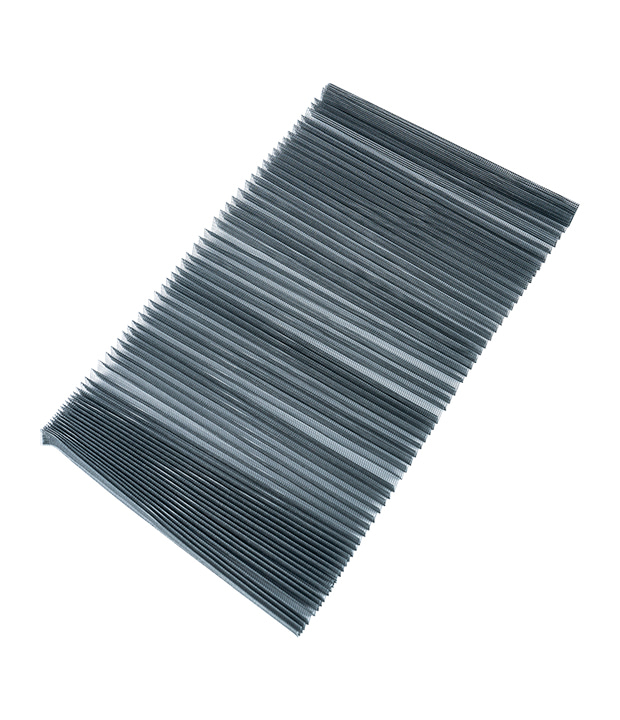
Polyester folded mesh is commonly used in packaging, filtration, cushioning, and protective applications due to its balanced mechanical properties and stable polymer structure. Polyester fibers are formed through controlled extrusion and drawing processes, which align molecular chains and create a material with predictable tensile behavior. The folded mesh structure introduces additional flexibility by allowing the material to bend and recover under moderate stress, rather than relying solely on fiber elongation.
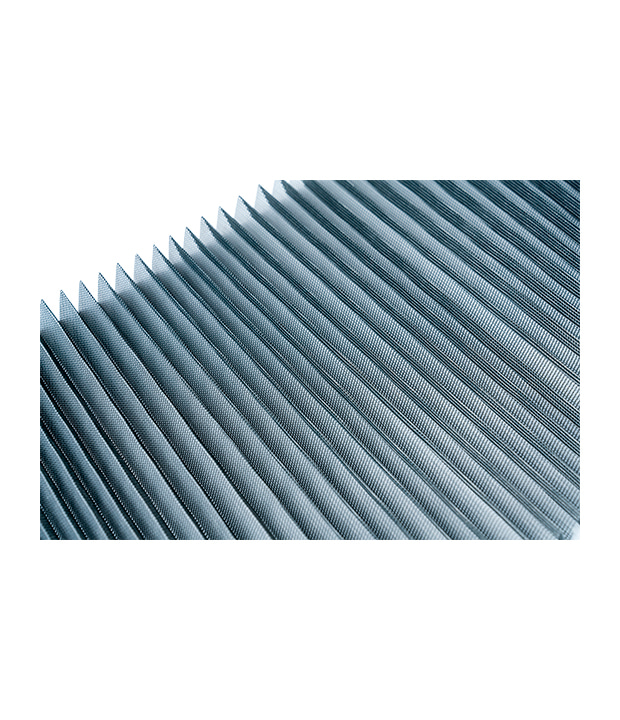
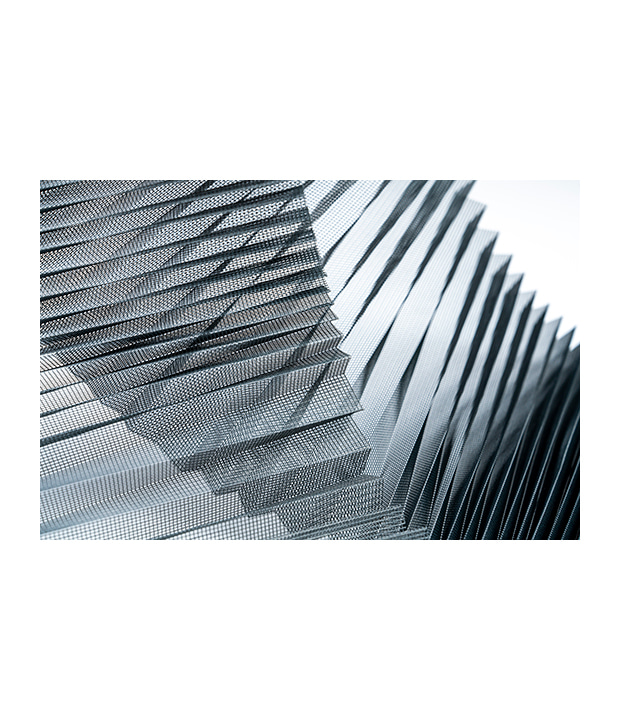
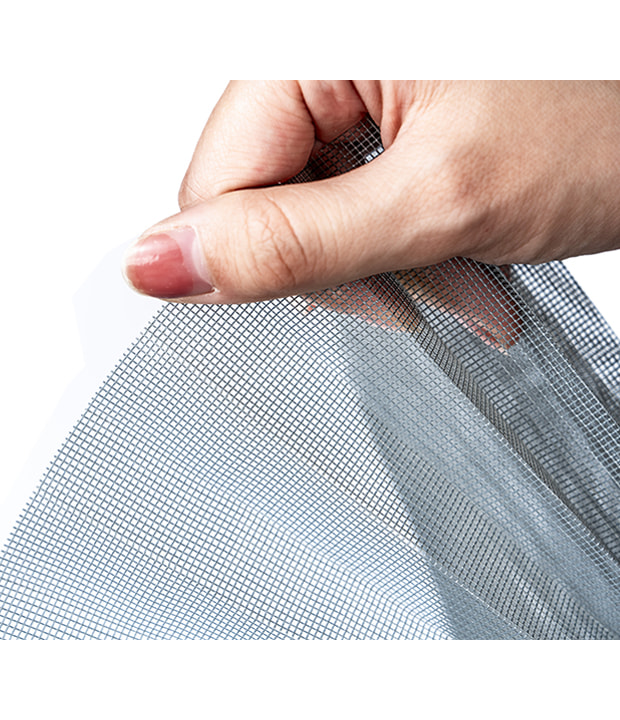
From a material science perspective, polyester exhibits low moisture absorption compared with many other synthetic fibers. This characteristic reduces the risk of dimensional change caused by humidity, which is a key factor in long-term structural stability. However, the mesh structure itself, including fold depth, spacing, and bonding points, plays an equally important role in determining whether loosening or deformation may occur over time.
Structural behavior under repeated mechanical stress
During long-term use, polyester folded mesh is often subjected to repeated compression, tension, or bending. These forces may come from handling, loading cycles, or environmental vibration. Over time, repeated stress can cause gradual relaxation of the folded geometry, especially if the mesh is consistently loaded beyond its intended design range.
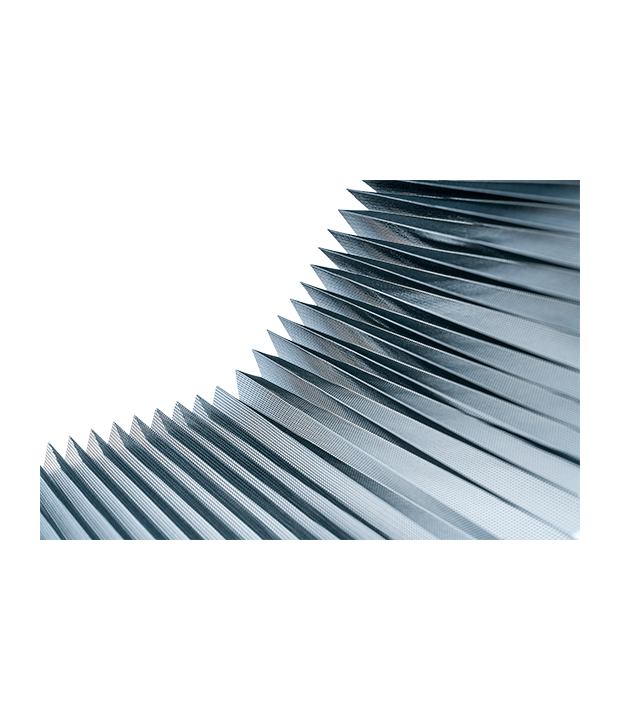
The fibers themselves generally maintain their length and tensile properties under normal operating conditions. Structural changes are more likely to originate at fold intersections or bonding points where stress concentration occurs. If these areas experience continuous micro-movements, the folds may slowly open or shift, giving the appearance of loosening even though the base material remains intact.
Influence of manufacturing process on long-term stability
The stability of polyester folded mesh is closely linked to how it is produced. Manufacturers with established experience, such as Yangzhou Ever-Growing International Co., Ltd., apply controlled temperature, pressure, and forming parameters to ensure uniform fiber distribution and consistent fold geometry. Variations during production can lead to uneven stress distribution, which may accelerate structural changes during use.
Heat-setting processes are often applied to polyester products to lock in shape memory. When properly executed, this step helps the folded mesh resist gradual flattening or distortion. Inconsistent heat exposure or insufficient setting time can leave internal stresses within the material, which may release slowly during long-term use and affect structural appearance.
Environmental factors affecting deformation risk
Environmental conditions are another key factor when evaluating long-term deformation. Polyester maintains dimensional stability across a broad temperature range, but prolonged exposure to elevated heat can soften the polymer matrix and reduce resistance to mechanical stress. In such environments, folded mesh structures may relax faster than expected.
Ultraviolet exposure may also influence long-term performance. While polyester is more UV-resistant than some polymers, extended exposure can cause surface aging, which may indirectly affect flexibility at fold points. In indoor or shaded applications, this effect is usually limited.
| Environmental factor |
Potential influence on folded mesh structure |
| High temperature |
May accelerate fold relaxation under constant load |
| High humidity |
Limited impact due to low moisture absorption |
| UV exposure |
Possible surface aging over extended periods |
| Mechanical vibration |
May increase micro-movement at fold intersections |
Load conditions and application design considerations
The likelihood of loosening or deformation depends strongly on how the folded mesh is used. Applications involving static loads within the design limits generally show stable performance over time. In contrast, dynamic loads with frequent cycles may gradually alter fold geometry if not properly accounted for during design.
Designers often consider factors such as load distribution, support spacing, and allowable deformation when selecting polyester folded mesh. When these parameters align with actual use conditions, the structure tends to maintain its form throughout its service life. Misalignment between design assumptions and real-world use is a more common cause of perceived deformation than inherent material weakness.
Interaction with other materials and components
Polyester folded mesh is frequently combined with foam products, plastic frames, or rigid containers. The interaction between materials can influence long-term structural behavior. For example, when bonded to foam inserts or plastic housings, differences in thermal expansion may introduce additional stress at connection points.
Companies with integrated foam and plastic production capabilities, such as Yangzhou Ever-Growing International Co., Ltd., can better manage these interactions by coordinating material selection and structural tolerances. This approach helps reduce localized stress that could otherwise lead to gradual loosening.
Inspection and maintenance over extended service periods
Although polyester folded mesh does not typically require active maintenance, periodic inspection can help identify early signs of structural change. Visual checks for uneven fold spacing, localized flattening, or edge distortion provide useful indicators of how the material is responding to actual use conditions.
In many cases, slight changes in appearance do not affect functional performance. Understanding the difference between cosmetic variation and functional deformation is important for realistic product evaluation, particularly in industrial or packaging-related applications.
Expected service behavior based on industry experience
Based on industry use across packaging, cushioning, and protective solutions, polyester folded mesh generally demonstrates stable structural behavior when produced and applied correctly. Long-term loosening or deformation is more often linked to extreme conditions, continuous overload, or inconsistent manufacturing control rather than inherent material limitations.
By combining material knowledge, controlled production environments, and application-specific design, manufacturers can supply polyester folded mesh products that maintain structural consistency throughout extended use cycles.
FAQ
Q: How does the folding structure affect the long-term stability of polyester folded mesh?
A: The folding structure is designed to distribute stress through controlled bending rather than direct fiber stretching. When produced under stable forming and heat-setting conditions, the folds help the mesh recover its shape after repeated use, reducing the risk of permanent distortion in normal applications.
Q: Can polyester folded mesh be customized for different load or cushioning requirements?
A: Yes, parameters such as mesh density, fold depth, thickness, and overall dimensions can be adjusted based on application needs. With an experienced technical team and advanced manufacturing facilities, customized structures can be developed to match specific mechanical or packaging requirements.
Q: How does polyester folded mesh perform in humid or variable environmental conditions?
A: Polyester has low moisture absorption, which helps maintain dimensional stability in humid environments. This makes folded mesh suitable for applications where exposure to changing humidity could affect other materials.
Q: Is polyester folded mesh suitable for integration with foam or plastic components?
A: Polyester folded mesh is often combined with foam products or plastic containers to enhance structural support or cushioning performance. Coordinated material selection and dimensional control during production help ensure compatibility and reduce stress at connection points.
Q: What factors most commonly lead to deformation during long-term use?
A: Deformation is more often related to continuous overload, repeated stress beyond design limits, or extreme temperature exposure rather than the polyester material itself. Proper application design and realistic load assessment play a key role in maintaining structural consistency.
Q: How consistent is product quality across large production volumes?
A: Consistency depends on process control and equipment capability. Operating from a large-scale modern production base allows for stable forming conditions, uniform material properties, and repeatable quality across different production batches.
Q: Can polyester folded mesh be produced to meet specific packaging or industrial standards?
A: Polyester folded mesh can be manufactured according to defined dimensional, mechanical, or application-related standards. Technical teams typically work with customers to align material properties and structure with relevant industry or project requirements.



 English
 中文简体
中文简体 Español