

 English
 中文简体
中文简体 Español
Selecting the right baseboard material directly impacts a property’s long-term value, maintenance schedule, and architectural integrity. While traditional wood and MDF have dominated the market for decades, Polystyrene (PS) skirting boards—often referred to in the industry as foam skirting boards—have emerged as the superior choice for high-end residential and commercial projects requiring zero-maintenance longevity and flawless aesthetics.
The Direct Verdict: PS Skirting Boards vs. Traditional Materials
When evaluating high-performance interior finishes, PS skirting boards outperform traditional timber, MDF, and PVC across almost every critical metric. Manufactured via high-density extrusion, these foam skirting boards are completely waterproof, impact-resistant, dimensionally stable, and pre-finished.
For developers and discerning homeowners, this translates to zero warping in humid environments, zero termite risk, and drastically reduced labor costs during installation. While timber and MDF require acclimatization, priming, painting, and sanding, polystyrene alternatives arrive ready to install, delivering a pristine, minimalist aesthetic that lasts decades without yellowing or cracking.
Comparative Analysis: Material Performance Matrix
To understand the financial and structural advantages of specifying high-density foam skirting boards, a direct comparison with conventional materials highlights the stark differences in performance and lifetime costs.
| Performance Metric | High-Density PS Skirting | Premium MDF Trim | Solid Hardwood |
| Moisture Resistance | 100% Waterproof (Zero absorption) | Hydrophobic (Swells upon contact) | Hygroscopic (Warps and twists) |
| Impact Resistance | High (Dense surface layer) | Medium (Dents easily under impact) | High (Durable but prone to scratching) |
| Installation Speed | Rapid (Adhesive only, pre-finished) | Slow (Requires nailing, patching, painting) | Very Slow (Requires precision cutting, treating) |
| Lifespan & Maintenance | 30+ Years (Wipe-clean only) | 5–10 Years (Prone to chipping/peeling) | 15–20 Years (Requires periodic refinishing) |
| Eco-Friendly Value | 100% Recyclable, VOC-free | Contains formaldehyde binders | Natural, but contributes to deforestation |
Engineering Excellence: How High-Density Foam is Manufactured
The premium quality of modern PS skirting boards lies in their advanced manufacturing process. Unlike fragile, low-density packaging foam, architectural foam skirting boards are produced using a high-density micro-foaming extrusion process. Under extreme pressure and heat, polystyrene crystals are melted and combined with structural blowing agents to create a highly dense, uniform core.
Technical Insight: High-end polystyrene trim boasts a density rating of over 350 kg/m³. This dense core is enveloped by a hard, scratch-resistant outer skin during the co-extrusion phase, ensuring the final profile withstands vacuums, mop strikes, and heavy foot traffic in commercial corridors.
Financial ROI: Analyzing the True Cost of Installation
High-value property developers often focus on the upfront material cost, but the true fiscal value of PS skirting boards is revealed when analyzing total installed costs. Traditional timber and MDF baseboards arrive raw or merely primed. This introduces multi-step labor costs to the job site: nailing, counter-sinking nails, filling holes, sanding, applying primer, and painting at least two topcoats.
Consider a standard 500-linear-meter luxury apartment project. Installing traditional timber requires an average of 45 hours of combined carpentry and painting labor. Conversely, pre-finished foam skirting boards are installed using high-tack polymer adhesives and quick miter cuts, reducing installation time to under 15 hours. By eliminating the painting trade entirely from the baseboard phase, developers can save up to 60% on localized labor costs while accelerating project handover timelines.
The Luxury Developer's Advantage
By removing wet trades (painting) from the final stages of a build, the risk of paint splatters on newly laid luxury hardwood or marble flooring is completely mitigated. This significantly reduces post-construction cleaning fees and prevents accidental damage to premium floor coverings.
Sustainability and Indoor Air Quality (IAQ)
Modern luxury architecture places immense value on sustainability and building health certifications such as LEED and BREEAM. Traditional MDF boards are bound together using urea-formaldehyde resins, which off-gas volatile organic compounds (VOCs) into living spaces for years after installation.
Premium PS skirting boards are inherently inert and completely VOC-free, ensuring they do not compromise indoor air quality. Furthermore, because polystyrene is a thermoplastic, factory off-cuts and end-of-life baseboards can be melted down and fully recycled into new architectural profiles, supporting a circular manufacturing economy.
Architectural Design Versatility and Aesthetics
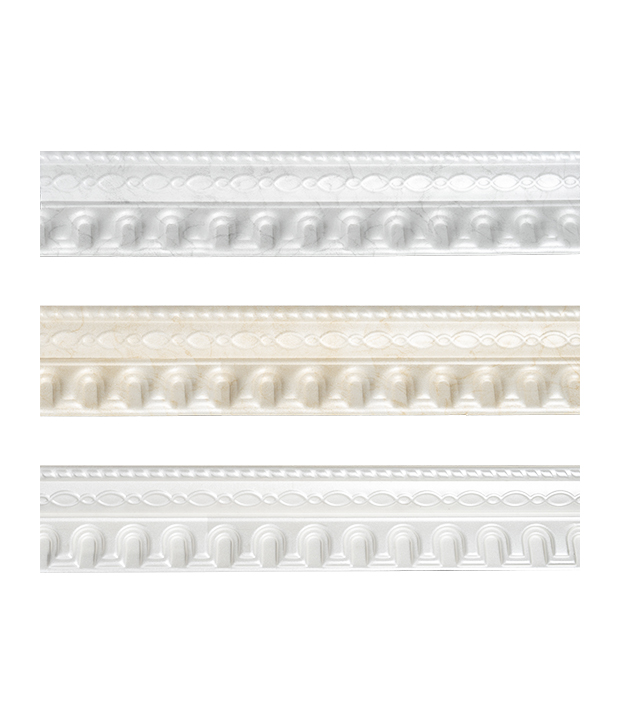
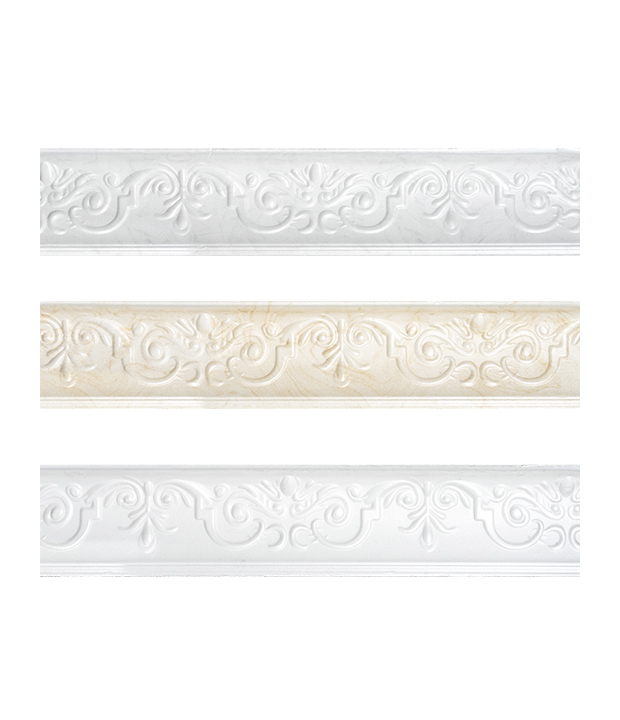
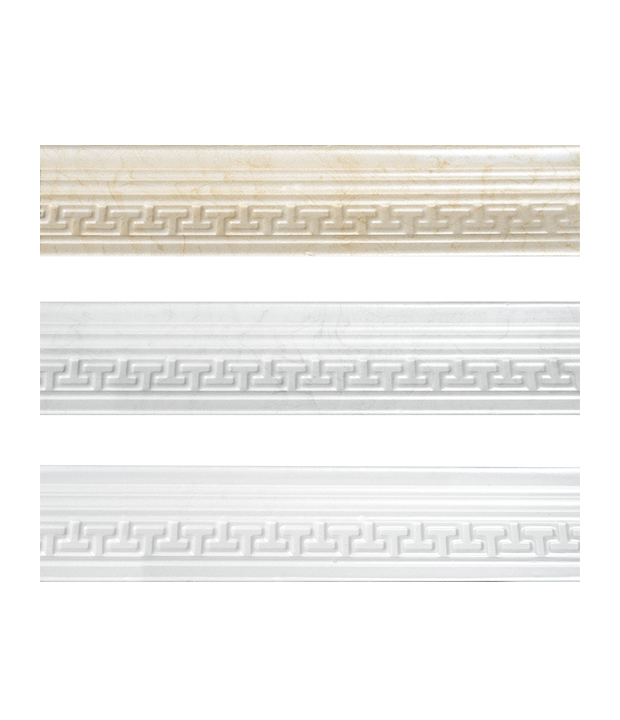
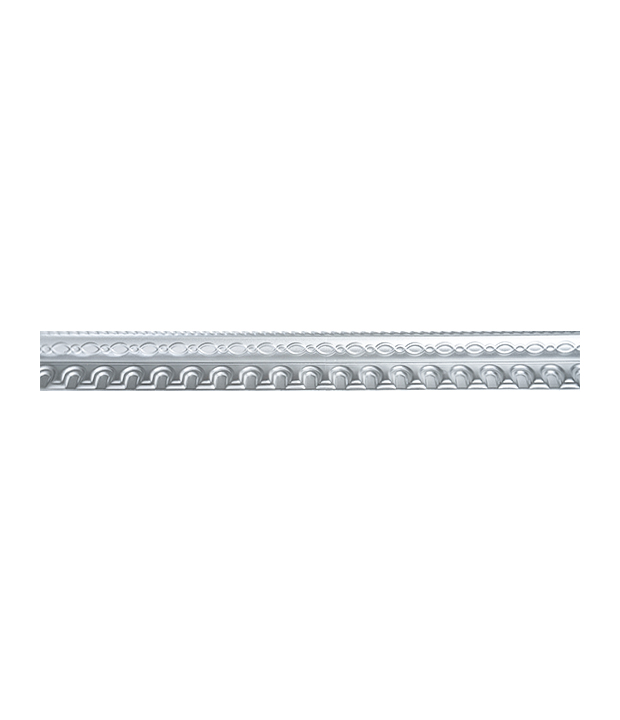
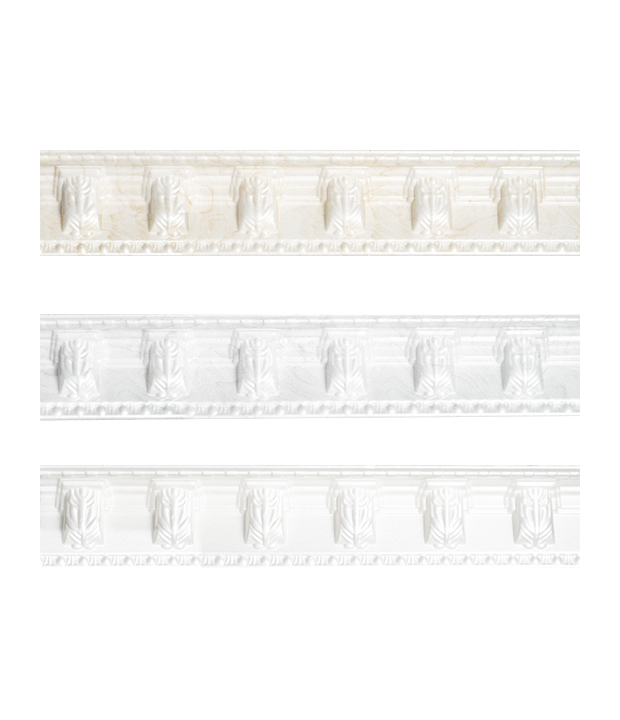
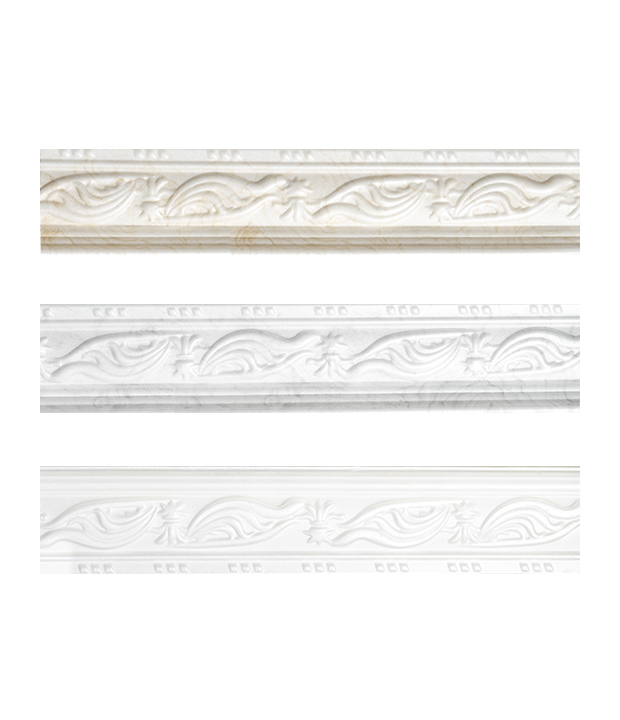
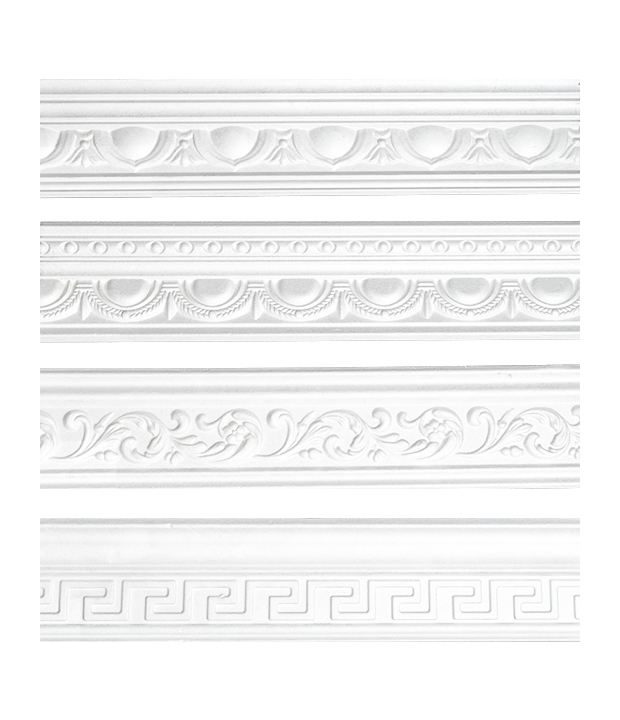
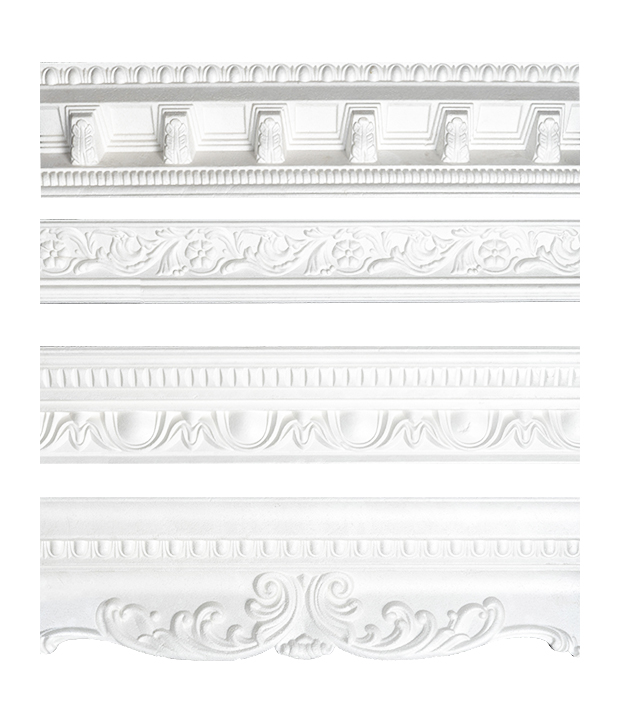
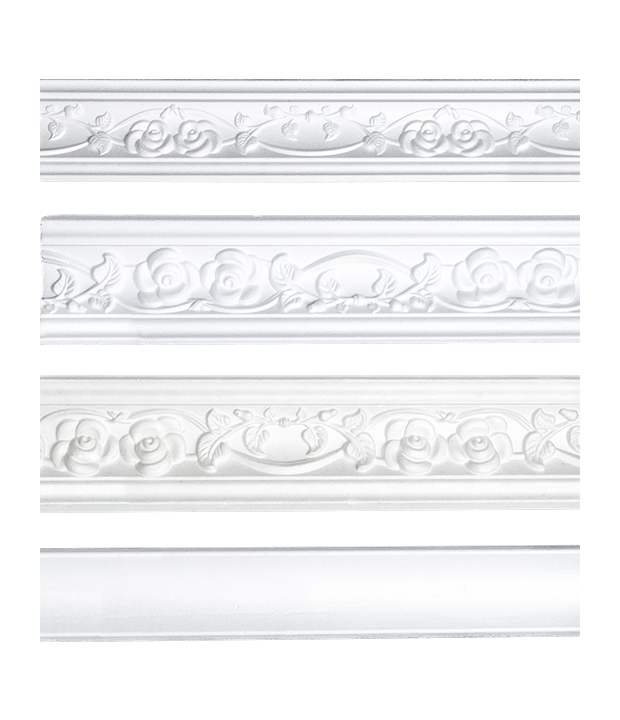
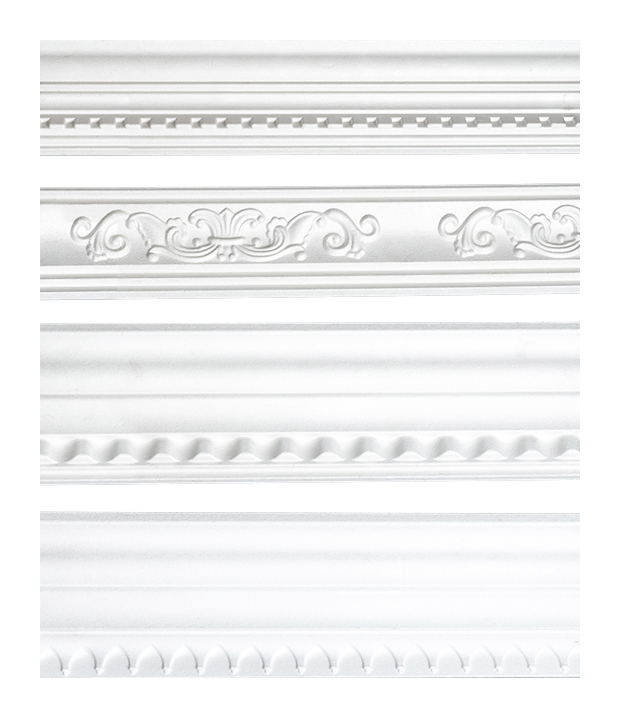
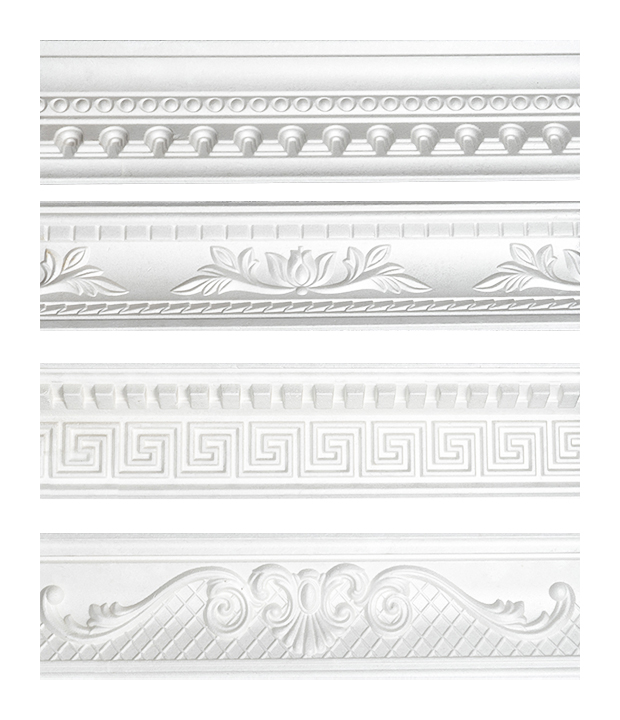
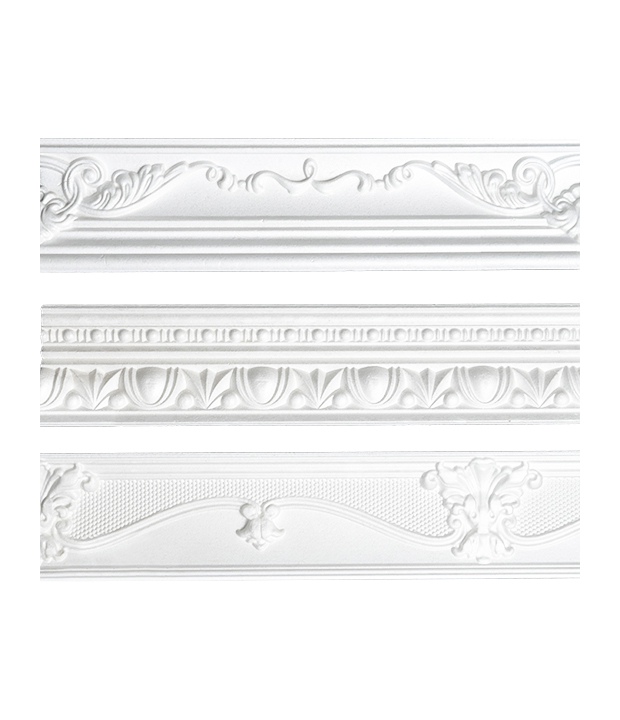
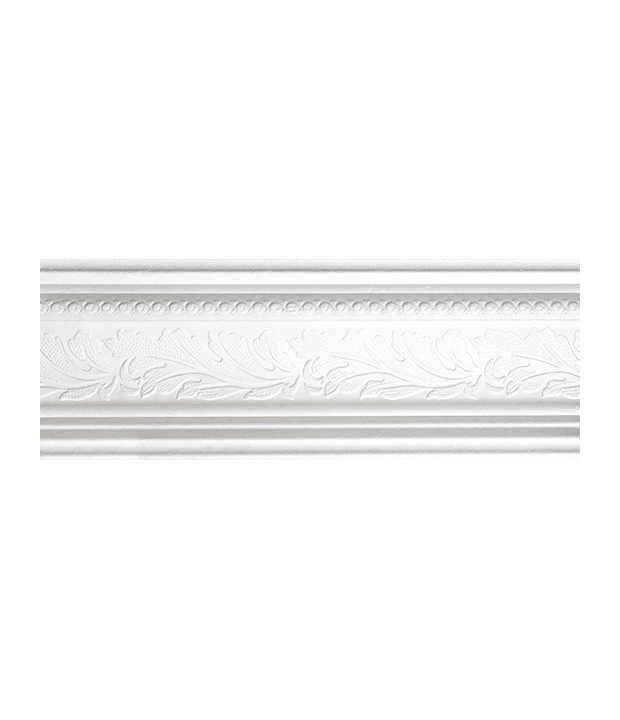
From minimalist flush-mount profiles to ornate, classical Victorian moldings, foam skirting boards offer unparalleled design flexibility. Because the material is extruded through precision steel dies, every single linear meter is structurally identical. There are no knots, grain imperfections, or structural bowing to contend with—defects that frequently plague natural timber and lead to high material wastage.
Furthermore, high-density polystyrene allows for integrated technical features. Many premium profiles feature built-in rear channels designed to conceal low-voltage LED strip lighting, smart home automation wiring, or hidden coaxial cables, allowing architects to maintain clean lines without channeling into solid masonry walls.
Advanced Installation Guidelines for Flawless Finish
Achieving a seamless, high-end look with polystyrene profiles requires adhering to specific professional installation techniques. Because the material does not expand or contract significantly with humidity, traditional expansion gaps can be minimized.
- Substrate Preparation: Ensure the wall surface is clean, dry, and free of loose plaster. While the flexibility of foam skirting boards allows them to conform to minor wall curvatures, severe irregularities should be leveled beforehand.
- Cutting Protocol: Utilize a high-speed miter saw equipped with a sharp, fine-tooth negative rake blade (ideally 80 to 120 teeth). This prevents heat buildup and ensures a crisp, melt-free cut at 45-degree angles.
- Adhesive Selection: Specifiers must use a premium, solvent-free polymer adhesive. Solvent-based adhesives can chemically react with the polystyrene core, causing the profile to collapse or deform over time.
- Joint Sealing: For virtually invisible butt joints, apply a thin bead of specialized polystyrene joint cement between sections, firmly pressing them together before wiping away the excess.
Frequently Asked Questions
Are PS skirting boards as durable as solid wood baseboards?
Yes. High-density PS skirting boards are engineered to possess a dense, hardened outer shell that resists impact, scratches, and dents exceptionally well. Unlike wood, they will never split, rot, warp, or fall victim to termite infestation, making them more durable over their lifespan.
Can foam skirting boards be painted to match custom wall colors?
Absolutely. While most premium polystyrene profiles come pre-finished in standard architectural colors like matte white, black, or metallic tones, they can easily be painted. If a custom color is required, simply use any high-quality acrylic or water-based latex paint without the need for an underlying primer.
How do polystyrene profiles react to extreme temperature changes?
High-density foam skirting boards exhibit excellent thermal stability. They possess a very low coefficient of thermal expansion, meaning they will not dramatically swell in hot summers or shrink in cold winters, keeping mitered corner joints tightly sealed year-round.
Is it safe to install PS skirting boards in wet areas like bathrooms?
Yes, this is one of their primary advantages. Because polystyrene is 100% waterproof and non-porous, these baseboards are completely immune to water damage, mold growth, and mildew. They are ideal for high-humidity zones such as luxury bathrooms, basements, and commercial kitchens.
How do you clean and maintain high-density polystyrene trim?
Maintenance is incredibly minimal. Because the material is non-porous, dust and grime do not penetrate the surface. Regular wiping with a damp microfiber cloth and a mild, non-abrasive household detergent is all that is required to keep them looking pristine indefinitely.