

 English
 中文简体
 Español
In the evolution of architectural design, thermal comfort has always been a core metric for measuring quality of life. From open fires to cast-iron radiators and now to radiant heating systems, the un...
READ MORE
EPS Float Ball Buying Guide: Density, Buoyancy, Sizing and Field Durability
Nov 26,2026 ------ Industry News
A shrimp farm in eastern Guangdong replaced 600 float balls after two seasons. The rope eyes had cracked, water had crept under the skin, and the balls were riding visibly lower in the water. The replacements cost more per piece and lasted four seasons. The difference was not the supplier's country or the price list — it was the specification: 25 kg/m³ instead of 15 kg/m³, a molded-through hole instead of a drilled one, and a UV-stabilized skin.
The short version: choose density by load and abrasion, choose diameter by the buoyancy you need plus a 30–50% reserve, define the hole and its reinforcement, and confirm UV and water-absorption performance before the container ships. Everything below explains why those four decisions matter far more than the unit price on the quotation.
What an EPS Float Ball Is and How Much It Actually Floats
An EPS float ball is molded from expanded polystyrene beads inside a steam-heated aluminum tool. The beads fuse into a closed-cell structure that is roughly 98% air by volume, which is why a 300 mm ball weighs a few hundred grams yet supports more than 13 kg. Because the shape comes from the tool rather than from cutting, the skin stays intact, and an intact skin is what keeps water out.
Buoyancy is straightforward physics: the ball displaces its own volume of water, and net lift is the mass of that displaced water minus the mass of the ball. Fresh water is about 1,000 kg/m³ and seawater about 1,025 kg/m³, so the same ball floats roughly 2.5% higher in the ocean than in a pond.
| Nominal diameter (mm) | Volume (m³) | Displaced water (kg) | Ball mass (kg) | Net lift (kg) |
|---|---|---|---|---|
| 150 | 0.0018 | 1.77 | 0.04 | 1.73 |
| 200 | 0.0042 | 4.19 | 0.08 | 4.10 |
| 250 | 0.0082 | 8.18 | 0.16 | 8.02 |
| 300 | 0.0141 | 14.14 | 0.28 | 13.85 |
| 400 | 0.0335 | 33.51 | 0.67 | 32.84 |
Two corrections matter in the field. First, a through-hole removes volume, so the usable lift is always a little lower than the table suggests. Second, a damaged skin drains buoyancy fast. EPS does not soak up water like a sponge, but once the surface opens, water fills the voids between beads and the ball never fully recovers, even after it dries.
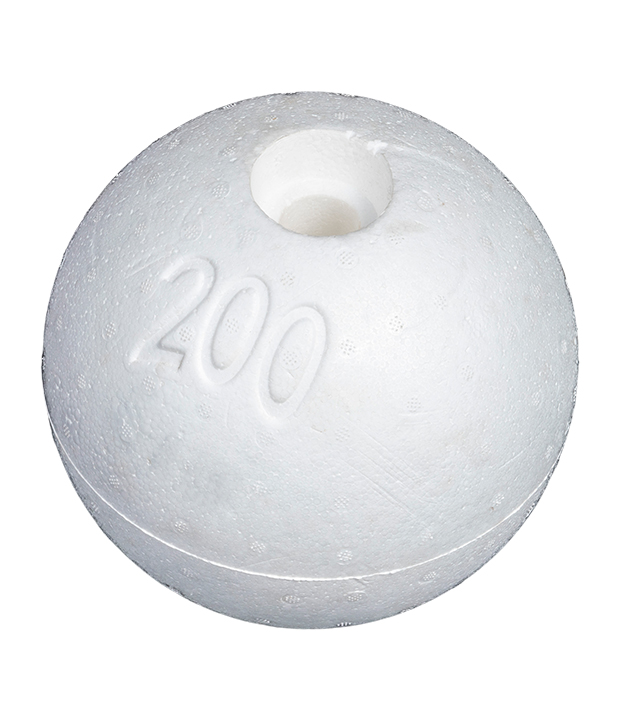 Custom EPS Float Balls for Marine and Industrial BuoyancyClosed-cell EPS construction, UV coating, and customizable size or density make these floats worth checking for durable buoyancy and level-control uses.View Product →
Density Decides Service Life, Not Buoyancy
Buyers often assume a denser ball floats noticeably less. It does, but the effect is tiny. Moving a 300 mm ball from 15 kg/m³ to 30 kg/m³ adds about 0.21 kg of material and removes about 1.6% of its net lift. What changes dramatically is mechanical strength and abrasion resistance.
Typical compressive strength of molded EPS at 10% deformation
Indicative values for bead-molded EPS; confirm against the supplier's own test report, because bead grade and fusion quality shift the numbers by 10–15%.
That trade-off is the heart of float ball specification. A 15 kg/m³ ball is fine for a pool toy handled gently by hand. It is a poor choice for a cage frame that grinds against rope and steel twice a day with every tide. A 25–30 kg/m³ ball costs more in material but survives contact loading, holds its shape under a worker's boot, and keeps its skin intact long enough to matter.
Matching the Float to the Job
- Aquaculture cages and net frames: 250–400 mm at 20–25 kg/m³ with a molded-through hole and UV-stabilized skin, because constant rope abrasion is the real enemy.
- Fishing gear and marker buoys: 80–150 mm at 20 kg/m³ in a bright color, with low water absorption so the gear keeps its depth setting season after season.
- Floating docks and walkways: 25–30 kg/m³ balls or blocks inside an HDPE shell, since point loads from decking cause failure long before water does.
- Pool and water-park floats: 15–20 kg/m³ with a smooth closed skin and non-toxic colorant, where hand feel and appearance outweigh strength.
- Oil booms and silt curtains: 200–300 mm at 20 kg/m³ in high-visibility orange, sized so the boom still floats when the skirt collects debris.
- Mooring and pipeline support: 30 kg/m³ or a foam-filled shell, where compression resistance matters more than maximum lift.
Writing a Specification the Factory Can Quote Against
A one-line enquiry for "300 mm EPS balls" will get you a price, but it will not get you the ball you need. Send these seven points and the quotation becomes comparable across suppliers:
- Diameter and tolerance, for example 300 mm ± 2 mm, or ± 1% on large sizes.
- Density with a test method, for example 25 kg/m³ ± 5%, verified by weighing a sample and measuring its volume.
- Hole geometry: through-hole diameter, whether it is molded in the tool or drilled afterwards, and whether an insert is required.
- Surface and color: smooth molded skin, pigmented or painted, with a color reference if it matters.
- UV package and water absorption, including a 24-hour immersion figure for an intact skin.
- Packaging and marking: individual woven bags versus bulk, carton counts, and label content.
- Documentation: approved sample, dimensional report, and photos before shipment.
Mention the application and the expected service life as well. A supplier who knows the ball will sit under a pontoon in Hainan rather than in a swimming pool will often recommend a different density before the tool is even cut.
Field Failures and What Prevents Them
Most complaints about float balls trace back to four causes, and all four are preventable at the specification stage.
| Symptom | Usual cause | Practical fix |
|---|---|---|
| Ball rides low after one season | Skin cracked, water in the bead voids | Raise density, specify molded rather than cut surface |
| Hole enlarges and the ball slips off | Drilled hole in low-density foam | Molded-through hole or HDPE insert, larger rope eye |
| Surface chalky or yellow | UV degradation of unstabilized beads | UV-stabilized grade, pigment, or a hard shell |
| Crushed at contact points | Point loading against frame or decking | Higher density or encapsulated construction |
Cost, Freight and Sourcing Reality
Three cost drivers dominate a float ball quotation: material, tooling and freight. Material tracks styrene and benzene prices and scales directly with density and wall thickness, so the density decision is also a cost decision. Tooling is a one-off aluminum mold per size; on a 500-piece order it can be a meaningful share of the total, while on a 20,000-piece order it fades into the unit price.
Freight is the driver buyers underestimate. Foam is mostly air, so a 40-foot high-cube container fills by volume long before it reaches a weight limit, and 400 mm balls cost far more per unit to ship than 200 mm balls. Ask for a loading plan with the quotation, and check whether nested or compressed packaging is possible for your application.
A manufacturer with in-house tooling can usually quote a non-standard diameter without a separate tooling project, and custom EPS molding of that kind is routine at plants that also mold packaging and decorative profiles. It also helps to understand how the beads are expanded, aged and fused, because bead aging time and steam pressure separate a ball that lasts four seasons from one that lasts two.
Checks Before the Container Leaves
- Weigh and measure five random pieces per batch to confirm density and diameter.
- Drop one ball from 1.2 m onto concrete and inspect the skin for cracks.
- Immerse a sample for 24 hours and reweigh it to confirm water uptake.
- Check hole concentricity, since an off-center hole loads the rope unevenly.
- Compare color and surface against the approved sample under daylight.
None of this is complicated, but every step is easier before the mold is cut than after the container arrives. Send the factory your diameter, density, hole detail, application and annual quantity, and ask for a physical sample rather than a photo. A ball that survives a season on your own site tells you more than any datasheet — and it turns a price conversation into a specification conversation, which is where the real savings sit.
our featured products.
Discover the timeless beauty and craftsmanship of Evergrowing through our featured products.
-
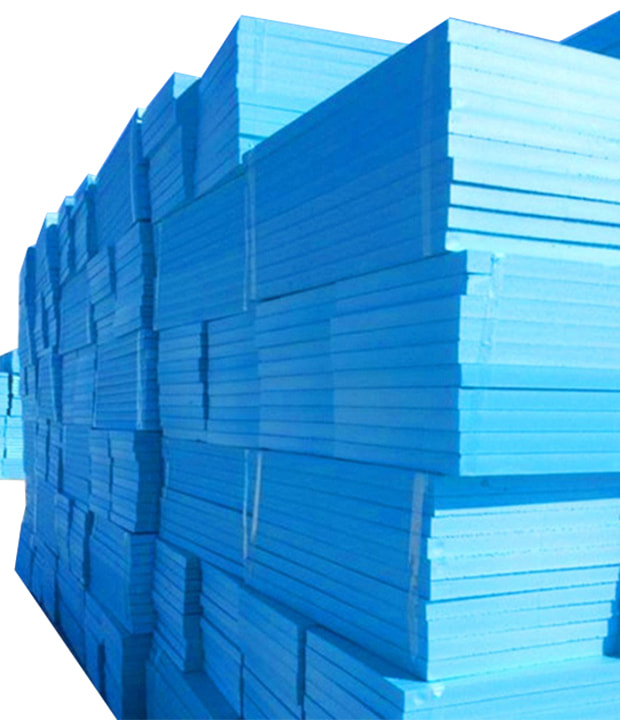 XPS underfloor heating panel
-
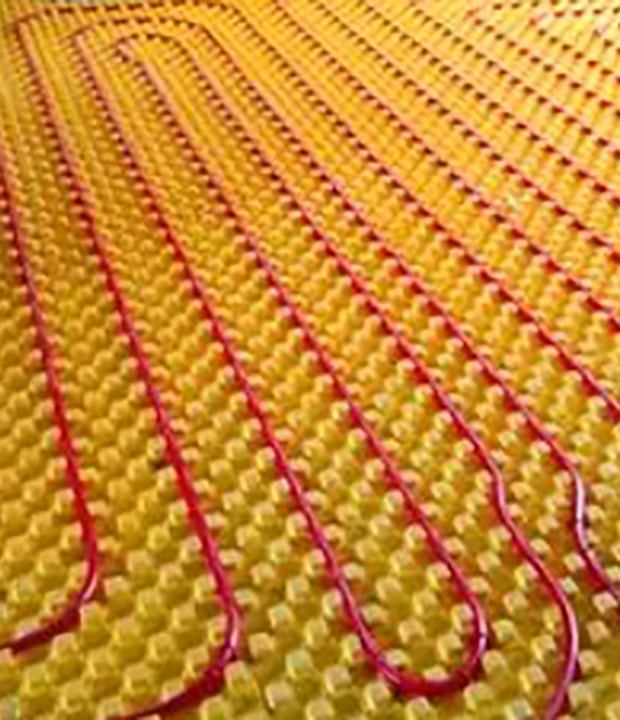 EPS underfloor heating panel
-
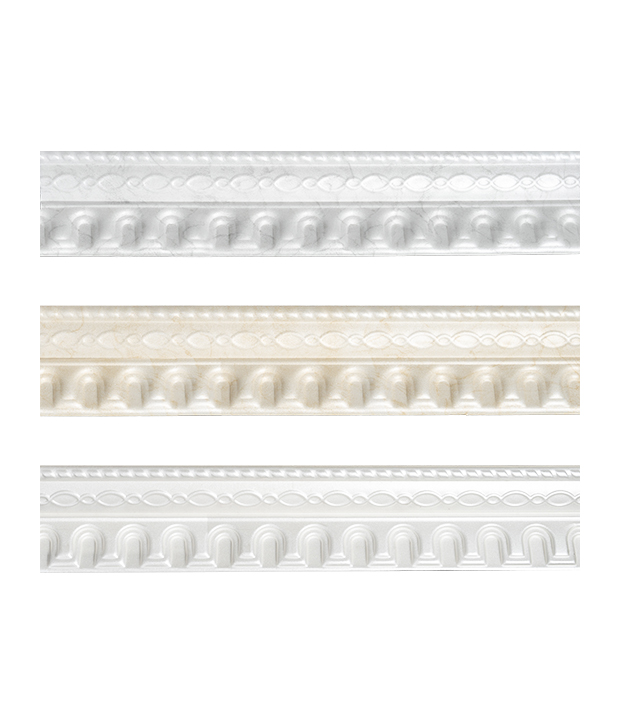 EPS Crown Molding T-06
-
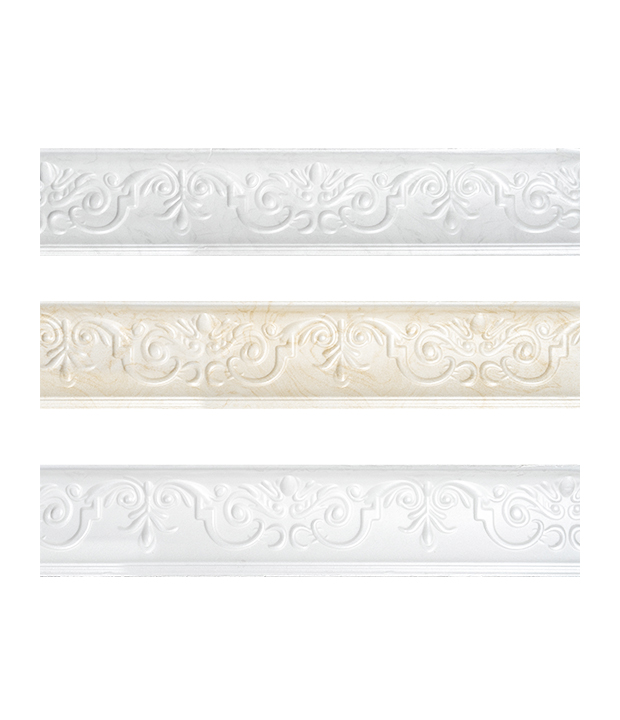 EPS Crown Molding T-04
-
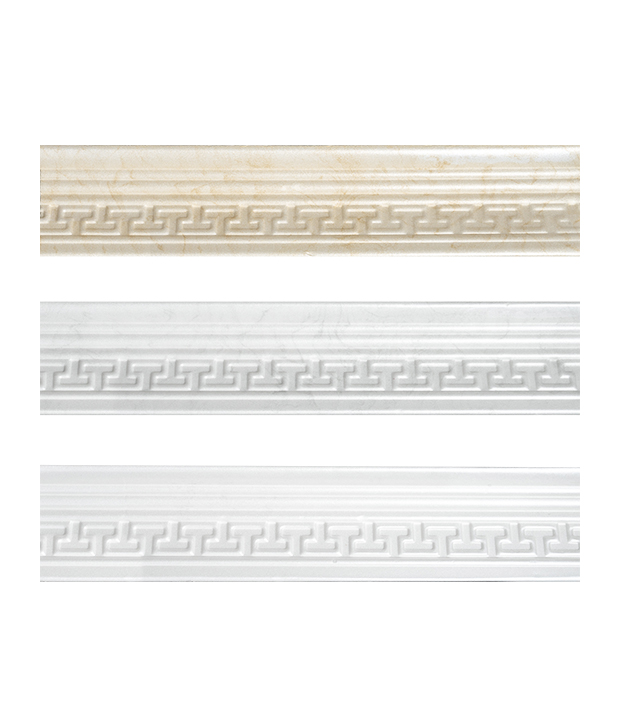 EPS Crown Molding T-02
-
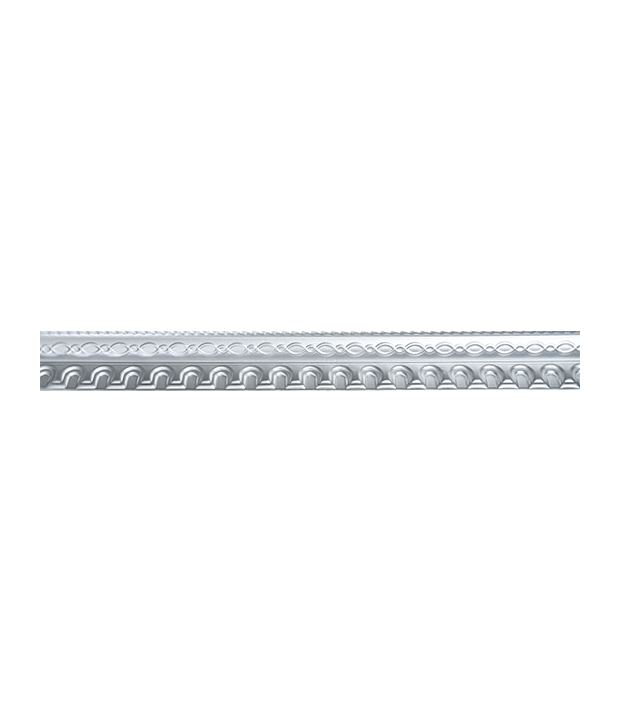 EPS Crown Molding
-
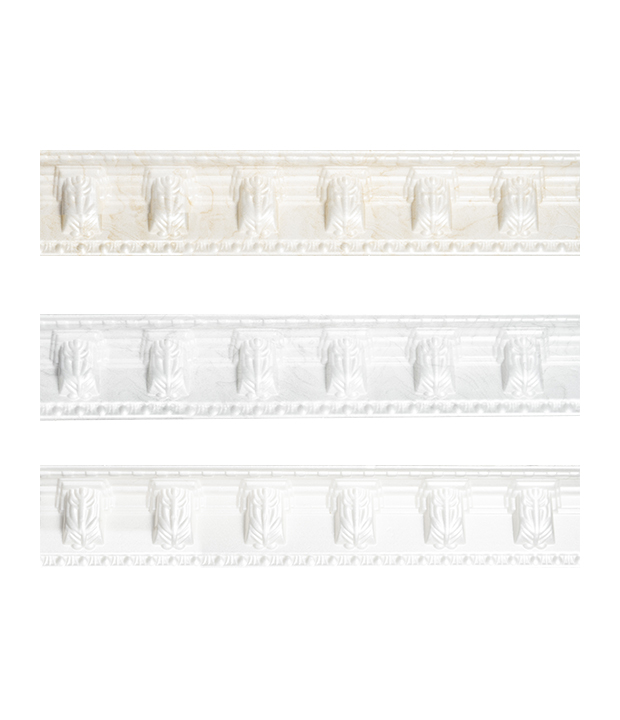 EPS Crown Molding T-18
-
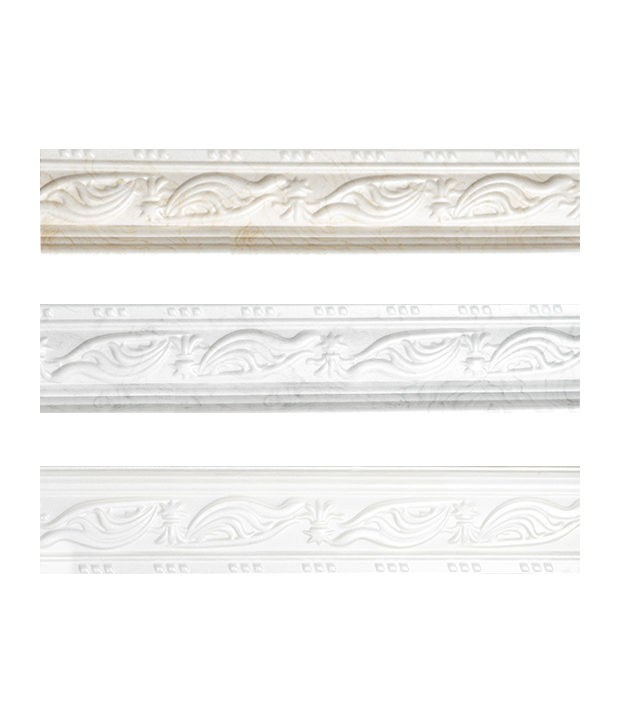 EPS Crown Molding T-20
-
 EPS Crown Molding B-06 B-08 B-10 B-12
-
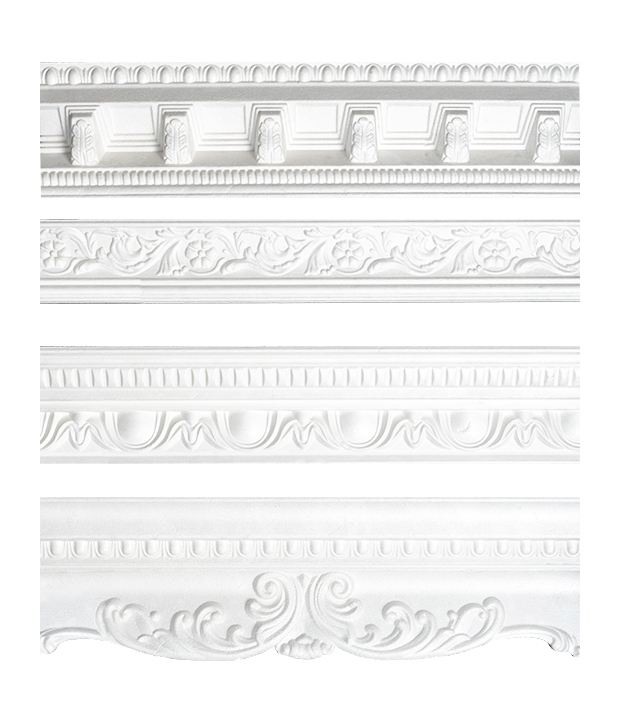 EPS Crown Molding B-22 B-20 B-24 B-18
-
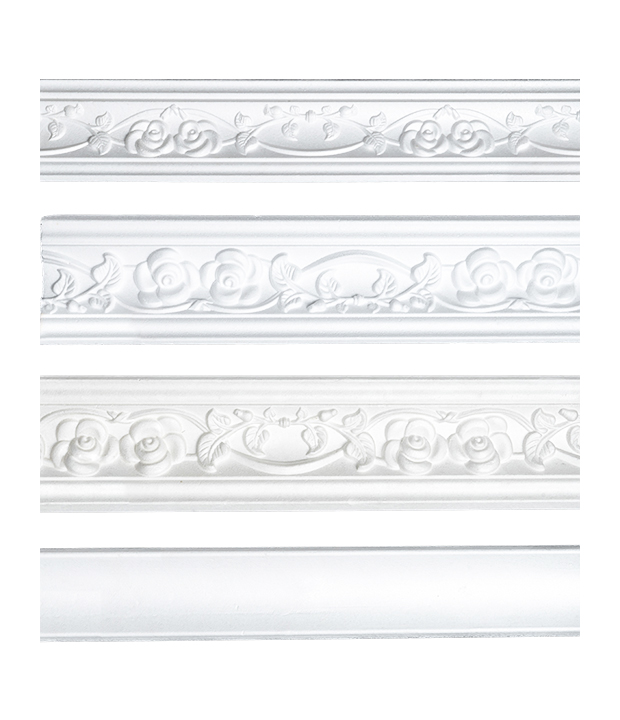 EPS Crown Molding B-26-1 B-26-2 B-26 B-16
-
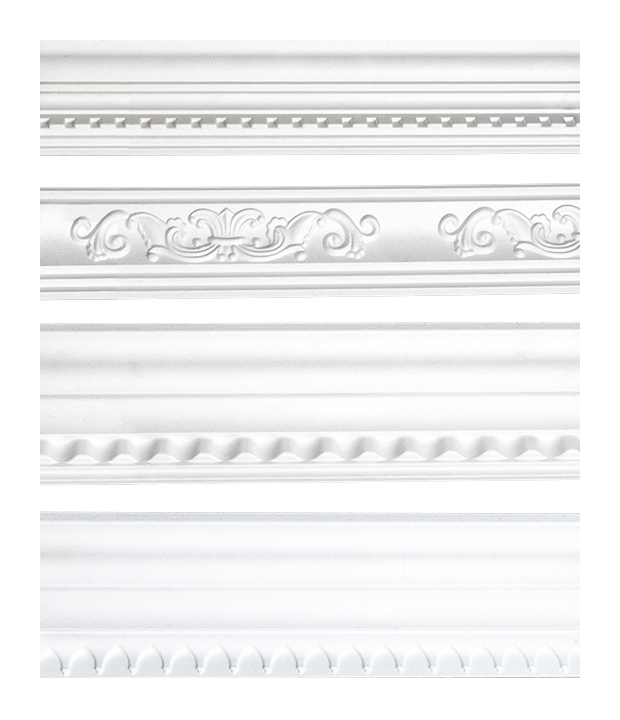 EPS Crown Molding B-30 B-28 B-34 B-32
-
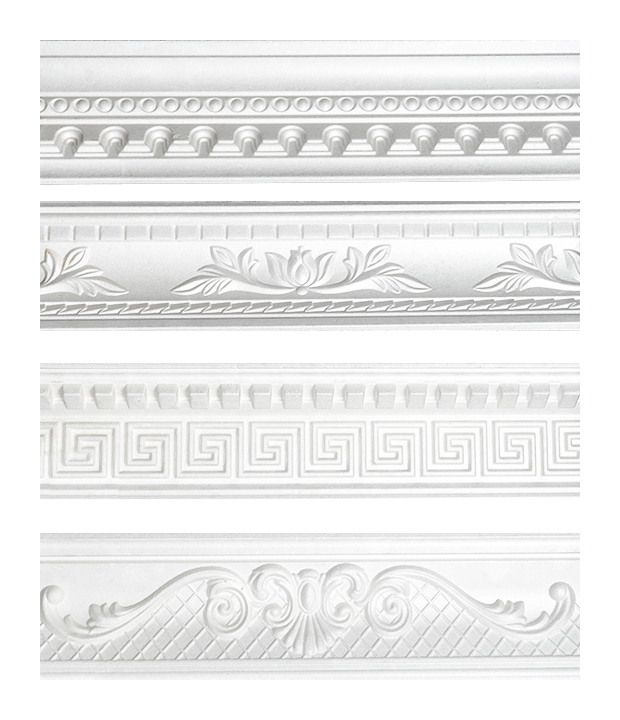 EPS Crown Molding B-42 B-40 B-38 B-36
-
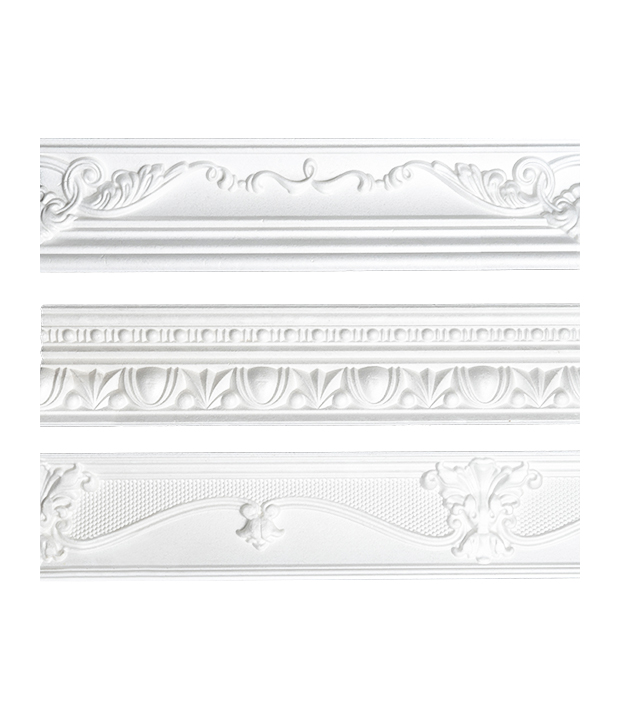 EPS Crown Molding B-60 B-44 B-58
-
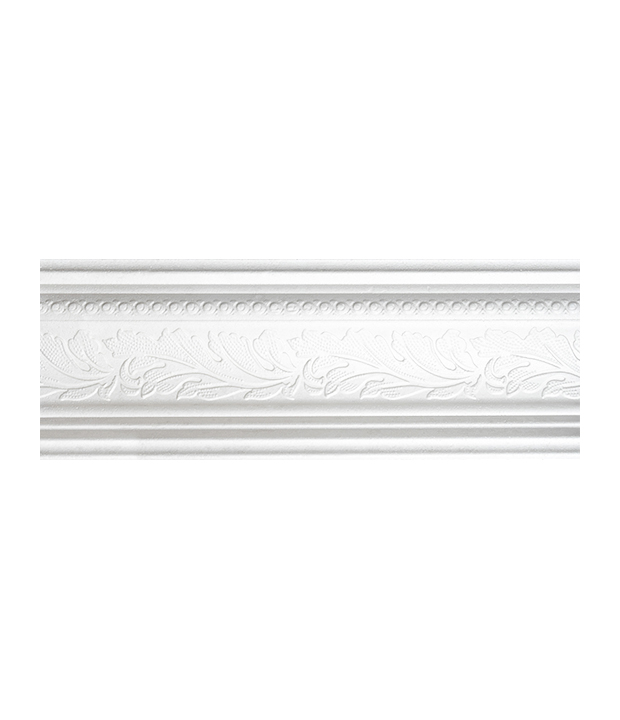 EPS Crown Molding B-56
News
-
-
Introduction What is an EPS Ceiling Medallion? An EPS Ceiling Medallion refers to a decorative ceiling feature made from Expanded Polystyrene (EPS), a type of lightweight foam material. Commonly used ...
READ MORE -
What is a Ceiling Medallion, and How Does it Change the Visual Proportion of Interior Space? In the realm of high-end interior design, the ceiling is no longer an overlooked surface. Often referred to...
READ MORE
Contact info.
- Cell:+86-15951909824 (Amanda)
- Email: amanda@ever-growing.net / 363526407@qq.com
- Add: No.5, Yanhe Rd, Ganduo Indsutrial Park, Gaoyou, Yangzhou, Jiangsu, P.R.O.C.
Quick Links
Copyright © Yangzhou Ever-Growing International Co.,Ltd. All Rights Reserved.
Wholesale Precision Foam Interior Decoration Manufacturers