

 English
 中文简体
中文简体 Español
In the evolution of architectural design, thermal comfort has always been a core metric for measuring quality of life. From open fires to cast-iron radiators and now to radiant heating systems, the un...
READ MORE
Polystyrene Ceiling Tiles: Features, Types, Installation, and Buying Guide
Sep 03,2026 ------ Industry News
When a 2,000-square-meter office ceiling needs to be refinished before a tenant moves in, the existing drywall is too uneven for paint and the budget will not stretch to a suspended metal grid. Polystyrene ceiling tiles solve that problem neatly: they are lightweight enough to glue directly over the old surface, inexpensive enough to cover a large area without straining the budget, and quick enough to install without disrupting the tenant move-in schedule.
Polystyrene ceiling tiles have been a standard option in residential and commercial renovation for decades, for a simple reason. They combine low weight, moisture resistance, thermal insulation, and a clean finished appearance at a fraction of the cost of plaster, gypsum board, or metal tile systems. For a contractor or a homeowner facing an outdated ceiling that needs an affordable upgrade, they deserve to be near the top of the shortlist.
What Are Polystyrene Ceiling Tiles?
Polystyrene ceiling tiles are panels made from expanded polystyrene (EPS) or extruded polystyrene (XPS) foam. EPS is the more common type: it is formed by steaming and expanding polystyrene beads into a block, then cutting or molding the block into patterned panels. XPS is produced through extrusion and has a denser, more uniform closed-cell structure, which makes it slightly stronger and more moisture resistant at the same density.
Most polystyrene ceiling tiles are available in standard 600 x 600 mm (2 x 2 ft) and 12 x 12 inch sizes, with thicknesses ranging from roughly 8 to 20 mm. Designs include smooth, textured, coffered, and embossed surfaces that imitate plaster medallions or tin ceiling patterns. Because the material is foam, it can be cut with a utility knife or a fine-tooth saw, and minor imperfections in the existing ceiling are usually forgiven by the tile's slight flexibility.
Types and Material Properties
Not all polystyrene ceiling tiles perform the same way. The material grade, density, and surface coating have a direct impact on how the tile behaves in a humid bathroom, a cold attic conversion, or a high-traffic hallway.
EPS Ceiling Tiles
EPS, or expanded polystyrene, is the most widely specified material in this category. It is light, economical, and provides a useful layer of thermal insulation. A typical EPS ceiling tile with a density of 12 to 16 kg/m³ has a thermal conductivity of roughly 0.035 to 0.040 W/(m·K), which is lower than gypsum and comparable to many insulation materials. When cost control and installation speed are the top priorities, EPS ceiling tiles are usually the recommended starting point.
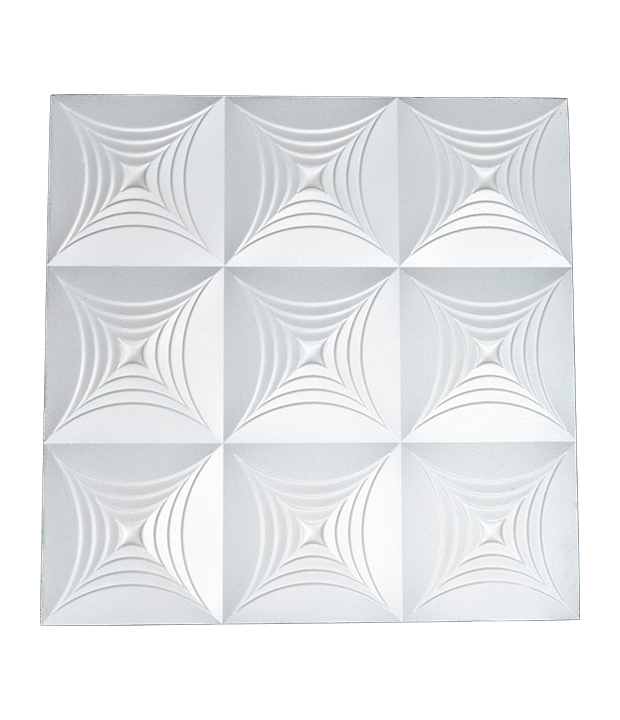 Custom EPS Ceiling Tile Manufacturers, OEM/ODM SuppliersAs China EPS Ceiling Tile Manufacturers and EPS Ceiling Tile OEM/ODM Suppliers, Yangzhou Ever-Growing International Co.,Ltd. Custom EPS C...View Product →
XPS and PS Ceiling Tiles
Extruded polystyrene (XPS) tiles are denser and have a smoother, harder surface. Because the cells are closed and water absorption is near zero, XPS is a better choice in kitchens, bathrooms, and laundry rooms where condensation and steam are part of daily life.
| Property | EPS | XPS/PS | PU |
|---|---|---|---|
| Density (kg/m³) | 10-20 | 25-35 | 40-80 |
| Water absorption | Low | Very low | Very low |
| Thermal conductivity (W/m·K) | 0.035-0.040 | 0.030-0.035 | 0.022-0.028 |
| Relative material cost | Low | Medium | Higher |
| Typical application | General rooms, renovation | Damp areas | Decorative detail |
Why Polystyrene Ceiling Tiles Make Sense
The advantages of polystyrene ceiling tiles are measurable, not theoretical.
- Weight: a 600 x 600 x 12 mm EPS tile weighs roughly 100 to 150 grams, so a full ceiling adds less than 1 kg per square meter. A gypsum board ceiling, by comparison, adds 6 to 10 kg per square meter. In an older building with a stressed lath-and-plaster ceiling, that difference is decisive.
- Moisture resistance: closed-cell foam does not absorb water the way gypsum or mineral fiber does. Cut edges are more vulnerable than the molded face, but a quality paint or edge seal handles that.
- Thermal insulation: an EPS ceiling layer adds meaningful resistance to heat loss through the ceiling, which is valuable in rooms below unheated attics.
- Installation speed: direct glue-up eliminates metal framing, suspension wires, and joint compound. A two-person crew can cover a typical living room ceiling in a day.
- Maintenance: the surface wipes clean with a damp cloth, and scuff marks can be touched up with water-based paint.
- Cost: both the material and the labor are at the low end of the ceiling market.
Installing Polystyrene Ceiling Tiles
Installation is straightforward, but the finished ceiling is only as good as the surface preparation and the layout planning.
Surface Preparation
Polystyrene ceiling tiles can be bonded directly to drywall, lime plaster, lime-cement plaster, chipboard, aerated concrete, and masonry, as long as the substrate is clean, dry, and reasonably flat. Loose paint and wallpaper must be removed. Deep cracks and large uneven areas should be filled or skim-coated before installation. A primed and sound substrate is the difference between a ceiling that stays in place for decades and one that starts lifting at the edges within a year.
Layout and Adhesive
Start by marking the center of the ceiling with chalk lines, then dry-lay a row of tiles in both directions to calculate the width of the border cuts. Keep the border cuts balanced on opposite sides so the ceiling does not look lopsided. Align the first tile with the chalk lines at the center point, then work outward in a pyramid pattern. Apply adhesive following the manufacturer's instructions, usually in dabs or a zigzag pattern on the back of the tile. Do not spread it across the full surface; excess adhesive can warp the tile or squeeze out and attack the foam face.
Spacing and Finishing
Press each tile firmly and hold it in position for a few seconds. If the product is designed with visible joints, use small spacers to maintain uniform gaps. After the adhesive cures, fill the perimeter gap with flexible caulk and touch up any damaged edges. A detailed walkthrough of the installation process for polystyrene ceiling tiles is available in our earlier guide.
Polystyrene vs. Other Ceiling Materials
Polystyrene tiles compete most often with gypsum board, mineral fiber, PVC, and metal tiles. Each material has a different balance of weight, moisture resistance, acoustics, and cost.
| Material | Weight | Moisture resistance | Acoustic performance | Cost | Typical use |
|---|---|---|---|---|---|
| Polystyrene (EPS) | Very light | Good | Moderate | Low | Renovation, budget projects |
| Gypsum board | Heavy | Poor | Good | Medium | High-end residential |
| Mineral fiber | Medium | Poor | Excellent | Medium | Offices, acoustic ceilings |
| PVC | Light | Excellent | Low | Medium | Kitchens, bathrooms |
| Metal | Medium | Excellent | Good | High | Commercial, decorative |
Gypsum and mineral fiber are better at absorbing sound, which is why mineral fiber panels remain the default for office acoustic ceilings. Polystyrene tiles do not claim to replace a dedicated acoustic ceiling. But when moisture, weight, and budget drive the decision, they have a clear edge. If you want a harder panel with finer decorative detail, PU ceiling tiles are worth evaluating as a step up in density and surface quality.
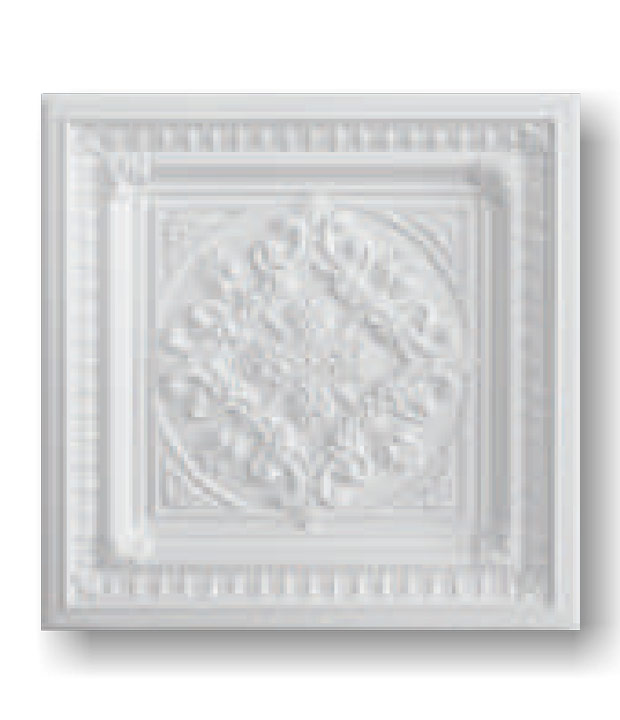 Custom PU Ceiling Tile Manufacturers, OEM/ODM SuppliersAs China PU Ceiling Tile Manufacturers and PU Ceiling Tile OEM/ODM Suppliers, Yangzhou Ever-Growing International Co.,Ltd. Custom PU Ceil...View Product →
What to Check Before Buying
Procurement problems with polystyrene ceiling tiles usually come down to four factors.
- Density: very low-density tiles are more likely to sag, dent, and telegraph the texture of the substrate. Ask the supplier for the density figure and compare it with the intended use.
- Dimensional tolerance: tiles that vary by more than 1 or 2 mm in width produce uneven joints. Ask for the production tolerance before ordering a large batch.
- Surface finish: inspect a sample first. The molded face should be uniform, with no visible sink marks, flashing, or discoloration.
- Fire behavior: EPS is combustible. Many building codes require a flame-retardant grade and an appropriate thermal barrier or sprinkler coverage in specific occupancies. Check the local regulations with your architect or contractor.
Customization is another consideration. A factory that can supply custom patterns, colors, dimensions, or edge profiles is far more useful for a project with specific design requirements. For wet areas such as bathrooms, PVC ceiling tiles are a popular alternative because they offer the highest moisture resistance in the ceiling tile product range.
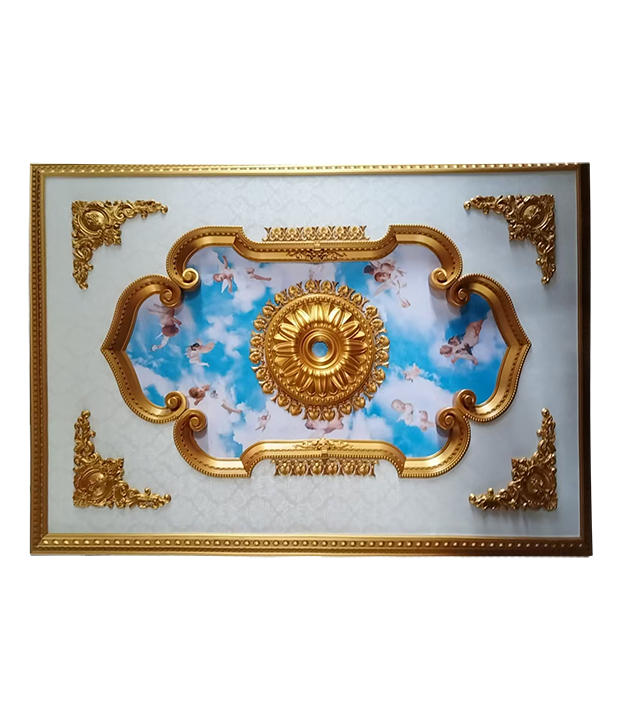 Custom PVC Ceiling Tile Manufacturers, OEM/ODM SuppliersAs China PVC Ceiling Tile Manufacturers and PVC Ceiling Tile OEM/ODM Suppliers, Yangzhou Ever-Growing International Co.,Ltd. Custom PVC C...View Product →
The Bottom Line
Polystyrene ceiling tiles are not the newest material on the market, but they remain one of the most practical for renovations where weight, moisture, and cost are the limiting factors. They install quickly, require little maintenance, and are available in enough patterns and densities to suit most residential and commercial interiors.
Before placing an order, confirm the density, fire rating, and dimensional tolerance with the manufacturer, and test a sample on site. If the substrate is sound and the layout is planned carefully, a polystyrene ceiling tile installation can look clean and professional for decades.
our featured products.
Discover the timeless beauty and craftsmanship of Evergrowing through our featured products.
-
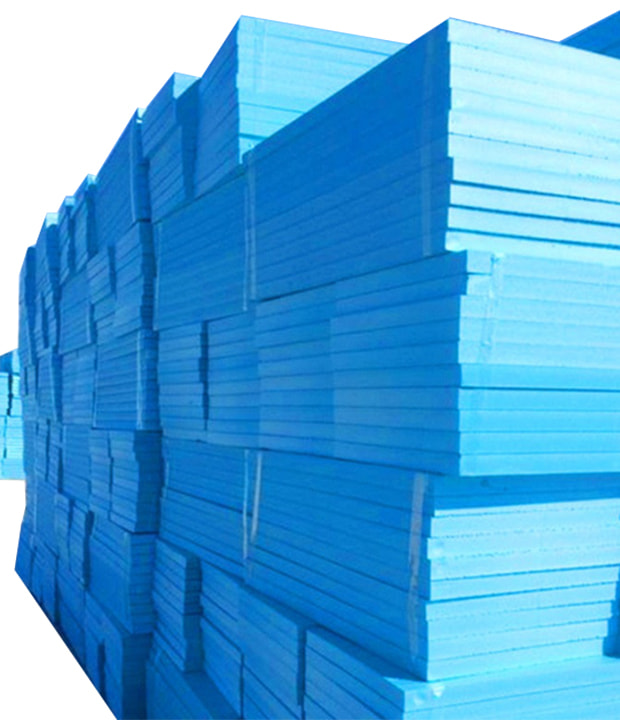 XPS underfloor heating panel
-
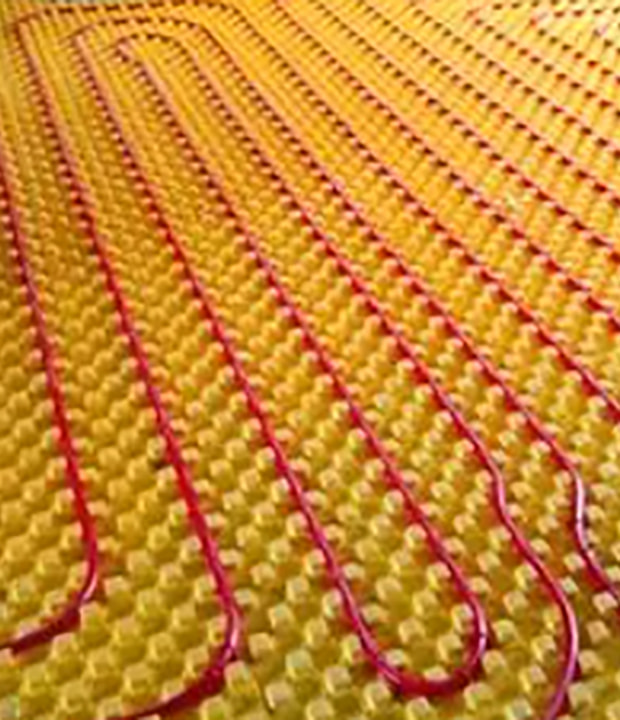 EPS underfloor heating panel
-
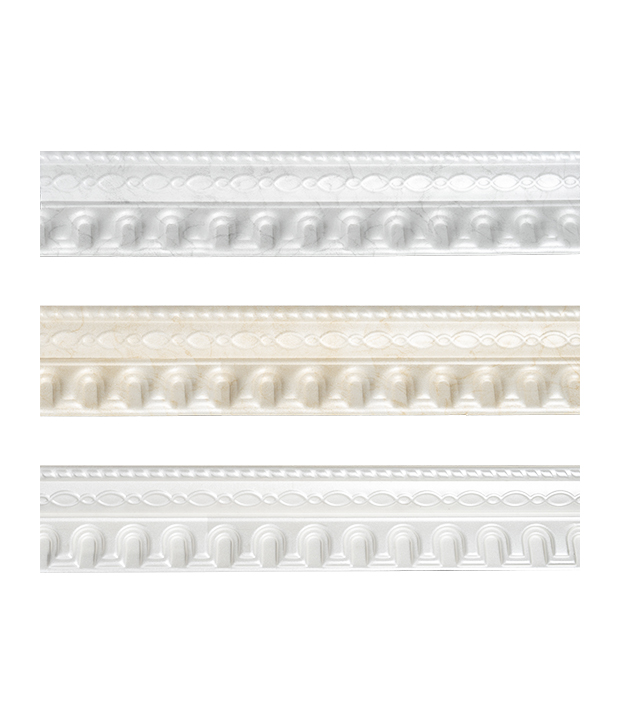 EPS Crown Molding T-06
-
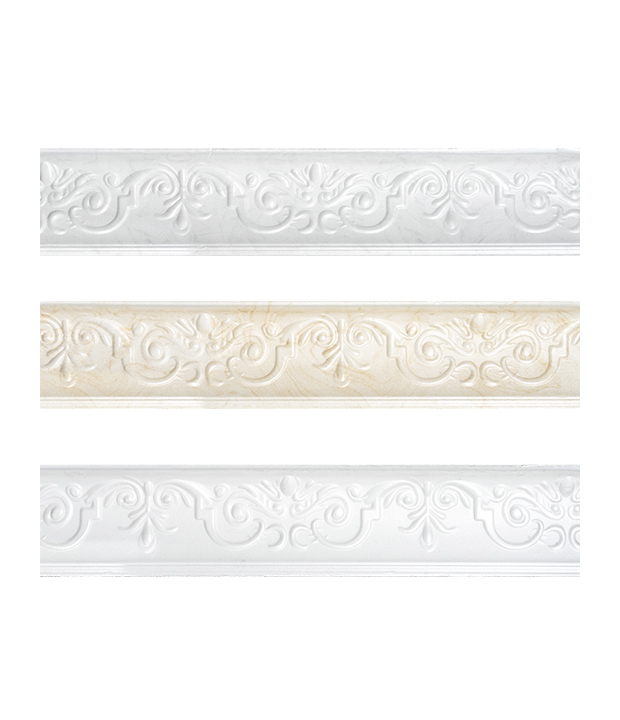 EPS Crown Molding T-04
-
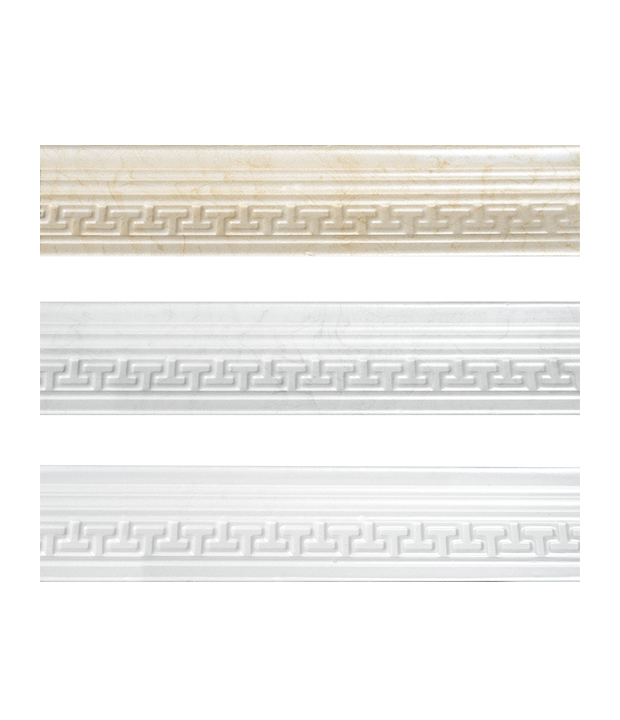 EPS Crown Molding T-02
-
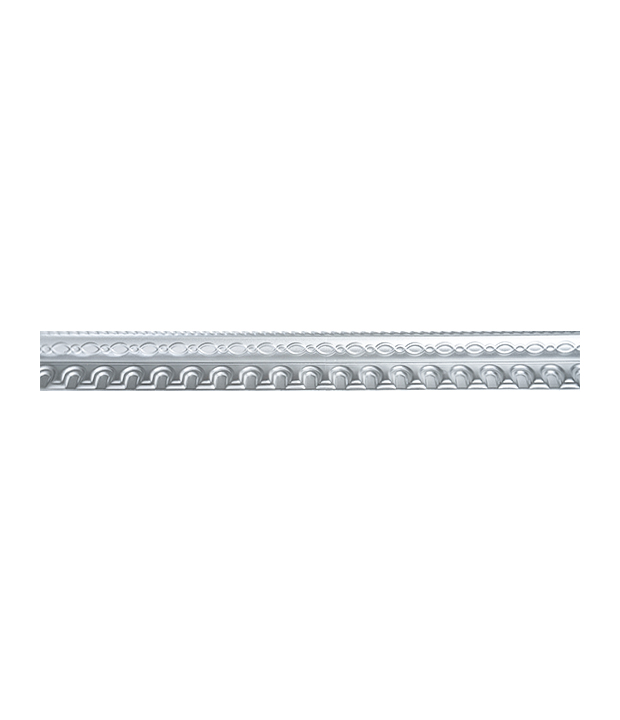 EPS Crown Molding
-
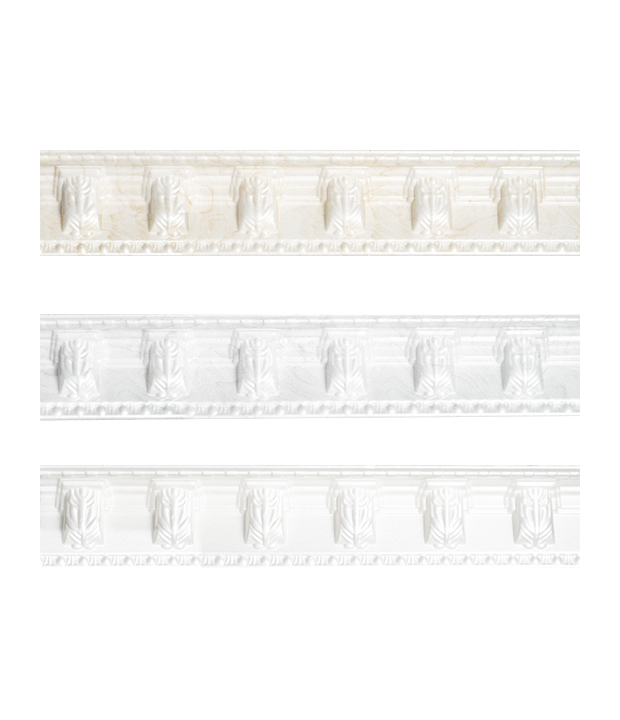 EPS Crown Molding T-18
-
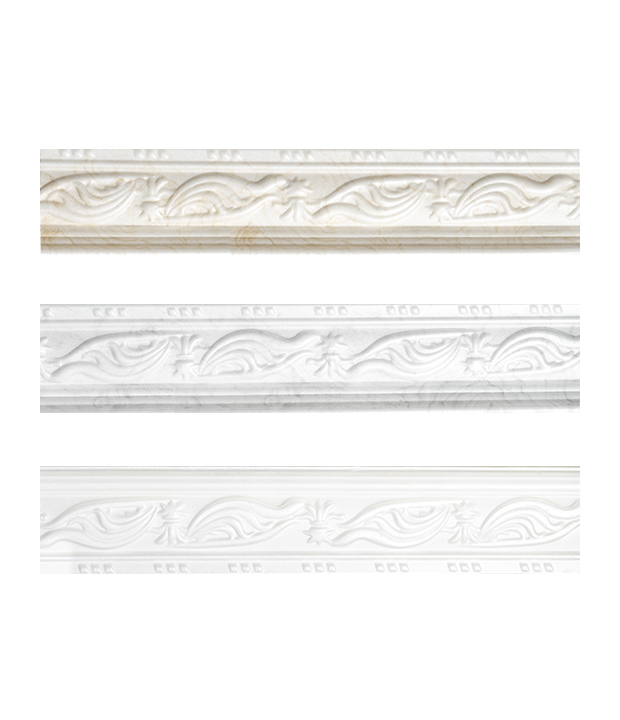 EPS Crown Molding T-20
-
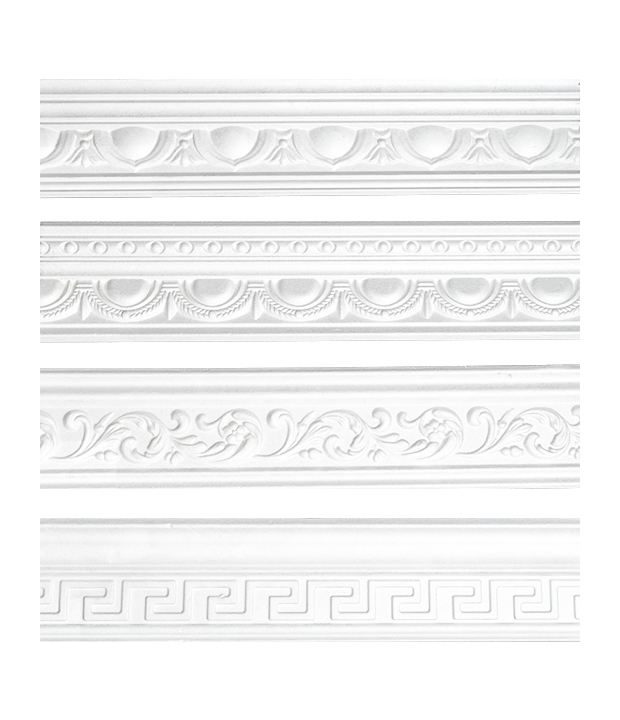 EPS Crown Molding B-06 B-08 B-10 B-12
-
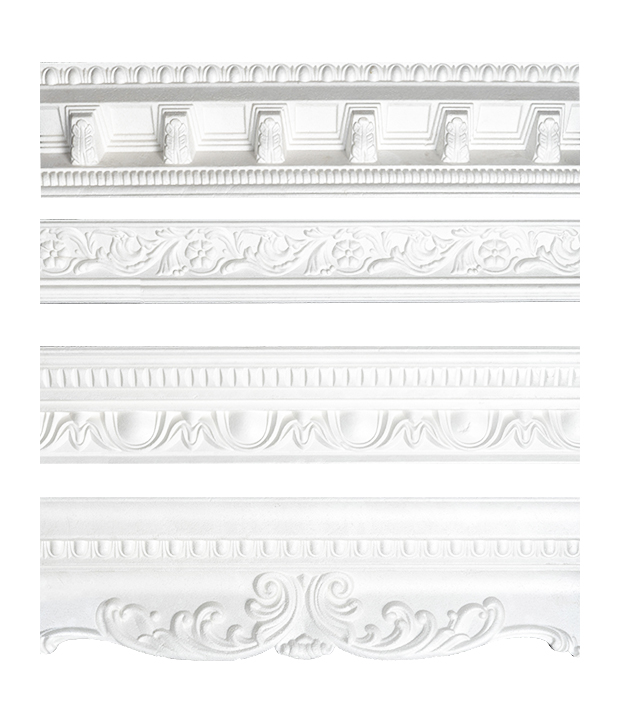 EPS Crown Molding B-22 B-20 B-24 B-18
-
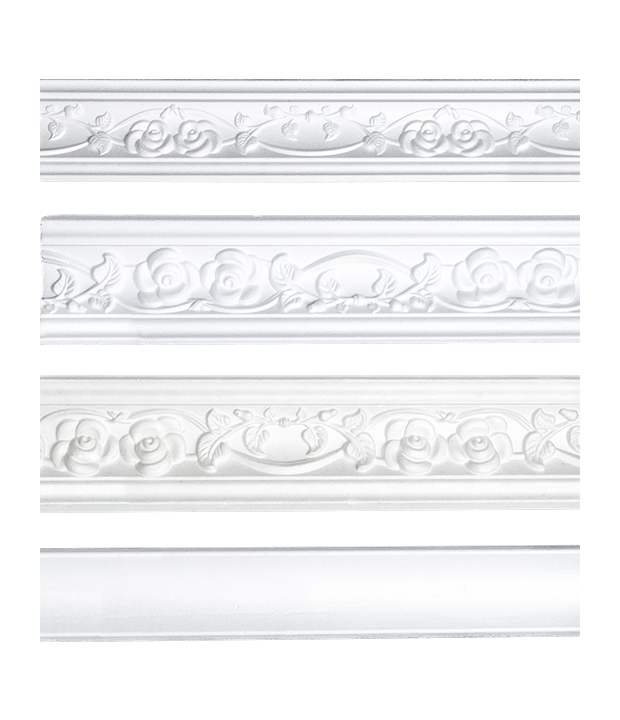 EPS Crown Molding B-26-1 B-26-2 B-26 B-16
-
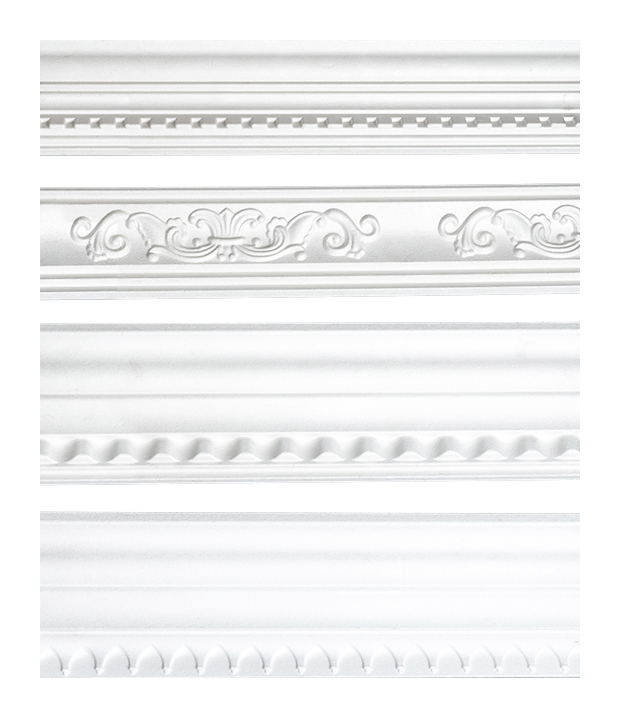 EPS Crown Molding B-30 B-28 B-34 B-32
-
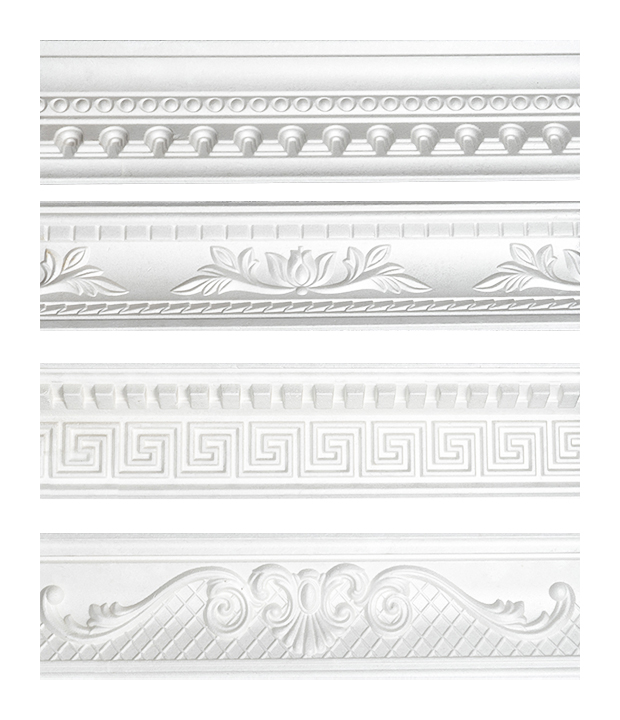 EPS Crown Molding B-42 B-40 B-38 B-36
-
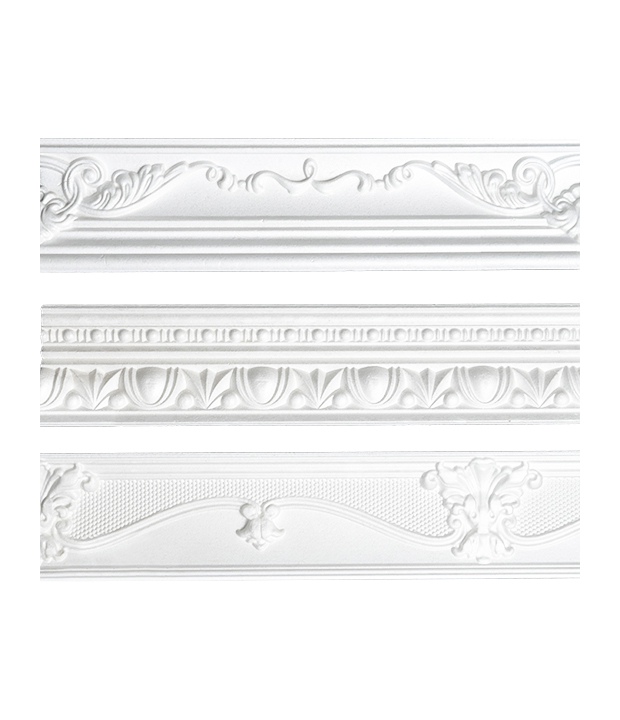 EPS Crown Molding B-60 B-44 B-58
-
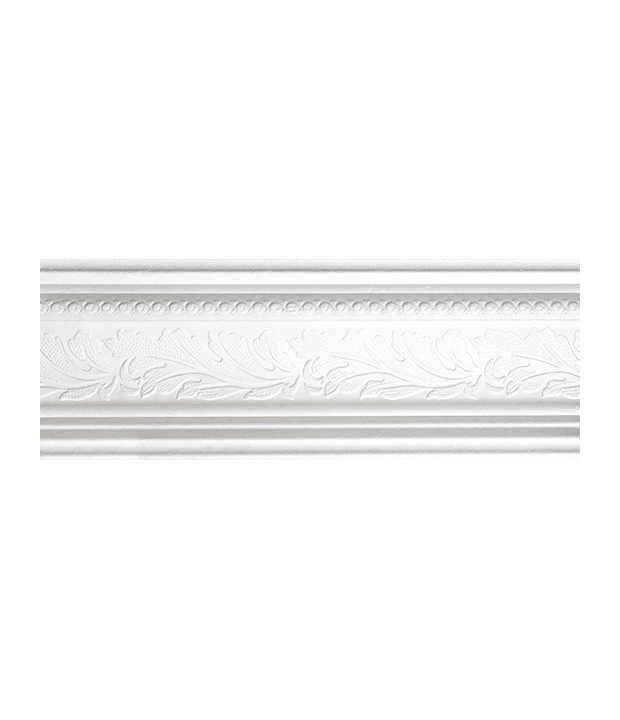 EPS Crown Molding B-56
News
-
-
Introduction What is an EPS Ceiling Medallion? An EPS Ceiling Medallion refers to a decorative ceiling feature made from Expanded Polystyrene (EPS), a type of lightweight foam material. Commonly used ...
READ MORE -
What is a Ceiling Medallion, and How Does it Change the Visual Proportion of Interior Space? In the realm of high-end interior design, the ceiling is no longer an overlooked surface. Often referred to...
READ MORE
Contact info.
- Cell:+86-15951909824 (Amanda)
- Email: amanda@ever-growing.net / 363526407@qq.com
- Add: No.5, Yanhe Rd, Ganduo Indsutrial Park, Gaoyou, Yangzhou, Jiangsu, P.R.O.C.
Quick Links
Copyright © Yangzhou Ever-Growing International Co.,Ltd. All Rights Reserved.
Wholesale Precision Foam Interior Decoration Manufacturers