

 English
 中文简体
中文简体 Español
In the evolution of architectural design, thermal comfort has always been a core metric for measuring quality of life. From open fires to cast-iron radiators and now to radiant heating systems, the un...
READ MORE
Underfloor Heating Panels Explained: EPS vs XPS, Performance, and Installation Tips
Sep 10,2026 ------ Industry News
An underfloor heating panel is the foundation of a radiant heating system, but it is easy to underestimate. It does not generate heat; it prevents heat from sinking into the building structure, supports the finished floor, and gives the heating pipe a consistent position. In practice, the choice of panel changes heating response time, running cost, and long-term floor stability. The fastest way to choose well is to compare thermal conductivity, compressive strength, moisture resistance, and panel thickness before you buy.
Many buyers look only at price or thickness, then discover during installation that the board is uneven, too soft, or too slow to dry after a wet screed. That is why this article focuses on the two main materials used for underfloor heating panels: EPS and XPS.
What an Underfloor Heating Panel Actually Does
An underfloor heating panel is a rigid insulation board placed between the structural floor and the heating circuit. It may be flat for use with a screed, or pre-grooved to hold pipe loops. Most panels are made of EPS or XPS because both materials resist humidity far better than wood fibre or cork in wet construction work. The panel has four essential functions: to reduce heat loss downward, to limit thermal bridges, to carry the load of the floor, and to keep the heating circuit in the correct position. When one of these functions fails, the system still heats, but it becomes slower, less even, and more expensive to run.
EPS vs XPS Underfloor Heating Panels: Practical Comparison
The two materials look similar at first glance, but their internal structure is different. EPS is made from expanded beads fused together, which creates a light board with a slightly open texture. XPS is extruded into a continuous closed-cell sheet, which gives it more stiffness and much lower water uptake. These differences matter in real installations.
EPS underfloor heating panels: a balanced choice for residential floors
EPS panels are cost-effective, easy to cut, and light enough to handle in large sheets. They perform best in dry interior floors above grade, particularly when a screed will be poured over the pipe. Because EPS can be moulded easily, a factory can create grooved panels with integrated pipe channels and multiple thicknesses. For most apartment and house projects, an EPS underfloor heating panel delivers a strong combination of insulation and economy.
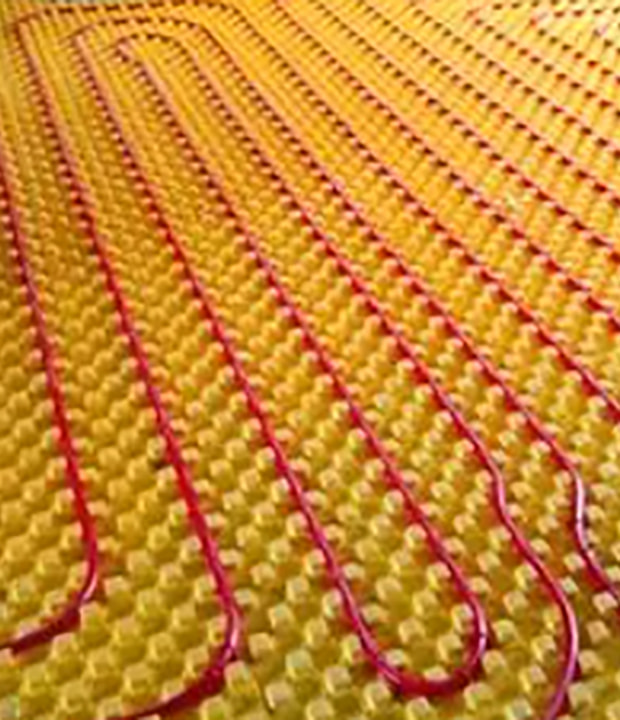 Custom EPS Underfloor Heating Panel Manufacturers, OEM/ODM SuppliersAs China EPS Underfloor Heating Panel Manufacturers and EPS Underfloor Heating Panel OEM/ODM Suppliers, Yangzhou Ever-Growing Internation...View Product →
XPS underfloor heating panels: extra protection for humidity and load
XPS panels have a closed-cell structure that keeps water absorption very low and preserves insulation performance in damp conditions. They also offer higher compressive strength, which makes them suitable for point loads such as heavy kitchen islands or for areas where the slab may be exposed to water. Basement floors, bathrooms, ground floors over wet soil, and commercial corridors are typical applications. If moisture and load are serious concerns, choose an XPS underfloor heating panel even if it costs more than EPS.
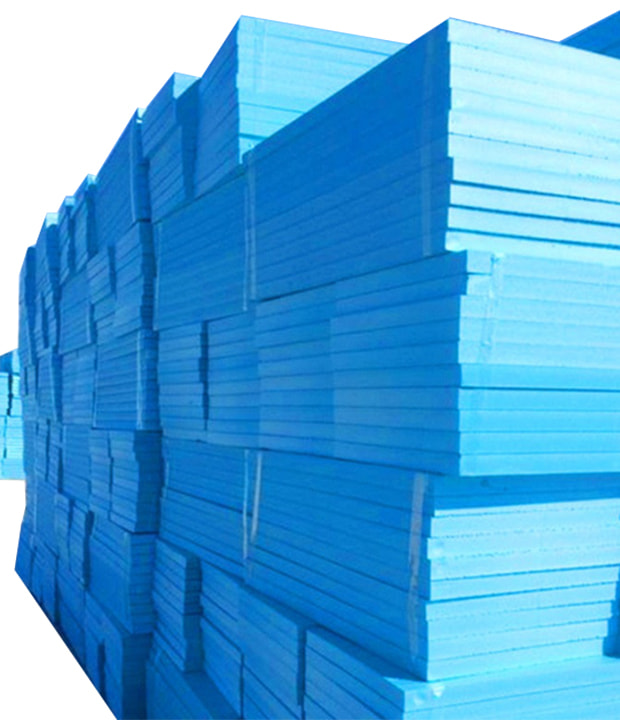 Custom XPS Underfloor Heating Panel Manufacturers, OEM/ODM SuppliersAs China XPS Underfloor Heating Panel Manufacturers and XPS Underfloor Heating Panel OEM/ODM Suppliers, Yangzhou Ever-Growing Internation...View Product →
| Property | EPS panel | XPS panel |
|---|---|---|
| Thermal conductivity | 0.035 to 0.038 W/mK | 0.030 to 0.034 W/mK |
| Compressive strength at 10% deformation | 100 to 200 kPa | 250 to 500 kPa |
| Water absorption by volume | 1.0 to 3.0% | 0.5 to 1.0% |
| Density range | 15 to 30 kg/m3 | 30 to 45 kg/m3 |
| Typical applications | Dry residential screeded floors | Humid or high-load areas |
These are typical values, not fixed specifications. Actual performance depends on board density, thickness, and the quality of the manufacturing line. A detailed thermal comparison of panel variants can help you adjust the design for your project.
Technical Properties That Influence Real Performance
Thermal conductivity is the first number to check, but it is not the only one. Compressive strength defines how much downward pressure the board can resist without permanent deformation. Water absorption matters because a wet board loses R-value and can make the heating system inefficient. Dimensional stability becomes important when the heating circuit creates temperature cycles between 20 and 50 degrees C; a weak board can shrink, warp, or develop ruts at the edge of a joint. Surface finish and groove tolerance decide how easy it is to lay the pipe and how evenly the heat is distributed.
Installation Details That Determine Success
Underfloor heating panels underperform when installation is rushed. On site, the same problems appear again and again: panels placed on an uneven base, joints left open, edge strips omitted, and pipes bent too sharply. Avoid these mistakes by following a clear sequence.
- Clean and level the substrate first. Remove debris and flatten high spots. A panel can bridge small gaps but will not correct a badly uneven slab.
- Stagger the panel joints so that no continuous gap runs across the room. Staggering reduces air movement and transfers the screed load between adjacent boards.
- Seal joints and edges with aluminium or manufacturer-approved tape. The tape stops water and screed slurry from entering the insulation layer.
- Install edge insulation strips around the room perimeter before pouring screed. The strip absorbs thermal expansion and prevents the heating floor from pressing directly against the wall.
- Lay the pipe or cable according to the calculated spacing. Tight bends can kink the pipe, and wide spacing creates cold zones. Use clips that fit the panel groove.
- Protect the panel surface before screeding. Foot traffic can crush soft EPS, and falling tools can leave holes that allow heat to escape.
For wet areas where the screed will stay damp for longer, switch from EPS to XPS. The closed-cell structure makes the board more forgiving when water is present during installation.
What to Ask the Manufacturer
Laboratory values mean little if the production run is inconsistent. Ask the manufacturer for documented density, thermal conductivity, compressive strength, water absorption, and dimensional tolerance for each batch. Also check how the panels are stored before delivery; damp or dirty boards lose part of their insulation value before they reach the site. A manufacturer with in-house production can adapt cutter settings and groove patterns for non-standard dimensions, which reduces mismatched boards on site.
Making the Final Choice
Start with the project, not the material. For a typical dry interior floor with a screed overlay, a high-density EPS underfloor heating panel usually gives the best balance of cost, thermal performance, and ease of cutting. For a basement, bathroom, ground floor over humid soil, or any area with concentrated loads, choose an XPS panel for extra safety. In both cases, buy from a manufacturer that can show consistent dimensions and clear technical data. The right panel disappears below the floor, but its performance stays visible in every heating bill.
our featured products.
Discover the timeless beauty and craftsmanship of Evergrowing through our featured products.
-
 XPS underfloor heating panel
-
 EPS underfloor heating panel
-
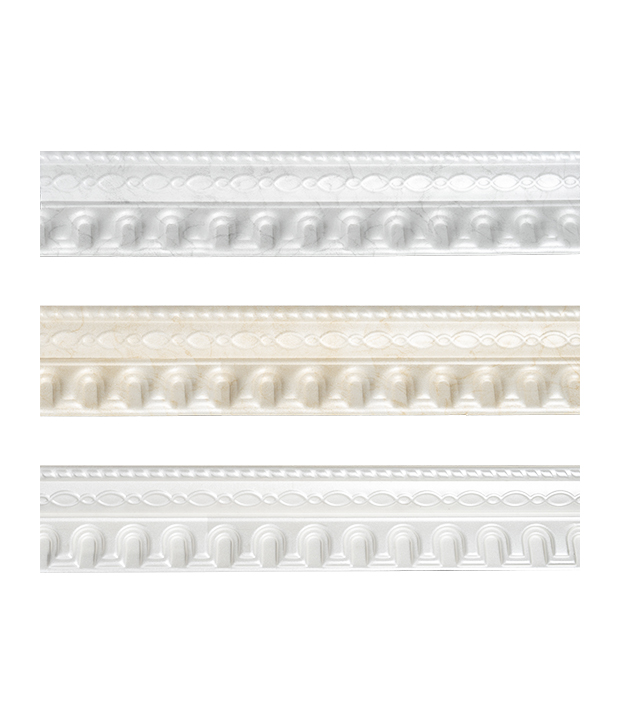 EPS Crown Molding T-06
-
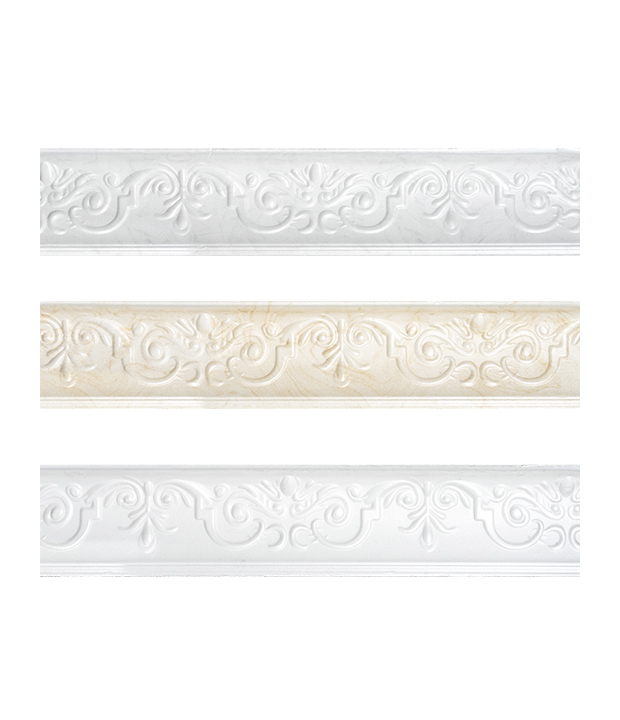 EPS Crown Molding T-04
-
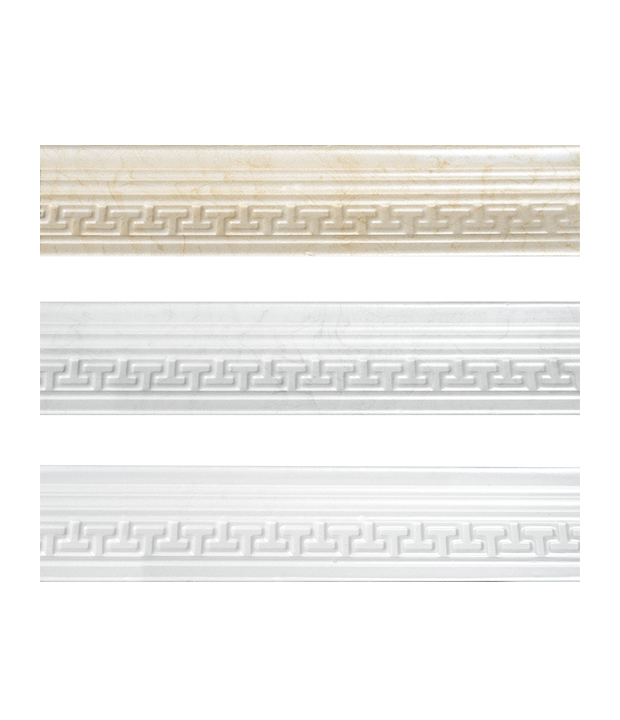 EPS Crown Molding T-02
-
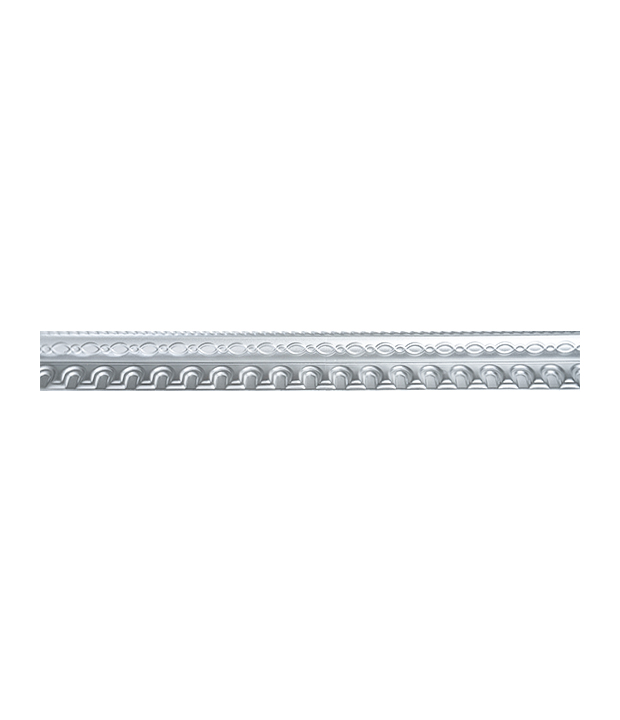 EPS Crown Molding
-
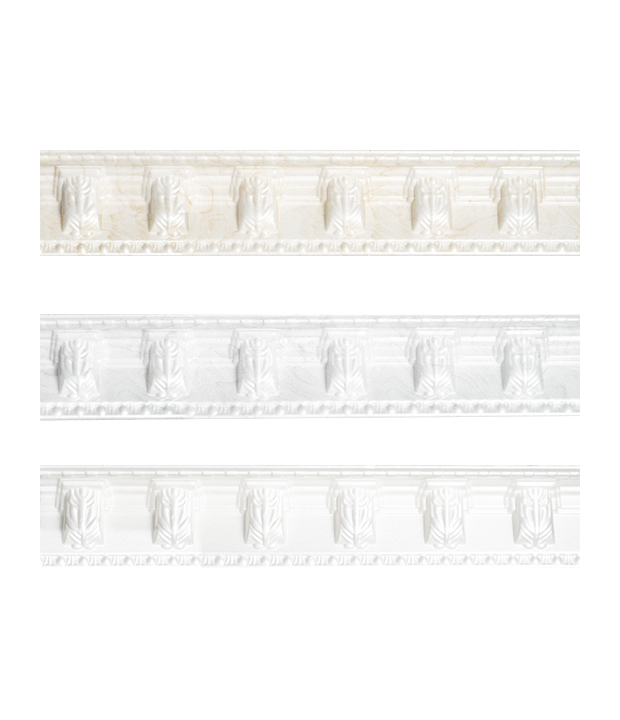 EPS Crown Molding T-18
-
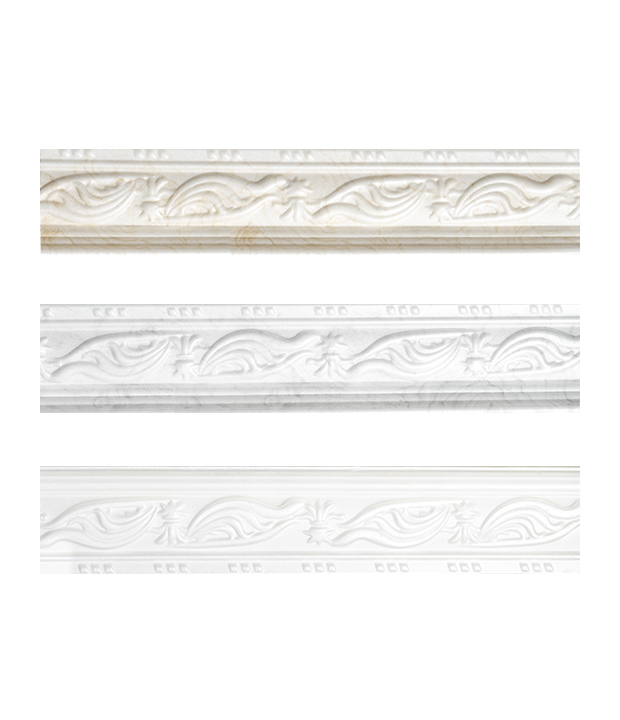 EPS Crown Molding T-20
-
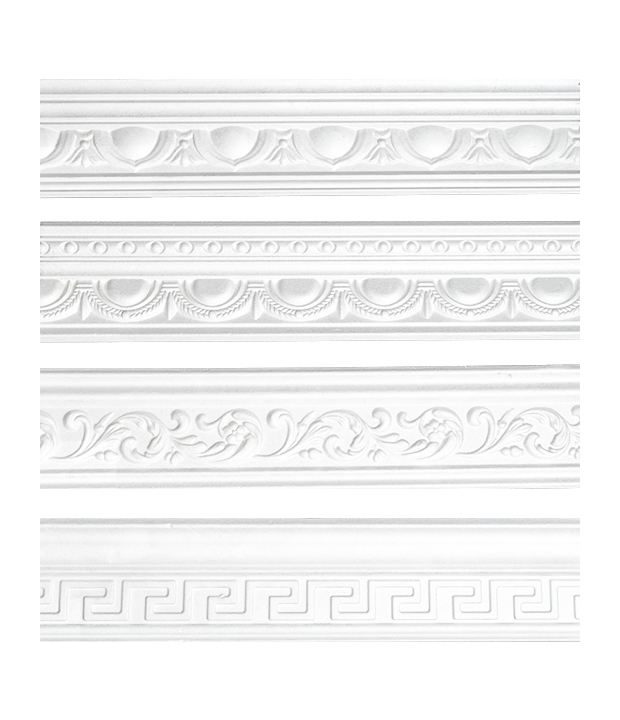 EPS Crown Molding B-06 B-08 B-10 B-12
-
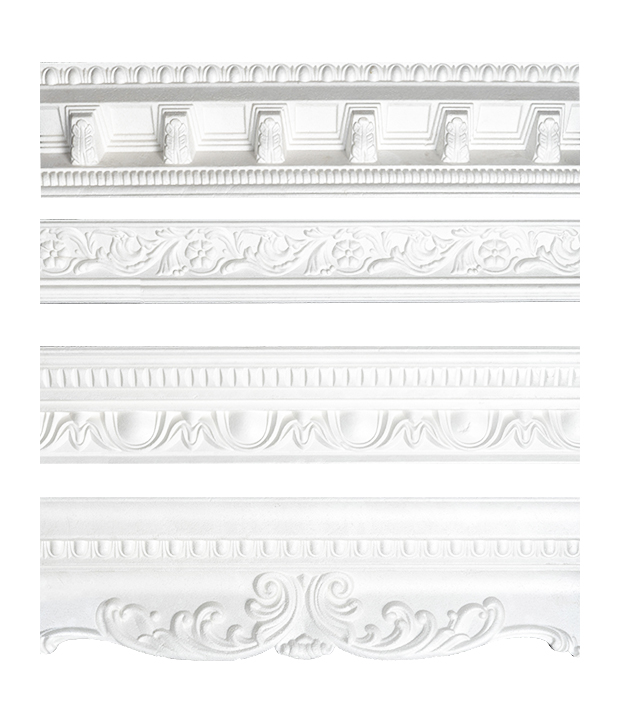 EPS Crown Molding B-22 B-20 B-24 B-18
-
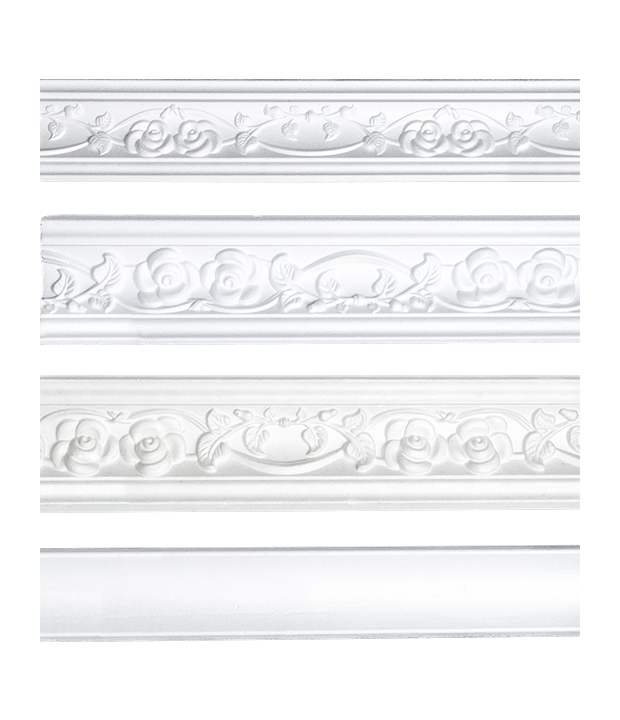 EPS Crown Molding B-26-1 B-26-2 B-26 B-16
-
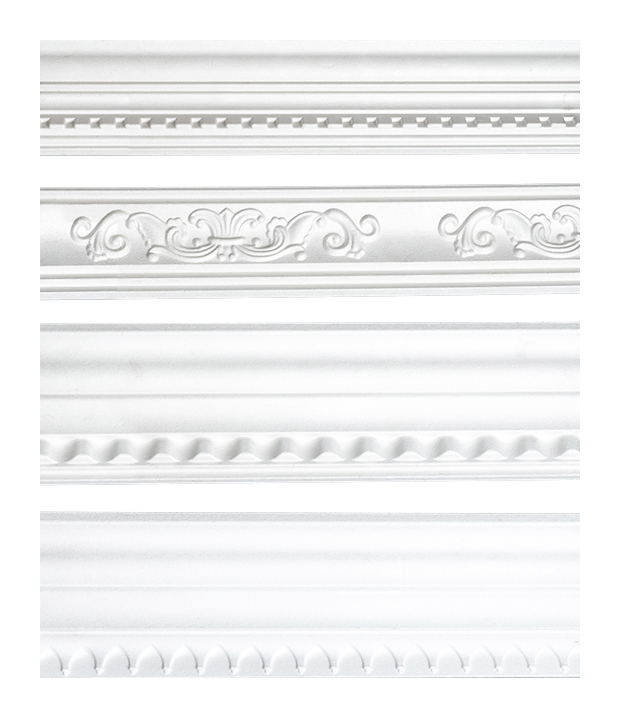 EPS Crown Molding B-30 B-28 B-34 B-32
-
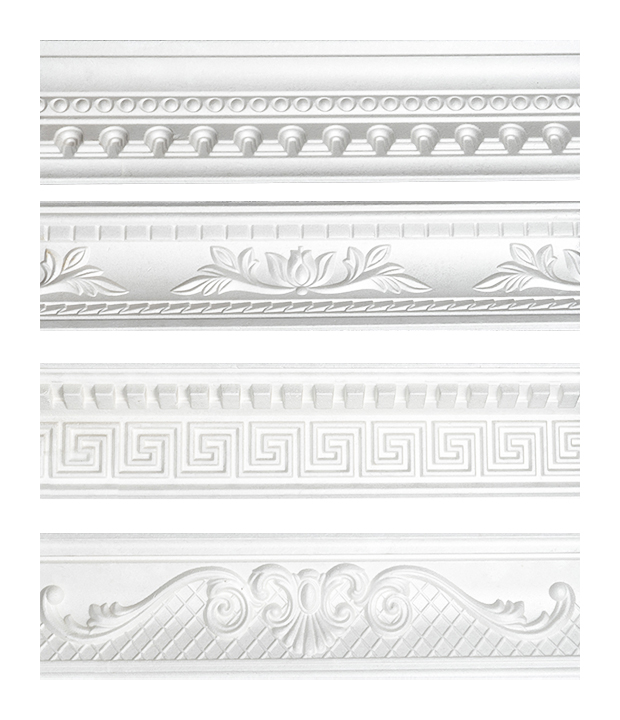 EPS Crown Molding B-42 B-40 B-38 B-36
-
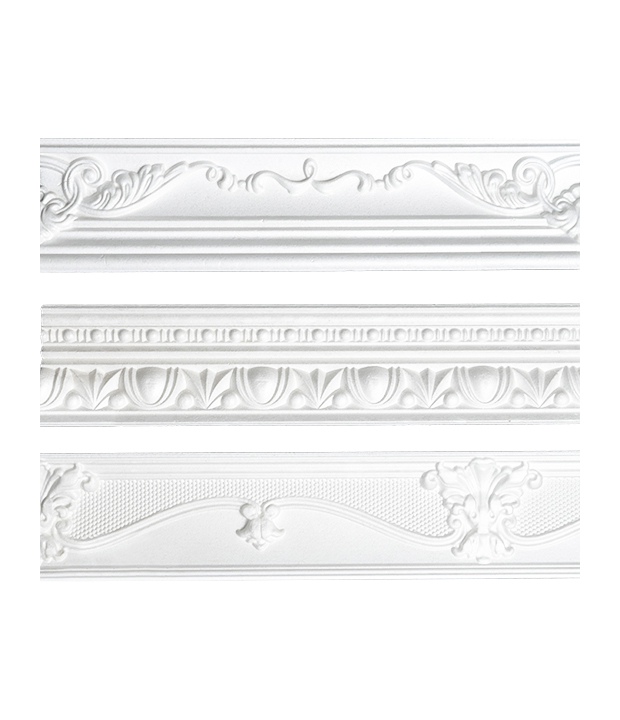 EPS Crown Molding B-60 B-44 B-58
-
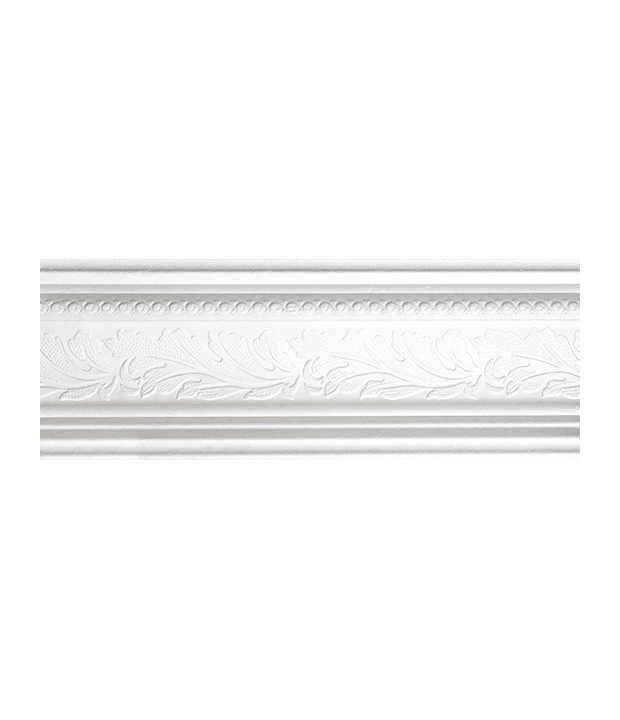 EPS Crown Molding B-56
News
-
-
Introduction What is an EPS Ceiling Medallion? An EPS Ceiling Medallion refers to a decorative ceiling feature made from Expanded Polystyrene (EPS), a type of lightweight foam material. Commonly used ...
READ MORE -
What is a Ceiling Medallion, and How Does it Change the Visual Proportion of Interior Space? In the realm of high-end interior design, the ceiling is no longer an overlooked surface. Often referred to...
READ MORE
Contact info.
- Cell:+86-15951909824 (Amanda)
- Email: amanda@ever-growing.net / 363526407@qq.com
- Add: No.5, Yanhe Rd, Ganduo Indsutrial Park, Gaoyou, Yangzhou, Jiangsu, P.R.O.C.
Quick Links
Copyright © Yangzhou Ever-Growing International Co.,Ltd. All Rights Reserved.
Wholesale Precision Foam Interior Decoration Manufacturers