

 English
 中文简体
中文简体 Español
In the evolution of architectural design, thermal comfort has always been a core metric for measuring quality of life. From open fires to cast-iron radiators and now to radiant heating systems, the un...
READ MORE
Polystyrene Ceiling Tiles: Types, Benefits, and Installation Guide for Your Home
Sep 17,2026 ------ Industry News
Walk into a 1950s house and you will often find a ceiling made of plaster that has cracked at every corner, or a drop ceiling with panels that sag after years of moisture. Polystyrene ceiling tiles solve that problem without demolition. They are lightweight enough to hold with adhesive, cheap enough to replace a damaged surface, and available with decorative patterns that mimic tin, wood, or smooth plaster. The catch is to choose the right density, fire rating, and installation method for your particular room. For an overview of how these tiles fit into modern interiors, see our guide to polystyrene ceiling tiles for modern interiors.
What Are Polystyrene Ceiling Tiles?
Polystyrene ceiling tiles are commonly made from expanded polystyrene (EPS), a closed-cell foam that is molded into large sheets and then cut or thermoformed into ceiling tiles. A thin decorative film is often laminated on the face to make the surface washable and more resistant to yellowing. Tiles typically measure 600 by 600 mm, but some producers supply 1,200 by 600 mm planks or custom sizes for renovation projects.
Unlike gypsum, EPS contains no water, so the tile will not add significant weight to the ceiling. Unlike PVC ceiling tiles, EPS has a slightly soft surface that can be cut easily with a sharp knife, making it a forgiving material for non-professional installers.
Why Choose Polystyrene Over Other Ceiling Materials?
| Property | Polystyrene (EPS) | Gypsum | PVC | Mineral Fiber |
|---|---|---|---|---|
| Weight | Very light | Heavy | Light | Heavy |
| Moisture resistance | High | Low | High | Medium |
| Installation | Adhesive, direct | Screws and framing | Adhesive or clips | Grid system |
| Cost per m² | Low | Moderate | Low to moderate | Moderate |
| Fire performance | Treatable, confirm rating | Non-combustible | Self-extinguishing | Non-combustible |
| Thermal insulation | Good | Poor | Low | Moderate |
The table summarizes typical product behavior; actual values vary by manufacturer. For a small room where weight and speed are priorities, EPS is the least disruptive option. In a building corridor with a strict fire code, gypsum or mineral fiber may be required. Confirm the exact fire class on the product label before specifying.
Common Types and Surface Finishes
Smooth and Laminated Tiles
A smooth laminated tile is essentially an EPS core with a PVC or film face. It resists dust, can be wiped down, and is the standard choice for kitchens and shops.
Embossed and Faux-Tin Tiles
Embossed patterns create shallow relief that gives an old-fashioned tin or coffered look without the heavy metal panels. This style works well in living rooms, restaurants, and period renovations, and the raised detail also helps hide minor cutting errors.
Perforated Acoustic Tiles
Perforation creates small sound-absorbing holes, but note that EPS alone is not a reliable acoustic absorber. The final performance depends on the hole pattern, tile thickness, and backing material. If you need a specific sound absorption coefficient, ask for laboratory data rather than relying on the word "acoustic" printed on a sales sheet.
Installation Best Practices
Proper surface preparation is the most important part of any polystyrene tile installation. The substrate should be flat, clean, dry, and free of loose paint. If the ceiling has glossy paint, scuff it with sandpaper or apply an adhesion promoter.
- Measure the room and snap chalk lines to find the center of the ceiling.
- Dry-lay a row of tiles along the line without adhesive to check the layout.
- Apply the recommended adhesive to the back of the tile in a serpentine pattern or in several strips.
- Press the first tile firmly against the ceiling, aligning its edges with the chalk line.
- Install remaining tiles in a pyramid pattern from the starting tile, keeping a consistent gap between tiles if the product requires one.
- Cut border tiles with a sharp utility knife, using a straightedge for a clean edge.
- After the adhesive cures, run a bead of paintable caulk into the gaps and wipe off excess.
One common mistake is to put adhesive on every square inch of the tile. That makes leveling difficult and slows you down. Two or three lines of adhesive are enough for most flat ceilings.
What to Look For When Buying Polystyrene Ceiling Tiles
If you start comparing polystyrene ceiling tiles online, the first thing you notice is price. But the cheapest board is rarely the best one for a visible ceiling. Focus on density, fire rating, surface finish, and dimensional tolerance. Higher density EPS, often around 15 to 20 kg/m³, gives a firmer feel and better dimensional stability. Look for a documented fire classification, such as Class 1 or Class B depending on your local standard. Laminated or coated surfaces are easier to clean than bare foam, and square tile edges keep seams tight.
A manufacturer that produces both EPS and PU ceiling tiles can simplify the selection process, because you can evaluate two materials side by side without a second supplier audit. For standard renovated rooms, an EPS ceiling tile provides a balanced combination of light weight and cost efficiency. In a bathroom, a restaurant kitchen, or any space that gets regular cleaning, a PU ceiling tile with a hard surface may last longer and look cleaner.
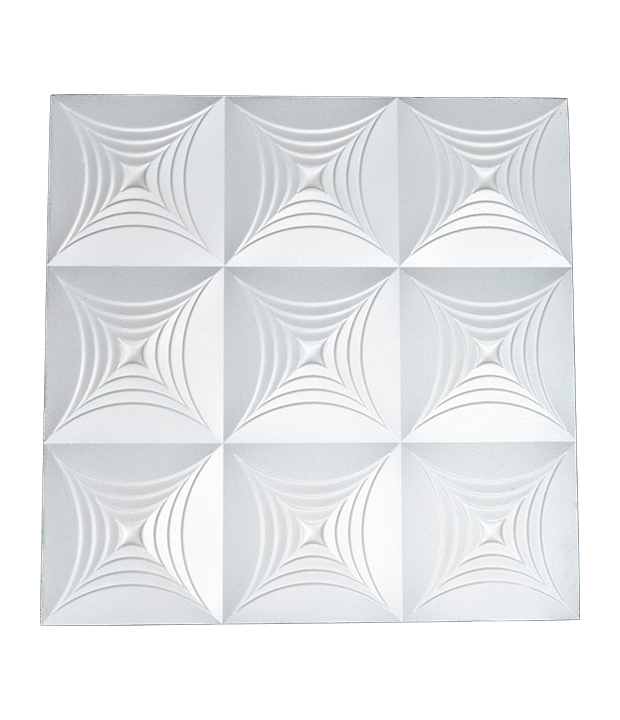 EPS Ceiling Tiles for Lightweight Renovation ProjectsThis EPS tile option suits standard room renovations where light weight and quick adhesive installation are priorities, offering thermal and acoustic insulation while remaining budget-friendly for residential or commercial spaces.View Product →
 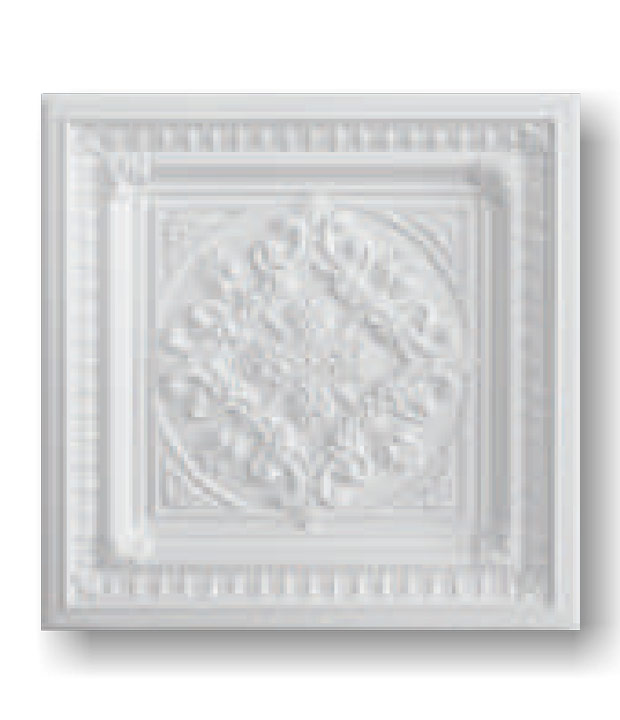 PU Ceiling Tiles with Durable Hard Surface for Wet AreasFor bathrooms, restaurant kitchens, or spaces needing regular cleaning and long-term durability, this PU tile provides moisture resistance, easy maintenance, and a hard surface that withstands repeated contact.View Product →
Where to Use Polystyrene Ceiling Tiles
Because they are light and simple to install, polystyrene ceiling tiles are common in residential renovations, small shops, cafés, and commercial offices. They also work well as a temporary cover-up while a landlord plans a more permanent renovation. Avoid using them in areas where the surface temperature will exceed the manufacturer's rating, near unvented heaters, or in a steam room with continuous high humidity unless the specific product is rated for that environment.
Polystyrene ceiling tiles remain a practical choice when you need an affordable, quick-to-install ceiling surface. The key is to match the density, fire rating, and finish to the room, not to a trend. With a flat substrate, good adhesive, and a straight first row, a one-person weekend project can give a tired ceiling a clean new look. And since many manufacturers offer custom dimensions and surface patterns, the material adapts to both repairs and new decorative schemes.
our featured products.
Discover the timeless beauty and craftsmanship of Evergrowing through our featured products.
-
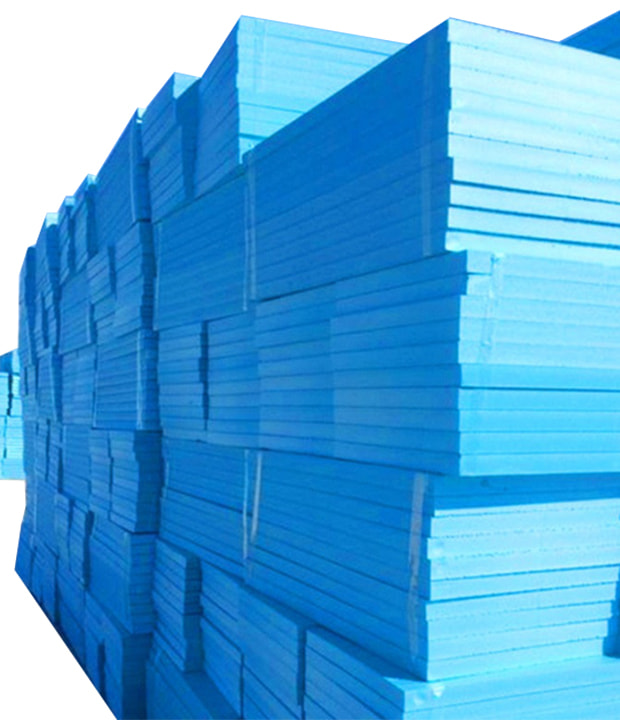 XPS underfloor heating panel
-
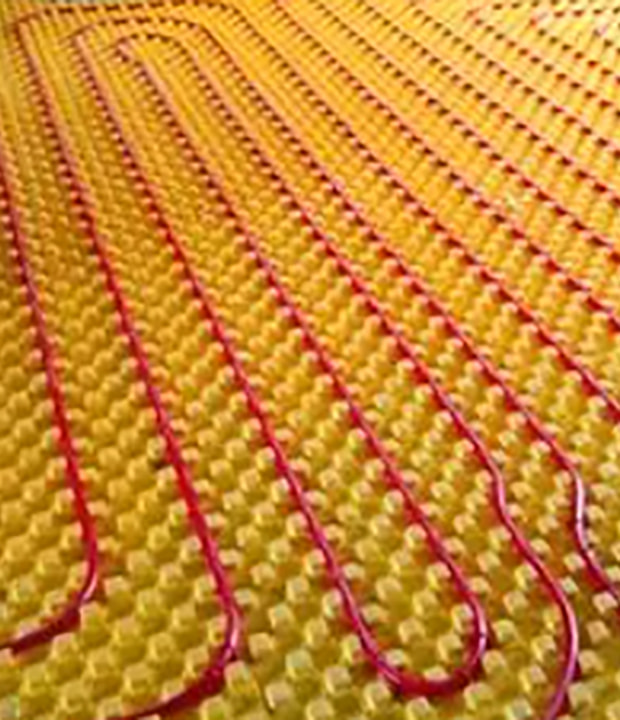 EPS underfloor heating panel
-
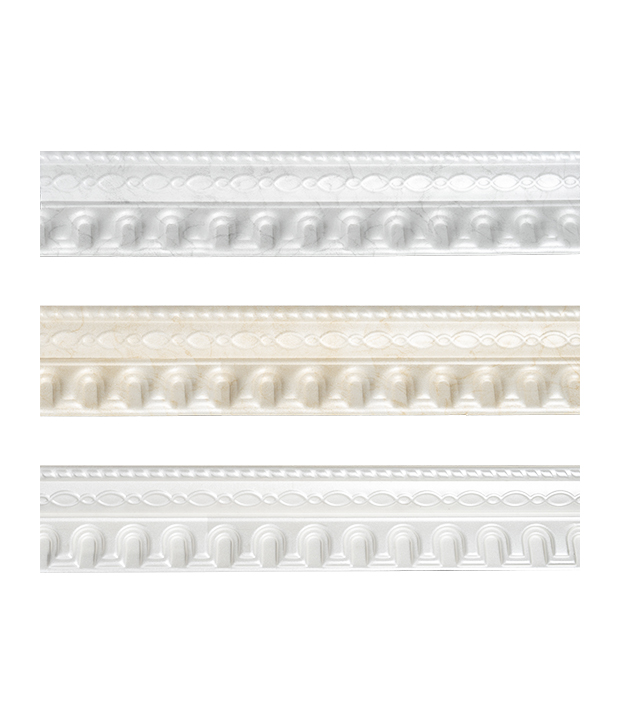 EPS Crown Molding T-06
-
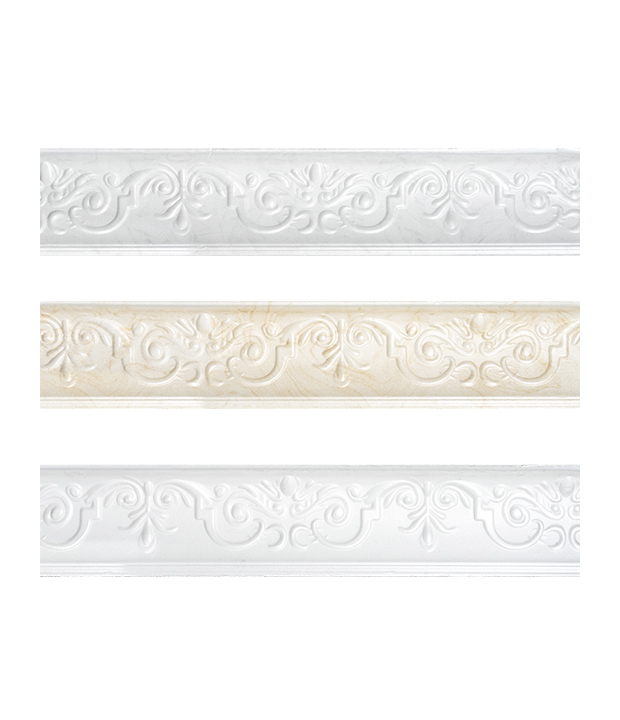 EPS Crown Molding T-04
-
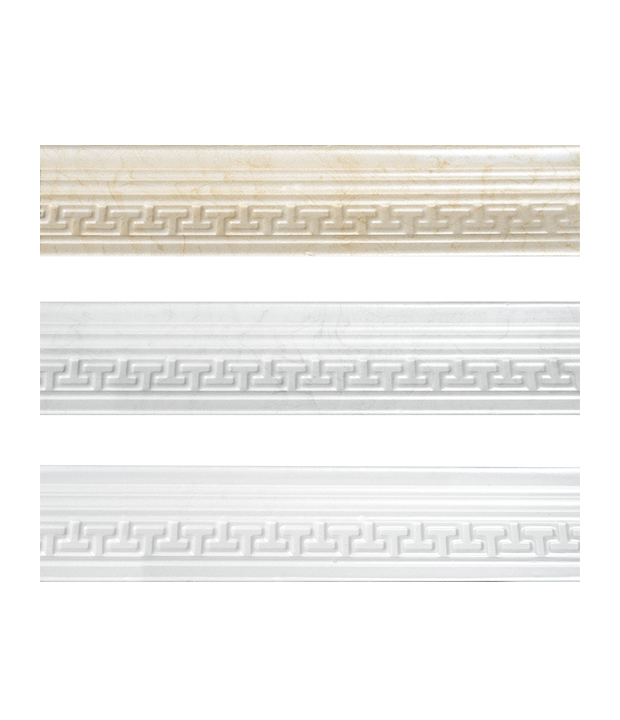 EPS Crown Molding T-02
-
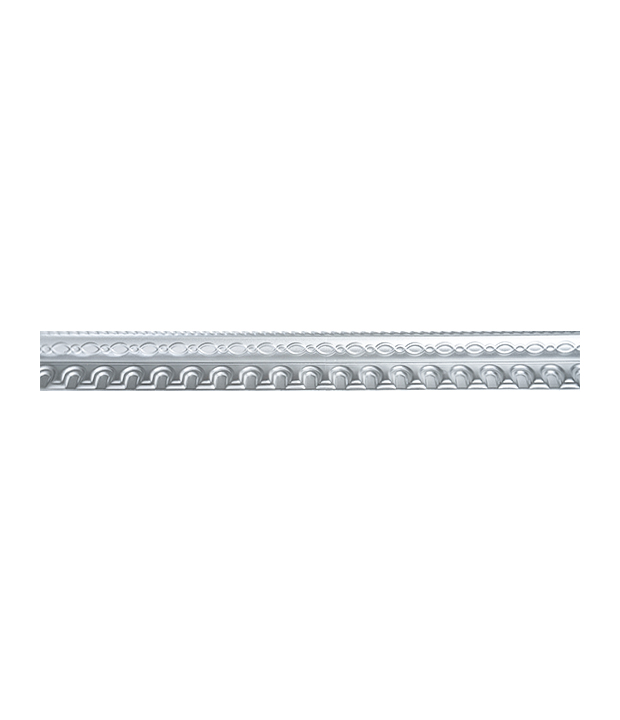 EPS Crown Molding
-
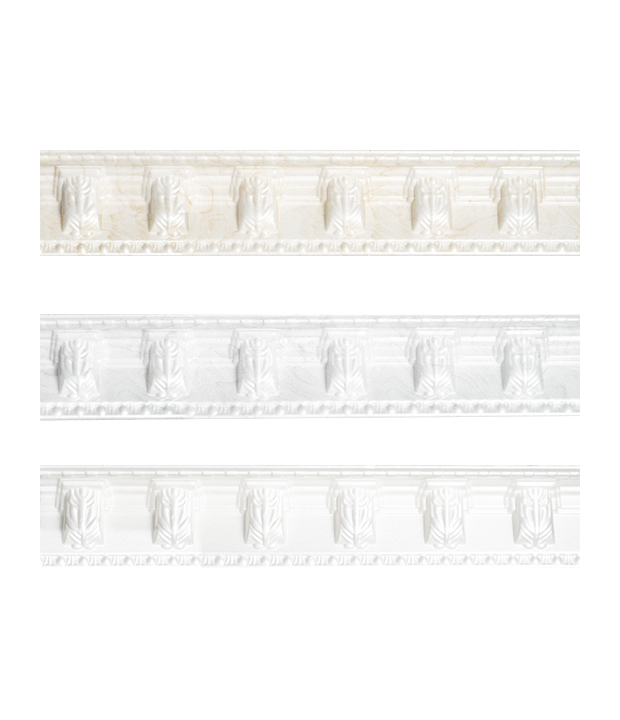 EPS Crown Molding T-18
-
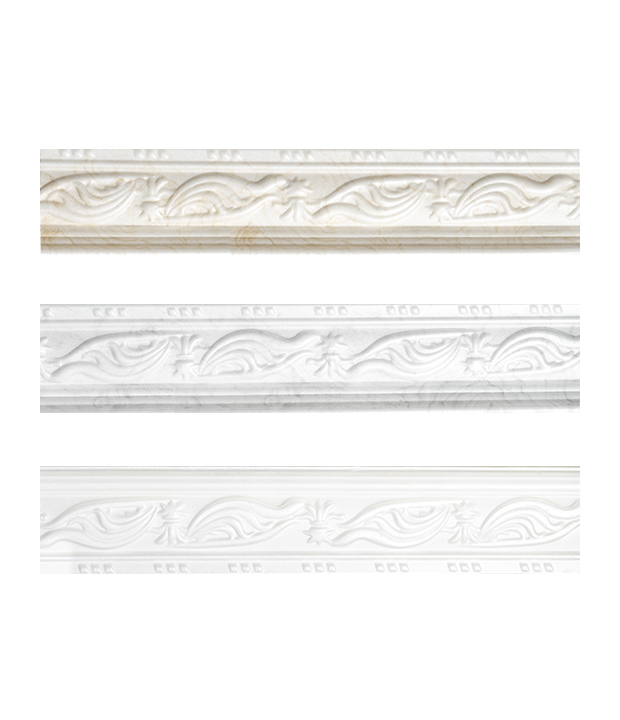 EPS Crown Molding T-20
-
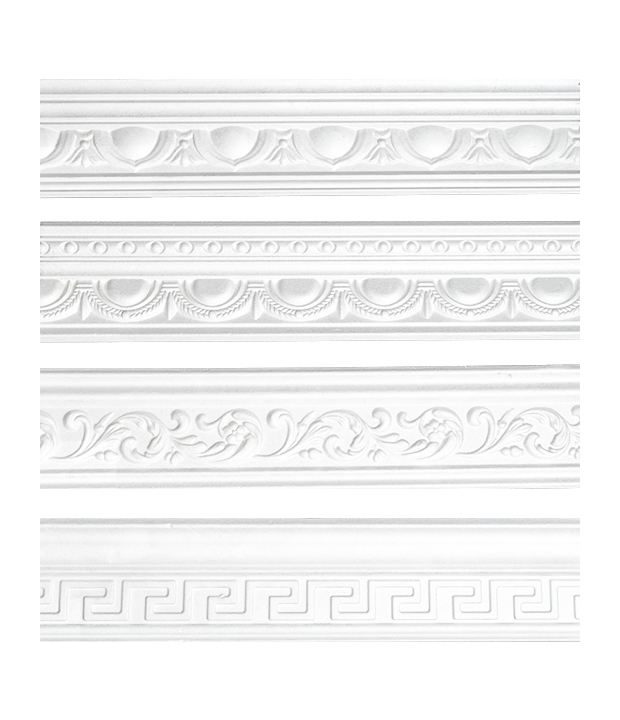 EPS Crown Molding B-06 B-08 B-10 B-12
-
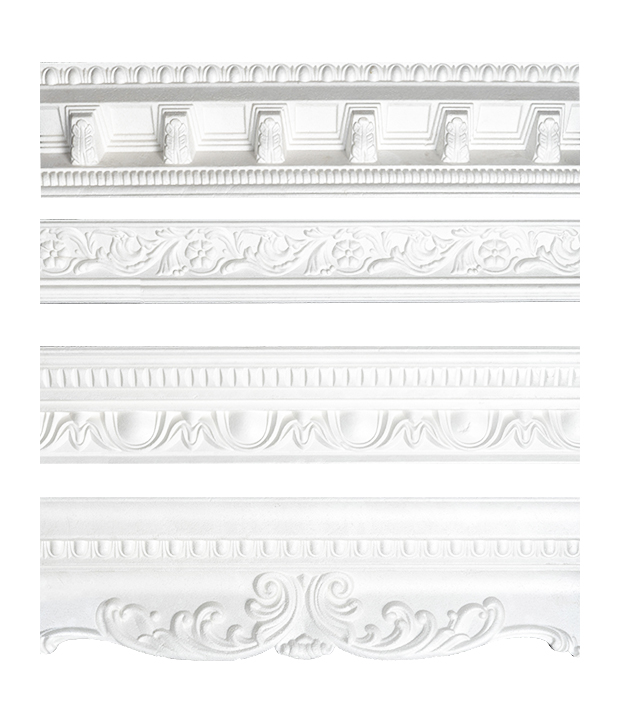 EPS Crown Molding B-22 B-20 B-24 B-18
-
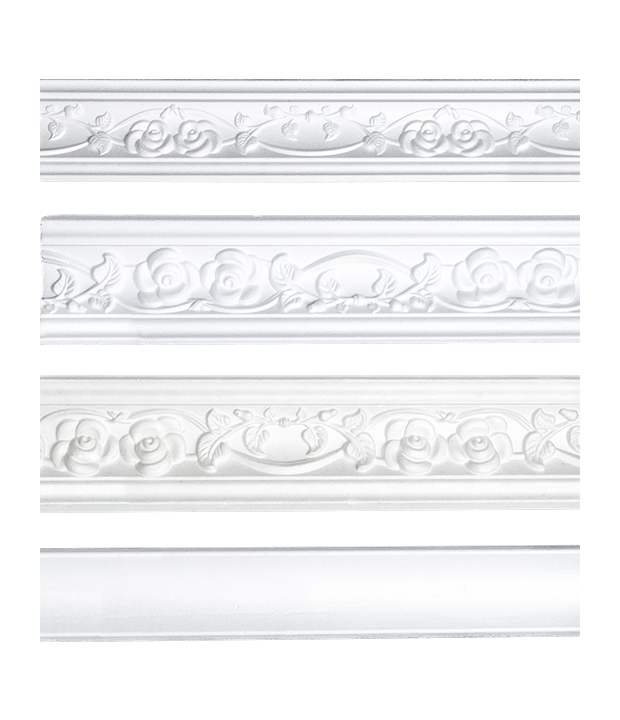 EPS Crown Molding B-26-1 B-26-2 B-26 B-16
-
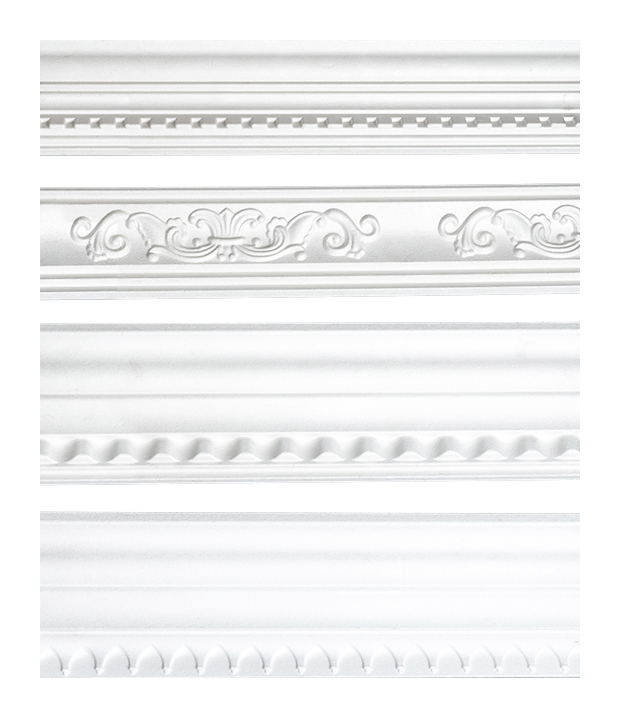 EPS Crown Molding B-30 B-28 B-34 B-32
-
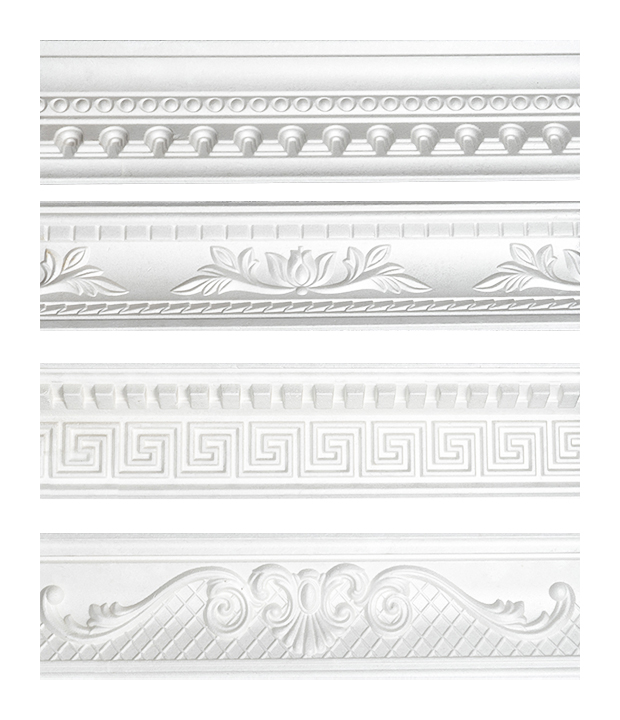 EPS Crown Molding B-42 B-40 B-38 B-36
-
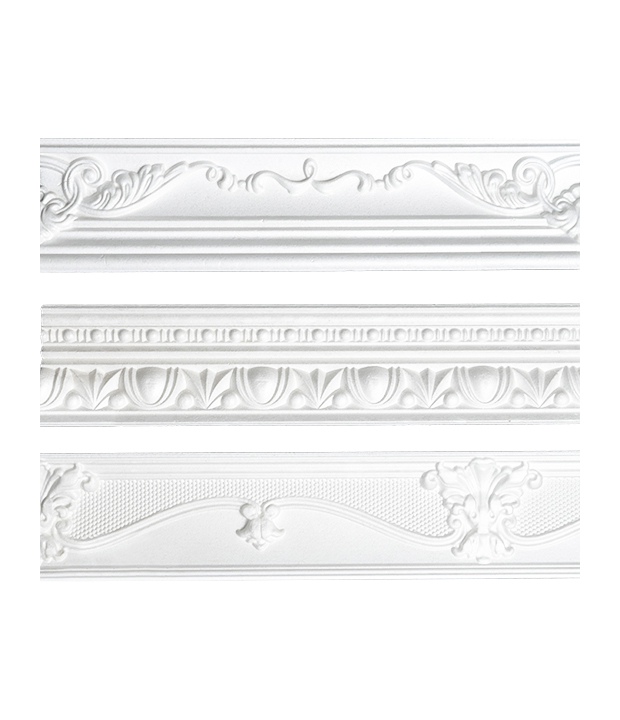 EPS Crown Molding B-60 B-44 B-58
-
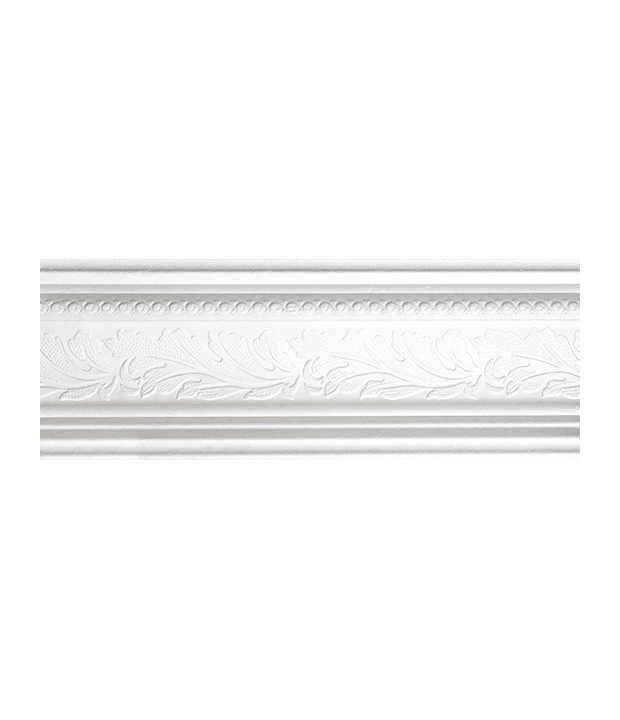 EPS Crown Molding B-56
News
-
-
Introduction What is an EPS Ceiling Medallion? An EPS Ceiling Medallion refers to a decorative ceiling feature made from Expanded Polystyrene (EPS), a type of lightweight foam material. Commonly used ...
READ MORE -
What is a Ceiling Medallion, and How Does it Change the Visual Proportion of Interior Space? In the realm of high-end interior design, the ceiling is no longer an overlooked surface. Often referred to...
READ MORE
Contact info.
- Cell:+86-15951909824 (Amanda)
- Email: amanda@ever-growing.net / 363526407@qq.com
- Add: No.5, Yanhe Rd, Ganduo Indsutrial Park, Gaoyou, Yangzhou, Jiangsu, P.R.O.C.
Quick Links
Copyright © Yangzhou Ever-Growing International Co.,Ltd. All Rights Reserved.
Wholesale Precision Foam Interior Decoration Manufacturers