

 English
 中文简体
中文简体 Español
In the evolution of architectural design, thermal comfort has always been a core metric for measuring quality of life. From open fires to cast-iron radiators and now to radiant heating systems, the un...
READ MORE
Foam Skirting Boards: The Complete Guide to Lightweight, Moisture-Resistant Trim
Sep 24,2026 ------ Industry News
A holiday apartment block had a persistent problem: after two seasons, the lower edge of every MDF skirting board turned grey and swollen, and the paint began to peel. The cleaning crew washed the floors with a wet mop, and water crept behind the sealant. When the maintenance budget ran out, the contractor replaced the damaged sections with high-density PS foam skirting boards. They have stayed dry ever since.
The conclusion is simple: foam skirting boards are a durable, lightweight and cost-effective way to finish the junction between wall and floor, especially in rooms where moisture is present. This guide explains what they are, how to choose the right one, and how to install them so the finish lasts.
What Are Foam Skirting Boards?
Foam skirting boards are linear mouldings made from expanded or extruded polystyrene foam, shaped to imitate traditional timber skirting. They are produced in long boards with a smooth outer skin and a closed-cell structure, which gives them different behaviour from wood or MDF in humid conditions.
The phrase can be confusing. In some regions, “foam board skirting” means the rigid insulation panels used to enclose the underside of a mobile home or a building with a raised foundation. That product is meant to reduce heat loss and keep out animals. This guide is about the indoor version—a skirting board that runs along the interior wall base. If you need panels for outside underfloor closure, look for XPS or EPS insulation boards instead.
The shift toward foam profiles in interiors is visible across renovation documentation and product releases. Recent industry coverage of foam skirting boards in interior design explains why architects now include them in standard specifications. The main reason is that a well-moulded PS board gives a clean shadow line without the risk of water damage that plagues particle-based boards.
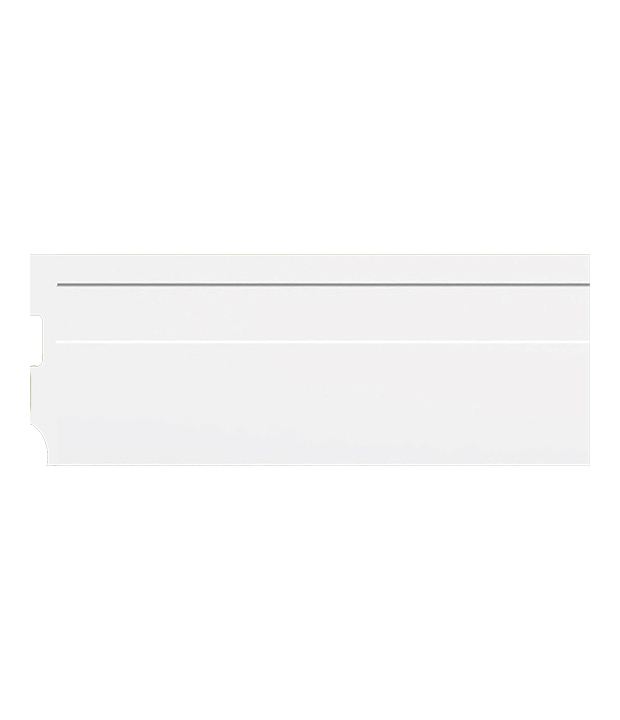 Moisture-Proof PS Foam Skirting Boards with Fast InstallationThese PS foam skirting boards offer a lightweight, water-resistant alternative to MDF and solid wood. Their clean shadow lines and angled ends reduce installation time, making them a practical choice for modern interiors and renovation projects.View Product →
Foam Skirting vs. MDF vs. Solid Wood
To put the material in context, compare it with the two traditional options: MDF and solid wood.
| Property | PS foam | MDF | Solid wood |
|---|---|---|---|
| Weight | Light; one person can carry long lengths | Moderate; heavier to handle | Heavy; two people for long lengths |
| Moisture resistance | Closed-cell surface; no swelling after wet wipe | Swells and crumbles at cut ends | Natural grain; needs sealant |
| Impact resistance | Low to medium; dents under hard impact | Higher; holds screws well | High; can be routed and repaired |
| Screw holding | Weak; usually fixed with adhesive | Good; takes screws and nails | Very good; accepts fixings |
| Cutting and sanding | Easy; low dust, can be fine-tuned | Dusty; edges need sanding | Requires power tools and finishing |
| Surface painting | Accepts water-based paint after priming | Needs primer and edge sealing | Needs primer, undercoat or stains |
The trade-off is clear. Wood remains better for heavy-duty areas where the board will be knocked by tools and furniture. But in bathrooms, kitchens, laundry rooms, and at entries where water is carried on shoes, PS foam avoids the most common reason for replacing skirting: rot and swelling. It also carries less risk of adding structural load to a wall because the board itself is light and does not transmit significant force.
Why Contractors and Homeowners Choose Foam
Beyond water resistance, the daily handling advantages are what convince installers to stay with foam on repeat jobs.
- One-person handling: a 2.4 m length of typical PS foam skirting weighs around 0.5–1 kg, while an equivalent MDF length can be 2–3 kg. This reduces fatigue on long sites.
- Easy cutting: a fine-tooth saw works well for large profiles, and a sharp utility knife can score and snap small ones. MDF creates abrasive resin dust that dulls tools and needs extraction.
- Low moisture absorption: the surface is closed-cell, so a damp cloth does not make the board swell. The low uptake also reduces the chances of mould growth at the wall-floor interface.
- Uniform profiles: because the board is moulded, every metre has the same shape. Straight runs look cleaner, and mitre joints line up without hand-planing.
- Direct bonding: most foam boards can be glued straight to the wall, eliminating nail holes and reducing the time needed to set out a fixing pattern.
The material is not a universal replacement. The surface is softer than wood, so avoid solvent-based paints and cleaners; they can dissolve PS foam. If a project will receive constant hard impacts, choose a protected profile or add a separate kick strip. For residential and light commercial work, the foam board will behave predictably.
Installation and Adhesive Selection
Foam skirting boards are installed in much the same way as MDF, except that mechanical fixings are usually unnecessary. The boards are glued directly to a sound wall, and the foam can be sanded lightly to remove small fitting errors.
The adhesive choice matters more than the board itself. For most walls, a flexible construction adhesive works. If you prefer expanding foam, use a low-expansion “adhesive” grade, not a high-yield gap-filling can. High-expansion foam can bow the board before it cures. Test on offcuts first.
Steps for a clean installation
- Let the boards acclimatise in the room for 24 hours before cutting.
- Cut with a fine-tooth saw or a mitre saw; hold multiple lengths in the same orientation so that any small profile variation appears on the same side.
- Check the wall with a straightedge. If the plaster is wavy, apply a little more adhesive to fill the gap.
- Apply adhesive in a vertical wave along the back, about 100 mm from each end and then every 250 mm.
- Press the board into place, hold for a minute, and support with light tape or panel pins for up to three hours.
- Fill external corners and small joints with a flexible acrylic sealant or a foam-safe filler, then sand and paint with water-based paint.
Do not use aggressive solvents or heat guns on the board. If the wall curves, cut the back of the board with shallow relief cuts instead of heating it.
What to Check When Sourcing Foam Skirting Boards
Not every foam skirting product behaves the same. Low-density mouldings can be crushed in transit and can show every fingerprint during installation. Ask the supplier for material specifications before you commit.
- Density and surface hardness: a denser PS board holds a profile edge better and is less likely to dent when pressed by a vacuum head or shoe. Ask for a cross-section sample.
- Coating or skin: quality boards include a smooth coating layer that covers the foam grains and gives an even paint finish.
- Dimensional tolerance: check that length, width and end-squareness meet the specification, normally within ±2 mm for high-volume foam moulding.
- Fire rating: for commercial projects, confirm that the board meets the fire classification required in your market.
- Recyclability: PS and EPS can be recycled through suitable collection routes; ask whether the factory regrinds its own offcuts.
This is where working with an established manufacturer makes a difference. Our 30 years of foam moulding experience and a 30,000 m² production base allow us to control density, check every mould edition, and offer tailored profiles. See our company overview for the full range and capabilities.
Matching Profiles for a Complete Room
When you choose a foam skirting profile, check whether the manufacturer also offers matching crown moulding and ceiling medallions. The advantage is not just visual consistency—it also simplifies procurement, because the same material, finish and paint system are used on every trim in the room.
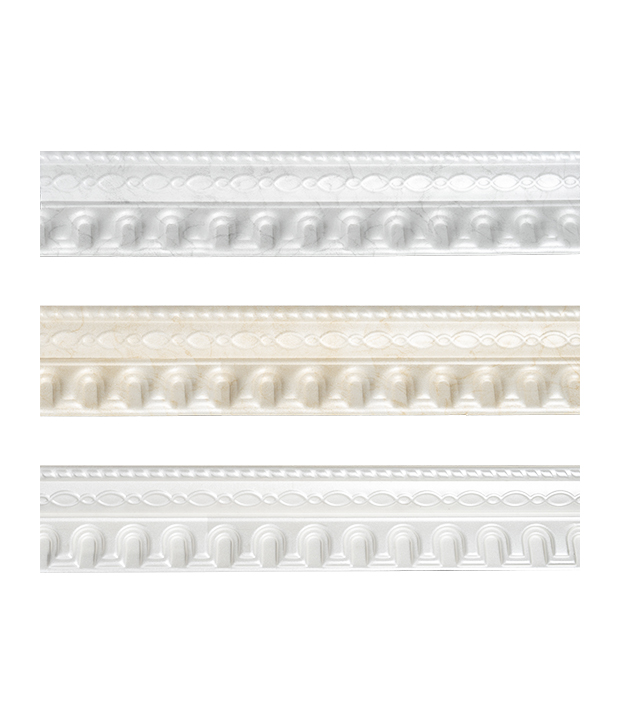 EPS Crown Molding Profiles for Smooth Wall-Ceiling TransitionsThis range of EPS crown moldings conceals structural gaps and disguises uneven joints between walls and ceilings. Multiple profiles are available to match skirting boards, enabling a cohesive trim system and easier procurement with shared materials.View Product →
 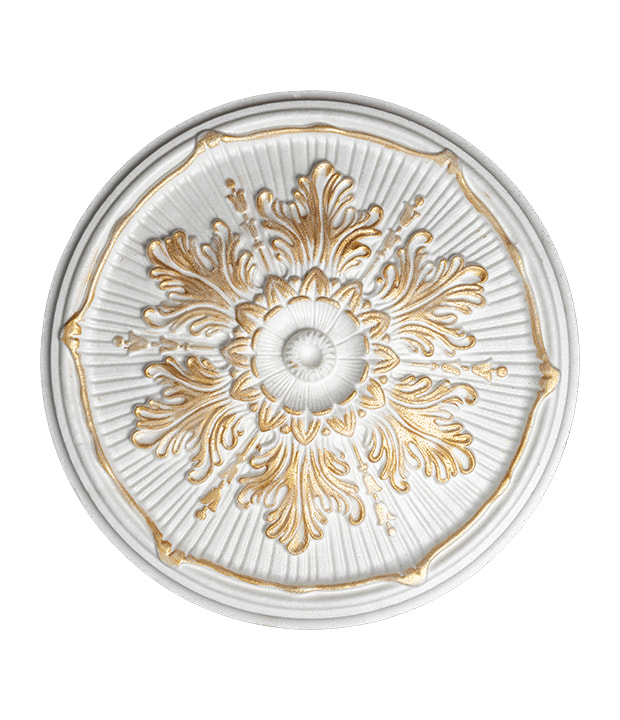 EPS and PU Ceiling Medallions for Light Fixture FinishesThese ceiling medallions cover wiring penetrations and mounting gaps around light fixtures while adding a decorative focal point. Offered in EPS and PU versions, they pair well with foam moldings for a fully coordinated interior trim package.View Product →
For example, a common workflow in a modern apartment is to install PS skirting around the lower wall, crown molding at the top, and a ceiling medallion around a light fixture. Because all three are foam mouldings, the installer uses the same adhesive and paint, and the client receives a consistent, moisture-resistant package that would be difficult to match with mixed materials.
Foam skirting boards are not a replacement for solid wood in every setting, but they solve a specific list of problems: damp-prone rooms, budget-driven projects, and installations where weight and ease of cutting are critical. If the profile density and surface coating meet the project requirements, the material will perform predictably for years. As with most building products, the final decision comes down to testing a sample, checking the numbers, and installing it the right way.
our featured products.
Discover the timeless beauty and craftsmanship of Evergrowing through our featured products.
-
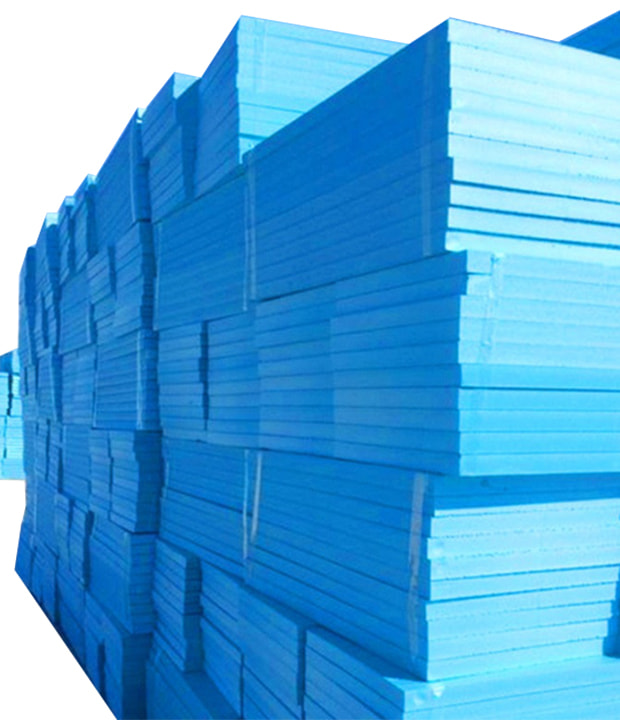 XPS underfloor heating panel
-
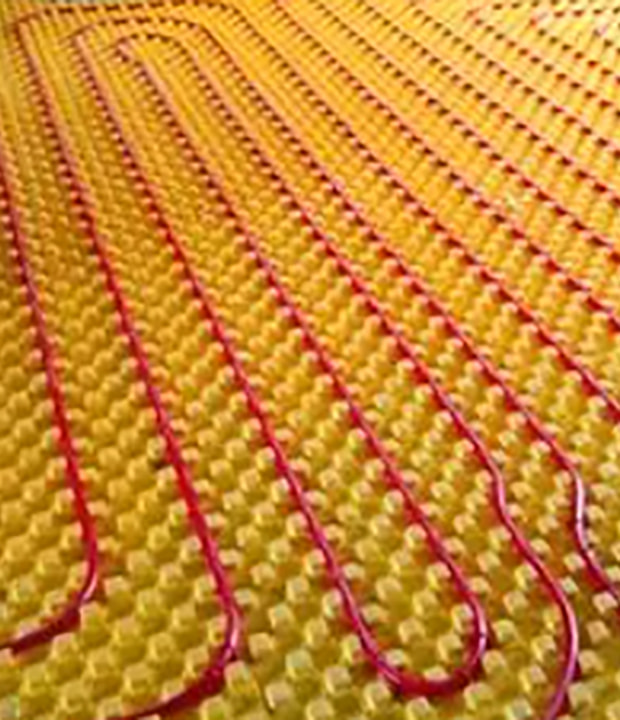 EPS underfloor heating panel
-
 EPS Crown Molding T-06
-
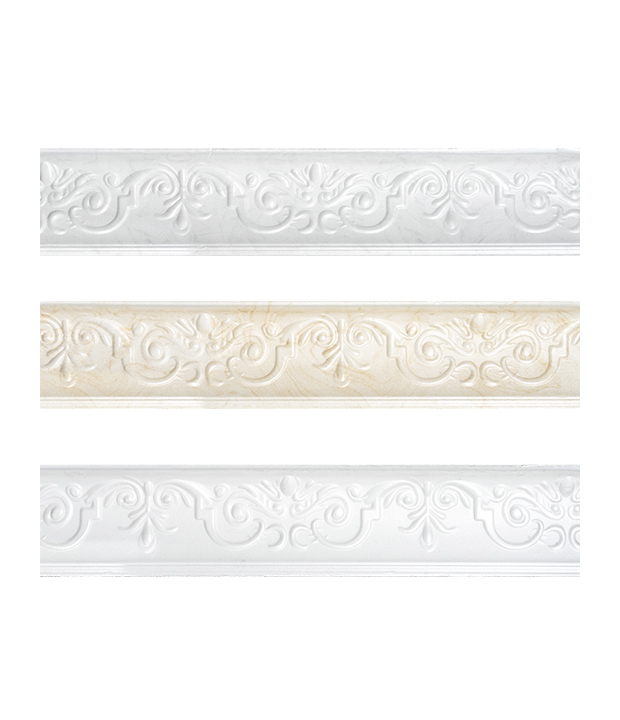 EPS Crown Molding T-04
-
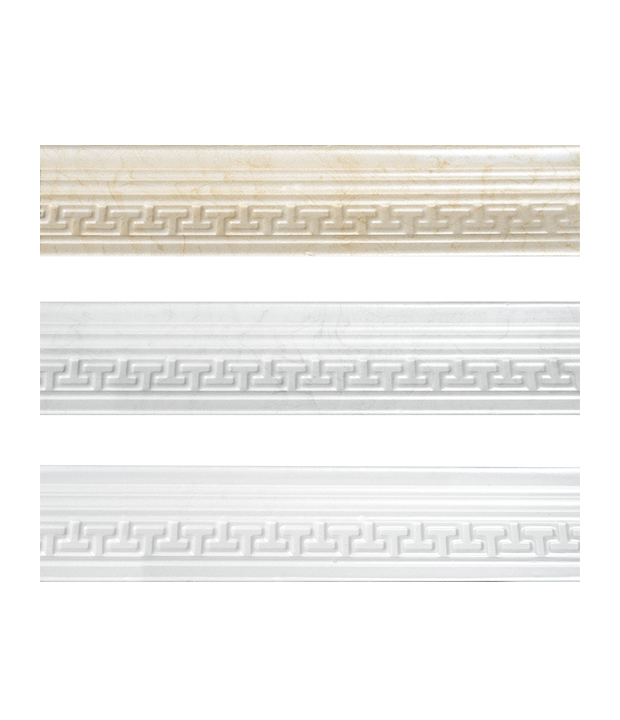 EPS Crown Molding T-02
-
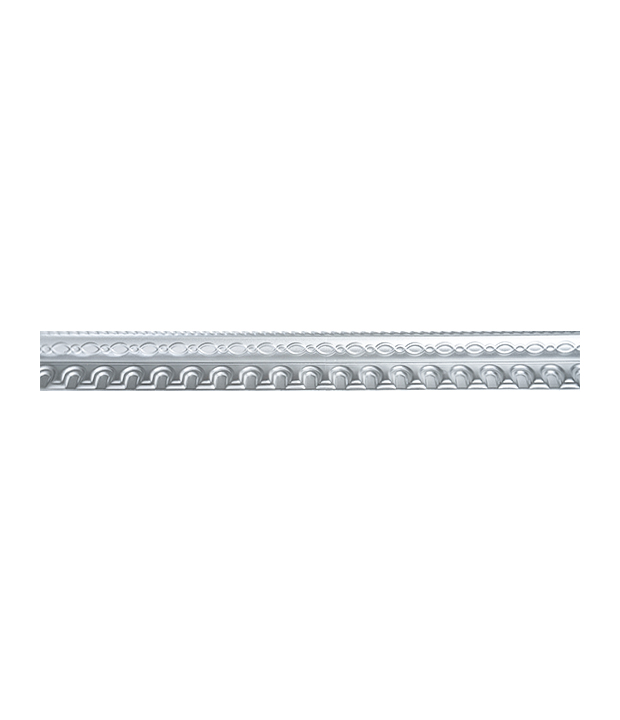 EPS Crown Molding
-
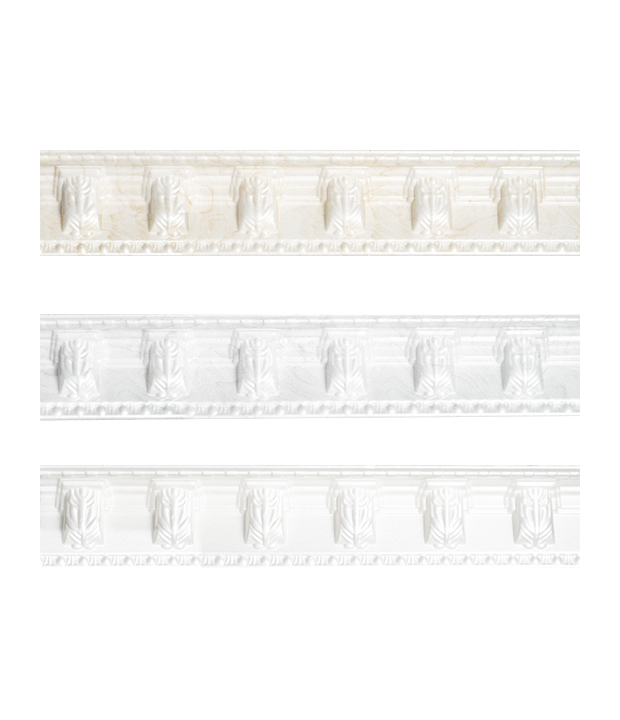 EPS Crown Molding T-18
-
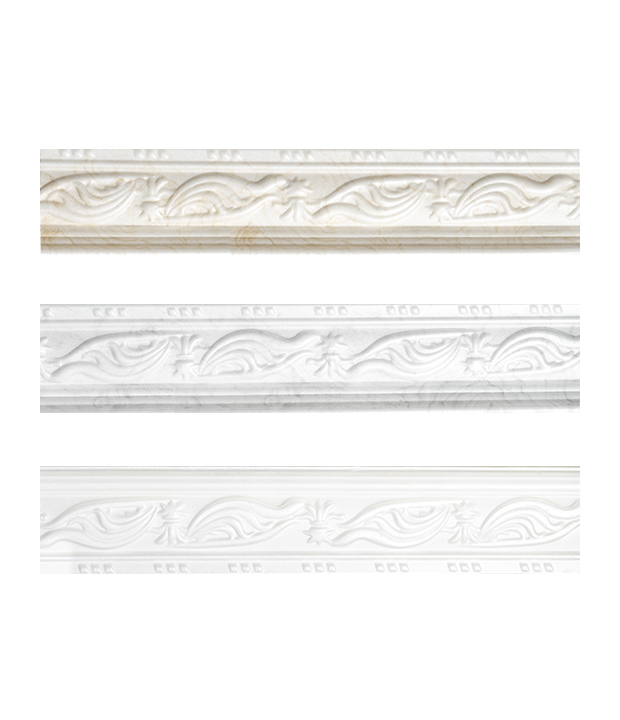 EPS Crown Molding T-20
-
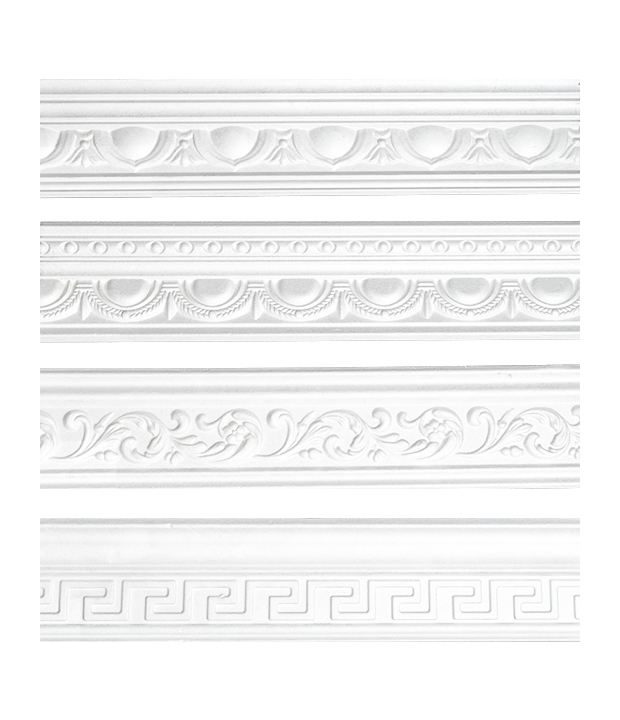 EPS Crown Molding B-06 B-08 B-10 B-12
-
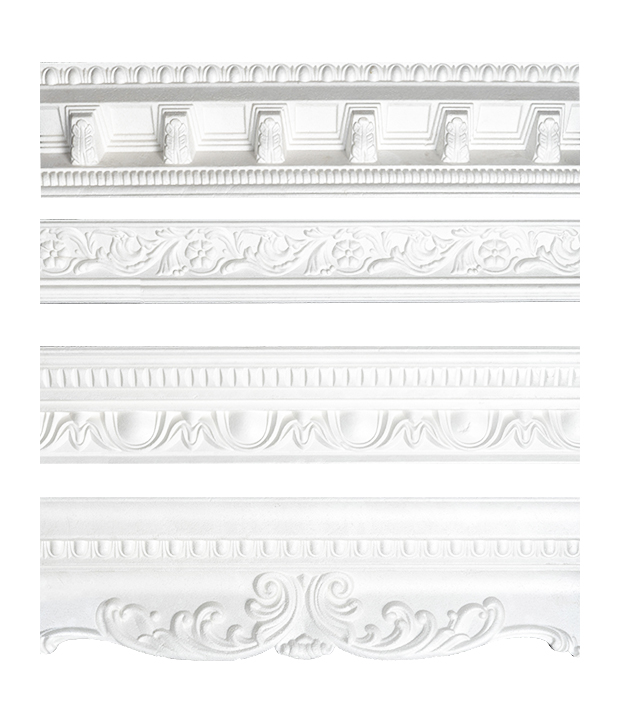 EPS Crown Molding B-22 B-20 B-24 B-18
-
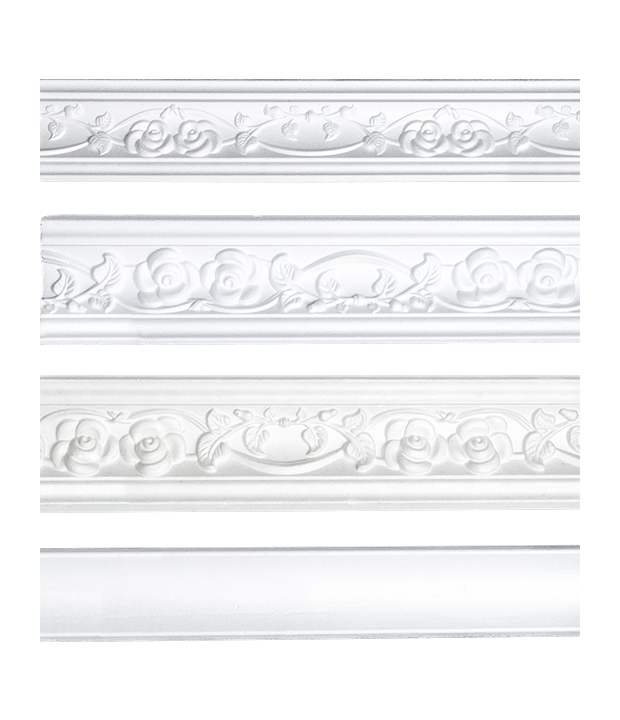 EPS Crown Molding B-26-1 B-26-2 B-26 B-16
-
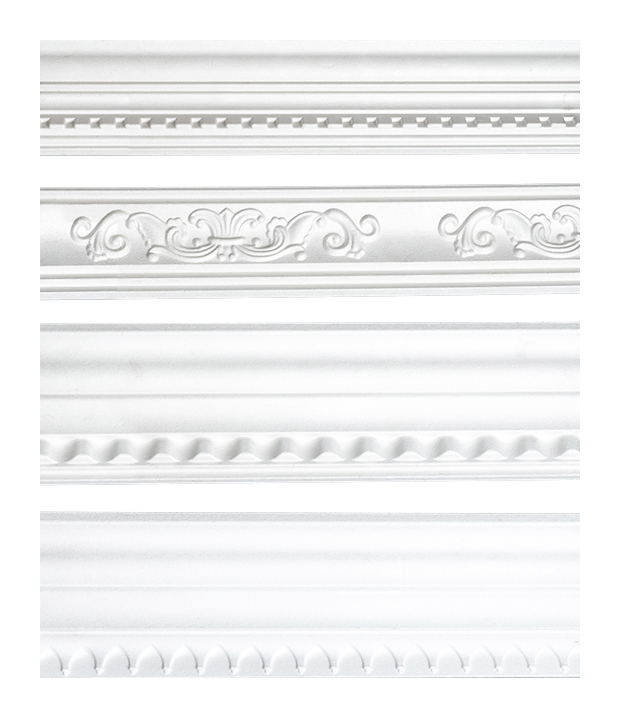 EPS Crown Molding B-30 B-28 B-34 B-32
-
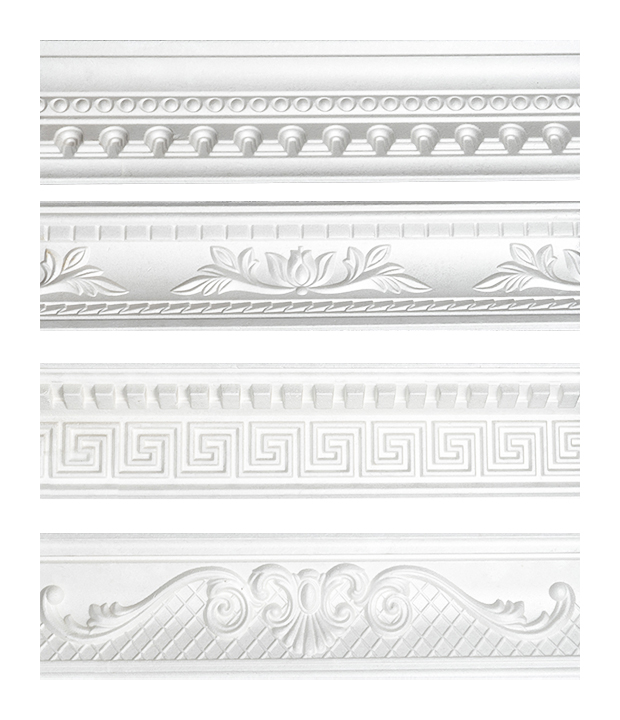 EPS Crown Molding B-42 B-40 B-38 B-36
-
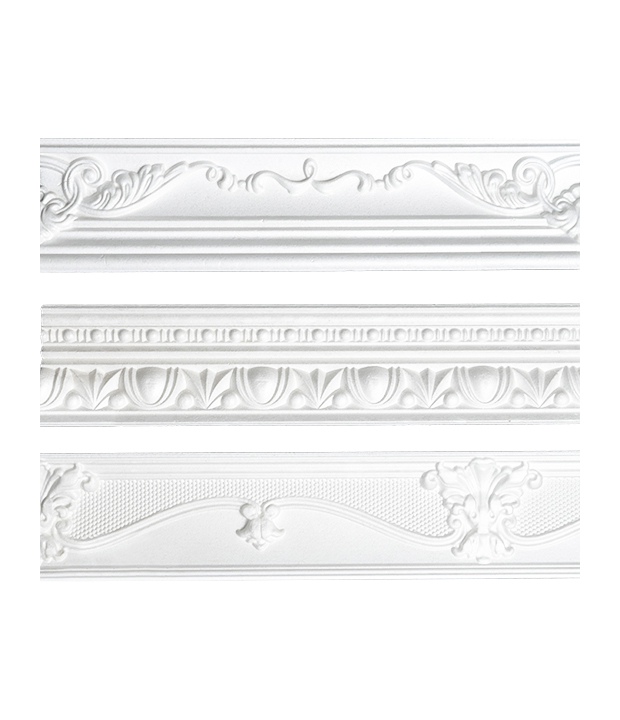 EPS Crown Molding B-60 B-44 B-58
-
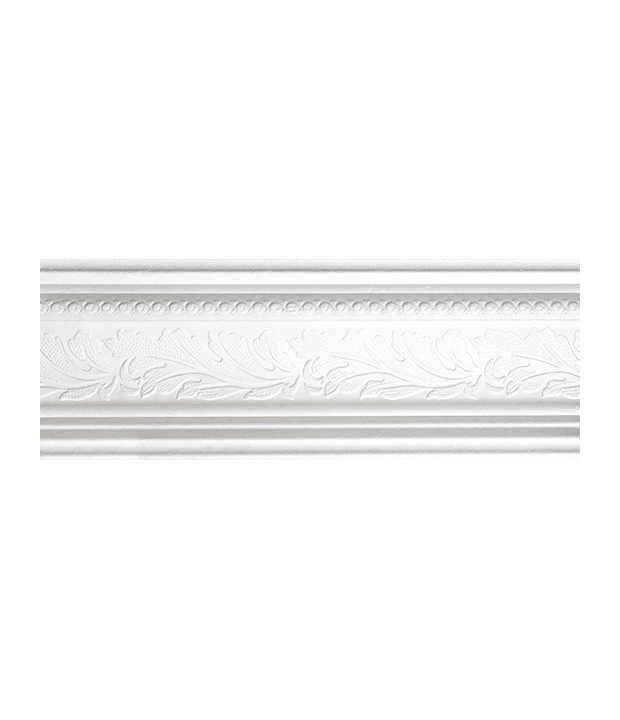 EPS Crown Molding B-56
News
-
-
Introduction What is an EPS Ceiling Medallion? An EPS Ceiling Medallion refers to a decorative ceiling feature made from Expanded Polystyrene (EPS), a type of lightweight foam material. Commonly used ...
READ MORE -
What is a Ceiling Medallion, and How Does it Change the Visual Proportion of Interior Space? In the realm of high-end interior design, the ceiling is no longer an overlooked surface. Often referred to...
READ MORE
Contact info.
- Cell:+86-15951909824 (Amanda)
- Email: amanda@ever-growing.net / 363526407@qq.com
- Add: No.5, Yanhe Rd, Ganduo Indsutrial Park, Gaoyou, Yangzhou, Jiangsu, P.R.O.C.
Quick Links
Copyright © Yangzhou Ever-Growing International Co.,Ltd. All Rights Reserved.
Wholesale Precision Foam Interior Decoration Manufacturers