

 English
 中文简体
中文简体 Español
In the evolution of architectural design, thermal comfort has always been a core metric for measuring quality of life. From open fires to cast-iron radiators and now to radiant heating systems, the un...
READ MORE
Interior Decorative Materials: Types, Benefits, and How to Choose Right
Oct 01,2026 ------ Industry News
Imagine finishing a living room makeover only to notice a cracked ceiling medallion or a baseboard that swells after one humid week. These failures rarely come from paint or drywall; they come from an overlooked variable: the interior decorative materials themselves. Choosing the right material means looking beyond appearance and considering weight, moisture resistance, installation effort, and long-term cost. A profile that looks identical in a catalog can perform very differently on site, and that difference becomes obvious only after installation.
Why Material Choice Matters More Than Visual Style
Many purchasing decisions start with the shape of the profile. Yet the structural behavior of that material determines whether the profile remains clean after seasonal changes. Four factors deserve attention before any finish is applied.
Weight: Heavy elements require secure blocking, especially on ceilings. A 3-meter wood molding can be too heavy for one person to handle, while an equivalent PU or EPS piece can be lifted with one hand.
Moisture resistance: Bathroom and coastal environments demand closed-cell materials. EPS is moisture-resistant when sealed, while PU and PVC are naturally resistant without additional layers.
Impact resistance: In hallways and commercial spaces, baseboards get hit by carts and furniture. PS and PVC handle impact better than bare EPS.
Installation speed: Foam profiles can be cut with a blade and fixed with adhesive. Wood and gypsum profiles often need power tools, joint compound, and an extra finishing stage.
These factors also affect cost. Lighter products reduce shipping and labor, which is why foam-based decorative materials are common in large residential and hospitality projects where every hour of installation counts.
Common Interior Decorative Materials Explained
Three product families cover most interior decoration needs: crown molding, ceiling tiles and medallions, and skirting boards. Each family serves a different part of the room and carries its own material trade-offs.
Crown Molding
Crown molding creates a smooth transition between wall and ceiling and masks uneven joints. In period-style interiors, it delivers a custom look without major structural changes. Traditional hardwood is still specified in high-end projects, but it is heavy and sensitive to humidity. EPS and PS molding offer the same profile at lower weight, while XPS provides a denser surface. Polyurethane molding is especially resistant to moisture and minor impacts, and it often arrives with a pre-primed finish that accepts paint quickly. Because PU components are molded, the shape is consistent, which reduces installation waste.
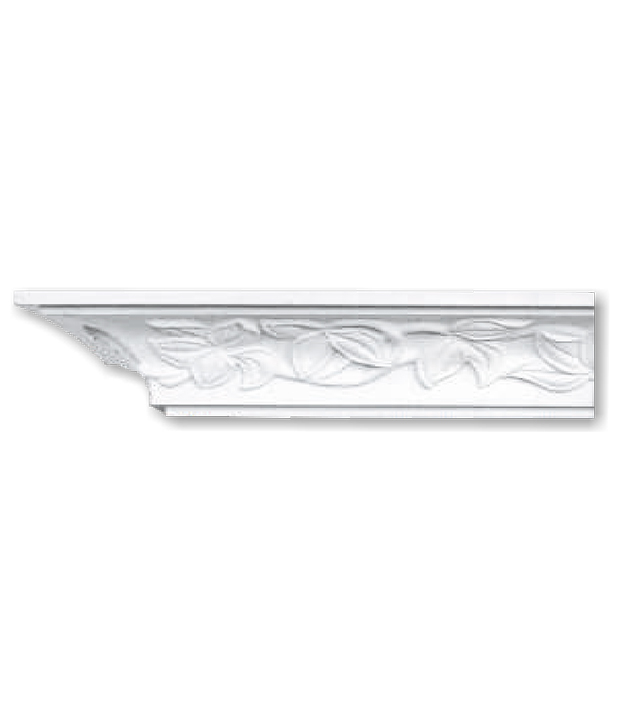 Lightweight Moisture-Resistant PU Crown Molding for Interior DecorThis molding connects walls and ceilings with a decorative profile that resists humidity and aging. Its pre-primed surface accepts paint quickly, making it a practical choice for period-style interiors and damp areas like kitchens or bathrooms.View Product →
Ceiling Tiles and Medallions
Ceiling tiles hide an imperfect substrate and add texture to a visual plane. They are available in smooth, coffered, and embossed patterns. PVC ceiling tiles have become a popular choice for bathrooms, utility rooms, and covered outdoor spaces because they do not absorb water, resist mold, and wipe clean with a damp cloth. They are also thinner than gypsum boards, so they can be adhered directly to a flat ceiling. Ceiling medallions are decorative accents around light fixtures or ceiling fans. EPS medallions are useful when diameters are large because they remain light enough to be secured with adhesive and a few screws.
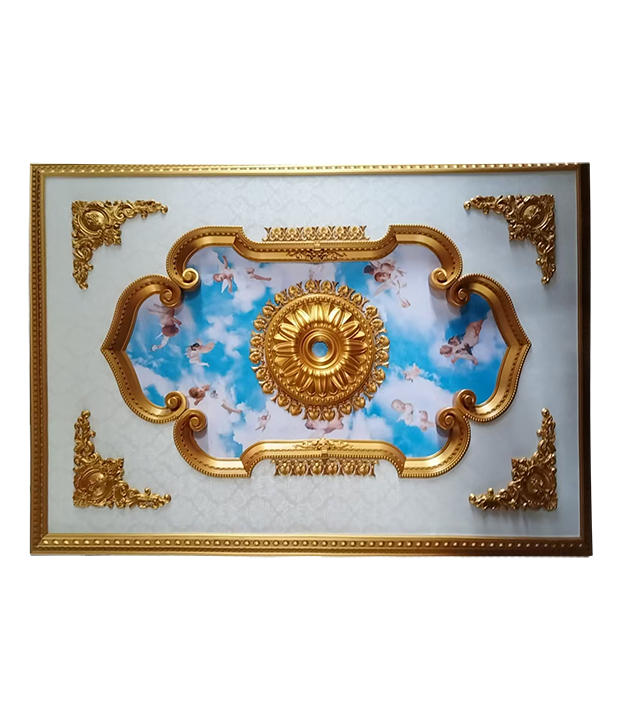 Hygienic PVC Ceiling Tiles for Moisture-Prone SpacesThese thin, mold-resistant tiles can be adhered directly to a flat ceiling, concealing imperfections without adding bulk. They suit bathrooms, utility rooms, and covered outdoor areas because they wipe clean and resist water damage.View Product →
Skirting Boards
Skirting boards protect walls from physical damage and hide the expansion gap at the floor joint. The ideal material depends on traffic and cleaning routine. PS skirting boards are a modern alternative to MDF: their closed surface does not swell when wiped with water, and they can be supplied with a ready-to-paint finish. The material cuts cleanly and produces less dust than MDF. In commercial interiors, PS is a practical choice because you can replace one damaged section without removing the whole run.
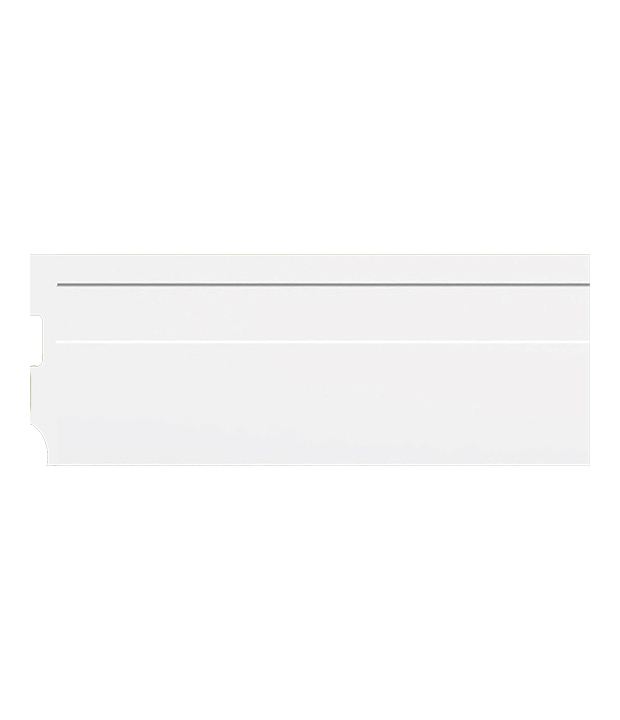 Durable PS Skirting Boards with Moisture-Proof FinishThese ready-to-paint skirting boards offer a closed surface that resists swelling when wiped with water, cutting cleanly with less dust than MDF. They are a practical, low-maintenance option for modern apartments and retail renovations.View Product →
Material Comparison: EPS, PS, PU, and PVC
Different suppliers describe their products in different words, so it helps to compare the polymer base. The table below summarizes typical properties of EPS, PS, PU, and PVC in interior decorative profiles.
| Property | EPS | PS | PU | PVC |
|---|---|---|---|---|
| Weight | Very light | Light | Light to medium | Medium |
| Moisture resistance | Good when sealed | Excellent | Excellent | Excellent |
| Impact resistance | Moderate | Good | High | High |
| Cutting & installation | Easy with knife | Easy | Easy with fine-tooth saw | Easy with score & snap |
| Typical use | Ceiling medallions, panels | Skirting, moldings | Crown molding, medallions | Ceiling tiles, trim |
Performance depends on density and formulation, not just the polymer name. A high-density EPS medallion may outperform a low-density PU version. Always request a sample and inspect the cut edge for cell structure and surface consistency.
How to Choose Materials for Different Rooms
Room function should guide the selection process. In wet or humid areas, moisture resistance is non-negotiable: PVC ceiling tiles and PU molding handle steam without swelling. In living rooms and bedrooms, visual continuity matters more than waterproofing, and EPS medallions plus PS trims create a cohesive look at a fair price. For high-traffic corridors, choose dense profiles that tolerate impacts from luggage and cleaning equipment. When in doubt, ask for density values and check whether the product meets international standards. The guide to polystyrene ceiling tiles goes deeper into how wall and ceiling materials are specified in practice.
- Bathrooms and laundry areas: PVC ceiling tiles, PU crown molding, PS skirting boards.
- Living rooms and bedrooms: EPS or PU medallions, XPS crown molding, PS trims.
- Hallways and entryways: PS skirting boards, PVC trim, impact-resistant molding.
- Commercial rental units: PS skirting boards, PVC ceiling tiles, durable PU profiles.
Installation and Maintenance Considerations
Installation mistakes cause more failures than material defects. Use the following sequence to avoid common problems:
- Store foam materials in a dry, shaded place; UV exposure can yellow white surfaces.
- Prepare the substrate: remove grease, dust, and loose paint for full-contact adhesion.
- Choose a compatible adhesive. Use low-solvent construction adhesive for EPS and XPS, and verify any adhesive against PVC. Never use solvent-based glue that can dissolve foam.
- Add mechanical fasteners where needed. Large ceiling medallions should be fixed with adhesive plus a few drywall screws, then cover the screw heads.
- Allow for thermal movement. In long PVC runs, leave a 2-3 mm expansion gap at inside corners and cover it with a corner piece.
- Clean with a soft damp cloth. Avoid abrasive pads that dull the surface.
After cleaning, inspect seams for gaps, especially in new buildings where frames may settle during the first year.
Source from a Manufacturer That Understands Foam Materials
Interior decorative materials are only useful when the factory can guarantee density, dimensional tolerance, and finish consistency. A manufacturer that produces across EPS, PS, PU, XPS, and PVC can simplify your supply chain because you can source crown molding, ceiling tiles, medallions, and skirting boards from one quality department. Yangzhou Ever-Growing International Co., Ltd. has worked with precision foam products since 1994. Its 30,000-square-meter facility in Gaoyou, Jiangsu, supports large orders and custom profiles. The product line includes decorative molding, PS skirting boards, ceiling tiles, underfloor heating panels, and custom EPS/EPP items. With experience across material families, the technical team can recommend a formulation for your project, confirm adhesion and cutting behavior, and provide samples before mass production.
Selecting interior decorative materials is not about picking the most expensive profile; it is about matching physical properties to the room, the installation crew, and the operating environment. Start with the biggest risk in your project—usually moisture or impact—then narrow options by weight and installed cost. A manufacturer that shares density data and installation guidance will save you more time than a discount on the product itself.
our featured products.
Discover the timeless beauty and craftsmanship of Evergrowing through our featured products.
-
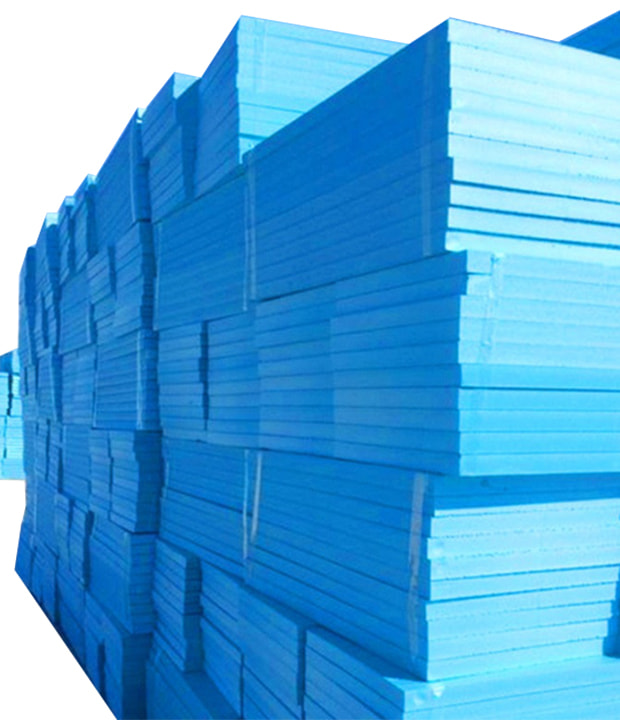 XPS underfloor heating panel
-
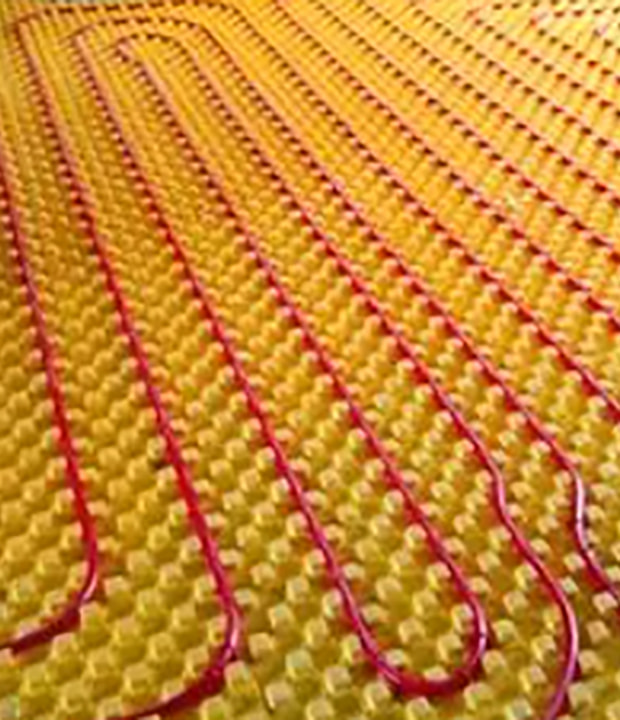 EPS underfloor heating panel
-
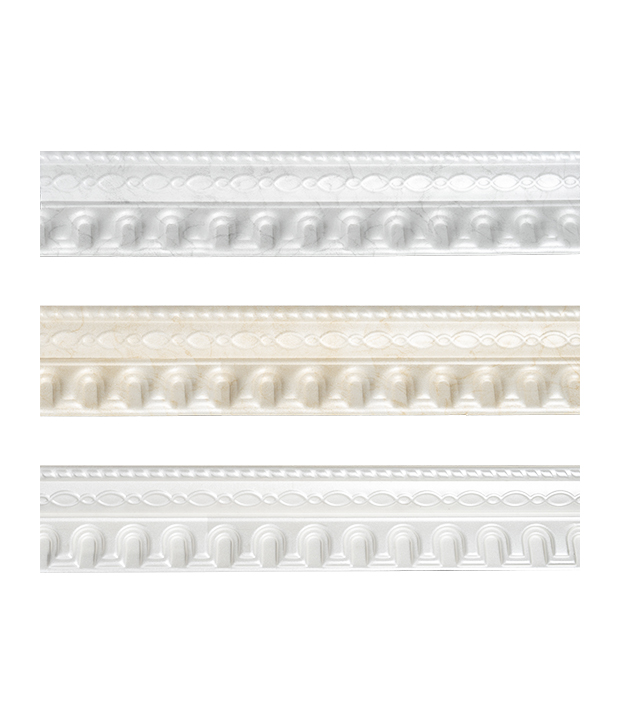 EPS Crown Molding T-06
-
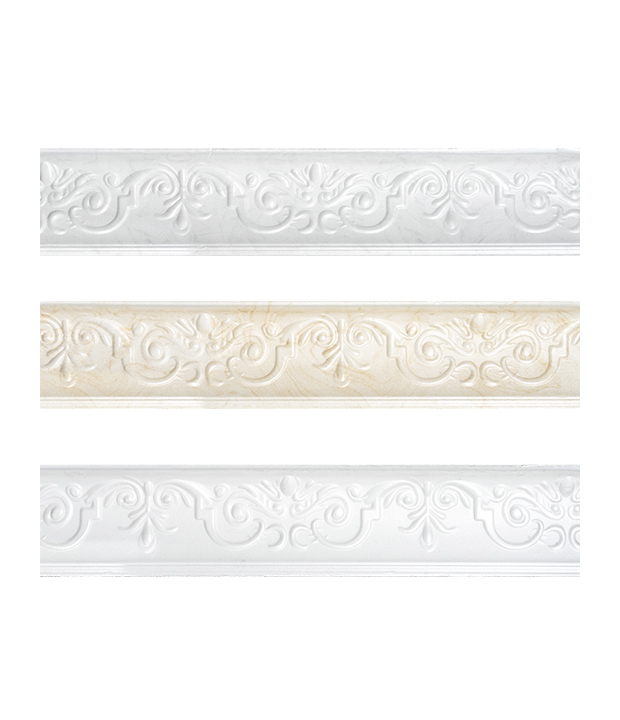 EPS Crown Molding T-04
-
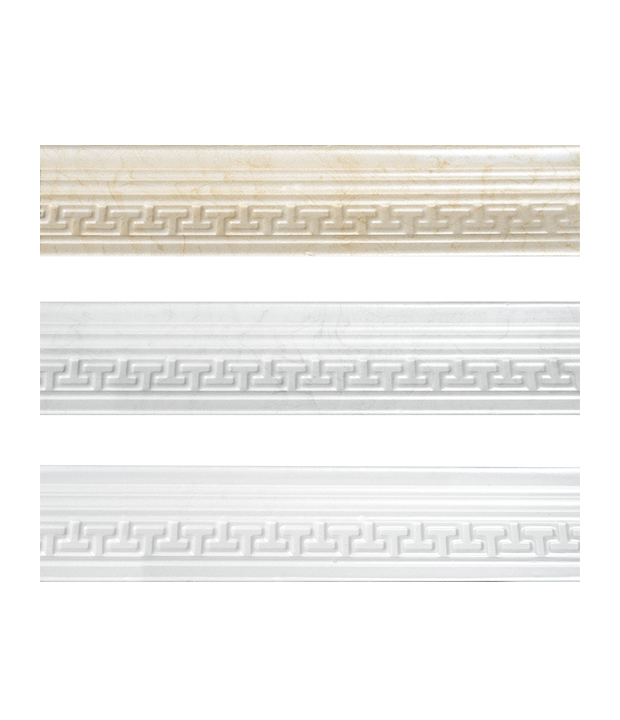 EPS Crown Molding T-02
-
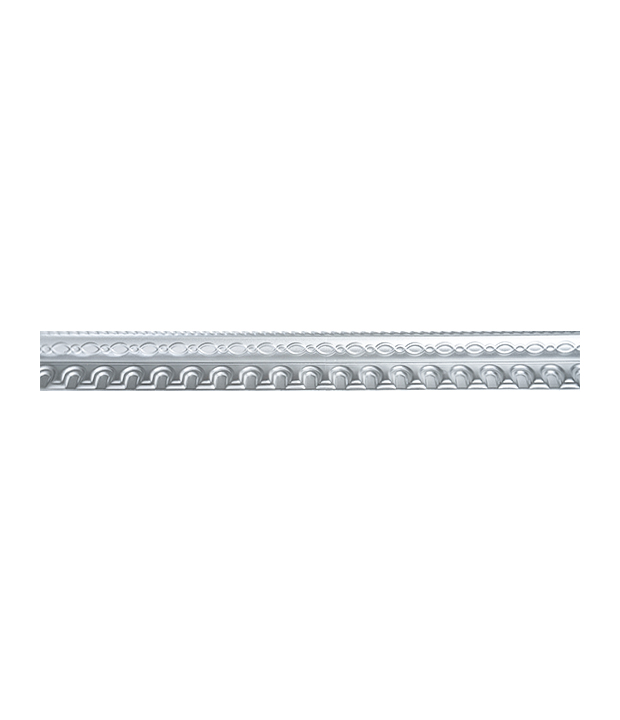 EPS Crown Molding
-
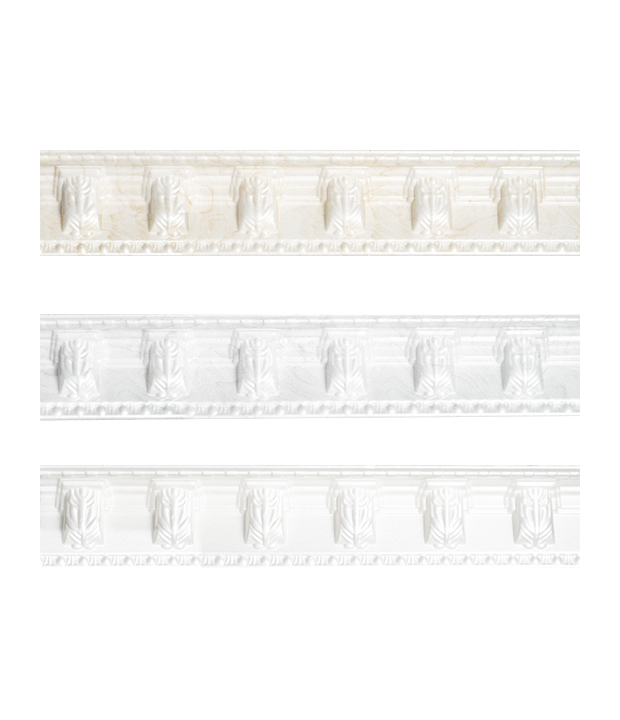 EPS Crown Molding T-18
-
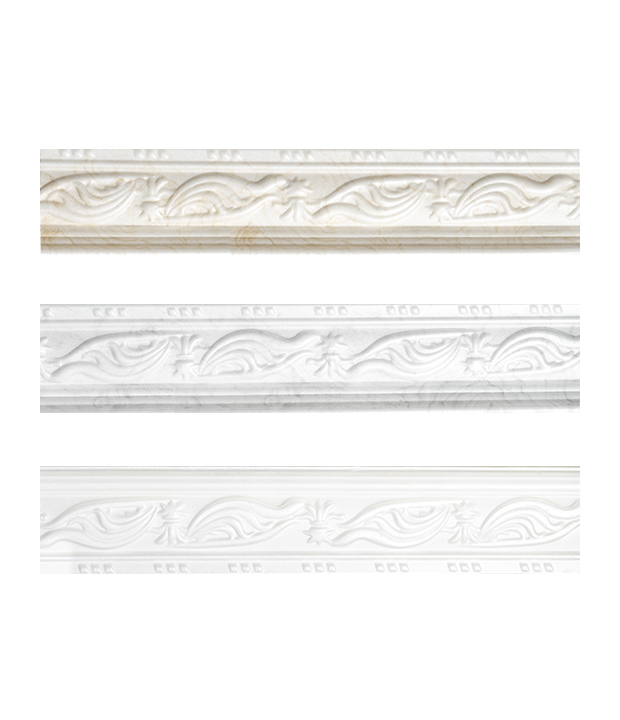 EPS Crown Molding T-20
-
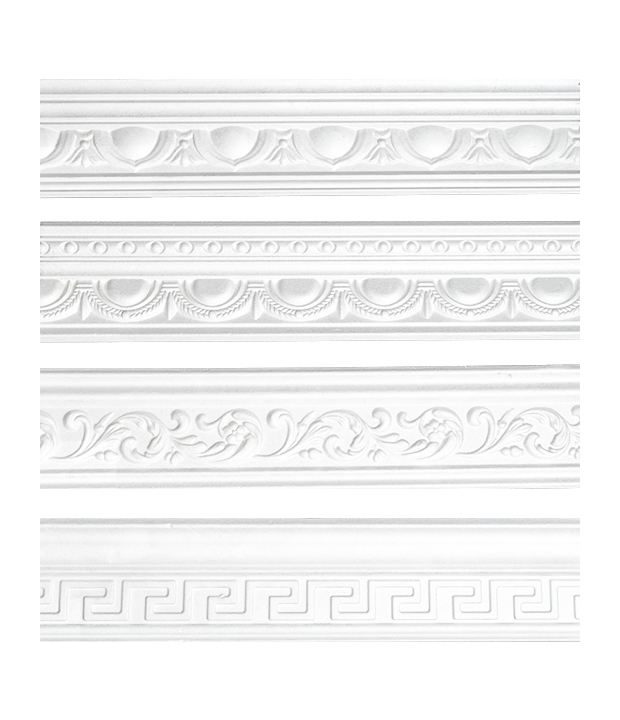 EPS Crown Molding B-06 B-08 B-10 B-12
-
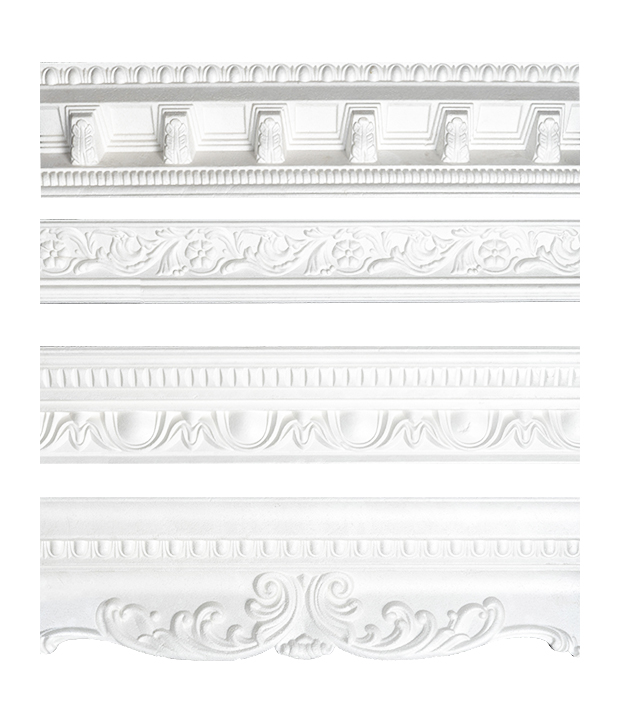 EPS Crown Molding B-22 B-20 B-24 B-18
-
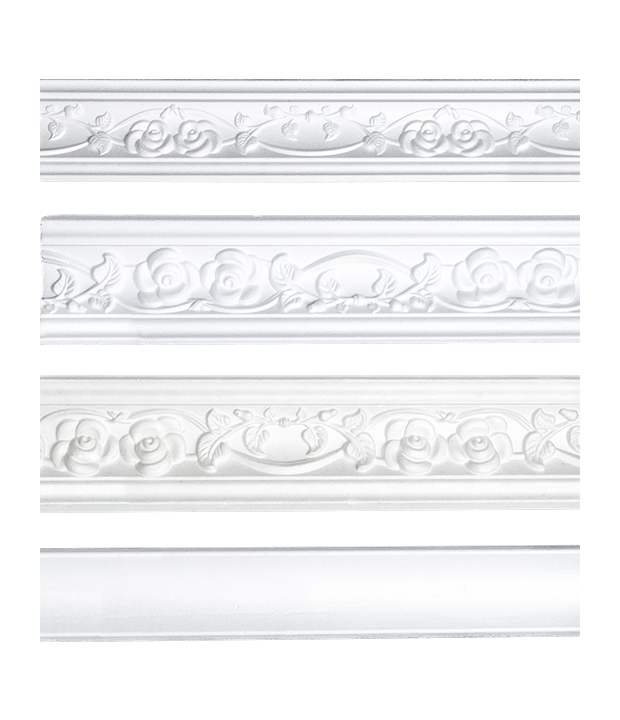 EPS Crown Molding B-26-1 B-26-2 B-26 B-16
-
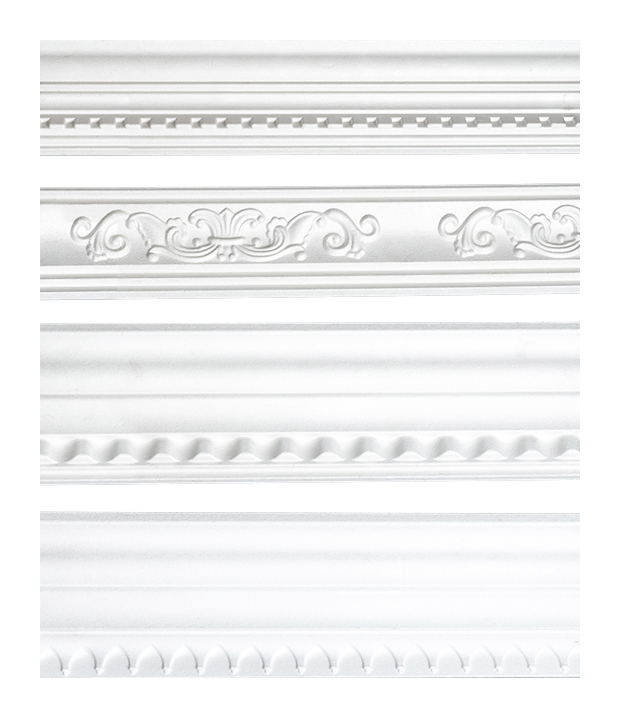 EPS Crown Molding B-30 B-28 B-34 B-32
-
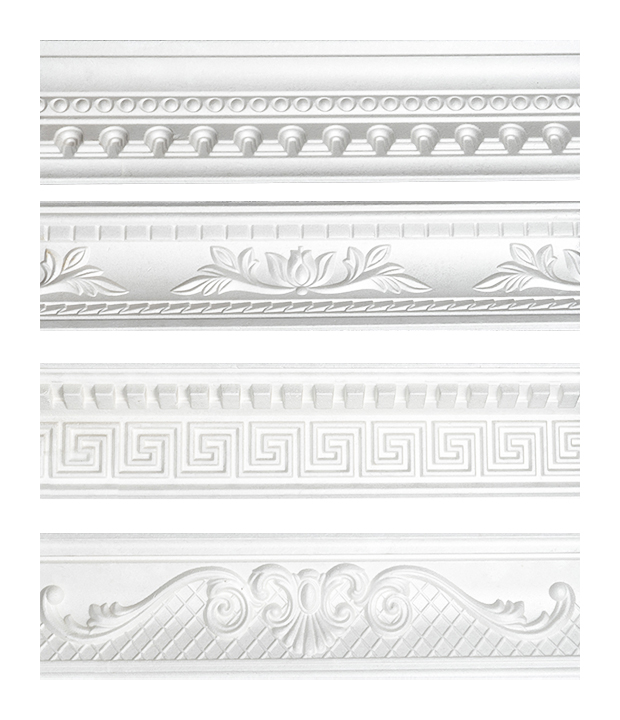 EPS Crown Molding B-42 B-40 B-38 B-36
-
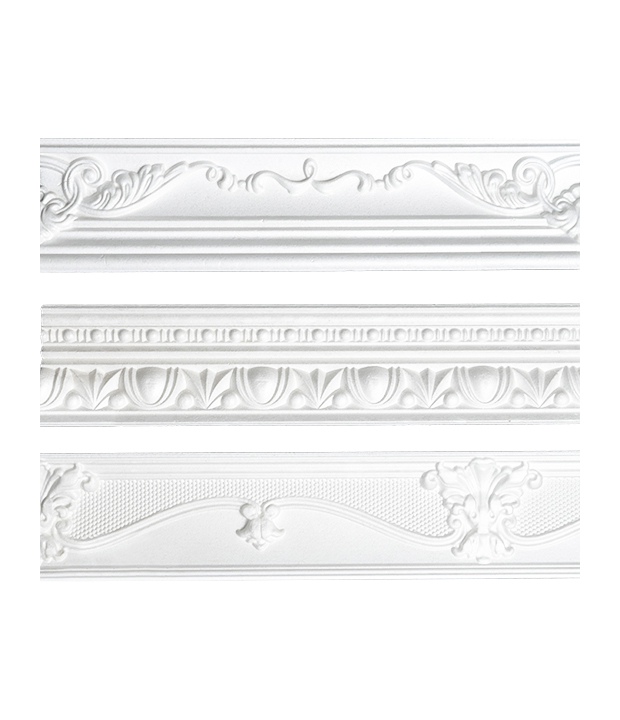 EPS Crown Molding B-60 B-44 B-58
-
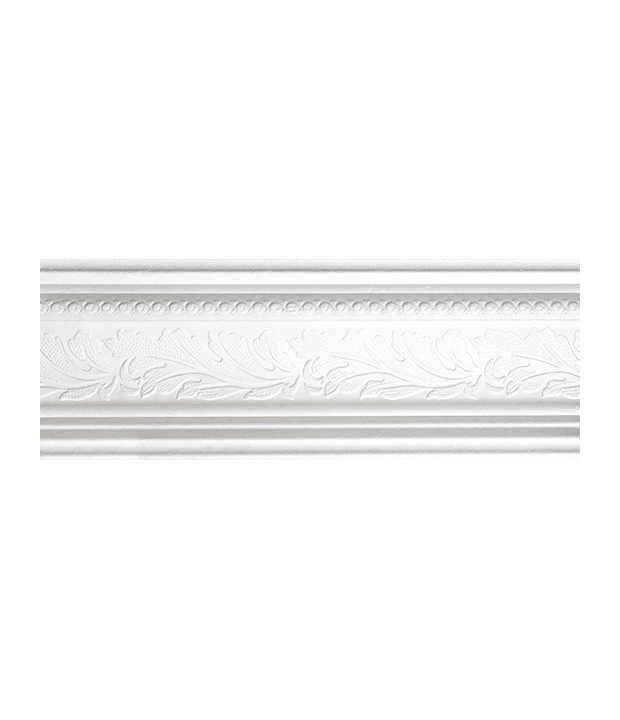 EPS Crown Molding B-56
News
-
-
Introduction What is an EPS Ceiling Medallion? An EPS Ceiling Medallion refers to a decorative ceiling feature made from Expanded Polystyrene (EPS), a type of lightweight foam material. Commonly used ...
READ MORE -
What is a Ceiling Medallion, and How Does it Change the Visual Proportion of Interior Space? In the realm of high-end interior design, the ceiling is no longer an overlooked surface. Often referred to...
READ MORE
Contact info.
- Cell:+86-15951909824 (Amanda)
- Email: amanda@ever-growing.net / 363526407@qq.com
- Add: No.5, Yanhe Rd, Ganduo Indsutrial Park, Gaoyou, Yangzhou, Jiangsu, P.R.O.C.
Quick Links
Copyright © Yangzhou Ever-Growing International Co.,Ltd. All Rights Reserved.
Wholesale Precision Foam Interior Decoration Manufacturers